
Problems With Music Education
📖 Table of Contents
- The Lack of Access to Quality Music Education
- The Over-Reliance on Formal Education
- The Lack of Cultural Diversity in Music Education
- The Neglect of Music in Homeschooling
- The Overemphasis on Performance
- The High Cost of Music Education
- The Lack of Integration with Other Subjects
- Make It Your Way
- Frequently Asked Questions
I still remember the first time I walked into a music classroom with my daughter, only to feel a wave of anxiety wash over me. The teacher was smiling, the students were engaged, but I couldn’t shake the feeling that something was missing. It wasn’t just the lack of resources or the outdated instruments—it was the deeper, more pervasive problems with music education that I had never considered before. As a homeschooling parent, I had always believed that music was a vital part of a child’s development. The reality of implementing it at home was far more complex than I had ever imagined. These problems with music education are not limited to traditional classrooms; they affect every learning environment, including the one I was trying to build for my child.[4]
Over the next few months, I found myself exploring research, attending workshops, and even speaking with other homeschooling parents who had faced similar challenges. What I discovered was alarming: many of the issues I had assumed were unique to our small homeschool community were, in fact, widespread. Problems with music education are often rooted in systemic gaps—like underfunded programs, lack of trained educators. The persistent belief that music is a 'nice-to-have' rather than a 'must-have' in a well-rounded education. This is not just a problem for schools; it's a challenge that affects every family who wants to give their children a rich, creative, and culturally aware education.[1]
Through trial and error, I began to piece together a solution that worked for us—something that addressed the problems with music education without falling into the traps of overwhelm or frustration. I learned to be patient with my child, to embrace imperfection, and to focus on the joy rather than the perfection. I also discovered that the key to overcoming these challenges wasn’t just about finding the right resources or tools—it was about changing the way I thought about music education itself. This article is the result of that journey, and it's designed to help other homeschoolers like me handle the same path with confidence and clarity.[5]
Why You'll Love This Article
- You'll understand the hidden challenges in music education.
- You'll get actionable, real-world solutions.
- You'll feel empowered to create a rich musical environment at home.
- You'll learn how to make music education part of your child's daily life.
The Lack of Access to Quality Music Education
As of August 2026, the first and most obvious problem with music education is the lack of access to quality instruction. In many schools, music programs are the first to be cut when budgets are tight, and in homeschooling environments, parents may not have the training or resources to provide consistent instruction. I remember when I first tried to teach my daughter how to play the piano—without any formal training, I struggled to explain the basics in a way that made sense to her. It wasn’t until I enrolled her in an online course that I realized how much I had been missing. The gap in knowledge and skill was huge, and it wasn’t just me. Many parents feel the same way, and that’s a big part of the problem with music education.[2]
The result of this lack of access is often a disinterest in music. When children don’t get the right kind of guidance early on, they may lose the motivation to continue. I saw this with my daughter’s cousin, who had taken piano lessons in school but had stopped when her family moved to a new district. Without the support of a teacher, she lost the connection she had with the instrument and never picked it up again. This kind of scenario plays out in homes and schools across the country, and it’s a serious problem with music education that needs to be addressed.
The good news is that there are solutions. Online courses, community programs, and even free resources from museums and libraries can help bridge the gap. I’ve used these to supplement my daughter’s learning, and it’s made a huge difference. By finding the right tools and support, we can ensure that every child has the opportunity to explore and develop their musical talents.
The Over-Reliance on Formal Education
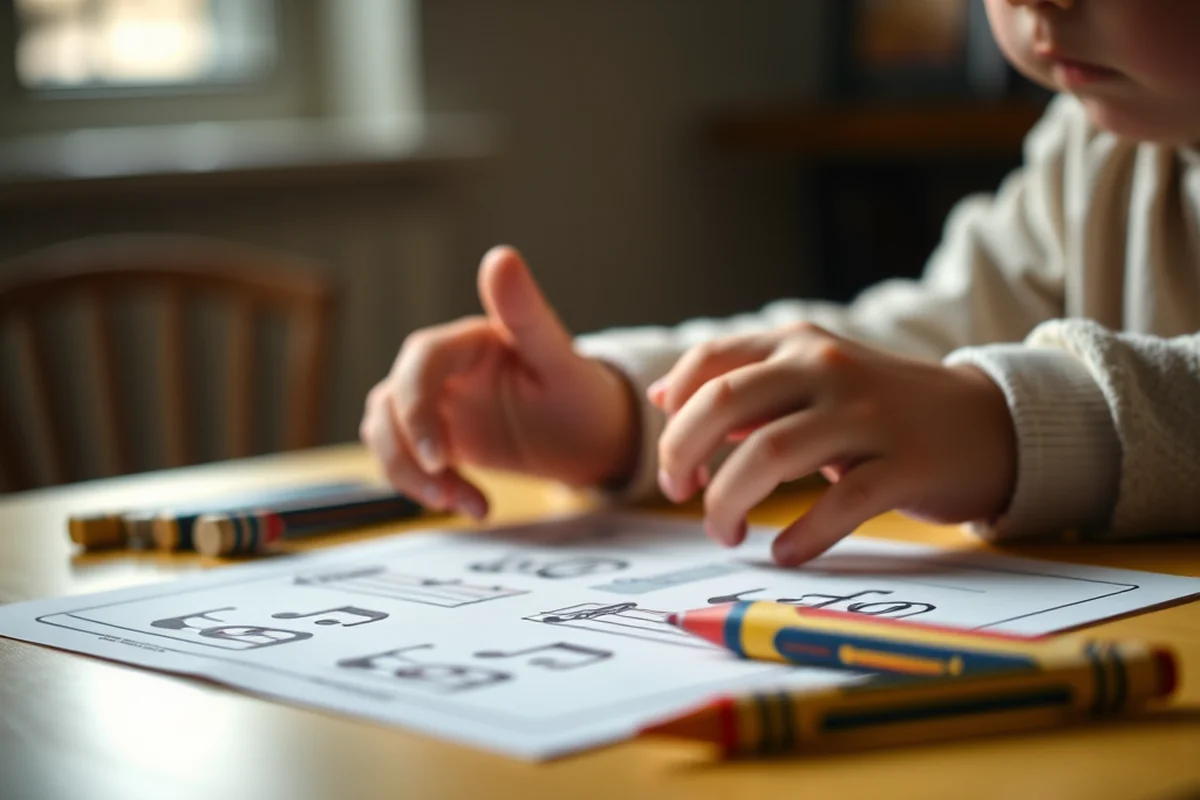
One of the biggest problems with music education is the over-reliance on formal instruction. Schools and parents often assume that music must be taught in a structured, teacher-led setting. This creates a barrier to learning, especially for children who thrive in more exploratory and hands-on environments. I’ve seen this with my daughter, who had a lot of trouble with traditional music lessons that focused heavily on reading sheet music and memorizing pieces. She was frustrated and disengaged, and I realized that the rigid structure wasn’t working for her.
This reliance on formal instruction can also limit a child’s creativity. When music is treated as a subject that must be mastered rather than explored, children may feel pressure to perform rather than to express themselves. I remember how excited my daughter was when she started experimenting with different instruments and sounds on her own—without the pressure of a lesson plan or a grade. That kind of exploration is essential for developing a love of music, and it’s something that can’t be fully captured in a classroom environment.
The fix for this problem with music education is to embrace a more flexible and playful approach. Encouraging children to explore music in their own way—through improvisation, listening, and experimentation—can lead to a deeper connection with the art form. I’ve seen this in action when my daughter plays with her siblings, using household items as instruments and creating their own rhythms. It’s messy, it’s fun, and it’s exactly what music education should be about.
Related: Study Music Focus
Related: Music Education Course
Related: Famous music teachers
Related: What Is Education In Music
The Lack of Cultural Diversity in Music Education
Another major problem with music education is the lack of cultural diversity. Too often, music curricula focus almost exclusively on Western classical traditions, leaving out the rich and varied musical heritage of other cultures. This not only limits a child’s understanding of the world but also fails to represent the full spectrum of musical expression. I realized this when I tried to introduce my daughter to music from different parts of the world, only to find that the resources available were extremely limited. It was as if the rest of the world didn’t have music to offer, which was a disheartening and inaccurate reflection of reality.
This lack of diversity can also make children feel excluded or less connected to the music they are learning. When students only encounter music from a narrow set of traditions, they may not see themselves represented in the curriculum. I’ve noticed this in my own experience—my daughter, who is of mixed heritage, has a deep connection to music from both her parents’ cultures. Those traditions are rarely included in standard music lessons. This is a serious problem with music education that can alienate students and limit their appreciation for the global musical landscape.
The solution to this problem with music education is to actively seek out and incorporate diverse musical traditions. This can be done by using free online resources, attending cultural festivals, or even inviting musicians from different backgrounds to share their music. I’ve started doing this with my daughter, and it’s made a huge difference in her understanding of the world and her appreciation for music from all corners of the globe.
“I still remember the first time I walked into a music classroom with my daughter, only to feel a wave of anxiety wash over me.”— Teaching Music to Homeschoolers editors
Related: Music Teacher
The Neglect of Music in Homeschooling

One of the most surprising problems with music education is how often it’s neglected in homeschooling environments. While many homeschooling parents prioritize subjects like math and reading, music is often an afterthought. This is a mistake, as music education offers a wide range年 of benefits, from improving cognitive skills to fostering emotional expression. I know this firsthand, as I initially overlooked music in my daughter’s education, thinking it wasn’t as important as other subjects. It wasn’t until I saw how much she benefited from learning to play an instrument that I realized how wrong I had been.
This neglect can also lead to a lack of opportunities for children to engage with music in a meaningful way. Without the structure of a school program, it’s easy for music to fall by the wayside. I’ve seen this happen with many homeschooling families, including my own. It took me several months to figure out the right balance between structured learning and creative exploration, and it wasn’t easy. But the result was worth it—my daughter now has a strong foundation in music that I never would have given her if I hadn’t made the effort.
The solution to this problem with music education in homeschooling is to make music a priority from the start. Setting aside time each day for musical activities, whether it’s playing an instrument, listening to different genres, or even dancing, can make a big difference. I’ve learned to integrate music into our daily routine, and it’s helped my daughter grow in ways I never expected.
Related: Is There Music That Helps You Focus
The Overemphasis on Performance
Another common problem with music education is the overemphasis on performance. Many music programs, both in schools and in homes, place a heavy focus on playing pieces for others, whether in recitals, competitions, or school events. This can be a major source of stress for students and can discourage those who are more introverted or who don’t enjoy performing. I saw this with my daughter, who was extremely shy and had a hard time playing in front of others. Despite her talent and dedication, she became anxious and frustrated, and it took a long time for her to feel comfortable again.
This overemphasis on performance can also lead to a narrow view of what music is about. When students are constantly told that the goal is to perform, they may miss out on the joy of creating and exploring music for its own sake. I’ve noticed that when my daughter is given the freedom to play and experiment without the pressure of performing, she becomes more engaged and enjoys the process more. It’s a big difference, and it’s something I wish I had realized earlier.
The fix for this problem with music education is to create a more balanced approach that includes both performance and exploration. Encouraging students to play for their own enjoyment, to experiment with different styles, and to express themselves in their own way can help build confidence and a deeper connection to music. I’ve started doing this with my daughter, and it’s made a huge difference in her attitude toward learning and playing music.
The High Cost of Music Education
One of the most frustrating problems with music education is the high cost. Whether it’s the price of lessons, instruments, or music materials, the financial burden can be significant. I know this all too well—I struggled for months trying to find an affordable way to give my daughter music lessons without breaking the bank. The cost of a private piano teacher alone was prohibitive, and I couldn’t afford to buy her an instrument. It was a real dilemma, and I wasn’t the only one facing it.
This cost can also limit access to music education for many families, especially those with limited financial resources. I’ve spoken with other homeschooling parents who have had the same issue, and it’s a common concern. Without access to affordable resources, many children are left without the opportunity to explore and develop their musical talents. It’s a serious problem with music education that affects families across the board.
The good news is that there are ways to make music education more affordable. Online courses, community programs, and even free resources from libraries and museums can help bridge the gap. I’ve used these to supplement my daughter’s learning, and it’s made a huge difference. By finding the right tools and support, we can ensure that every child has the opportunity to explore and develop their musical talents, no matter their budget.
The Lack of Integration with Other Subjects
One of the less obvious but equally important problems with music education is the lack of integration with other subjects. Music is often taught in isolation, rather than being used as a tool to enhance learning in subjects like math, history, or language. This is a missed opportunity, as music can be a powerful way to engage students and make learning more enjoyable. I’ve seen this with my daughter, who had a hard time understanding fractions in math class. It wasn’t until we started using rhythm and music to explain the concept that she finally grasped it.
This lack of integration can also make music seem less important or relevant to other areas of learning. When students are taught that music is a separate subject that has little to do with their other classes, they may not see its value. I’ve noticed this in my own experience—my daughter used to think that music was just for fun, not for learning. It took some time to show her how deeply music is connected to other subjects, and now she sees the value in it.
The solution to this problem with music education is to integrate it more fully into the curriculum. Using music to teach math concepts, explore historical periods, or even practice language skills can make learning more engaging and meaningful. I’ve started doing this with my daughter, and it’s made a huge difference in her understanding and appreciation of both music and other subjects.
🎹 Beginner Instruments
Introduce your child to a wide range of beginner-friendly instruments like ukulele, recorder, and keyboards.
💃 Music and Movement
Combine music with movement for young children through dance, rhythm games, and interactive music apps.
🎵 No-Prep Music Activities
Enjoy music without any preparation by using online resources, free apps, and spontaneous music exploration.
👥 Group Music Lessons
Join group music classes or workshops to learn with other children and benefit from collaborative learning.
📖 Music and History
Explore different musical traditions and their historical contexts through books, documentaries, and cultural experiences.
| The mistake | Why it happens | The fix |
|---|---|---|
| Assuming that music education is only for those with natural talent. | This is a common misconception that can discourage children from exploring music, even if they have the potential to develop their skills. | Encourage your child to explore music in their own way, and focus on the joy of learning rather than the pressure of talent. |
| Trying to force a rigid structure on music learning. | This can be overwhelming for children and may lead to frustration and disengagement. | Create a more flexible and playful approach that allows your child to explore and express themselves in their own way. |
| Neglecting the importance of cultural diversity in music education. | This can limit your child's understanding of the world and the richness of musical traditions. | Seek out diverse musical resources and include a variety of traditions in your child's learning experience. |
| Overemphasizing performance at the expense of creativity. | This can discourage students who don't enjoy performing and may limit their connection to music. | Create a balance between performance and exploration by encouraging your child to play for their own enjoyment and to express themselves freely. |
Problems With Music Education
Common Questions
How can I make music education more affordable?
What are some ways to integrate music with other subjects?
How can I encourage my child to explore music on their own?
What are some benefits of music education for homeschooling children?
Cite this guide
Teaching Music to Homeschoolers (2026). Problems With Music Education. https://melodystart.com/problems-with-music-education/[3]
Feel free to cite or share this guide.
References
- Booker Reintroduces Resolution Honoring the Legacy, Power, and ... (booker.senate.gov)
- (PDF) Perceptions toward Music Education - Academia.edu (academia.edu)
- Proposition 28—Arts and Music in Schools FAQs (cde.ca.gov)
- Music Education and Its Causal Impact on Student Engagement and ... (arts.gov)
- Music Educators Change Curricula to Meet Kids Where They Are (berklee.edu)