
What Is Formal Music Training
📖 Table of Contents
- Understanding the Basics of Formal Music Training
- The Role of a Music Teacher in Formal Training
- The Benefits of Formal Music Training
- What to Expect in a Typical Lesson
- Setting Realistic Goals in Formal Music Training
- The Importance of Consistency in Formal Music Training
- Choosing the Right Instrument for Formal Training
- Make It Your Way
- Frequently Asked Questions
When my son first sat at the piano bench, I had no idea that what I was watching was the beginning of a lifelong journey. That moment was the first time I truly understood what formal music training meant — it was not just about learning notes or scales, but about developing discipline, focus, and a deep appreciation for art. I remember watching him fumble with the keys and feeling both proud and overwhelmed. That experience taught me that formal music training is a structured, intentional process that goes far beyond what I imagined.
Formal music training involves more than just playing an instrument; it encompasses the study of theory, technique, and performance, all under the guidance of a trained professional. It's the kind of training that transforms a casual hobbyist into a skilled musician, and it requires time, practice, and commitment. I discovered this through my own experience as a parent and by observing the progress of students who had been in lessons for years. It's a journey filled with challenges, but also with moments of pure joy and growth.[1]
What I love most about formal music training is that it can be adapted to almost any age or ability level. Whether your child is a curious toddler with a fascination for rhythm or a teenager with dreams of performing, there's a path that works. I've seen parents struggle with the idea of enrolling their children in lessons, but I've also seen the transformation that happens when they do. Formal music training is not just about learning to play — it's about unlocking a world of creativity, discipline, and self-expression.
Why You'll Love This Approach to Learning Music
- Structured learning that builds long-term skills
- Opportunities for performance and personal growth
- Access to professional guidance and mentorship
- A creative outlet that supports emotional development
Understanding the Basics of Formal Music Training
As of August 2026, at its core, formal music training is about learning through consistent, guided practice. It's not just about playing songs — it's about mastering the fundamentals of music, from reading sheet music to understanding rhythm and harmony. I've seen how this kind of training helps students develop not only their musical skills but also their cognitive and emotional intelligence.[2]
In my experience, students who undergo formal training often show remarkable improvements in concentration, memory, and even language development. It's not just about becoming a better musician — it's about becoming a better learner in all areas of life. The discipline required to practice regularly and perform under pressure is a skill that translates to other academic and personal pursuits.
What I've also noticed is that formal training provides a clear path of progression. Whether you're learning to play the piano or the violin, there are set milestones and goals that help students stay motivated. This structure is especially valuable for young learners who may struggle with staying focused or setting long-term objectives.
Download our printable beginner's guide to formal music training to get started on the right foot. It includes basic exercises, goal-setting templates, and practice schedules.
Part of our Music classes guide.
The Role of a Music Teacher in Formal Training
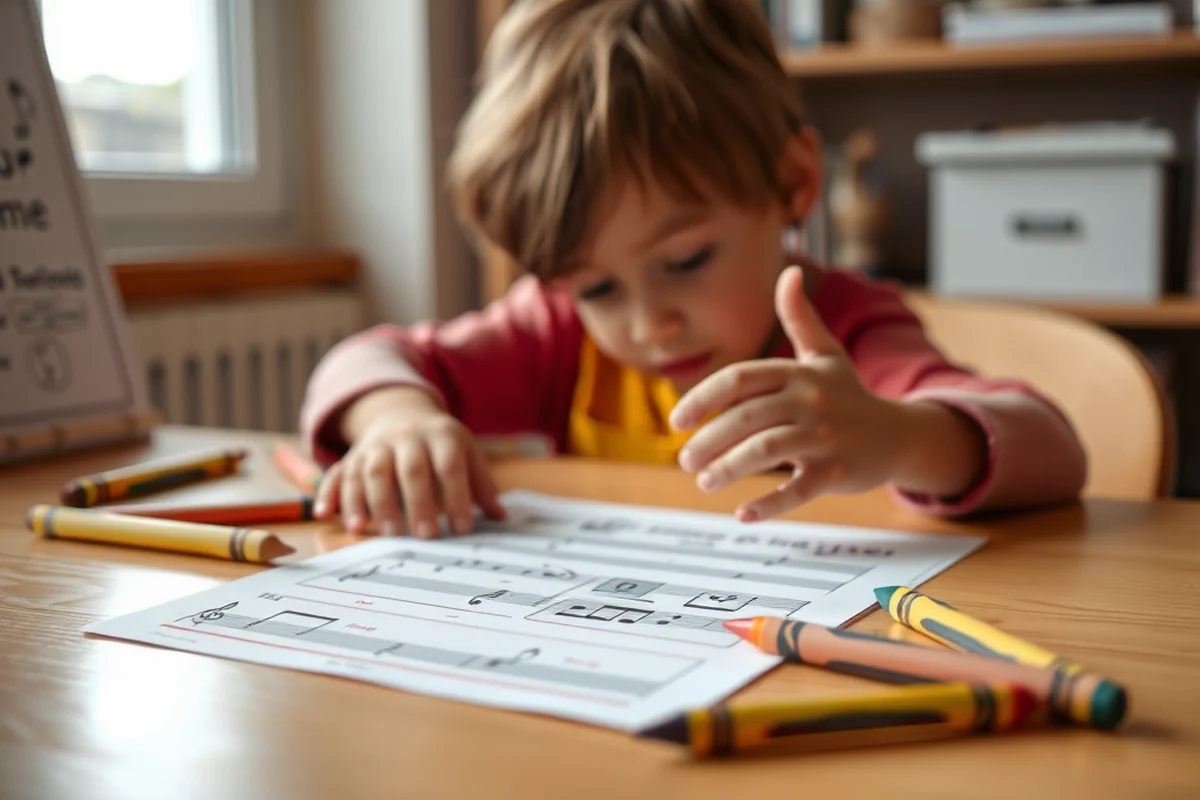
One of the most important aspects of formal music training is the role of the teacher. A skilled instructor can make all the difference in a student's progress and confidence. I've had the pleasure of working with several teachers over the years, and each one has brought a unique approach to their lessons.
The best teachers don't just teach notes and scales — they help students understand the music they're playing. They encourage creativity and provide constructive criticism in a way that builds confidence rather than discourages. This kind of mentorship is critical for students who are just starting out and need a lot of support and encouragement.
In my experience, the relationship between a teacher and a student can be one of the most rewarding parts of formal training. It's not just about learning an instrument — it's about building a lasting connection that supports growth and development.
A great teacher can turn a hesitant student into a confident performer.
Related: Teaching music
Related: Music composition teaching
Related: Music teaching bursary
Related: Music teaching diploma
Related: Music teaching dcu
Related: Music Class For Toddlers Near Me
Related: What Is Interval Training Music
Related: Cloud On Tilt Remix
Related: Kids To Music
Related: Rate Your Music
Related: Top Music Streaming Services
Related: Free Country Music Online
Related: Best Songs To Play On A Guitar
The Benefits of Formal Music Training
Beyond the obvious benefits of learning an instrument, formal music training has a profound impact on a student's overall development. I've seen students who struggled with attention and focus in school improve dramatically after starting lessons. The discipline and structure of practice sessions help build the kind of habits that lead to success in other areas of life.
One of the most rewarding aspects of formal training is the way it helps students express themselves creatively. Music is a powerful form of communication, and through formal training, students learn to convey emotions, stories, and ideas in ways that words alone cannot. This emotional expression is a crucial part of their growth.
In addition to these personal benefits, formal music training also helps students build confidence and self-esteem. Performing in front of others, whether in a recital or a school event, is a valuable experience that teaches students how to handle pressure and succeed in challenging situations.
Keep a practice journal to record your child's progress, set goals, and reflect on their achievements. This can be a powerful motivator and a way to celebrate small victories.
“When my son first sat at the piano bench, I had no idea that what I was watching was the beginning of a lifelong journey.”— Teaching Music to Homeschoolers editors
What to Expect in a Typical Lesson

When I first started taking lessons for my son, I was surprised by how structured and organized each session was. A typical lesson usually begins with a quick review of the previous week's progress, followed by a discussion of the theory behind the music they're working on. This helps students understand the context and meaning behind the pieces they're learning.
After theory, the lesson moves into practice. This is where students work on specific exercises, scales, or pieces. The teacher provides feedback and guidance, helping them correct mistakes and improve their technique. This hands-on approach is essential for building muscle memory and developing proper playing habits.
The final part of the lesson is usually dedicated to performance preparation. Whether it's a recital or a simple in-class performance, students are encouraged to practice performing in front of others. This helps build confidence and prepares them for the real-world challenges of performing.
Setting Realistic Goals in Formal Music Training
One of the most common mistakes I've seen parents make is setting unrealistic expectations for their children. It's important to remember that progress takes time, and every student learns at their own pace. Setting realistic goals helps students stay motivated and focused on their long-term development.
In my experience, the best way to set goals is to break them down into smaller, achievable milestones. For example, instead of expecting a student to master a difficult piece in a week, focus on mastering a specific section or technique first. This approach helps students build confidence and avoid burnout.
Goal-setting is also an excellent way to keep track of progress and celebrate small victories. Whether it's mastering a new scale or performing a piece for the first time, these small achievements are worth recognizing and celebrating.
The Importance of Consistency in Formal Music Training
One of the most important lessons I've learned about formal music training is the importance of consistency. It's not enough to practice once a week or only when you feel like it — regular, consistent practice is what leads to real progress.
I've seen students who practice sporadically struggle to improve, while those who commit to a regular practice schedule make steady, measurable progress. The key is to find a time that works for your family and stick to it. Even 20 minutes a day can make a difference.[3]
Consistency also helps build discipline and routine, which are essential for long-term success. When students know they have a set time each day to practice, they're more likely to stay focused and make the most of their training.
Consistency is the key to mastery — not just in music, but in life.
Choosing the Right Instrument for Formal Training
One of the first decisions parents face when enrolling their child in formal music training is choosing the right instrument. This decision can have a lasting impact on a student's interest and motivation. I've seen students who chose an instrument they were passionate about stay engaged and committed for years.
When helping my son choose an instrument, I considered his interests and personality. He loved rhythm and had a natural talent for playing the piano. This made it an easy decision for us, but not all parents have the same experience. It's important to choose an instrument that matches a child's interests and abilities.
In some cases, students may not know what instrument they want to play. This is where a trained teacher can be invaluable. They can help students explore different instruments and find the one that feels right. This kind of guidance ensures that students start on the right foot and stay motivated.
🎹 Younger Kids (Ages 3-6)
Introduce music through games, songs, and playful activities that build rhythm and interest in music.
🎻 Older Kids (Ages 7-12)
Focus on structured lessons that build technical skills and encourage performance through recitals and group activities.
🎵 No-Prep Version
Use free online resources and apps to learn music theory and basic playing techniques without any upfront cost.
👥 Group Version
Join a group class to learn with peers, share ideas, and perform together in a supportive environment.
🎼 Extension for Advanced Students
Explore advanced techniques, composition, and performance opportunities to take your musical journey to the next level.
| The mistake | Why it happens | The fix |
|---|---|---|
| Not practicing consistently | Irregular practice can lead to frustration and slow progress, making it difficult to see results. | Set a regular practice schedule and stick to it. Even 15 minutes a day can make a difference. |
| Choosing the wrong instrument | An instrument that doesn't match a student's interests or abilities can lead to disengagement and lack of motivation. | Take time to explore different instruments and consult with a teacher to find the best fit for the student. |
| Skipping theory lessons | Music theory is essential for understanding and mastering an instrument. Skipping it can hinder progress and limit the student's ability to play complex pieces. | Make sure to include theory in every lesson. It's a foundational part of formal training and should not be overlooked. |
| Setting unrealistic expectations | Setting goals that are too high or too fast can lead to burnout and discourage the student from continuing. | Set achievable, incremental goals that focus on small, measurable progress. Celebrate each milestone along the way. |
What Is Formal Music Training
Common Questions
How long does it take to see progress in formal music training?
What are the different levels of formal music training?
Can formal music training be done at home without a teacher?
How can I help my child stay motivated during formal training?
Cite this guide
Teaching Music to Homeschoolers (2026). What Is Formal Music Training. https://melodystart.com/what-is-formal-music-training/[4]
Feel free to cite or share this guide.
References
- Pro-Social Parents Sing More to Their Infants and, By Doing So ... (arts.gov)
- Deborah Greenblatt - Nebraska Arts Council (artscouncil.nebraska.gov)
- Music Education, Prek-12 - Arizona Department of Education (azed.gov)
- Music Education: Conservatory of the Performing Arts - Biola ... (biola.edu)