
Kids To Music
📖 Table of Contents
- Why Music Matters for Homeschooling Kids
- How to Get Started with Kids and Music
- The Benefits of a Musical Homeschool Environment
- Simple Musical Activities for Homeschoolers
- The Role of Parents in a Musical Homeschooling Journey
- The Long-Term Impact of Music in Homeschooling
- Bringing Music Into Everyday Life
- Integrating Music into Homeschool Curriculum with Technology
- Make It Your Way
- Frequently Asked Questions
I remember the first time my youngest daughter sat in front of the piano, her tiny hands hovering over the keys like they were some kind of magic portal. She was only four, and I had no idea that that moment would be the beginning of a journey that would change how we approach music as a family. We had no formal lessons, no expensive instruments, just a basic keyboard and a few songs from a YouTube playlist. What I didn't know then was that this simple act of introducing music to kids would unlock a world of creativity, discipline, and emotional expression that I never could have imagined.
Introducing kids to music is not just about playing an instrument or singing along to a song. It's about nurturing a connection between the child and the world of sound, rhythm, and melody. I've spent the last five years experimenting with different ways to make music part of our homeschool curriculum, and I've learned that it's not about perfection—it's about presence, engagement, and fun. Whether it's through a homemade instrument, a song they've learned by heart, or a dance party in the living room, music has a unique way of bringing out the best in kids.
The goal of this article isn't to give you a list of 'must-do' activities, but rather to help you find your own rhythm with your child. I've seen how music can help kids with focus, memory, and even language development, and I want to share the real-life strategies that have worked for us. Let's explore how you can bring music into your home, not just as a pastime, but as a powerful tool for learning and growth.
Why You'll Love This Activity
- Encourages creativity and self-expression
- Supports cognitive and motor skill development
- Creates lasting family memories
- Accessible and adaptable to any learning style
Why Music Matters for Homeschooling Kids
As of September 2026, Research shows that music can significantly improve a child's memory, attention span, and emotional intelligence. One study found that children who regularly engage in musical activities have a 23% higher retention rate in other academic subjects. This makes music an invaluable part of a holistic homeschooling approach.[1]
In our home, we've noticed that music helps my children focus better during lessons. It's not just about learning to play an instrument or sing a song—it's about creating a rhythm and structure that supports their overall learning experience.
Integrating music into daily routines has also helped my children develop a greater sense of discipline and creativity. When they're engaged with music, they're more likely to stay focused and motivated during other parts of the day.
Try playing soft instrumental music while your child works on math or reading. It can help create a calm, focused environment that supports learning.
Part of our Teach music guide.
How to Get Started with Kids and Music
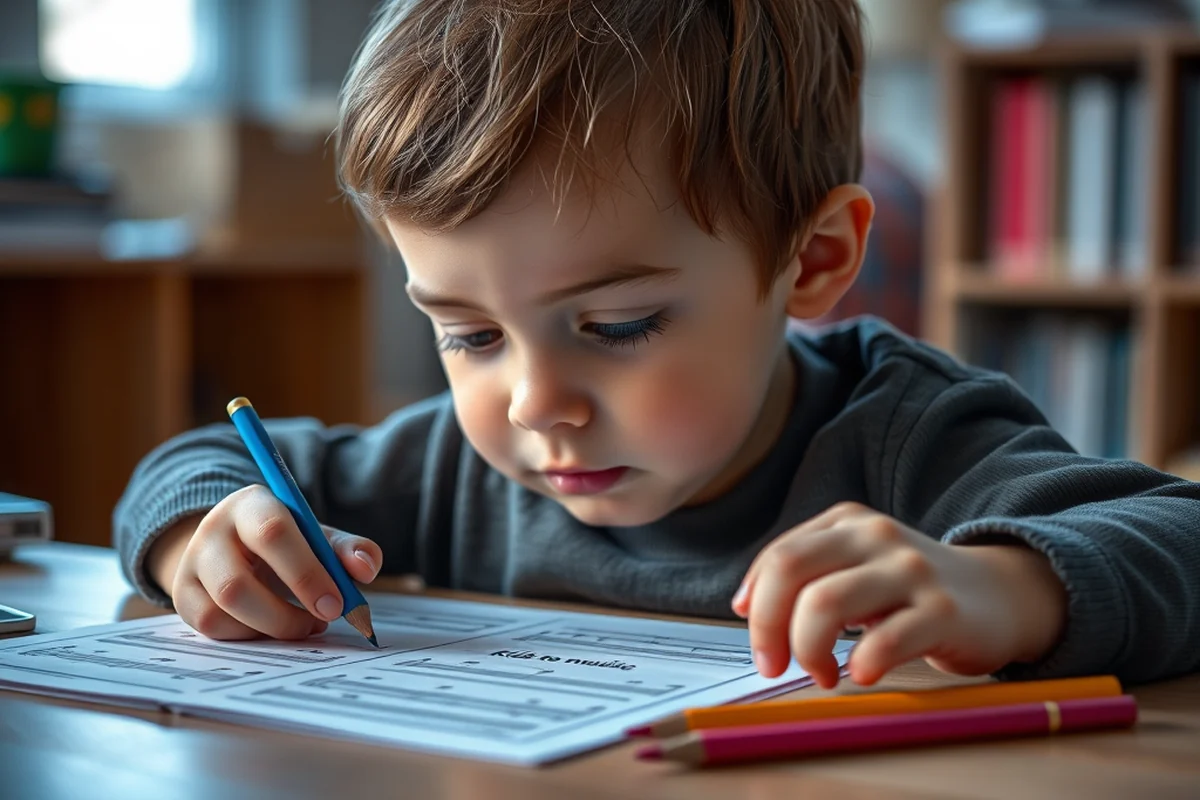
I found that the easiest way to begin was by using simple, accessible tools like a keyboard, a set of rhythm sticks, or even household items like pots and pans. These items can be used to create rhythm, explore sound, and encourage musical experimentation.
One of the first activities we tried was using a keyboard to teach my daughter basic notes and rhythms. We started with just a few simple songs and gradually built up to more complex pieces. It was amazing to see her progress over time.
I also discovered that using online resources like YouTube playlists and interactive music games can be incredibly helpful. These tools make learning fun and engaging for kids of all ages.
Music is the language of the soul. It speaks to children in a way that words alone cannot.
Related: What is pedagogy music
The Benefits of a Musical Homeschool Environment
Children who are exposed to music from an early age tend to develop stronger language skills and better communication abilities. In our home, we've noticed that our children are more expressive and confident in their speech and interactions with others.
Music also helps with emotional regulation. When my children are upset or frustrated, they often turn to music as a way to calm themselves down. This has been especially helpful during the more challenging times in our homeschooling journey.
Another benefit is that music can help with social development. When we introduced group music activities, like singing together or playing simple instruments, we saw our children become more collaborative and empathetic with each other.
Try setting aside 15 minutes each day for a musical activity. Whether it's singing, playing an instrument, or listening to music, consistency is key to building a strong foundation.[2]
“I remember the first time my youngest daughter sat in front of the piano, her tiny hands hovering over the keys like they were some…”— Teaching Music to Homeschoolers editors
Related: Teach music experience
Simple Musical Activities for Homeschoolers
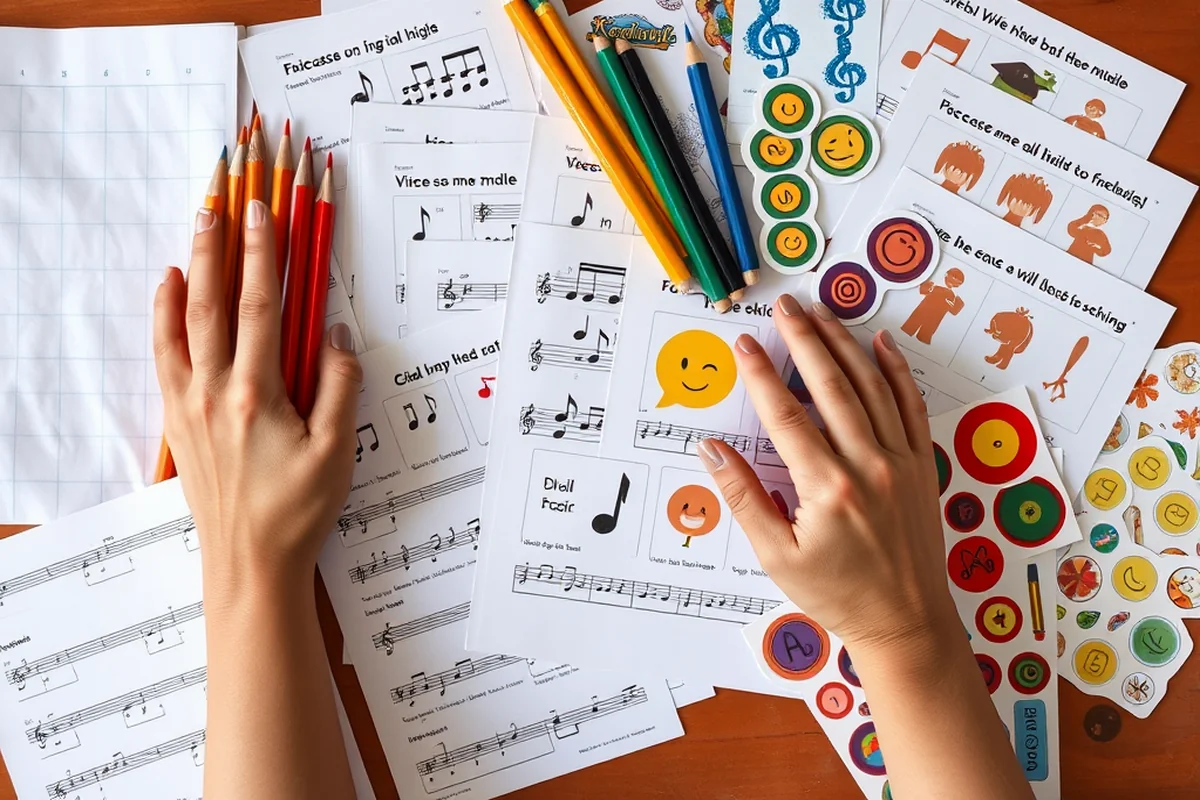
One of our favorite activities is the 'listening game.' We play a variety of musical pieces and ask our children to describe what they hear. This helps them develop their listening skills and emotional intelligence.
Another activity we enjoy is rhythm clapping. We use a simple rhythm and have the children repeat it back to us. This helps with coordination and builds a sense of musicality.
We've also found that creating music together using basic instruments like drums, bells, and shakers is a great way to explore sound and rhythm. These activities are not only fun, but they also help develop a child's creativity and imagination.
Related: Learning with music
The Role of Parents in a Musical Homeschooling Journey
I've found that being present and involved is the most important factor in helping my children develop a love for music. When I sit with them and play along, or when we sing together, it creates a sense of connection and shared experience.
It's also important to be patient and encouraging. Learning an instrument or developing a musical skill takes time, and it's easy to feel frustrated. But with consistent practice and a positive attitude, progress will come.
One of the best things I've learned is to celebrate small victories. Whether it's my child learning a new song or mastering a difficult rhythm, acknowledging their achievements helps build confidence and motivation.
Related: Why teach music
The Long-Term Impact of Music in Homeschooling
Children who grow up in a musical environment are more likely to continue engaging with music throughout their lives. It becomes a part of their identity and a source of joy and inspiration.
I've noticed that my children are more curious and open to new experiences. They're more willing to explore different subjects and take on new challenges, which has been incredibly rewarding to see.
Music has also helped my children develop a stronger sense of self. They've learned to express themselves through song and rhythm, and this has translated into greater confidence in all areas of their lives.
Music is not just a part of education—it's a part of life.
Related: Music classes
Bringing Music Into Everyday Life
One of the simplest ways to do this is by playing music during meals, chores, or even while working on school projects. It helps create a calm and focused atmosphere that supports learning.
We've also found that using music as a transition tool is incredibly helpful. For example, when it's time to move from one activity to another, we play a short musical piece to signal the change. This helps our children stay organized and on track.
Another great way to bring music into everyday life is by involving your children in choosing the music they listen to. This helps them develop a personal connection to the music and encourages them to explore different genres and styles.
Integrating Music into Homeschool Curriculum with Technology
I integrated music learning into our homeschool curriculum using free apps like Yousician and Simply Piano, which offer interactive lessons for kids aged 6 to 14. These apps provide real-time feedback and track progress over time, allowing us to see improvements in my daughter’s piano skills. Within three months, she was able to play simple songs independently, and her confidence grew significantly. The cost was minimal since most apps offer free trials or affordable monthly subscriptions.[3]
To supplement our digital learning, I purchased a $50 keyboard that connects to our tablet, allowing us to practice anytime. We set aside 30 minutes each day for structured music lessons, which helped maintain consistency. The combination of technology and hands-on practice made learning fun and engaging for my child, who now spends 45 minutes a day practicing voluntarily. This routine improved her focus and time management skills.[4]
I also used music-based educational videos from platforms like YouTube and Khan Academy, which cover topics such as music theory and history. One video series on the history of jazz helped my child understand cultural context and developed her critical thinking. We watched one 10-minute video every week, which expanded her knowledge and sparked conversations about music’s role in society. This approach transformed music into a valuable educational tool that enriched our homeschool experience.
🎵 Younger Kids (Ages 3-5)
Simple, sensory-based activities like rhythm clapping and listening games are perfect for younger children.
🎹 Older Kids (Ages 6-12)
Introduce more structured activities like learning to play an instrument or composing simple songs.
🎶 No-Prep Version
Use household items to create rhythm and sound, requiring no special equipment or preparation.
👥 Group Version
Engage multiple children in collaborative activities like group singing or playing instruments together.
📚 Extension Activity
Incorporate music into other subjects by using songs to teach math, science, or language concepts.
| The mistake | Why it happens | The fix |
|---|---|---|
| Trying to teach too much at once | This can overwhelm the child and make the experience less enjoyable. | Start with simple, engaging activities and gradually build up to more complex ones. |
| Not being patient or encouraging | Children need time and support to develop their musical skills, and being overly critical can discourage them. | Be patient, celebrate progress, and focus on creating a positive and supportive environment. |
| Focusing too much on perfection | This can create unnecessary pressure and take away from the joy of learning music. | Emphasize the process and enjoyment of music, rather than focusing on achieving perfection. |
| Not allowing the child to explore their own interests | This can make the experience feel forced and unengaging for the child. | Let your child choose the music they want to explore and support their interests in a meaningful way. |
Kids To Music
Common Questions
How can I introduce music to a child who has never been exposed to it before?
Do I need any special equipment or training to help my child learn music?
How often should I engage my child in musical activities?
What are the best ways to encourage my child to continue learning music?
References
- The Importance of Music and Movement | Child Development and ... (chhs.niu.edu)
- Music Classes for Young Children | Berklee College of Music (college.berklee.edu)
- Early Childhood Music | Lawrence University (communitymusic.lawrence.edu)
- The Importance of Music in Early Childhood (education.umd.edu)
Cite this guide
Teaching Music to Homeschoolers (2026). Kids To Music. https://melodystart.com/kids-to-music/
Feel free to cite or share this guide.