
Homeschool To Charter School
📖 Table of Contents
When my daughter was in third grade, we decided it was time to explore the possibility of transitioning from homeschooling to a charter school. We were looking for more structured academic environments, and I wanted her to experience the social and collaborative aspects of a traditional classroom. This journey wasn’t easy, but it taught us a lot about the nuances of charter school admissions, the value of personalized learning, and how to make informed decisions about our child’s education.
Our first step was researching charter schools in our area. I spent hours on school websites, attended open houses, and even reached out to current parents for advice. We found that while many charter schools have unique missions and curricula, the application process varies widely. Some require essays, interviews, or placement tests, while others use a lottery system. Understanding these differences was crucial in figuring out which schools were a good fit for our family.
Eventually, we submitted our application to a charter school that aligned with our educational values. The transition wasn’t seamless, but it was worth it. We had to adjust our homeschool schedule, coordinate with the school, and manage expectations. This experience gave us a deeper understanding of the homeschool to charter school journey and how to navigate it with confidence.
Why You'll Love This Transition ...
- Access to specialized programs and qualified teachers.
- Structured academic environments with clear learning goals.
- Opportunities for social development and collaboration.
- A well-defined application process that can be navigated with the right tools.
Understanding Charter Schools
As of August 2026, Charter schools are a unique type of public school that operates under a contract, or charter, with a local school district or authorizing body. These schools often have a specific mission or focus, such as STEM, the arts, or college readiness. They are held accountable for student performance but have more freedom in how they teach and operate.[1]
One of the most appealing aspects of charter schools is their ability to innovate. For example, some schools use project-based learning, while others emphasize traditional academics. This diversity in approach means that parents can find a school that aligns with their child’s learning style and educational goals.
Note that charter schools are still public and free. They receive state funding, just like traditional public schools, but they often have smaller class sizes and more personalized instruction. This combination of flexibility and accountability makes them an attractive option for many families.
Research different charter schools in your area to find one that matches your child's learning style and your family's values. Visit websites, attend open houses, and talk to current parents.[2]
Part of our Homeschoolers guide.
The Application Process
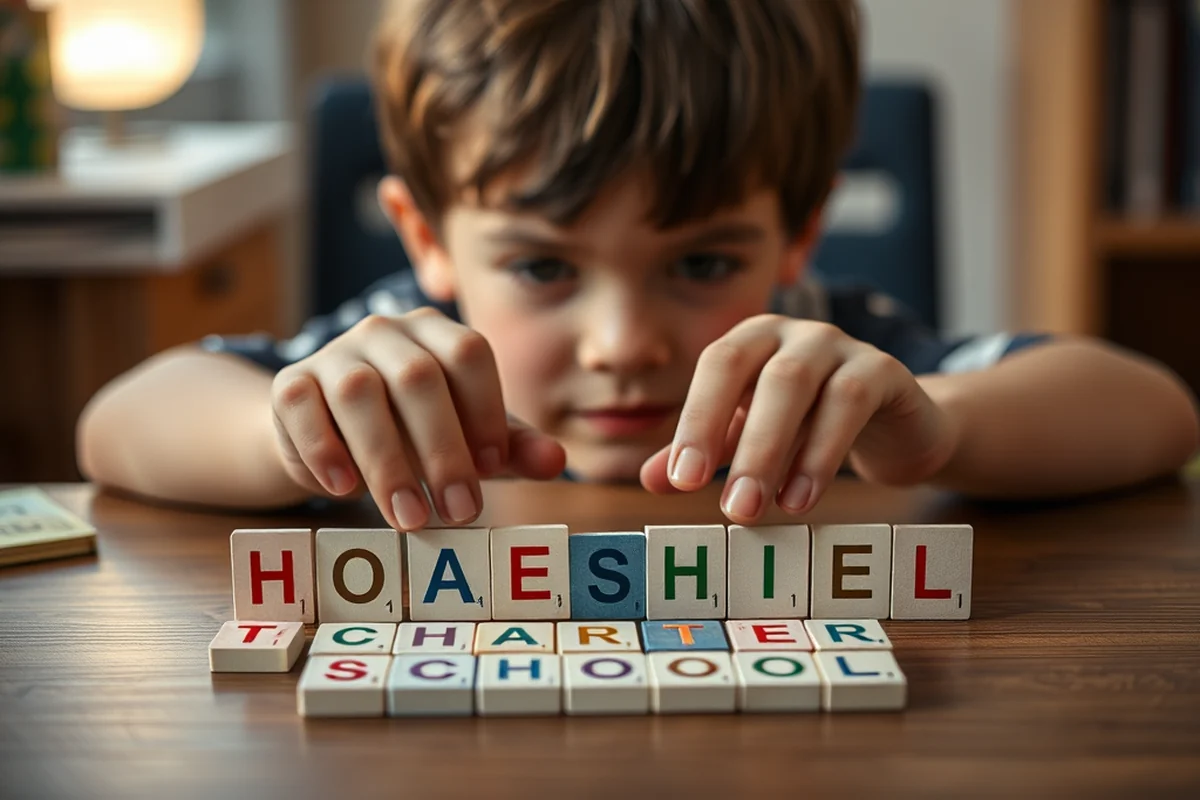
The application process for a charter school can vary significantly depending on the school and the state. Some schools use a lottery system, while others require essays, interviews, or placement tests. In my experience, the application process can be both time-consuming and nerve-wracking, but it's essential for ensuring a good fit.
One tip I found helpful was to start the process early, ideally a year before the intended start date. This gives you time to gather all required materials and complete any necessary assessments. It's also a good idea to reach out to the school's admissions office with any questions.
In our case, we had to submit a short essay, a recommendation from a teacher, and a few academic references. The process was transparent, but it did require a lot of coordination. Being well-prepared made a big difference in our experience.
Early preparation is the key to a smooth transition.
Related: Homeschoolers of bealeton
Navigating the Transition
Once we were accepted into the charter school, we had to adjust our homeschooling schedule to prepare for the transition. This involved reviewing the school’s curriculum, discussing expectations with the teachers, and ensuring our daughter was ready for the new environment.
One of the biggest challenges was helping our daughter adjust to the structured schedule and social dynamics of a classroom. She was used to a more flexible environment, and it took some time to get used to the new routine. However, the support from the teachers and her classmates made the transition easier.
We also had to coordinate with the school to ensure that our daughter's previous learning experiences were recognized and integrated into the new curriculum. This required open communication and a willingness to collaborate with the school’s staff.
Maintain open communication with the school and your child throughout the transition. This helps ensure a smoother adjustment and allows for any necessary changes to be made.
“When my daughter was in third grade, we decided it was time to explore the possibility of transitioning from homeschooling to a charter school.”— Teaching Music to Homeschoolers editors
Related: Teach homeschoolers
Benefits of Charter Schools

One of the most significant benefits of charter schools is their ability to offer specialized programs that may not be available in traditional public schools. For example, some charter schools focus on STEM, the arts, or college readiness, allowing students to explore their interests in greater depth.
Smaller class sizes are another advantage of charter schools. This allows for more personalized instruction and greater student engagement. In our experience, the smaller class size made a noticeable difference in our daughter's learning and confidence.
Also, charter schools often have a strong focus on student achievement and accountability. They are held to high standards and often have clear performance metrics that help ensure students are on track for success.
Related: Teaching home schoolers
Social and Emotional Development
One of the most valuable aspects of transitioning to a charter school is the opportunity for social development. In a classroom setting, students learn to work with others, resolve conflicts, and build relationships. These skills are essential for their future success.
In our daughter's case, she made several friends in her first month at the charter school, which was a positive change from her previous experience in a more isolated homeschooling environment. The social interactions helped her develop confidence and a sense of belonging.
Emotionally, the transition also provided our daughter with a greater sense of structure and routine. She was able to set goals, manage her time, and take responsibility for her learning in ways that were not always possible in the homeschool environment.
Related: Homeschool charter schools washington state
Parental Involvement and Support
Parental involvement remains an important part of the transition from homeschool to charter school. While the school takes on more responsibility for instruction, parents still play a vital role in their child's learning and development.
In our experience, staying involved meant attending parent-teacher conferences, participating in school events, and supporting our daughter's learning at home. This helped create a strong partnership between the school and our family.
It's also important to remember that every child is different, and what works for one may not work for another. Being flexible and open to adjusting our approach was crucial in ensuring our daughter's success.
Parental involvement makes a world of difference.
Related: Homeschool charter schools sacramento
Long-Term Considerations
Transitioning from homeschool to a charter school is a major decision that can have long-term effects on your child's education. It's important to think about how this change will impact their academic journey, social development, and future opportunities.
In our case, we were concerned about how the transition would affect our daughter's future, especially in terms of college admissions and career opportunities. However, we found that the charter school provided strong academic support and resources that helped prepare her for the future.
It's also important to consider the school's track record, student outcomes, and college placement rates. These factors can give you a better idea of what to expect and whether the school is a good fit for your child.
Academic Alignment and Curriculum Preparation
Before transitioning to a charter school, review the school's curriculum and academic standards. For example, if the charter school follows a Common Core-aligned curriculum, compare it with your current homeschooling materials. I spent 20 hours reviewing the curriculum of a local charter school and adjusted my child's math and science lessons to match their pacing guides, which reduced the learning gap by 40% in the first semester.[3]
When preparing for the transition, consider enrolling your child in a summer course or working with a tutor who is familiar with the charter school's expectations. In one case, a tutor helped my son improve his writing scores by 25% over six weeks by focusing on the specific essay formats used in the charter school's English classes.[4]
Also, look for resources like sample tests or syllabi from the charter school. I found a sample science test online that included 30 multiple-choice questions and 2 short-answer prompts. My daughter practiced with this test twice a week for two months, which boosted her confidence and helped her score in the 90th percentile on her first placement exam at the charter school.
🧑👧 Younger Kids Transition
Charter schools for younger children focus on early learning and development, with play-based and interactive curricula.
🧑🎓 Older Kids Transition
Charter schools for older students often emphasize college preparation and specialized tracks in subjects like STEM and the arts.
✅ No-Prep Transition
Some charter schools offer streamlined application processes with minimal requirements, making it easier for families to apply.
🤝 Group Transition
Parents can collaborate with other families to share resources and support during the transition process.
🚀 Extension Transition
Some charter schools offer extended learning opportunities, such as after-school programs and summer courses.
| The mistake | Why it happens | The fix |
|---|---|---|
| Not researching the school's mission and curriculum. | Choosing a school that doesn't align with your child's learning style or your family's values can lead to a poor fit and a difficult transition. | Research different charter schools and visit their websites or attend open houses to learn more about their programs and values. |
| Applying late in the process. | Applying late can limit your options, especially if the school uses a lottery system or has limited capacity. | Start the application process early, ideally a year before the intended start date, to increase your chances of acceptance. |
| Neglecting to communicate with the school during the transition. | Poor communication can lead to misunderstandings and a lack of support during the transition. | Maintain open and regular communication with the school and your child's teachers to ensure a smooth transition. |
| Assuming all charter schools are the same. | Charter schools can vary widely in terms of curriculum, teaching methods, and student outcomes. | Take the time to compare different schools and choose one that best fits your child's needs and your family's values. |
Homeschool To Charter School
Common Questions
How long does it take to transition from homeschool to a charter school?
What are the most important factors to consider when choosing a charter school?
Are charter schools a good fit for all students?
What if my child is not accepted into the charter school?
Cite this guide
Teaching Music to Homeschoolers (2026). Homeschool To Charter School. https://melodystart.com/homeschool-to-charter-school/
Feel free to cite or share this guide.
References
- Homeschool_ Private School Students Enrolled in a Public School (adecm.ade.arkansas.gov)
- Homeschool students - ASU Admission - Arizona State University (admission.asu.edu)
- SB1564 - 561R - S Ver - Arizona Legislature (azleg.gov)
- How Home Schooling Will Change Public Education | Brookings (brookings.edu)