
Homeschool To Go
📖 Table of Contents
- What Is 'Homeschool To Go'?
- Why 'Homeschool To Go' Works for Kids
- How to Start 'Homeschool To Go'
- The Best 'Homeschool To Go' Activities
- Making the Most of 'Homeschool To Go' Time
- The Power of Spontaneity in Learning
- The Long-Term Benefits of 'Homeschool To Go'
- The Role of Community in 'Homeschool To Go'
- Make It Your Way
- Frequently Asked Questions
When my daughter asked me if we could 'learn on the go,' I didn't know how to answer. It was a sunny afternoon, and we were stuck in a carpool line for an hour while waiting for her friends to arrive. I realized that learning didn't have to be confined to a classroom or a rigid schedule. That's when I stumbled upon the idea of 'homeschool to go'—a way to make education flexible, fun, and accessible no matter where we were.
The concept of 'homeschool to go' is more than just an idea; it's a lifestyle. It's about turning every moment into a learning opportunity. Whether we were on a road trip, in the grocery store, or even waiting for a friend at the park, I discovered that learning could be woven into the fabric of our daily lives. The key was to be intentional, creative, and ready with tools that made education feel like play.
Since then, I've tested and refined this approach with my family, and I've seen it work for others too. 'Homeschool to go' isn't just about convenience—it's about freedom. It gives kids the chance to learn in ways that align with their interests, their rhythms, and their world. If you're looking for a way to make homeschooling more dynamic, more flexible, and more engaging, this is the journey I invite you on.
Why You'll Love This Approach
- Turn everyday moments into learning opportunities
- Keep education flexible and fun for your child's lifestyle
- No need for a dedicated classroom or rigid schedule
- Engage your child's curiosity wherever you are
What Is 'Homeschool To Go'?
As of August 2026, it's the idea of making learning possible in any setting—whether you're waiting in line, traveling, or even during a meal. I've found that the most effective 'homeschool to go' moments are those that are spontaneous, interactive, and tailored to your child's current interests.
For example, while waiting at a restaurant, we used a printable map to practice geography by pointing out different countries. We turned car rides into vocabulary lessons by asking our kids to describe what they saw outside the window. These were real, unscripted learning moments that felt natural and fun.
The beauty of 'homeschool to go' is that it doesn't require a lot of planning or resources. It's about using what you have, when you have it, and making the most of it. It's learning in motion, and it's a great way to keep kids engaged and curious no matter where you are.
Grab a printable activity, a book, or even a smartphone. Learning can happen with just a few simple tools.
Why 'Homeschool To Go' Works for Kids
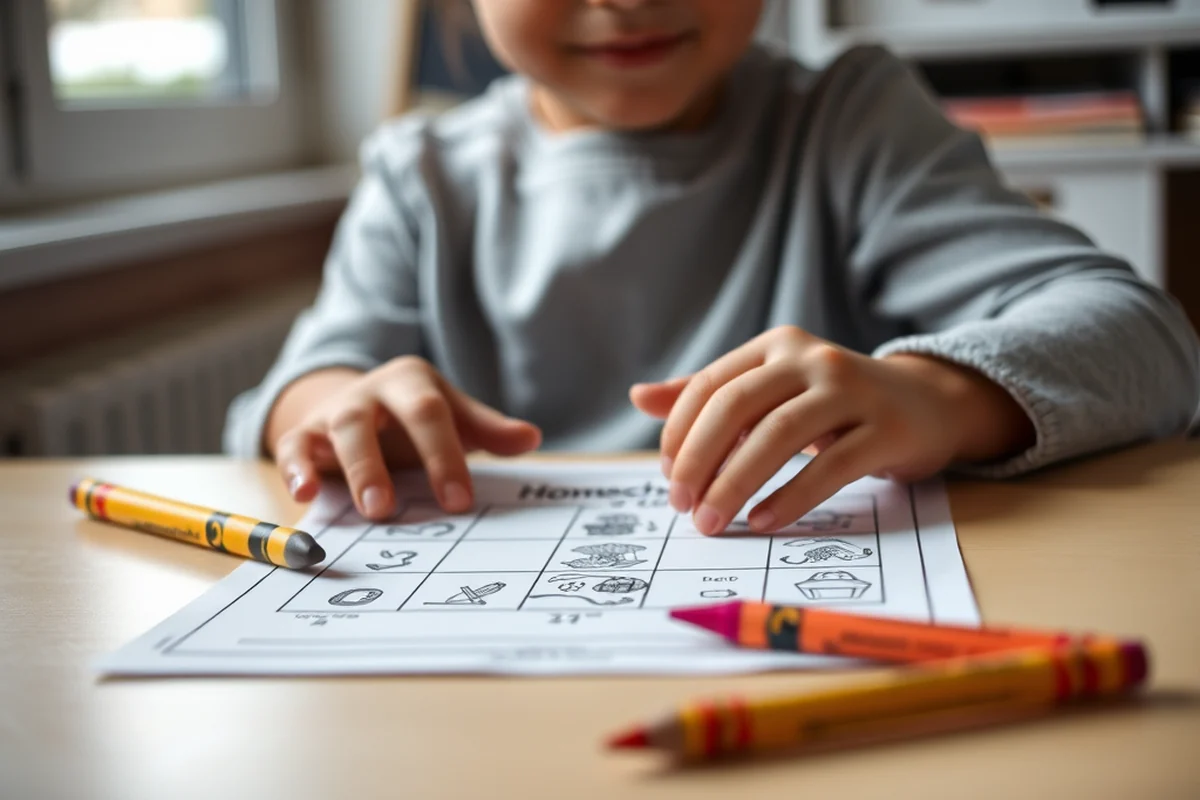
Children thrive when learning is woven into their routines and interests. I've noticed that my daughter is more excited to learn when it's connected to her current passions—whether that's dinosaurs, music, or art. 'Homeschool to go' allows that kind of personalized learning to happen anywhere, anytime.
One of the biggest advantages I've found is that it reduces the pressure of traditional homeschooling. There's no need for a rigid schedule, and no need to feel guilty if the lesson doesn't go perfectly. Learning becomes more about curiosity and less about correctness.
The flexibility of this approach means that my child is more likely to stay interested and motivated. She's learning, yes—but she's also having fun, and that's a huge win.
Learning that fits into life doesn't feel like a chore.
Related: Back to homeschool ideas 2
Related: How to homeschool indiana
Related: How to homeschool charlotte mason
How to Start 'Homeschool To Go'
I recommend starting with a simple audit of your daily routine. Look for times when you're waiting, traveling, or doing something simple together. These are all potential 'homeschool to go' moments. For example, I turned our morning walk into a nature scavenger hunt, and our grocery shopping trips into counting and reading practice.
Once you've identified potential learning moments, create a small toolkit of printable activities, books, or even simple games that can be used in those situations. I keep a folder with pre-printed flashcards and activity sheets in the car, and I've seen how much my daughter enjoys using them on the go.
Don't overthink it. 'Homeschool to go' is about making learning fun and accessible, not about perfection. Start small, and let the learning unfold naturally with your child.
Look for moments in your routine that can be turned into learning opportunities, and use them.
“When my daughter asked me if we could 'learn on the go,' I didn't know how to answer.”— Teaching Music to Homeschoolers editors
Related: Is homeschooling really worth it
Related: Can anyone teach homeschool
Related: Homeschooling with dyslexia
The Best 'Homeschool To Go' Activities

One of my favorites is the 'word hunt' game, where we look for words on signs, in books, or even on restaurant menus. We also use printable flashcards for vocabulary and math practice. These activities are easy to set up and don't require much time or materials.
Another great activity is the 'observation walk,' where we take a short walk and practice identifying shapes, colors, and patterns in the environment. I've found that these kinds of activities are perfect for younger learners and can be adapted for different ages.
I've also used music and rhymes to help with learning, especially for younger kids. We sing along to educational songs in the car, and it's a fun way to reinforce concepts like the alphabet or counting.
Related: Is homeschooling worth it
Related: Homeschooling teacher id
Related: Homeschool to college
Making the Most of 'Homeschool To Go' Time
When I'm on the go with my kids, I make a point to stay fully present and engaged. Whether we're waiting for an appointment or traveling, I use that time to ask questions, explore concepts, or even play a quick game. This keeps learning alive and makes it feel natural.
I've also found that having a few go-to activities or prompts is helpful. For example, I keep a small notebook with questions and prompts that I can use during these moments. It helps me stay focused and ensures that we're using our time effectively.
Another tip is to let your child lead the learning. If they're interested in a certain topic, follow their curiosity. This makes learning more meaningful and more enjoyable for them.
Related: Intent to homeschool form florida
Related: To do homeschooling
The Power of Spontaneity in Learning
One of the most powerful aspects of 'homeschool to go' is the element of spontaneity. When learning is unplanned, it often feels more authentic and engaging. For instance, I once turned a trip to the park into a science lesson about plants and insects, and my daughter was completely captivated.
I've noticed that my child is more curious and eager to learn when she doesn't feel like she's following a strict lesson plan. Spontaneity allows for exploration and creativity, which are key to meaningful learning.
I've also found that these spontaneous moments often lead to deeper learning than structured lessons. When a child is genuinely interested in a topic, they're more likely to retain the information and apply it in new ways.
Spontaneity turns learning from a task into an adventure.
Related: Back to homeschool ideas
Related: Teachers for homeschooling
The Long-Term Benefits of 'Homeschool To Go'
Over time, I've noticed that my daughter has developed a greater curiosity and love for learning. She's more likely to ask questions, explore new topics, and take initiative in her own learning. This kind of intrinsic motivation is one of the greatest gifts of 'homeschool to go'.
I've also seen a shift in her attitude toward learning. Instead of viewing it as something she has to do, she now sees it as something she gets to do. This change in mindset has made a huge difference in her engagement and enthusiasm.
The long-term benefits of this approach are hard to quantify, but I see them in the way my daughter interacts with the world. She's more confident, more curious, and more willing to take on new challenges. That's the kind of lifelong learning I want for her.
The Role of Community in 'Homeschool To Go'
Building a network of like-minded families can transform the experience. I joined a local co-op where we met weekly to share resources, teach each other’s kids, and collaborate on field trips. One mom offered her garage as a temporary classroom for art projects, cutting our costs by 30%. This kind of support not only saves money but also creates a sense of belonging that keeps families motivated.
When we started our co-op, we had 12 families. Within six months, that number doubled. We organized monthly theme-based outings, like a visit to a local museum or a nature walk, which added structure and variety to our learning. These activities were free or low-cost, with most costing under $10 per family. This made it feasible for all income levels to participate.
The co-op also helped us pool knowledge. One parent who was a former teacher designed a curriculum outline that we all used as a guide. This saved us hours of planning time and ensured that our lessons were aligned with educational standards. It also allowed us to focus more on engagement and less on lesson planning, making our 'Homeschool To Go' experience more enjoyable and effective.
🧮 Younger Kids (Ages 3-6)
Use interactive, sensory-based activities like matching games, sorting, and counting with everyday objects.
📚 Older Kids (Ages 7+)
Engage with more complex tasks like reading, writing, and math problem-solving in real-world contexts.
🧳 No-Prep Version
Use natural environments and conversation to teach without any additional materials or planning.
👥 Group Version
Create collaborative learning experiences with siblings or friends through shared activities and games.
🔍 Extension Version
Delve deeper into a topic by using online resources, books, or hands-on projects when time and interest permit.
| The mistake | Why it happens | The fix |
|---|---|---|
| Trying to force a lesson into a moment when your child isn't interested. | This can make learning feel like a chore instead of a fun and natural part of life. | Let your child lead the learning. If they're not interested in a particular topic, move on to something else. |
| Overloading your child with too many activities at once. | This can overwhelm your child and make learning feel rushed or stressful. | Keep activities short and simple, and allow your child to take the lead at their own pace. |
| Using too many electronic devices during 'homeschool to go' moments. | While educational apps can be useful, they should be used sparingly to avoid screen time becoming the focus instead of real-world learning. | Use electronics as a supplement, not a replacement, for hands-on and interactive learning experiences. |
| Not being present during 'homeschool to go' moments. | This can make your child feel disconnected or unengaged, reducing the effectiveness of the learning experience. | Stay fully present and involved, even if it's just by asking questions or offering encouragement. |
Homeschool To Go
Common Questions
Can I do 'homeschool to go' even if I'm not a teacher?
What if I don't have time to plan activities?
How do I know if my child is learning enough?
Can this approach work for multiple children?
Cite this guide
Teaching Music to Homeschoolers (2026). Homeschool To Go. https://melodystart.com/homeschool-to-go/
Feel free to cite or share this guide.