
Homeschooling With Dyslexia
📖 Table of Contents
- Understanding Dyslexia in the Homeschooling Context
- Choosing the Right Curriculum for Your Child
- Using Multisensory Techniques in Homeschooling
- Building Confidence Through Positive Reinforcement
- Creating a Supportive Learning Environment
- Incorporating Assistive Technology
- Fostering a Growth Mindset in Your Child
- Make It Your Way
- Frequently Asked Questions
I remember the first time my son sat at his desk and stared at the words on the page like they were a foreign language. He was eight years old, and I was trying to figure out how to help him read, but it felt like I was speaking a language he couldn’t understand. It wasn’t until we got a diagnosis of dyslexia that I realized the world wasn’t broken — it was just different. I needed to learn how to teach in a way that worked for him. Homeschooling with dyslexia is not just about learning to read — it’s about learning to think differently and finding tools that make learning possible.
Homeschooling with dyslexia is not a one-size-fits-all approach. It’s a journey filled with trial and error, frustration, and eventually, triumph. I’ve spent the last five years experimenting with different teaching methods, curricula, and tools, and I’ve learned that the right strategy can make all the difference. Whether you’re just starting out or you’ve been on this path for a while, this article is designed to give you real, actionable advice that works — not just in theory. In practice.
What I’ve discovered is that dyslexia doesn’t have to be a barrier to learning. In fact, it can be a unique strength if you know how to use it. Homeschooling with dyslexia is about creating a learning environment that is tailored to your child’s needs, using multisensory techniques, structured support, and a focus on building confidence. It’s about recognizing that your child is not behind — they are simply learning in a different way, and with the right tools, they can thrive.
Why You'll Love This Homeschooling Approach
- Personalized learning that fits your child’s unique way of thinking
- Tools and strategies that make learning more engaging and effective
- A growing confidence that comes from mastering skills in a supportive environment
- A way to foster creativity and problem-solving through alternative learning methods
Understanding Dyslexia in the Homeschooling Context
As of August 2026, Dyslexia is not a lack of intelligence — it's a difference in how the brain processes written and spoken language. For many children with dyslexia, reading and spelling are challenging tasks that require a different approach. In a traditional classroom, these challenges can be overlooked or misunderstood, but in a homeschool setting, we have the freedom to create a learning environment that works for our child. That means using tools like phonics-based curricula, multisensory techniques, and structured literacy approaches that are proven to help dyslexic learners.[1]
I’ve found that the key to success in homeschooling with dyslexia is early intervention and consistent support. When we started using a program that focused on phonemic awareness and structured reading instruction, we saw a dramatic improvement in my son's ability to decode words and read fluently. It wasn’t an overnight change — it took months of consistent effort — but the progress was undeniable.
One of the biggest benefits of homeschooling with dyslexia is the ability to provide individualized attention. In a classroom, a teacher has to divide their time among 25 or more students, but in a homeschool setting, we can focus solely on our child's needs. That means we can tailor our teaching methods to match their learning style, whether they’re a visual learner, auditory learner, or kinesthetic learner.[2]
Look for programs that are research-based and focus on phonemic awareness, phonics, and fluency. Programs like Orton-Gillingham or Lindamood-Bell are excellent options for dyslexic learners.[3]
Choosing the Right Curriculum for Your Child

When I first started homeschooling, I made the mistake of choosing a general curriculum that wasn’t tailored for dyslexic learners. It didn’t take long for me to realize that this approach wasn’t working — my son was frustrated and disengaged. The turning point came when I switched to a curriculum that was specifically designed for dyslexic students and used a multisensory approach. This change made a world of difference in my child’s progress.
I recommend looking for curricula that use a structured literacy approach. These programs break down reading into manageable steps and use a variety of techniques — like visual, auditory, and tactile methods — to help children with dyslexia learn to read. Some of the most effective programs include the Wilson Reading System, the Slingerland Method, and the Barton Reading & Spelling System.[4]
It’s also important to choose a curriculum that’s adaptable. No two dyslexic learners are the same, so you’ll need a program that allows for customization. Some curricula offer different levels of difficulty or let you choose which activities to include based on your child’s needs. This flexibility can be a game-changer in helping your child succeed.
The right curriculum can turn frustration into progress.
Related: Is homeschooling worth it
Related: Back to homeschool ideas 2
Related: How to homeschool charlotte mason
Related: To do homeschooling
Related: Can anyone teach homeschool
Related: Best Of New Country Songs
Related: What Song Is This
Related: What Is A Love Song
Related: Human Nature Lyrics
Related: Best Audiobook Apps
Using Multisensory Techniques in Homeschooling
Multisensory learning is one of the most effective ways to support dyslexic learners. These techniques engage multiple senses — visual, auditory, and kinesthetic — to help children process information in different ways. For example, I’ve found that using tactile materials, like letter tiles or sand trays, helps my son understand how letters are formed and how they work together to create words.
Another effective technique is using visual aids, like color-coded flashcards or graphic organizers, to help children with dyslexia see patterns in words and sentences. These tools can make abstract concepts more concrete and easier to understand. I’ve also found that incorporating music and rhythm into lessons — such as using songs to teach phonics — can be a fun and effective way to reinforce learning.
I’ve seen the impact of multisensory learning firsthand. When my son used a combination of visual, auditory, and tactile techniques to learn his letters, he was able to recognize and write them much more quickly. It wasn’t just about memorization — it was about understanding and retention, which is crucial for long-term success in reading and spelling.
Try using letter tiles, sand trays, or color-coded flashcards to help your child understand the structure of words and sentences.
“I remember the first time my son sat at his desk and stared at the words on the page like they were a foreign language.”— Teaching Music to Homeschoolers editors
Building Confidence Through Positive Reinforcement
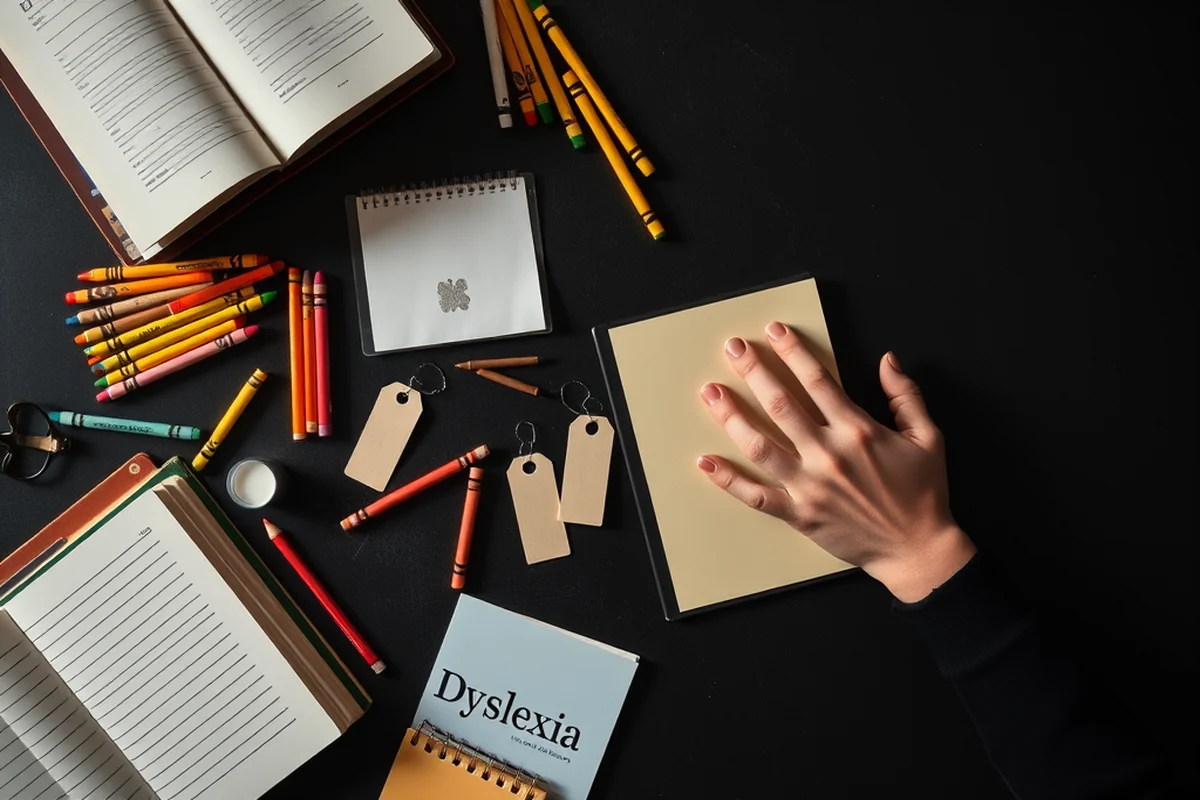
Confidence is a critical component of success for children with dyslexia. When they feel capable and supported, they are more likely to persist through challenges and take risks in their learning. I’ve found that positive reinforcement — like praise, rewards, and recognition — can be incredibly effective in helping my son stay motivated and engaged in his learning.
One of the most powerful ways to build confidence is to celebrate small victories. Whether it’s mastering a new phonics rule or spelling a difficult word, every achievement is worth acknowledging. I’ve started using a progress chart in our homeschool that tracks my son’s achievements and allows him to see how far he’s come. This visual reminder of his progress has been a huge boost to his confidence.
I’ve also found that giving my son a sense of control over his learning has made a big difference. When he’s allowed to choose his activities or set his own goals, he takes ownership of his learning and feels more motivated to achieve them. This sense of autonomy can be a powerful tool in helping children with dyslexia build confidence and self-esteem.
Creating a Supportive Learning Environment
Creating a learning environment that is both structured and flexible is essential for homeschooling with dyslexia. Structure provides a sense of stability and routine, while flexibility allows for adjustments based on your child’s needs. I’ve found that a combination of these two elements works best for my son — it gives him the guidance he needs while also allowing him the freedom to explore and learn at his own pace.
One of the most important aspects of a supportive learning environment is the presence of a positive, encouraging attitude. Children with dyslexia often struggle with feelings of frustration and self-doubt, so it’s crucial to create an atmosphere where they feel safe and supported. I’ve made it a point to be patient, empathetic, and understanding in our homeschooling journey — and the difference it makes is incredible.
Another key component of a supportive learning environment is the use of assistive technology. Tools like speech-to-text software, audiobooks, and text-to-speech apps can be incredibly helpful for children with dyslexia. These technologies can reduce the stress of reading and writing and allow your child to focus on the content rather than the mechanics of the task.
Incorporating Assistive Technology
Assistive technology has been a game-changer for my son’s homeschooling experience. From speech-to-text software to audiobooks, these tools have made a significant difference in his ability to learn and engage with reading and writing. I’ve found that using tools like Dragon NaturallySpeaking and Read&Write for Google Chrome have been incredibly helpful in helping my son keep up with his schoolwork and express his ideas more clearly.
One of the most effective assistive technologies I’ve used is text-to-speech software. This tool reads aloud written text, which can be a huge help for children with dyslexia who struggle with decoding words. I’ve found that using this technology has not only improved my son’s reading fluency but also increased his comprehension and confidence.
I’ve also discovered that audiobooks are an excellent resource for children with dyslexia. They allow them to access literature and other reading materials without the challenge of decoding the text. Audiobooks can be a great way to build vocabulary, improve listening skills, and foster a love of reading.
Assistive technology opens doors that would otherwise be closed.
Fostering a Growth Mindset in Your Child
Fostering a growth mindset is essential for children with dyslexia. When they believe that their abilities can be developed through effort and perseverance, they are more likely to embrace challenges and persist through difficulties. I’ve found that teaching my son to view mistakes as learning opportunities has been incredibly beneficial for his academic and personal growth.
One of the most effective ways to foster a growth mindset is through positive language and encouragement. Instead of saying things like “You’re not good at this,” I focus on phrases like “This is hard. I know you can learn it with practice.” This shift in language has helped my son see challenges as opportunities for growth rather than as signs of failure.
I’ve also found that modeling a growth mindset is one of the most powerful ways to help my son develop this perspective. When I talk about my own learning experiences and how I overcome challenges, it helps him understand that growth is a lifelong process. This mindset has not only improved my son’s academic performance but has also had a positive impact on his self-esteem and overall confidence.
👶 Younger Kids (Ages 3-6)
Use sensory-based activities, picture books, and play-based learning to introduce foundational reading skills.
👦 Older Kids (Ages 7-12)
Incorporate more structured reading programs, assistive technology, and advanced phonics activities.
🧩 No-Prep Activities
Use printable phonics games, letter recognition activities, and tactile letter tiles for quick, hands-on learning.
👯♀️ Group Learning Version
Create a cooperative learning environment with peer support, group reading circles, and shared activities.
🚀 Extension Activities
Add creative writing prompts, spelling challenges, and multimedia tools to deepen learning and engagement.
| The mistake | Why it happens | The fix |
|---|---|---|
| Using a general curriculum that isn’t tailored for dyslexic learners | This can lead to frustration and disengagement, as the curriculum may not address the specific needs of a dyslexic learner. | Choose a curriculum that is structured, multisensory, and research-based, like the Wilson Reading System or the Barton Reading & Spelling System. |
| Neglecting the use of multisensory techniques | This can limit your child’s ability to process and retain information, making learning more difficult. | Incorporate tactile, visual, and auditory techniques into your homeschooling routine, such as using letter tiles and phonics-based songs. |
| Not providing enough positive reinforcement | This can lead to a lack of confidence and motivation in your child, making it harder for them to persist through challenges. | Celebrate small victories and use positive language to build your child’s confidence and self-esteem. |
| Overlooking the use of assistive technology | This can make reading and writing more difficult for your child, increasing frustration and decreasing engagement. | Incorporate assistive technologies like speech-to-text software and audiobooks to make learning more accessible. |
Homeschooling With Dyslexia
Common Questions
What are some effective curricula for homeschooling with dyslexia?
How can I use multisensory techniques in my homeschool?
What assistive technologies are available for dyslexic learners?
How can I build confidence in my child with dyslexia?
Cite this guide
Teaching Music to Homeschoolers (2026). Homeschooling With Dyslexia. https://melodystart.com/homeschooling-with-dyslexia/[5]
Feel free to cite or share this guide.
References
- MOWR FAQs - Arizona Department of Education (azed.gov)
- Disability or creative ability - CSB and SJU Digital Commons (digitalcommons.csbsju.edu)
- collaborative leaders' experiences with student success in (digitalcommons.liberty.edu)
- Contact Us – Tennessee Center for the Study and Treatment of ... (dyslexia.mtsu.edu)
- A Home Schooling Experience - Yale Center for Dyslexia (dyslexia.yale.edu)