
Home Music Studio Setup
📖 Table of Contents
- Choosing the Right Space for Your Home Music Studio
- Essential Equipment for a Home Music Studio Setup
- Incorporating Music Theory into Your Home Music Studio Setup
- Creating an Encouraging Atmosphere for Learning
- Incorporating Technology into Your Home Music Studio Setup
- Making the Most of Your Home Music Studio Setup
- Keeping Your Home Music Studio Setup Organized
- Make It Your Way
- Frequently Asked Questions
I remember the first time I set up a small corner of my living room as a home music studio. It was a simple setup, just a keyboard, a laptop, and a couple of microphones, but it sparked a world of creativity for my kids. We were able to record our own songs, experiment with different sounds, and even create little music videos. It was a revelation — music didn’t have to be confined to a classroom or a professional studio. A home music studio setup can be just as effective, and even more engaging, when done right.[1]
Setting up a home music studio is more than just buying a few pieces of equipment. It's about creating an environment that nurtures creativity, encourages learning, and allows for experimentation. I’ve spent years experimenting with different setups, from minimalist options for young children to more advanced configurations for older students. The key is to find a balance between functionality and affordability. A home music studio setup isn't just about sound — it's about building confidence, fostering a love for music, and turning a simple space into a place of expression.
Over the years, I’ve learned that a home music studio setup can be tailored to fit any budget, age group, or learning style. Whether you're a parent looking to supplement your child's music education or a homeschooling teacher seeking new tools for your classroom, the possibilities are endless. The setup doesn't have to be extravagant — it just needs to be intentional. And that’s exactly what I want to help you achieve with this article.[2]
Why You'll Love This Home Music Studio Setup
- Encourages hands-on learning through experimentation with sound and music creation.
- Fosters a love for music from an early age, without the need for formal instruction.
- Can be customized to fit any budget or space, making it accessible to all families.
- Builds confidence and creativity by allowing kids to explore their musical interests freely.
Choosing the Right Space for Your Home Music Studio
As of September 2026, the best home music studio setups start with a dedicated, quiet space. I found that a spare room or even a corner of the living room worked well for our family. The key was to choose an area that was away from high-traffic zones and had enough room for movement. We found that our home music studio setup performed best in a space with minimal echo and good lighting. This helped the kids feel more comfortable and allowed them to focus on their music without distractions.[3]
We also considered acoustics when choosing our location. I learned that hard surfaces like tile and wood can cause unwanted echoes, which can make it harder to hear and produce clear music. We used thick curtains, carpets, and even some acoustic panels to reduce echo and improve the sound quality. This made a noticeable difference in the clarity of the recordings and the overall experience for the kids.
Another thing we thought about was accessibility. For our home music studio setup, we wanted the space to be easily accessible to the children. We placed the keyboard and other equipment at a height that was appropriate for our youngest child, and we made sure that all the tools were within reach. This helped the kids feel more in control of their environment and made it easier for them to experiment with different sounds and instruments.
Choose a corner that's away from the main traffic areas and has enough space for your child to move around freely.
Essential Equipment for a Home Music Studio Setup

When setting up our home music studio, we focused on acquiring the essentials that would support our children’s musical exploration. A keyboard was our first investment — we chose an affordable model that had a good range of keys and was easy for small hands to use. We also got a set of headphones and a few microphones to allow the kids to record their own music.
In addition to the main instruments, we invested in a laptop with music production software. This was a game-changer for our home music studio setup. It allowed our children to experiment with different sounds, create their own compositions, and even make simple music videos. We found that the software was user-friendly and had a variety of tools that were perfect for beginners.
We also made sure to include some basic accessories, like a stand for the keyboard and a small table for the laptop. These small details made a big difference in the organization and usability of our home music studio setup. It was important to us that the space felt both functional and inviting.
The right equipment can transform a simple space into a hub of creativity.
Related: How is a vinyl player
Incorporating Music Theory into Your Home Music Studio Setup
We wanted our home music studio setup to be more than just a place for playing around with sounds. We were determined to make it a tool for learning. That’s why we incorporated music theory into our setup. We used a whiteboard to write down notes, scales, and rhythms, and we made it a habit to review these every day. This helped the kids understand the structure of music and how different elements work together.
We also used music production software to teach the kids about different musical concepts. For example, we used the software to demonstrate how changing the tempo or the key of a song can affect its mood. This hands-on approach made learning more engaging and helped the kids grasp complex ideas in a more intuitive way.
We found that combining theory with practical application in our home music studio setup made the learning process more enjoyable. The kids were excited to experiment with new ideas and see how they could be applied in their own music. It was a powerful way to connect theory with practice.
Keep a whiteboard in your studio to write down scales, rhythms, and notes as you teach them to your kids.
“I remember the first time I set up a small corner of my living room as a home music studio.”— Teaching Music to Homeschoolers editors
Related: What is interval training music
Creating an Encouraging Atmosphere for Learning
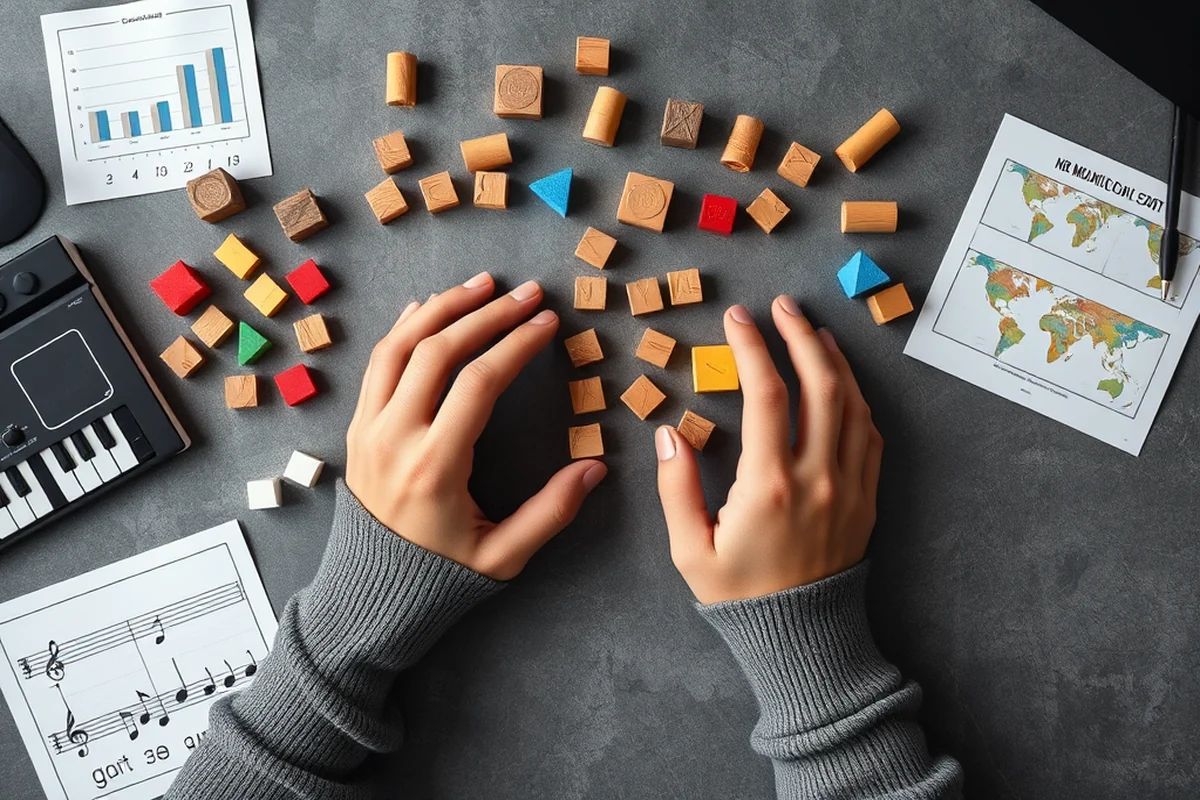
One of the most important aspects of our home music studio setup was the atmosphere we created. We wanted it to be a place where the kids felt safe to make mistakes and explore new ideas. To achieve this, we made sure to celebrate every small success, whether it was learning a new scale or recording a complete song.
We also kept the space bright and inviting. We used colorful posters, soft lighting, and comfortable seating to make the studio feel more like a creative space than a classroom. This helped the kids feel more relaxed and open to experimenting with different sounds and styles.
We found that positive reinforcement was key to keeping the kids motivated. We made it a point to acknowledge their progress, no matter how small, and to encourage them to keep trying. This created a supportive environment where they felt confident to take risks and try new things.
Related: What is music training
Incorporating Technology into Your Home Music Studio Setup
We embraced technology in our home music studio setup to make learning more interactive and engaging. We used music production software that allowed our kids to create their own compositions and even add effects. This was a huge hit with them — they loved being able to experiment with different sounds and create their own music.
We also used online resources to supplement our lessons. There were a number of free tutorials and videos that helped the kids learn new techniques and understand complex musical concepts. These resources made it easy for us to provide a well-rounded education without having to rely solely on in-person instruction.
Another great tool we used was a tablet with a music app. This allowed our children to practice their scales and rhythms in a fun and interactive way. The app had features like instant feedback and visual aids, which helped them improve their skills more quickly.
Related: Teaching music in japan
Making the Most of Your Home Music Studio Setup
We made it a point to use our home music studio setup as much as possible. We scheduled regular music sessions and made it a part of our daily routine. This helped the kids get into the habit of using the studio regularly and made it easier for them to develop their skills over time.
We also encouraged the kids to use the studio for creative projects. They would compose songs, record their own performances, and even create simple music videos. This gave them a sense of ownership and helped them take pride in their work.
We found that consistent use of the home music studio setup led to noticeable improvements in the kids’ musical abilities. They were more confident, more creative, and more engaged in their learning. It was a rewarding experience that brought our family closer together.
Consistency and creativity are the keys to making the most of your home music studio.
Related: Teaching faith music
Keeping Your Home Music Studio Setup Organized
We made a point to keep our home music studio setup organized. We used storage bins for the smaller items like cables, headphones, and music sheets. This helped us keep everything in one place and made it easier to find what we needed when we wanted to use the studio.
We also made it a habit to clean up after each session. This helped us maintain a tidy space and ensured that the kids could always find their instruments and tools without any issues. We found that a clean and organized space made the learning experience more enjoyable.
We also used labels on our storage bins and shelves to help the kids find what they needed quickly. This not only made the space more efficient but also helped the kids develop a sense of responsibility and independence.
🎵 Younger Kids' Music Studio
Ideal for children aged 3-6, this setup includes simple instruments and colorful visuals to keep young learners engaged.
🎹 Older Kids' Music Studio
Designed for older children who are ready to explore more complex music concepts and use advanced tools like DAWs.
🎯 No-Prep Studio
Perfect for families who want to set up a basic music studio with minimal preparation and no prior experience needed.
👥 Group Music Studio
Great for families or classroom settings, this setup allows multiple children to collaborate and create music together.
🚀 Extension Studio
A setup that can grow with the child, offering advanced tools and features as their musical skills improve.
| The mistake | Why it happens | The fix |
|---|---|---|
| Ignoring acoustics when setting up the studio. | Poor acoustics can make it difficult to hear and produce clear music, which can discourage children from using the studio. | Use soft materials and avoid hard surfaces to improve acoustics. |
| Overlooking the importance of a positive atmosphere. | A negative or uninviting atmosphere can make the studio feel more like a classroom than a creative space. | Create a bright, colorful, and welcoming environment in the studio. |
| Not keeping the studio organized. | A cluttered space can make it difficult to find tools and can discourage regular use of the studio. | Use storage bins and make cleaning a habit to keep the studio organized. |
| Not incorporating technology into the setup. | Missing out on modern tools can limit the learning experience and make the studio less interactive. | Use music production software and online resources to enhance learning. |
| Not using the studio consistently. | Infrequent use can lead to a loss of interest and make it difficult to develop skills over time. | Schedule regular sessions and make the studio a part of your daily routine. |
Home Music Studio Setup
Common Questions
What is the minimum space required for a home music studio setup?
What are the best types of music software for a home music studio setup?
How can I make sure the acoustics are good in my home music studio setup?
What are some budget-friendly options for a home music studio setup?
References
- NATIONAL HISTORIC LANDMARK NOMINATION SUN RECORD ... (npgallery.nps.gov)
- Building a Home Recording Studio? Here's What You Need. | Berklee (berklee.edu)
- Creative Placemaking - National Endowment for the Arts (arts.gov)
Cite this guide
Teaching Music to Homeschoolers (2026). Home Music Studio Setup. https://melodystart.com/home-music-studio-setup/
Feel free to cite or share this guide.