
Homeschoolers

📖 Table of Contents
Homeschoolers are families who choose to educate their children outside of traditional school systems, often with a tailored approach that aligns with their values, learning styles, and schedules. This guide explores the landscape of homeschooling, including the unique opportunities and challenges it presents, and provides a roadmap for families considering this path.
For many parents, homeschooling is a way to ensure a personalized education that meets their child's individual needs. It can be a powerful alternative to traditional schooling, but it requires planning, dedication, and a clear understanding of the resources available.
This hub article will cover the basics of homeschooling, explore the concept of a homeschool charter, address the role of teaching in this environment, and consider the child’s perspective. It is designed to be a starting point for those new to homeschooling and a reference for experienced families looking to refine their approach.
Key Takeaways
- Homeschooling can be a flexible and effective educational path for many families, but it requires careful planning and resourcefulness.
- A homeschool charter can provide a structured framework and legal support for homeschooling families, making the process more manageable.
- Teaching homeschoolers demands creativity, adaptability, and a deep understanding of each child’s learning needs.
- The child's well-being and engagement should always be at the center of the homeschooling experience.
Homeschool Charter
As of August 2026, Homeschool charters are designed to provide legal recognition and support for homeschooling families, often through partnerships with local school districts or state education agencies. These charters help ensure that homeschoolers meet state educational standards and have access to resources such as curriculum guides, assessments, and teacher training.
For example, in some states, homeschool charters allow parents to enroll their children in a state-managed program that offers oversight, accountability, and even access to public school facilities. This can be particularly beneficial for families who want the flexibility of homeschooling but also value some level of structure and support.
According to a 2022 report by the National Center for Education Statistics, approximately 3.7 million children were homeschooled in the United States. Of these, a growing number are participating in structured homeschool charter programs, which are helping to bridge the gap between traditional schooling and independent homeschooling.[1]
In this guide:
In this guide:
In this guide:
In this guide:
Homeschoolers

Homeschoolers come from diverse backgrounds and have varied educational goals. Some families choose homeschooling for religious reasons, while others do so to accommodate a child's special needs or to provide a more personalized learning experience. Regardless of the motivation, the success of a homeschooling journey depends on the commitment of the parents and the quality of the educational approach.
One of the most significant advantages of homeschooling is the ability to tailor the curriculum to a child's interests and learning pace. For instance, a child who is deeply interested in science can explore advanced topics at an early age, while a child who learns better through hands-on activities may benefit from a more experiential approach.
Research from the Homeschooling Research Center shows that homeschooled students often perform at or above the level of their traditionally schooled peers on standardized tests. This is a testament to the effectiveness of a well-structured homeschooling program.[2]
Related: What Is High School Musical Streaming On
Related: Homeschool Charter Schools Sacramento
Related: Homeschool Charter Schools Washington State
Related: Teaching Home Schoolers
Related: Teach Homeschoolers
Related: Justin Bieber Songs
Related: World Cup Over Song
Related: Spotify For Artists
Related: Best Audiobook Apps
Related: Michael Jackson Billie Jean Video
Teaching
Teaching homeschoolers requires a blend of pedagogical knowledge, creativity, and patience. Unlike traditional classroom settings, where a single teacher may manage a group of students, homeschooling often involves one-on-one instruction, which allows for a highly customized learning experience. However, this also means that the teacher (usually the parent) must be prepared to address a wide range of subjects and learning styles.
A successful approach to teaching homeschoolers involves setting clear learning objectives, incorporating a variety of teaching methods, and using assessments to track progress. For example, some families use online learning platforms such as Khan Academy or IXL to supplement their curriculum and provide structured lessons.
It's important for homeschooling parents to recognize that they don't have to be experts in every subject. Many families hire tutors or join homeschooling co-ops where parents collaborate to teach different subjects. This not only reduces the burden on individual parents but also provides students with a broader range of expertise.[3]
“Homeschoolers are families who choose to educate their children outside of traditional school systems, often with a tailored approach that aligns with thei”— Teaching Music to Homeschoolers editors
Child
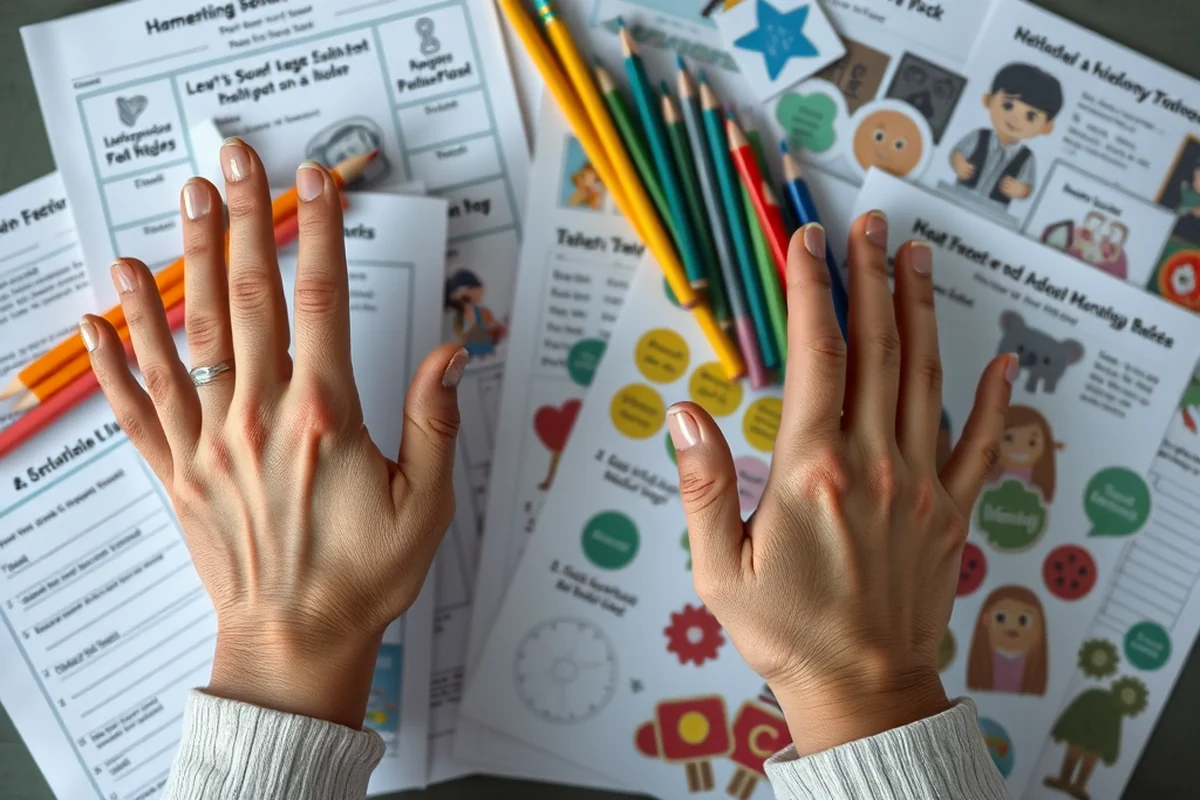
Homeschooling is often chosen with the child's best interests in mind. Whether to support a child's unique learning style, address special needs, or provide a more flexible schedule, the child's well-being is the driving force behind many homeschooling decisions. This child-centered approach can lead to higher levels of engagement and motivation in learning.
It's essential to create a learning environment that is both stimulating and supportive. This might involve setting up a dedicated study space, incorporating educational field trips, or using hands-on learning tools such as science kits and art supplies. By making learning a part of everyday life, parents can help their children develop a lifelong love of learning.[4]
A study by the University of Chicago found that homeschooled children often exhibit higher levels of self-esteem and confidence compared to their peers in traditional schools. This is likely due to the personalized attention they receive and the freedom to explore subjects that interest them.
Expert Tips and Advanced Techniques
Establishing a consistent daily schedule helps maintain focus and productivity, while allowing flexibility for personal interests and learning styles. Experts recommend aligning curricula with state standards and incorporating project-based learning to enhance critical thinking and creativity.
Advanced techniques include using learning analytics tools to track progress, integrating technology for interactive lessons, and fostering a collaborative environment through co-ops or online communities. These strategies not only support academic success but also build essential life skills.
Experts also advise parents to seek mentorship from experienced homeschoolers and to stay informed about educational trends. Engaging in professional development and attending homeschooling conferences can provide valuable insights and resources for long-term success.
Tools, Materials and Resources
Essential tools include comprehensive curricula, online learning platforms, and educational software that cater to different subjects and learning styles. These resources often include video lessons, interactive exercises, and progress tracking features.
Physical materials such as textbooks, workbooks, manipulatives, and art supplies are also important for hands-on learning. Libraries, museums, and local educational institutions can provide additional resources and enrichment opportunities.
Parents can access a wealth of free and paid resources, including lesson plans, teaching guides, and support groups. Investing in quality tools ensures a well-rounded education that meets academic standards and nurtures a lifelong love of learning.
Troubleshooting and Common Questions
One of the most common concerns for homeschoolers is ensuring that their curriculum meets state and national educational standards. Parents can address this by researching accredited curricula, consulting with local homeschooling groups, and using evaluation tools provided by educational authorities. Regular assessments can also help track progress and identify areas needing improvement.
Another challenge is maintaining student motivation and discipline without the structure of a traditional school. Establishing a routine, setting clear goals, and incorporating a variety of learning methods—such as project-based learning or experiential education—can help keep students engaged and motivated. Involving children in the planning process can also increase their sense of ownership and responsibility.
Parents may also have questions about legal requirements, socialization opportunities, and college admissions for homeschooled students. Many states provide legal guidelines and support through homeschooling associations. Socialization can be addressed through extracurricular activities, sports, and community involvement. College admissions often accept homeschool transcripts and recommend standardized testing or portfolio reviews for evaluation.
Getting Started: Your First Steps
The initial step in homeschooling is to define your educational goals and values. Are you aiming for a traditional academic approach, a more flexible unschooling model, or a combination of both? Clarifying your objectives helps shape the direction of your homeschooling journey and ensures alignment with your child's needs and interests.
Next, research and select a curriculum that suits your child's learning style and your family's educational philosophy. Options range from comprehensive boxed curricula to online platforms and self-designed programs. Evaluate the cost, time commitment, and effectiveness of each option to make an informed choice.
Finally, create a structured schedule and establish a dedicated learning space. Consistency is key to successful homeschooling, so developing a routine that balances academics with play, rest, and family time helps maintain a healthy and productive learning environment for your child.
🌱 Beginner
The simplest version — minimal supplies, quick win.
💰 Budget
Same result using what you already have.
⚡ Quick
The 10-minute version for busy days.
✨ Advanced
The upgraded version once the basics stick.
| The mistake | Why it happens | The fix |
|---|---|---|
| Not having a clear curriculum or learning plan | Without a structured approach, homeschooling can become chaotic and inconsistent, leading to gaps in learning and frustration for both the parent and child. | Develop a comprehensive curriculum and set clear learning goals for each subject and grade level. Use online resources and educational experts to help design an effective plan. |
| Overlooking the child's social and emotional needs | Homeschooled children may miss out on the social interactions that occur in traditional school settings, which can affect their development and social skills. | Incorporate opportunities for socialization by joining homeschooling co-ops, participating in community activities, and enrolling in extracurricular classes or clubs. |
| Assuming that homeschooling requires perfect teaching skills | Parents may feel unqualified to teach every subject, but this doesn't mean they can't be effective educators. Many homeschooling families rely on a variety of resources and support systems to ensure a well-rounded education. | Use online courses, hire tutors, and collaborate with other homeschooling families to provide a diverse and comprehensive learning experience. |
Common Questions
Can you homeschool to a charter school?
How do you teach homeschoolers?
How do you teach home schoolers?
How do you homeschool your child?
References
- Sens. Cruz, Budd, Moody Introduce Bill to Support Military ... (cruz.senate.gov)
- HOMESCHOOLS - NC DOA (doa.nc.gov)
- Home-Based Private Education Program (Homeschooling) (dpi.wi.gov)
- Homeschooling (Private Instruction) - Iowa Department of Education (educate.iowa.gov)
Cite this guide
Teaching Music to Homeschoolers (2026). Homeschoolers. https://melodystart.com/homeschoolers/
Feel free to cite or share this guide.