
What Is Drum Sheet Music

📖 Table of Contents
- What Is Drum Sheet Music and How Does It Work?
- Why Drum Sheet Music Is a Great Learning Tool for Kids
- How to Introduce Drum Sheet Music to Younger Children
- The Benefits of Using Drum Sheet Music at Home
- How to Choose the Right Drum Sheet Music for Your Child
- How to Use Drum Sheet Music for Group Activities
- Creative Ways to Use Drum Sheet Music at Home
- Make It Your Way
- Frequently Asked Questions
I still remember the first time I saw my son tap along to a drum beat on the kitchen table. He was five, and we had just bought a simple set of drums. As he played, he asked, 'What is drum sheet music?' That question led me down a path of research and experimentation, and it’s what inspired me to write this article. Drum sheet music is not just about notes; it’s about rhythm, structure, and a way to guide a drummer through a piece of music. It’s the bridge between the abstract and the physical, and it transforms a random beat into something meaningful.[1]
When I first started learning about drum sheet music, I was confused by the symbols and the layout. But as I delved deeper, I realized that it's a visual language that can be understood by anyone with a basic grasp of rhythm. Drum sheet music allows a drummer to play complex rhythms and patterns by following written instructions. It’s not just for professional musicians — it’s for kids, beginners, and even parents who want to help their children explore music together.[2]
Now, I use drum sheet music regularly with my son, and it’s become a central part of our homeschool music curriculum. We start with simple rhythms and work our way up to more complex patterns. It's a way to keep him engaged, challenge him, and give him a sense of accomplishment when he can play a piece from start to finish. Drum sheet music has opened up a whole new world of musical exploration for us, and I believe it can do the same for any family looking to introduce music into their home.[3]
Why You'll Love This Educational Tool
- Drum sheet music provides a visual and structured way to learn rhythm and timing.
- It allows for progressive learning, starting with simple beats and moving to complex patterns.
- It fosters creativity and independence as children learn to interpret and play music on their own.
- It can be used with a wide variety of instruments, making it a versatile educational tool.
What Is Drum Sheet Music and How Does It Work?
As of October 2026, Drum sheet music is written using a set of symbols and notations that represent different parts of the drum kit, such as the snare, bass drum, and toms. Each symbol corresponds to a specific note or rest, and the placement of these symbols on the staff indicates when and for how long each beat should be played. This system allows drummers to follow along and play the rhythm exactly as written.[4]
The layout of drum sheet music is similar to traditional sheet music, with the addition of a special staff that includes a series of lines and symbols specific to drums. For example, the top line might represent the right-hand hi-hat, while the bottom line could show the left-hand snare. This visual layout helps drummers quickly understand the rhythm and timing of each part.
One of the key advantages of drum sheet music is that it allows for precise timing and control. Whether you're a beginner or an experienced drummer, following a written rhythm ensures that you're playing the piece as intended. This is especially useful when learning new songs or practicing for performances.
Begin with basic rhythms and gradually increase the complexity as your child becomes more comfortable with the notation and symbols.
Why Drum Sheet Music Is a Great Learning Tool for Kids

For young children, drum sheet music can be a fun and engaging way to explore music. It allows them to see how music is structured and how different rhythms can be combined to create a complete piece. This visual approach helps make complex concepts more accessible and easier to understand.
Using drum sheet music with children also helps them develop fine motor skills as they learn to coordinate their hands and feet to play the correct notes at the right time. It’s a great way to combine physical movement with music education, making the learning process both enjoyable and educational.
In our homeschool, we've found that drum sheet music keeps our son focused and motivated. He enjoys the challenge of reading the notes and following the rhythm, and it gives him a sense of accomplishment when he successfully plays a piece from start to finish.
Drum sheet music turns abstract rhythms into something tangible and rewarding.
Related: What is coarse music
Related: What is freight train song about
How to Introduce Drum Sheet Music to Younger Children
When introducing drum sheet music to younger children, it's important to start with simple rhythms that are easy to follow. Using a visual aid, such as a printed rhythm chart or a drum pad with labeled sections, can help them understand which parts of the drum kit correspond to which symbols on the sheet music.
It's also helpful to use real-life examples and songs that your child already knows. By using familiar songs, you can show them how the rhythms in those songs can be represented on drum sheet music. This makes the learning process more relatable and fun.
We've found that using a combination of verbal instruction and visual demonstrations works best for younger children. By explaining the symbols and showing them how to play the corresponding rhythms, we've been able to help our son grasp the basics of drum sheet music in a short amount of time.
Start with songs your child already knows, and use those to demonstrate how drum sheet music can be used to represent their favorite rhythms.
“I still remember the first time I saw my son tap along to a drum beat on the kitchen table.”— Teaching Music to Homeschoolers editors
Related: What is netease cloud music
The Benefits of Using Drum Sheet Music at Home
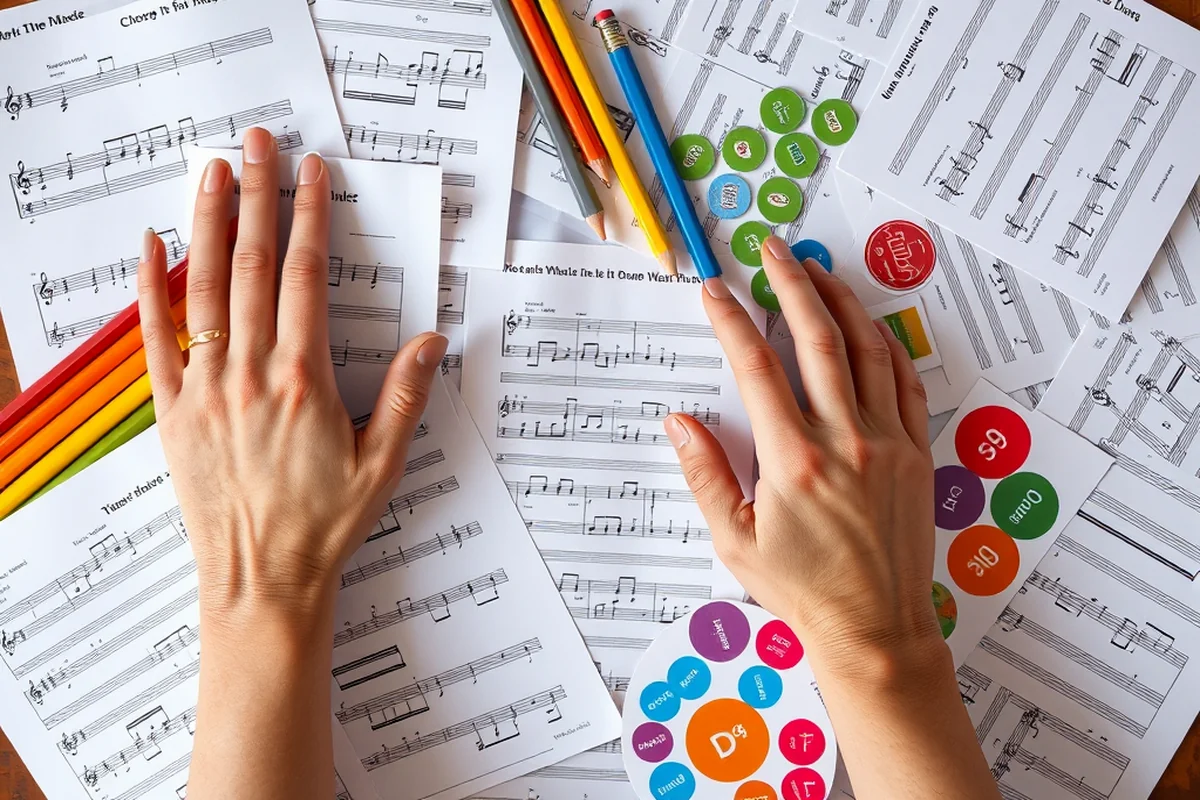
One of the biggest benefits of using drum sheet music at home is that it allows for flexible learning. Unlike traditional music lessons, which are often scheduled and limited in time, drum sheet music can be used whenever you have a few minutes to spare. This makes it a great option for busy families who want to incorporate music into their daily routine.
Another benefit is that it encourages independent learning. Once a child understands the basic symbols and rhythms, they can use drum sheet music to practice on their own. This helps build confidence and self-reliance, as they learn to interpret and play music without constant supervision.
In our home, we've found that using drum sheet music has helped our son develop a love for music that goes beyond just playing the drums. He now enjoys listening to different genres of music and even tries to create his own rhythms on the drum pad.
Related: What is dark country music
How to Choose the Right Drum Sheet Music for Your Child
When choosing drum sheet music for your child, it's important to consider their age and skill level. For younger children, start with simple rhythms that use only a few symbols and focus on basic beats. As they progress, you can introduce more complex rhythms and patterns.
It's also important to consider your child’s musical interests. If they enjoy rock music, look for drum sheet music that includes rock rhythms and beats. If they prefer classical music, choose pieces that feature classical drum patterns.
In our home, we’ve found that choosing drum sheet music that aligns with our son’s interests has made learning more enjoyable. We’ve used songs from his favorite bands and even created our own simple rhythms based on the music he loves.
Related: What is modern country music
How to Use Drum Sheet Music for Group Activities
Using drum sheet music in group activities can be a great way to help children learn together and develop a sense of teamwork. When multiple children play together, they can follow the same sheet music to create a cohesive rhythm or beat.
Group activities also provide an opportunity for children to learn from each other. By playing together, they can hear and feel the rhythm, which helps reinforce their understanding of the music. It also allows them to practice listening and responding to each other, which is an important skill for musicians.
In our homeschool, we’ve used drum sheet music in group activities with other families, and it's been a great way to connect with others who share a love of music. We’ve found that it creates a fun and supportive environment where everyone can learn and grow together.
Group drumming with sheet music builds rhythm, teamwork, and community.
Creative Ways to Use Drum Sheet Music at Home
One creative way to use drum sheet music at home is to combine it with other musical activities. For example, you can use drum sheet music to accompany a song and let your child play along with the rhythm. This helps them understand how rhythm and melody work together.
You can also use drum sheet music to create a musical story or game. For example, you can assign different drum patterns to different characters in a story, and let your child use the sheet music to play the corresponding rhythms as the story unfolds.
We’ve used drum sheet music to create our own musical games and stories, and it’s been a great way to keep our son engaged and excited about learning. It’s amazing how much fun he has when he gets to use his creativity to explore music.
👶 Younger Kids Activity
A simplified version of drum sheet music that uses basic rhythms and visual symbols to help younger children learn.
👦 Older Kids Activity
A more complex version of drum sheet music that includes advanced rhythms and patterns for older children.
⏱️ No-Prep Activity
A quick and easy activity that uses pre-printed drum sheet music and minimal preparation time.
👥 Group Activity
A fun and interactive group activity that uses drum sheet music to help children learn together.
🎨 Extension Activity
An extension activity that uses drum sheet music to create a musical story or game.
| The mistake | Why it happens | The fix |
|---|---|---|
| Using too complex sheet music for a child who is just starting out. | This can be overwhelming and discouraging for young children, making it difficult for them to learn and enjoy the process. | Start with simple rhythms and gradually increase the complexity as the child becomes more comfortable with the notation and symbols. |
| Not using visual aids or demonstrations to explain the symbols on the sheet music. | This can make it difficult for children to understand the relationship between the symbols and the corresponding drum sounds. | Use visual aids and demonstrations to help children see and hear how the symbols on the sheet music translate to actual drum beats. |
| Forgetting to provide positive reinforcement and encouragement. | This can make the learning process feel like a chore rather than a fun and rewarding activity. | Provide positive reinforcement and encouragement to help children build confidence and stay motivated. |
| Not allowing the child to practice independently. | This can hinder the development of self-reliance and confidence, as the child may become dependent on constant supervision. | Allow the child to practice independently once they understand the basics of drum sheet music. |
What Is Drum Sheet Music
Common Questions
What age is drum sheet music best suited for?
Do I need any special equipment to use drum sheet music?
How can I help my child learn drum sheet music?
Can drum sheet music be used with other instruments?
References
- Civil War Music Exhibit Opens at Fort Ward Museum (alexandriava.gov)
- 2022-drumline-audition-materials.pdf - WVU Bands (bands.wvu.edu)
- Sampling, Interpolations, Beat Stores and More - Copyright (copyright.gov)
- The Development of a Drum Identifier and Transcription Tool (dataspace.princeton.edu)
Cite this guide
Teaching Music to Homeschoolers (2026). What Is Drum Sheet Music. https://melodystart.com/what-is-drum-sheet-music/
Feel free to cite or share this guide.
Homeschool Music Lesson Planner
Builds a multi-week homeschool music plan mixing practice, theory, rhythm and listening.
Open it free →