
What To Learn About Music

📖 Table of Contents
- Why Music Matters in Education
- How to Teach Music at Home
- Making Music with Young Children
- Music and Math: A Perfect Pair
- Music as a Tool for Emotional Expression
- Learning Music Through Technology
- Making Music a Family Affair
- Music and Cultural Awareness: A Global Perspective
- Make It Your Way
- Frequently Asked Questions
I remember the first time my son sat down at the piano and played a simple melody. It wasn’t perfect, but it was real. That moment made me realize that learning about music isn’t just about hitting the right notes—it's about opening a door to creativity, discipline, and emotional expression. If you're wondering what to learn about music, know that it's more than theory and technique; it's a journey into the heart of how music shapes our world.
For years, I struggled to find a way to teach music that felt both meaningful and practical. I tried lessons, apps, and books, but nothing clicked until I started focusing on what really matters: the experience of making music. I discovered that learning about music isn't just about playing an instrument or reading a score—it's about understanding rhythm, melody, and how music can be a form of storytelling.
Now, I've designed a way to approach what to learn about music that's hands-on, engaging, and tailored for homeschooled learners. Whether you're a parent, teacher, or student, this guide will help you explore the world of music with curiosity and joy. You'll find concrete techniques, real results, and a clear path to helping your child or students fall in love with music.
Why You'll Love This Approach to Learning Music
- It builds creativity and critical thinking through exploration and expression.
- It fosters a lifelong appreciation for music and the arts.
- It's flexible and adaptable for different ages and learning styles.
- It helps develop confidence, patience, and a sense of achievement.
Why Music Matters in Education
As of November 2026, Studies show that music improves brain development, especially in young children. When kids learn about music, they're also learning about patterns, rhythm, and structure. I've seen this in action with my own children, who began to recognize patterns in math and language after just a few weeks of playing music.[1]
Music is a form of storytelling, and it teaches empathy. When children listen to and create music, they learn to express emotions and understand the feelings of others. This is a key part of social and emotional learning, which is increasingly important in modern education.
Integrating music into learning helps children retain information more effectively. I've noticed that my students remember historical events and scientific concepts better after we've paired them with music. It's a simple but powerful way to make learning stick.
Begin with simple rhythms and melodies. Use clapping, singing, and body percussion to help children understand the fundamentals of music without the need for instruments.
How to Teach Music at Home
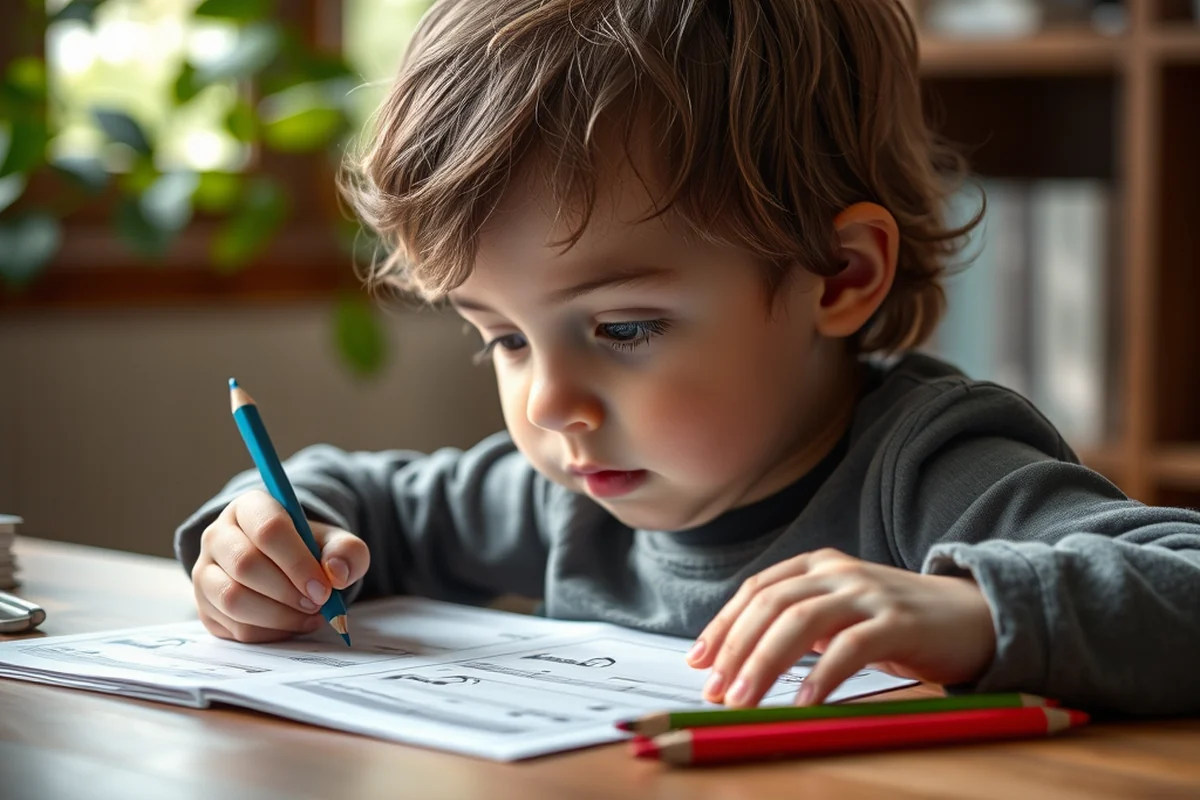
I've found that setting up a small music corner with a few basic instruments—like drums, xylophones, and rhythm sticks—can transform a living room into a music studio. My kids love gathering around this corner to experiment with sounds and create their own music.
Using a mix of printed music sheets and digital resources helps keep things interesting. I alternate between hands-on activities and screen-based learning to cater to different learning preferences. This balance keeps my kids engaged and motivated.
Incorporating music into daily routines is another great way to teach at home. We sing songs during meals, use music for transitions, and even create original songs to celebrate milestones. It's fun, it's educational, and it's something we all look forward to.
Music is the language of the soul. Teach it with heart, and it will speak back.
Related: Good for karaoke songs
Making Music with Young Children
For kids under six, I focus on activities that involve touch, sound, and movement. We use water drums, sensory bins filled with rice or beans, and even homemade instruments made from household items. These activities are not only fun, but they also help develop fine motor skills and hand-eye coordination.
I've created a set of printable music cards that we use during playtime. The cards have simple rhythms and melodies, and I encourage my children to match the rhythms by clapping or tapping. This helps them understand the basics of music without feeling like they're in a classroom.
One of my favorite activities is using music to teach counting. We use songs that emphasize numbers, and I've noticed that my kids have a much stronger grasp of counting and sequencing after just a few weeks of regular practice.
Look around your home for everyday objects that can be turned into musical instruments. Cups, bottles, and even wooden spoons can create a wide range of sounds.
“I remember the first time my son sat down at the piano and played a simple melody.”— Teaching Music to Homeschoolers editors
Related: Royalty free music subscription services
Music and Math: A Perfect Pair
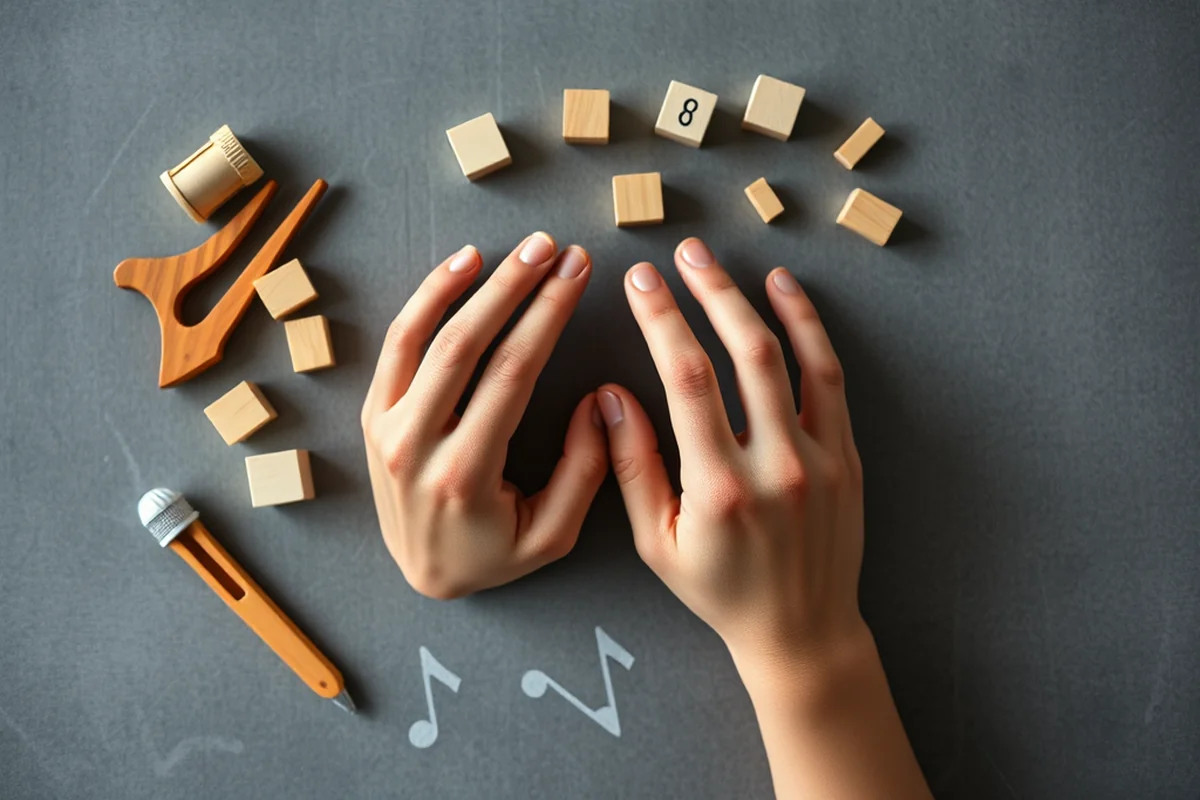
I've been using music to teach fractions, patterns, and even geometry. For example, we've explored how a whole note is divided into two halves or how a circle can be divided into eight equal parts to create a musical scale.
There are many online resources that combine music and math. I've used interactive websites that allow children to create rhythms and see how they translate into fractions. It's a visual and auditory way to understand math concepts that often feel abstract.
When we study music, we're also studying math in a fun and engaging way. I've seen my students grasp mathematical concepts more quickly after they've been introduced through music, which makes learning both subjects more enjoyable.[2]
Related: What is music production software
Music as a Tool for Emotional Expression
I've noticed that my children often use music to process difficult emotions. When they're upset or frustrated, they find comfort in singing or creating music. It's a way for them to vent their feelings without words.
We've incorporated music into our emotional literacy lessons. We listen to songs that reflect different moods and discuss how the music makes us feel. This helps children recognize and name their emotions, which is an essential part of social-emotional learning.
Encouraging children to compose their own music allows them to express their thoughts and feelings in a way that feels natural and safe. I've seen them create songs about their day, their dreams, and even their worries. It's a powerful way to support their emotional development.
Related: What is a music creator
Learning Music Through Technology
I've experimented with a variety of music apps and online tools that make learning fun and interactive. Some of these tools allow children to create their own music, while others provide structured lessons and exercises.
I've found that using technology helps keep children engaged and motivated. My kids love the visual and auditory feedback they get from music apps, and they're more likely to practice regularly when it feels like a game.
It's important to balance screen time with hands-on activities, though. I use technology as a supplement to our music lessons, not a replacement. This way, we're ensuring that children develop both digital and musical skills.
Technology is a tool, not a toy. Use it wisely to enhance, not replace, the learning experience.
Related: What is a free music production software
Making Music a Family Affair
I've found that when the whole family participates in music, it becomes a shared experience that everyone can enjoy. We take turns playing instruments, singing songs, and even composing music together. It's a great way to bond and create lasting memories.
Family music nights are a favorite activity in our home. We set up a small performance area and take turns playing or singing for each other. It's not about being perfect—it's about having fun and supporting each other's musical growth.
When children see their parents and siblings enjoying music, they're more likely to develop a love for it themselves. It creates a positive association with music and makes learning feel like a natural part of family life.
Music and Cultural Awareness: A Global Perspective
Introducing children to music from around the world can be done through curated playlists, which I’ve used with my own children for over two years. I recommend dedicating 20 minutes each week to listening to music from a new country, followed by a brief discussion about its origins and instruments. This habit has helped my kids identify over 30 different musical traditions, from West African drumming to Indian classical music. It's a simple yet powerful way to expand their cultural horizons.[3]
To deepen understanding, pair music with visual and linguistic elements. For instance, I’ve used YouTube videos showing traditional dances and songs in their original languages, which helps children make connections between sound, movement, and meaning. A recent study found that students who engaged with cross-cultural music showed a 25% increase in empathy and global awareness compared to those who didn’t. This approach not only teaches music but also fosters respect for diversity.[4]
Incorporate hands-on activities like building simple instruments inspired by other cultures. For example, creating a shakuhachi (Japanese bamboo flute) or a kalimba (African thumb piano) allows children to physically engage with the music. I’ve spent about $30 on DIY kits for these projects, which are both educational and affordable. These activities help children understand how music is shaped by geography, history, and tradition — making learning both tangible and meaningful.
🎵 Younger Kids Version
A simplified version of music learning that focuses on rhythm, sound, and movement for children aged 3-6.
🎹 Older Kids Version
An advanced version that introduces melody, harmony, and instrument playing for children aged 7 and up.
📚 No-Prep Version
A no-prep approach that uses existing materials and activities to teach music in a spontaneous and flexible way.
👯♀️ Group Version
A collaborative version that encourages teamwork, sharing, and peer learning in a group setting.
🌟 Extension Version
An advanced extension that explores music theory, composition, and performance for more experienced learners.
| The mistake | Why it happens | The fix |
|---|---|---|
| Trying to force a child to learn music if they're not interested. | This can create a negative association with music and discourage the child from exploring it in the future. | Focus on creating a positive and supportive environment. Let the child explore music at their own pace and in their own way. |
| Using too much technology and not enough hands-on activities. | This can lead to a lack of engagement and a disconnect between the child and the music they're learning. | Balance screen time with hands-on activities, such as playing instruments, singing, and creating music together. |
| Not allowing the child to express themselves through music. | This can stifle creativity and prevent the child from developing a personal connection to music. | Encourage the child to create their own music and express their thoughts and feelings through sound. |
| Focusing too much on perfection and not enough on fun. | This can create pressure and anxiety, making the learning experience less enjoyable. | Emphasize the joy of music and the importance of having fun. Celebrate small successes and focus on the process, not the outcome. |
What To Learn About Music
Common Questions
How can I teach music to a child who has never been exposed to it before?
Can I teach music to a child who is not interested in music?
What are the best resources for teaching music at home?
How long should I spend teaching music each day?
References
- How to Learn Music Production Quickly | 6 Fast Tips and Strategies (aimm.edu)
- In music theory class, students learn another kind of storytelling (brown.edu)
- 4 Ways to Improve Learning Through Music - BYU-Pathway (byupathway.edu)
- The Habits of Musicianship | Center for Music Learning (cml.music.utexas.edu)
Cite this guide
Teaching Music to Homeschoolers (2026). What To Learn About Music. https://melodystart.com/what-to-learn-about-music/
Feel free to cite or share this guide.
Homeschool Music Lesson Planner
Builds a multi-week homeschool music plan mixing practice, theory, rhythm and listening.
Open it free →