
What Is A Music Creator

📖 Table of Contents
- What Exactly Is a Music Creator?
- How Music Creation Builds Emotional Intelligence
- Music Creation as a Learning Tool
- The Role of Technology in Modern Music Creation
- Fostering Creativity Through Music Creation
- Why Music Creation Matters for Homeschoolers
- How to Support a Child's Journey as a Music Creator
- Make It Your Way
- Frequently Asked Questions
When my daughter first asked, 'What is a music creator?' I was caught off guard. She had watched a video of a local musician composing a song on her phone and was curious about the process. I realized that defining what a music creator is involves more than just technical skill or talent—it's about passion, creativity, and the ability to translate emotion into sound. As a homeschooling parent, I've come to appreciate how important it is to help children understand that music creation is an accessible and rewarding pursuit, not just for those with formal training.[2]
I’ve spent the past five years exploring how music creation can be woven into the homeschooling curriculum. I’ve learned that a music creator is someone who uses their unique voice, whether through singing, playing an instrument, or producing music on a computer. It’s not just about the final product; it’s about the journey of making music, the mistakes along the way, and the joy of seeing a child express themselves through sound. As a parent, I’ve seen how this process builds confidence, creativity, and emotional intelligence.[3]
What I’ve also discovered is that being a music creator doesn’t require expensive equipment or a formal education. It’s about curiosity, experimentation, and the willingness to try new things. I’ve watched my daughter create her first melody with just a toy keyboard and a simple app, and it was one of the most rewarding moments I’ve had as a parent. If you're a homeschooling parent or educator looking to introduce your child to the world of music creation, this article will help you understand exactly what a music creator is and how to nurture that spark in your child.[4]
Why You'll Love This Article
- Discover the core definition of a music creator in a way that’s accessible and engaging for children.
- Learn practical, hands-on methods to help children explore music creation at home.
- Get tips on integrating music into the homeschooling curriculum for creative and educational benefits.
- Explore how music creation fosters emotional intelligence and problem-solving skills in children.
What Exactly Is a Music Creator?
As of October 2026, a music creator is not limited to professional musicians. It can be a child playing around with a toy keyboard, a teenager using a music production app, or an adult writing lyrics on their phone. The key is the intent to express something through sound. I've seen my daughter create simple melodies with just a few notes, and it made me realize that the definition of a music creator is much broader than I once thought.
In my experience, a music creator is someone who listens to the world around them and finds ways to translate those sounds into music. For example, a child might mimic the sound of rain or birds and then add rhythm to it. This kind of creativity is the foundation of music creation and is something I've encouraged in my daughter since she was very young.
Music creation is also about the process, not just the final product. It involves experimenting, making mistakes, and learning from them. This process is valuable for children, as it teaches them resilience, creativity, and self-expression in a way that is both fun and educational.
Introduce music creation to children with simple tools like toy instruments or free apps. Even 10 minutes a day can spark a lifelong love for music.[1]
How Music Creation Builds Emotional Intelligence
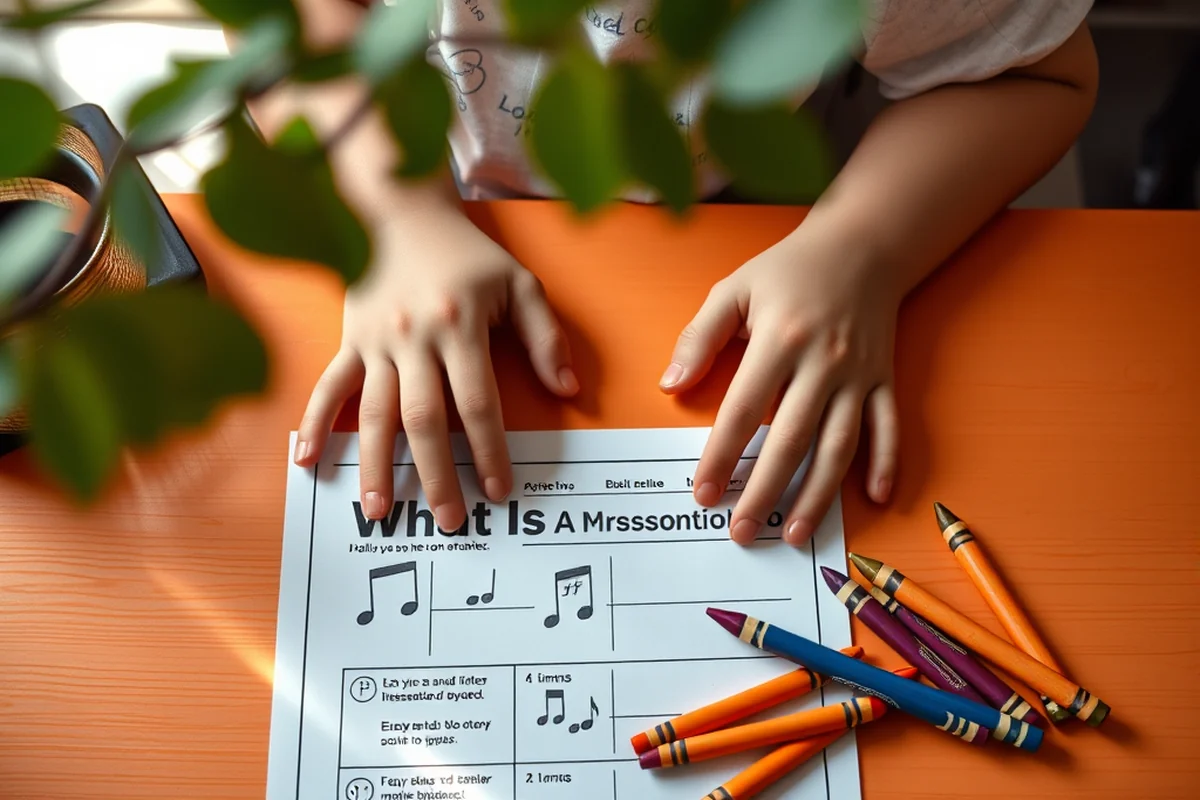
In my experience, music creation is one of the most effective ways for children to express their emotions. When my daughter was feeling anxious before an exam, she would sit at the piano and play a piece that she felt represented her emotions. It helped her feel more in control and less overwhelmed by her feelings.
I've also noticed that when children create music, they often use it to tell a story or express a feeling that they can't put into words. For example, my daughter once created a melody that she described as 'sad but hopeful,' and it was a powerful way for her to work through some difficult emotions.
This emotional expression is not only helpful for the child but also for parents and educators who can observe and support them in a more meaningful way. It's a gentle, non-verbal form of communication that can be incredibly insightful.
Music is the language of the soul.
Related: What is a free music production software
Music Creation as a Learning Tool
I've found that music creation is an excellent way to teach children about math, language, and history. For example, when we studied the history of jazz, we used a music app to create simple melodies that mimicked the style of famous jazz musicians. It was a fun and engaging way for my daughter to learn about a different genre and its cultural significance.
Another example is when we explored rhythm and patterns in math. My daughter would create rhythmic sequences on a drum machine. Helped her understand the concept of patterns in a way that was much more tangible and engaging than just reading about it in a textbook.
By integrating music into other subjects, children can see connections between different areas of learning. It makes education more dynamic and allows them to explore concepts in a way that is both creative and practical.
Use music creation to teach math (rhythms, patterns), history (genres and cultural contexts), and language (writing lyrics or stories through music).
“When my daughter first asked, 'What is a music creator?' I was caught off guard.”— Teaching Music to Homeschoolers editors
Related: How to study with music
The Role of Technology in Modern Music Creation
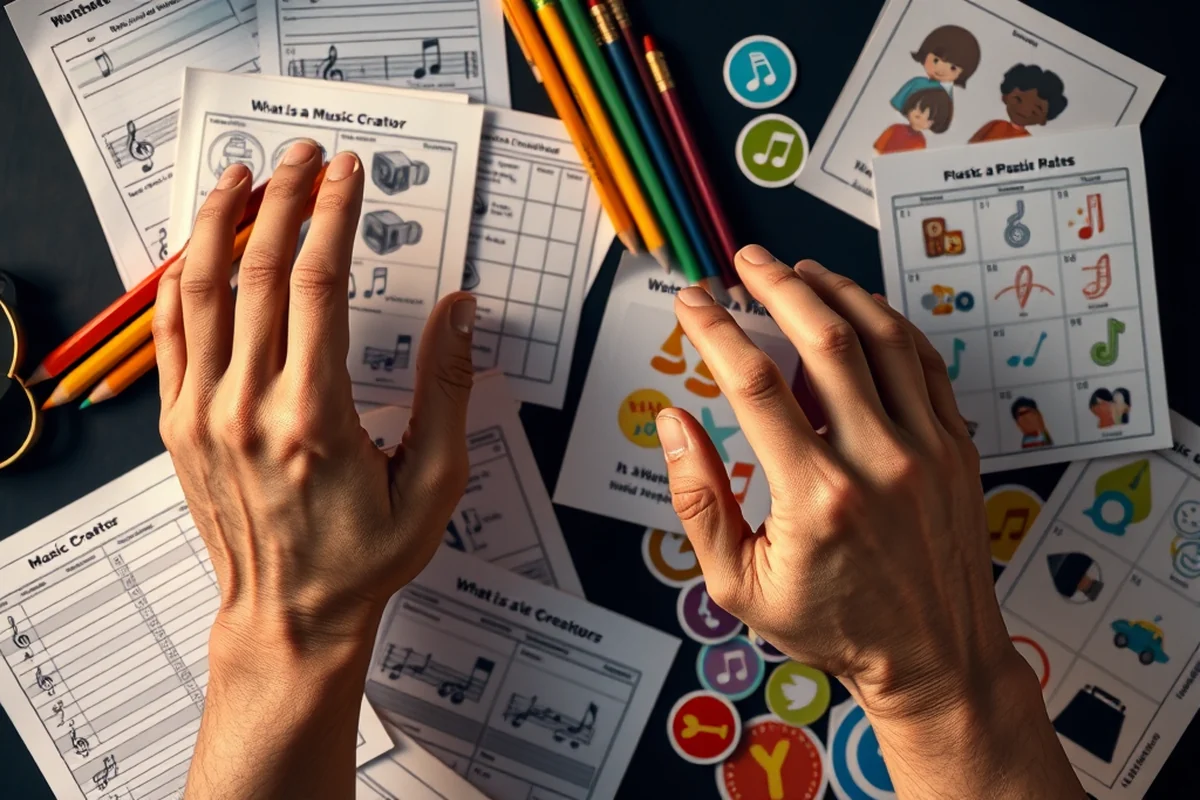
In my home, we've used a variety of digital tools to help my daughter create music. From simple apps that allow her to record and edit sounds to more advanced software that offers a wide range of musical possibilities, technology has made it easier for children to explore music creation at home.
One of the most surprising discoveries for me was how quickly my daughter adapted to using a music production app. It only took her a few days to create her first full composition, and I was amazed by her progress. This experience showed me that technology can be a powerful tool for learning and creativity.
I've also noticed that technology allows children to experiment with different genres and styles of music in a way that would have been impossible without digital tools. This kind of exploration is invaluable for developing a child's musical identity and understanding of the world around them.
Related: Music recording software
Fostering Creativity Through Music Creation
I've found that music creation is one of the best ways to encourage a child's creativity. When my daughter was given the freedom to experiment with different sounds and rhythms, she began to develop a unique musical style that reflected her personality and imagination.
This kind of creative exploration also helps children develop problem-solving skills. For example, when my daughter was trying to create a melody that fit a certain theme, she had to think about how to use different notes and rhythms to achieve the desired effect. This process of trial and error is an important part of learning and growth.
By encouraging children to take risks and think outside the box, parents and educators can help them develop a mindset that values creativity and innovation. This is a valuable skill that will serve them well in all areas of life.
Related: What is country music radio
Why Music Creation Matters for Homeschoolers
For homeschoolers, music creation is a powerful way to explore self-expression and develop a deeper connection with the world. It allows children to think creatively, express their emotions, and engage with music in a way that is both personal and meaningful.
I've noticed that when my daughter is creating music, she becomes more engaged with her learning. She often draws inspiration from her surroundings, whether it's the sound of rain, the rhythm of her footsteps, or the way the wind blows. This kind of connection to the world is something that is rarely experienced in a traditional classroom setting.
Music creation also provides a valuable outlet for children to explore their individuality and develop a sense of identity. It's a form of self-expression that is both personal and universal, and it allows children to connect with others in a meaningful way.
Music is the universal language of mankind.
Related: What is country gospel music
How to Support a Child's Journey as a Music Creator
In my experience, the best way to support a child's journey as a music creator is to provide them with the tools, encouragement, and freedom to explore their own musical voice. This means offering access to instruments, apps, and other resources that can help them create music in their own way.
I've also found that it's important to be a supportive presence in the child's creative process. This means listening to their music, offering positive feedback, and encouraging them to keep experimenting even when they make mistakes. It's these small moments of encouragement that can make the biggest difference in a child's development.
By being a part of the child's musical journey, parents and educators can help them build confidence, creativity, and a lifelong love for music. It's a powerful way to support a child's growth and development in a way that is both fun and educational.
🎵 Younger Kids (Ages 3-6)
Use simple tools like toy instruments, apps with large buttons, and visual aids to help little ones explore rhythm and melody.
🎹 Older Kids (Ages 7-12)
Introduce more advanced tools like music production software, instruments, and lessons that focus on composition and theory.
⏱️ No-Prep Version
Create a spontaneous music session using whatever tools are available—no planning or preparation required.
👥 Group Version
Encourage collaboration with friends or family members to create music together, fostering teamwork and shared creativity.
🚀 Extension Activity
Challenge older kids to create a full musical piece that tells a story or explores a specific theme, encouraging deeper creativity and expression.
| The mistake | Why it happens | The fix |
|---|---|---|
| Not providing enough support or encouragement. | Children may become discouraged or lose interest if they feel unsupported in their creative journey. | Be a consistent presence, offer positive feedback, and celebrate their progress, no matter how small. |
| Overcomplicating the process. | Introducing too many tools or advanced concepts can overwhelm a child and make them feel like they’re not capable. | Start with simple tools and gradually introduce more advanced concepts as the child becomes more comfortable. |
| Focusing too much on the final product rather than the process. | This can lead to frustration and a lack of creativity, as the child may feel pressured to produce 'perfect' music. | Encourage exploration, experimentation, and self-expression rather than focusing on the final result. |
| Not allowing the child to explore their own musical voice. | This can stifle creativity and prevent the child from developing a unique musical identity. | Provide opportunities for the child to explore different styles, sounds, and genres, and support them in finding their own voice. |
What Is A Music Creator
Common Questions
How can I help my child get started with music creation?
What if my child doesn’t have access to musical instruments?
Can music creation be integrated into other subjects?
How can I support my child’s creativity without being overbearing?
References
- What is the Difference Between a Beatmaker and a Producer? (aimm.edu)
- Arizona Arts Standards (azed.gov)
- Music Technology Degree | Belmont University (belmont.edu)
- In Sync: Music and Video 2026 | Berklee (berklee.edu)
Cite this guide
Teaching Music to Homeschoolers (2026). What Is A Music Creator. https://melodystart.com/what-is-a-music-creator/
Feel free to cite or share this guide.
Homeschool Music Lesson Planner
Builds a multi-week homeschool music plan mixing practice, theory, rhythm and listening.
Open it free →