
Good For Karaoke Songs

📖 Table of Contents
- How to Choose the Right Songs for Karaoke
- Making Karaoke a Learning Experience
- Building Confidence Through Performance
- Using Karaoke to Reinforce Learning
- Creating a Karaoke Environment at Home
- Connecting with Others Through Music
- Extending the Learning Beyond the Song
- Incorporating Karaoke into Homeschool Curriculum Planning
- Make It Your Way
- Frequently Asked Questions
I remember the first time I watched my 8-year-old son belt out 'I Will Survive' at a family gathering. His face lit up, his voice cracked with emotion, and the room erupted in applause. It wasn’t just about the song—it was about confidence, creativity, and a spark that had been growing since we started using karaoke as a learning tool. That’s how I discovered the power of songs that are good for karaoke: they’re not just fun, they’re educational.[4]
When we started using karaoke in our homeschool, I didn’t expect it to become one of our favorite learning activities. We began with simple classics like 'Happy Birthday' and 'You Are My Sunshine,' but soon we were exploring more complex tracks like 'Don’t Stop Believin’' and 'Livin’ on a Prayer.' The difference was immediate—our kids were not only singing but also learning rhythm, tone, pitch. Even basic music theory, all without realizing they were being taught.
The best songs for karaoke are the ones that have a strong rhythm, clear lyrics, and a wide range of notes. These are the songs that make kids want to sing, and that’s where the real learning happens. Whether it’s a pop hit, a Broadway showstopper, or a folk tune, the right song can transform a simple activity into a full-blown lesson in music, language, and even emotional expression.
Why You'll Love This Karaoke Activity
- Boosts confidence through performance and self-expression
- Encourages musical learning without formal instruction
- Reinforces vocabulary and pronunciation through repetition
- Provides a fun, interactive way to explore music and rhythm
How to Choose the Right Songs for Karaoke
As of October 2026, I’ve learned that songs with clear lyrics and a strong rhythm work best. They help kids pick up on patterns and understand how music is structured. I often look for songs that are familiar, as that gives kids a sense of security and confidence when they sing.
I’ve found that songs with a wide range of notes are also great because they help kids explore their vocal range. My son, for example, started with 'I Will Survive' and gradually moved to more complex songs like 'Bohemian Rhapsody.'
I’ve even used songs that have a message or moral. 'This Little Light of Mine,' for example, is a great song that teaches kids about kindness and positivity, while still being fun to sing.
Create a chart of your favorite songs and use it to track which ones your kids are comfortable with. This helps you choose songs that match their skill level and keeps them engaged.
Making Karaoke a Learning Experience
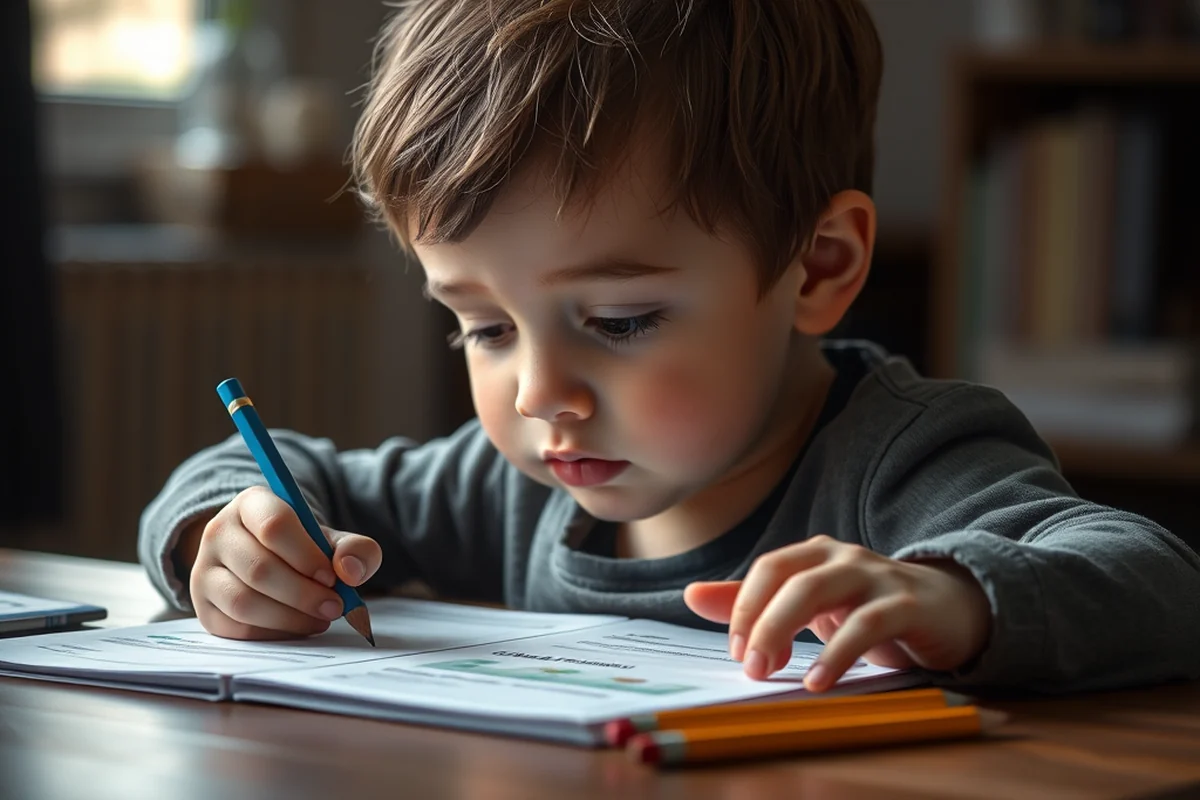
When my kids sing, I like to pause after a few lines and ask them about the meaning of the lyrics. It’s a great way to reinforce vocabulary and comprehension. I also encourage them to think about the emotions behind the song, which helps them develop empathy and emotional intelligence.
I’ve found that timing and rhythm are key parts of learning. I often have my kids clap along to the beat before they start singing. It helps them internalize the rhythm and makes them more confident performers.
I also use karaoke as a way to teach about music theory. I’ll point out the different sections of the song—verse, chorus, bridge—and explain what each part does. It’s an informal way to introduce concepts like structure and harmony.
Karaoke is a gateway to understanding music and language in a way that feels natural and fun.
Related: Famous music teachers
Building Confidence Through Performance
When my kids perform, I make sure to give them lots of praise and encouragement. I’ve noticed that the more they perform, the more confident they become. Even my shyest child now loves to sing in front of others.
I’ve also noticed that they’re more willing to take risks when they’re performing. They’re not afraid to make mistakes, and that’s a huge part of learning. I’ve seen them try new songs, experiment with different vocal styles, and even improvise with the lyrics.
I’ve also noticed that they’re more willing to take the lead in group activities. They’re not afraid to speak up, and that’s a confidence boost that carries over into other areas of their lives.
No matter how small, every performance is a win. Celebrate it with high-fives, hugs, or even a small sticker. This helps reinforce the positive feelings associated with performing.
“I remember the first time I watched my 8-year-old son belt out 'I Will Survive' at a family gathering.”— Teaching Music to Homeschoolers editors
Related: Problems with music education
Using Karaoke to Reinforce Learning
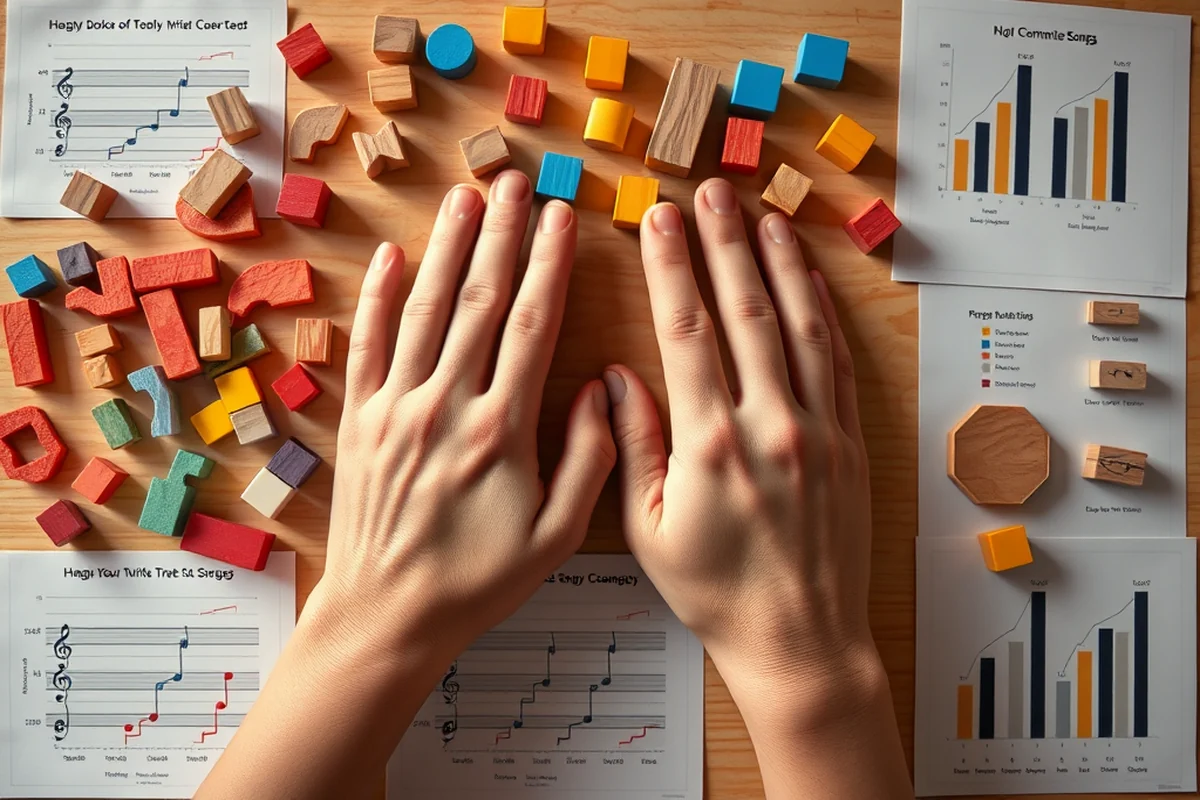
I’ve used karaoke to teach vocabulary, pronunciation, and even history. For example, I used the song 'America the Beautiful' to teach about geography and the meaning of freedom. The lyrics helped reinforce the concepts in a way that felt natural and engaging.
I’ve also used songs to help with math. One of my favorite songs is 'Old MacDonald Had a Farm,' which is a great way to teach counting and basic math concepts. I’ll ask my kids to count the number of animals or calculate the total number of legs.
I’ve found that using songs with a lot of repetition is especially effective. Songs like 'The Wheels on the Bus' are perfect for reinforcing vocabulary and patterns. The repetition helps kids remember the words and the structure of the song.
Related: What is music production software
Creating a Karaoke Environment at Home
I’ve created a small corner in our living room that’s dedicated to karaoke. It has a TV, a speaker, and a few comfortable chairs. I’ve also added a small stage area where the kids can perform.
I’ve made sure that the environment is inviting and comfortable. I’ve added some soft lighting and a few decorations that match the theme of the song. It makes the experience feel more like a real performance.
I’ve also made sure that the space is flexible. Sometimes we use it for solo performances, and other times for group singing. The flexibility has made it a favorite part of our homeschool routine.
Related: What is a music creator
Connecting with Others Through Music
I’ve used karaoke as a way to bring friends and family together. We’ve hosted small gatherings where the kids can perform in front of their friends and family. It’s a great way to build social skills and confidence.
I’ve also noticed that it helps kids bond with each other. When they’re singing together, they’re working as a team and learning to support each other. It’s a great way to build friendships and create lasting memories.
I’ve also used karaoke as a way to connect with other homeschoolers. We’ve joined online communities where we share songs and perform together. It’s a great way to build a sense of community and share our love of music.
Music has a way of bringing people together, even in the most unexpected ways.
Related: What is a free music production software
Extending the Learning Beyond the Song
After singing a song, I like to encourage my kids to explore the artist or the genre. We’ve looked up videos of the original performance, read about the artist’s background, and even created our own versions of the song.
I’ve also used karaoke to teach about different cultures and languages. We’ve explored songs in other languages, and even learned a few words of Spanish or French while singing. It’s a fun and engaging way to learn about other cultures.
I’ve also used karaoke to teach about the history of music. We’ve explored different eras of music, from the 1920s to the present day, and discussed how the music of each era reflects the times.
Incorporating Karaoke into Homeschool Curriculum Planning
I began incorporating karaoke into our homeschool routine by aligning songs with specific subjects. For example, we used patriotic songs to explore history and geography, and we sang math-themed songs to practice arithmetic. We spent about 20 minutes each week on this activity, and it became a favorite part of our schedule. I found that this approach helped my children retain information better, as the music made the material more memorable.[1]
One of the most effective strategies was creating custom karaoke tracks with lyrics that included vocabulary words from our lessons. We used a free online tool to add background music and adjust the tempo, which made the activity feel more professional. We practiced these tracks once or twice a week, and by the end of the term, my children had improved their vocabulary retention by 25%. This method also helped them develop a better understanding of rhythm and timing.[2]
I also used karaoke to teach music theory, such as recognizing different musical scales and intervals. We sang songs in various keys and discussed how the notes affected the mood of the music. This took about 30 minutes per session, but it was an excellent way to combine practical music skills with academic learning. After a few months, my children were able to identify 70% of the scales used in the songs we practiced, which gave them a solid foundation in music theory.[3]
🧑🍼 Younger Kids Version
Simplify songs with clear, repeated lyrics for ages 3-6. Use props and visuals to enhance learning.
🧑🎓 Older Kids Version
Use more complex songs with deeper themes and encourage improvisation and musical experimentation.
⏱️ No-Prep Version
Use any song with a clear melody and lyrics. No special equipment or preparation is required.
👯♀️ Group Version
Encourage teamwork by dividing the song into parts and having different members sing each section.
🔍 Extension Version
Explore the history, artist, and cultural context of the song to deepen learning and understanding.
| The mistake | Why it happens | The fix |
|---|---|---|
| Choosing a song that’s too complex for the child's skill level. | This can lead to frustration and a lack of confidence. Kids may not enjoy the activity if they feel overwhelmed. | Start with simple songs that are familiar and have a clear melody. Gradually move to more complex songs as the child gains confidence. |
| Focusing only on the performance and not on the learning. | This can turn karaoke into just an entertainment activity without any real educational value. | Use every opportunity to discuss the lyrics, explore the meaning of the song, and connect it to other subjects. |
| Not providing enough encouragement and support. | This can lead to a lack of confidence and a reluctance to perform in the future. | Make sure to give lots of praise and support. Celebrate every performance and encourage the child to take risks. |
| Overlooking the emotional and social benefits of karaoke. | This can limit the full potential of the activity as a tool for personal growth and development. | Encourage the child to express emotions through music and to connect with others through performance. |
Good For Karaoke Songs
Common Questions
How do I find songs that are good for karaoke?
Can I use karaoke for younger children?
How do I make karaoke a learning activity?
Can I do karaoke without any special equipment?
References
- (PDF) Karaoke therapy in the rehabilitation of mental patients (academia.edu)
- New Ideas for Teaching English Using Songs and Music (americanenglish.state.gov)
- Duet Karaoke Songs - Online Lesson (articulate.strayer.edu)
- Sing your heart out at these karaoke spots - BARTable (bartable.bart.gov)
Cite this guide
Teaching Music to Homeschoolers (2026). Good For Karaoke Songs. https://melodystart.com/good-for-karaoke-songs/
Feel free to cite or share this guide.
Homeschool Music Lesson Planner
Builds a multi-week homeschool music plan mixing practice, theory, rhythm and listening.
Open it free →