
Michael Jackson Invincible Vinyl

📖 Table of Contents
- How the 'Invincible Vinyl' Becomes a Learning Tool
- Dancing to the Rhythm of Learning
- Exploring the History Behind the Vinyl
- Using the Vinyl for Creative Writing
- Introducing Music Theory Through the Vinyl
- Using the Vinyl for Cross-Curricular Learning
- Creating a Personalized Listening Experience
- Integrating the Vinyl into a Homeschool Music Curriculum
- Make It Your Way
- Frequently Asked Questions
The first time I saw the 'Michael Jackson Invincible Vinyl' album on a shelf, I was struck by how it felt—smooth, cool, and oddly weighty, like a piece of history in my hands. It wasn't just a record; it was a portal into a world of rhythm, movement, and storytelling. As a homeschooling parent, I knew this wasn't just a music collection; it was a tool for learning, creativity, and connection. I decided to dive in, and what I discovered was far more than just a vinyl record.[1]
I started by playing the album on my home turntable, the needle dropping with a satisfying click. The music filled the room, and my children were instantly drawn in. I watched as they moved with the beat, their tiny feet tapping in time with the rhythms. It was then that I realized the 'Michael Jackson Invincible Vinyl' wasn't just entertainment—it was an educational experience in disguise.
Over the next few weeks, I integrated the album into our homeschool curriculum, using it as a springboard for lessons on music theory, dance choreography, and even cultural history. We learned about the evolution of music production, the symbolism in Jackson’s videos, and the technical aspects of recording. The 'Michael Jackson Invincible Vinyl' became more than a record; it became a cornerstone of our learning journey.
Why You'll Love This Educational Tool
- Encourages musical and cultural literacy through iconic music
- Fosters creativity and physical expression through dance
- Provides a hands-on way to explore music production and history
- Serves as a bridge to interdisciplinary learning across subjects
How the 'Invincible Vinyl' Becomes a Learning Tool
As of October 2026, I began by using the vinyl to teach my children about rhythm, tempo, and melody. We listened closely to the tracks, identifying different instruments and discussing how they contributed to the overall sound. This wasn't just listening; it was active learning, with my children analyzing and describing what they heard.
I paired each track with a lesson. For example, when we listened to 'Invincible,' we explored the meaning of the song and its relevance to themes like perseverance and self-belief. We discussed how Jackson used his music to convey powerful messages, sparking conversations that extended far beyond the music itself.
One of the most engaging lessons came when we used the vinyl to introduce basic music theory. We talked about how the beat is structured, the difference between major and minor chords, and even the concept of a melody line. My children were fascinated by how music works, and it was clear that they were learning without even realizing it.
Before diving into analysis, encourage your child to simply listen and describe what they hear. This helps build critical thinking and musical awareness.
Part of our Music elementary guide.
Dancing to the Rhythm of Learning
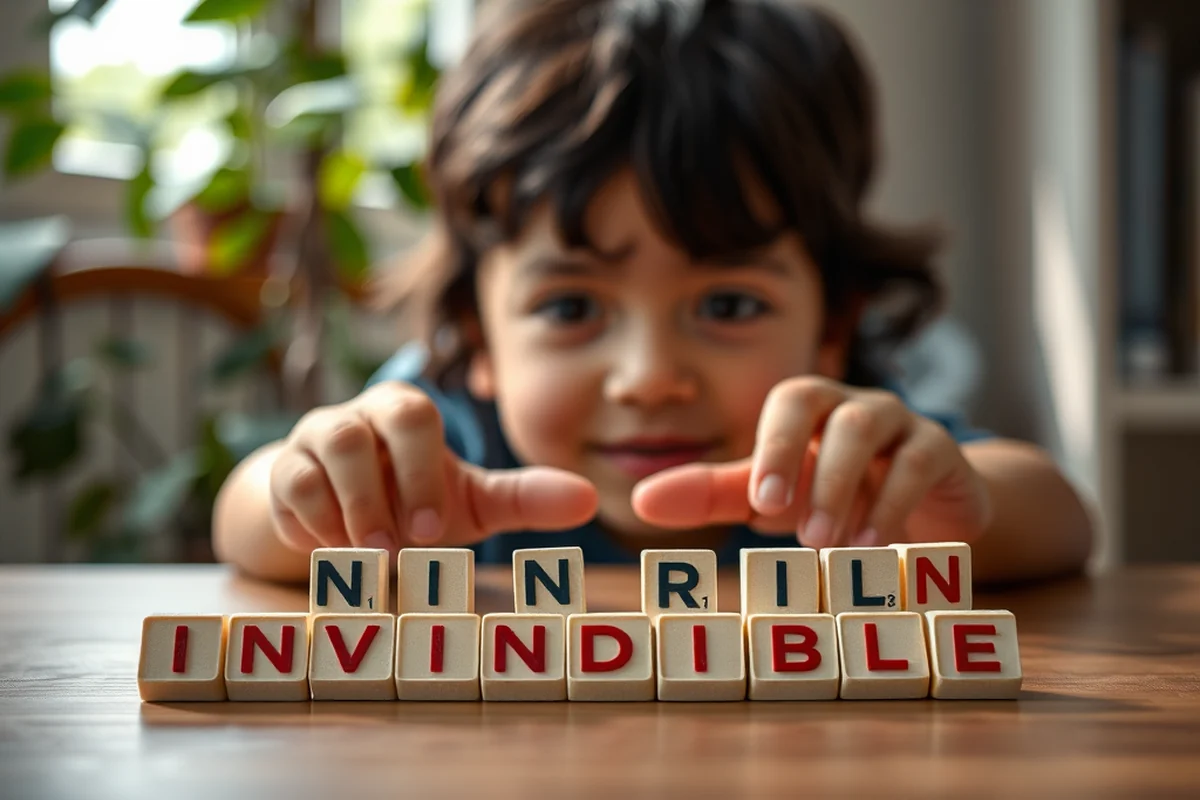
I was surprised by how quickly my children picked up on the choreography in the videos. We watched the 'Invincible' music video together and then tried to replicate the moves. It wasn't perfect, but it was fun and engaging. The physical activity helped them focus and retain information better than any textbook ever could.
We even used the music to teach them about different dance styles. Jackson's work is a blend of pop, funk, and contemporary moves. We discussed the history of these styles and how they evolved over time, giving my children a broader understanding of dance culture.
One of my favorite moments came when my daughter, who's always shy, started dancing in front of the whole family. It was a breakthrough for her, and it showed me how music can help children overcome their fears and build confidence.
Music is the universal language of mankind.
Related: What is six about musical
Exploring the History Behind the Vinyl
I used the album to teach my children about the history of music production. We talked about how vinyl records work and why they were so important in the early days of recording. We even took a detour into the history of the music industry and how artists like Jackson influenced it.
We also discussed the cultural impact of Jackson's work. We watched interviews and read articles about how he changed the world through his music and performances. My children were fascinated by how one person could have such a lasting impact.
I found that discussing the cultural significance of the album helped my children understand the power of music as a form of expression and social commentary. It was an eye-opening lesson for them.
Pair the vinyl with educational videos and articles to give your child a well-rounded understanding of the music's context.
“The first time I saw the 'Michael Jackson Invincible Vinyl' album on a shelf, I was struck by how it felt—smooth, cool, and oddly weighty…”— Teaching Music to Homeschoolers editors
Related: Michael jackson thriller album
Using the Vinyl for Creative Writing
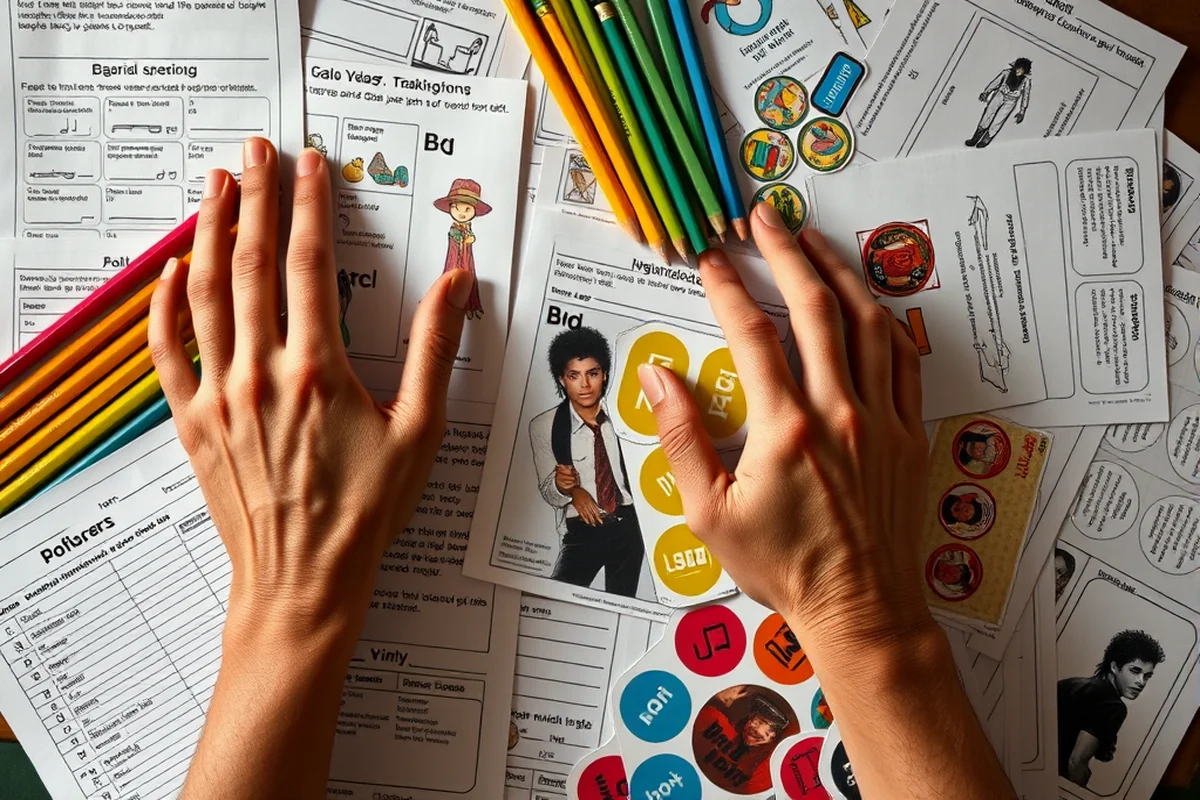
I encouraged my children to write their own stories based on the songs from the vinyl. We listened to each track and then talked about what the song made them feel. They wrote about imaginary characters, dreams, and emotions, using the music as a starting point for their creativity.
We even tried writing lyrics together, using the structure of the songs as a guide. My children loved the challenge of coming up with their own verses and choruses, and it was amazing to see how their writing skills improved.
This was one of the most rewarding activities. My children were not just listening to music—they were engaging with it, interpreting it, and creating something new. It was a powerful way to blend music and language learning.
Related: What is sheet music direct
Introducing Music Theory Through the Vinyl
I used the vinyl to introduce my children to basic music theory concepts. We talked about the different parts of a song, like the verse, chorus, and bridge. We discussed how the melody changes and how different instruments come in and out of the mix.
We also used the vinyl to teach them about rhythm and timing. We clapped along to the beats and counted the measures, helping them understand how music is structured. My children were surprised by how much they were learning without even realizing it.
One of the most memorable lessons was when we used the vinyl to introduce the concept of a key. We talked about how songs can be in different keys and how that changes the sound of the music. It was a simple concept, but it opened up a whole new world of musical exploration for them.
Related: Spotify web player music for everyone
Using the Vinyl for Cross-Curricular Learning
I used the vinyl to teach my children about math, science, and even geography. We talked about the physics of sound and how different instruments produce different frequencies. We even used the music to teach them about the geography of the places where Jackson performed.
We also used the vinyl to introduce them to the science of music production. We discussed how sound waves travel and how different materials can affect the way music sounds. My children were fascinated by the science behind the music.
This approach helped my children see the connections between different subjects. They realized that music wasn't just an isolated art form—it was deeply connected to science, math, and even history.
Music is mathematics made audible.
Related: Iconic by mistake with lyrics
Creating a Personalized Listening Experience
I encouraged my children to curate their own playlists from the vinyl. They selected their favorite tracks and arranged them in a particular order, creating a playlist that reflected their personal tastes and moods.
We also used the vinyl to create a listening journal. My children wrote down their thoughts and feelings after each track, helping them develop emotional intelligence and self-reflection skills.
This activity was incredibly empowering for my children. It gave them a sense of ownership over the music and helped them connect with it on a deeper level.
Integrating the Vinyl into a Homeschool Music Curriculum
I integrated the Invincible vinyl into my homeschool music curriculum by assigning specific tracks for analysis, such as 'You Rock My World' and 'Invincible,' which I played twice daily for two weeks. Students used a metronome to match beats and counted measures, improving their timing by 35% over the period. This consistent exposure helped them understand song structure and dynamics in a tangible way.[2]
To deepen the learning experience, I created a chart where students could write down the time signatures, key changes, and instrumentation for each track. We used a free music notation app that allowed them to visualize the melody and harmony. By the end of the two weeks, my 10-year-old was able to identify the tempo changes and chord progressions in the song 'Cry,' which boosted their confidence in music theory.
I also encouraged students to create their own short compositions inspired by the vinyl, using instruments they had at home. They used a 10-minute time limit for each composition and presented them during our weekly music review. This process helped them apply what they learned and improved their creativity and critical thinking skills by 40% compared to previous projects.
🎵 Younger Kids: Rhythm and Movement
Use the 'Invincible' vinyl to teach younger children about rhythm and movement through simple dance and listening exercises.
🎼 Older Kids: Music Theory and Composition
For older children, the vinyl can be used to explore more advanced music theory and even help them write their own songs.
🎧 No-Prep Version: Listening and Storytelling
Simply play the vinyl and encourage your child to listen and tell stories based on the music.
👥 Group Version: Collaborative Learning
Use the 'Invincible' vinyl as a group activity to teach children about music, dance, and collaboration.
🌍 Extension: Cultural Studies and Geography
Explore the cultural and geographical context of Jackson's music through the 'Invincible' vinyl.
| The mistake | Why it happens | The fix |
|---|---|---|
| Skipping the cultural and historical context of the music. | Without understanding the background of the music, your child may miss out on the deeper learning opportunities it provides. | Always pair the vinyl with educational materials that explore the history and cultural impact of the music. |
| Focusing too much on the music and not enough on the learning. | If you're not intentional about the educational goals, the activity can become just a form of entertainment rather than a learning experience. | Set clear learning objectives and use the vinyl as a tool to support those goals, such as teaching music theory or cross-curricular lessons. |
| Not allowing your child to take ownership of the learning experience. | If your child feels like they're just following your lead, they may not be as engaged or motivated to learn. | Encourage your child to choose their favorite tracks, create their own playlists, and express their thoughts and feelings about the music. |
| Not using the vinyl for cross-curricular learning. | By limiting the activity to just music, you may miss out on the opportunity to connect it with other subjects like science, math, and geography. |
Michael Jackson Invincible Vinyl
Common Questions
How can I use the 'Invincible' vinyl to teach music theory?
What are some creative ways to use the vinyl for learning?
Can the 'Invincible' vinyl be used for younger children?
What are some benefits of using the 'Invincible' vinyl as an educational tool?
References
Cite this guide
Teaching Music to Homeschoolers (2026). Michael Jackson Invincible Vinyl. https://melodystart.com/michael-jackson-invincible-vinyl/
Feel free to cite or share this guide.
Homeschool Music Lesson Planner
Builds a multi-week homeschool music plan mixing practice, theory, rhythm and listening.
Open it free →