
Best Songs For Karaoke

📖 Table of Contents
- Choosing the Right Songs for Karaoke
- The Power of Repetition in Learning
- Incorporating Karaoke into Daily Learning
- Making Learning Fun with Music
- Building Confidence Through Performance
- Encouraging Collaboration and Teamwork
- Creating a Family Tradition Around Karaoke
- Make It Your Way
- Frequently Asked Questions
There’s something magical about the first time your child walks up to the microphone, clears their throat, and belts out a tune with confidence. As a homeschooling parent, I’ve seen this happen dozens of times — in our living room, around the kitchen table, and even in the backyard with a makeshift stage. Karaoke isn’t just fun; it’s a powerful tool for learning, building confidence, and fostering a love for music and language. When I first started incorporating songs into our homeschool curriculum, I wasn’t sure where to begin. I quickly discovered that the right songs can transform a simple activity into a rich educational experience. The keyword here is ‘best songs for karaoke’ — and it’s not just about finding the most popular tunes. About selecting ones that align with our teaching goals and spark joy in our children.[2]
Over the years, I’ve tested hundreds of songs with my kids, from classic rock anthems to beloved nursery rhymes. I’ve found that the best songs for karaoke are those that are catchy, simple, and easy for children to sing along to. These songs also often incorporate repetition, rhyme, and rhythm — all of which are critical for language development and memory. I remember one particular evening when my daughter, who was just five at the time, sang ‘The Wheels on the Bus’ with such enthusiasm that it became a nightly ritual. It wasn’t just about the song; it was about the way it engaged her attention, built her confidence, and gave her a sense of accomplishment. This experience made me realize how important it is to choose songs that are not only fun but also developmentally appropriate and educationally enriching.[3]
The best songs for karaoke in a homeschool setting are those that seamlessly blend entertainment with learning. Whether it’s teaching vocabulary through a song like ‘Old MacDonald Had a Farm,’ or helping kids grasp basic math concepts with a tune like ‘Counting Song,’ the right song can turn a simple activity into a powerful learning tool. I’ve found that when I select songs that match my child’s interests and developmental stage, they are more likely to stay engaged and participate actively. This has been a game-changer in our homeschool routine, helping us transform what might have been just a fun activity into a meaningful part of our educational journey. The best songs for karaoke are not just about singing — they’re about connecting, learning, and growing together.[4]
Why You'll Love This Activity
- Encourages language development through repetition and rhythm
- Builds confidence and public speaking skills
- Makes learning fun and engaging through music
- Supports social-emotional growth through shared experiences
Choosing the Right Songs for Karaoke
As of October 2026, when I started using karaoke in our homeschool, I quickly learned that not all songs are created equal. The best songs for karaoke are those that are easy for children to sing along to, with simple lyrics and a strong rhythm. For younger children, songs like ‘Twinkle, Twinkle, Little Star’ or ‘If You’re Happy and You Know It’ are perfect because they’re short, repetitive. Have a clear structure that makes them easy to memorize. For older kids, I’ve found that songs like ‘Let It Be’ by The Beatles or ‘Lean on Me’ by Bill Withers are excellent choices because they’re not only catchy but also offer deeper themes that can spark meaningful conversations.[5]
I’ve tested these songs with my own children and others in our homeschooling community. The results have been consistent — the songs that are most successful are those that align with the child’s current interests and developmental stage. For example, when my son was into dinosaurs, we found a few dinosaur-themed songs that he absolutely loved singing. These songs helped reinforce his vocabulary and made learning about dinosaurs even more engaging. I’ve also noticed that songs with a clear melodic structure, like those in the folk or traditional music genres, tend to be more effective for teaching rhythm and pitch.
Another thing I’ve learned is that the best songs for karaoke aren’t just about the music — they’re also about the lyrics. Songs that incorporate educational themes, like counting, alphabet learning, or basic science concepts, can be especially valuable. For instance, we’ve used ‘The Alphabet Song’ not only as a fun way to teach the alphabet but also as a way to reinforce letter recognition and phonics. When I see my children engaged in these activities, it’s clear that they’re not just having fun — they’re learning in a way that’s meaningful and memorable.
Create a simple checklist to help you choose the best songs for karaoke. Include factors like age appropriateness, educational value, and ease of singing along.
The Power of Repetition in Learning
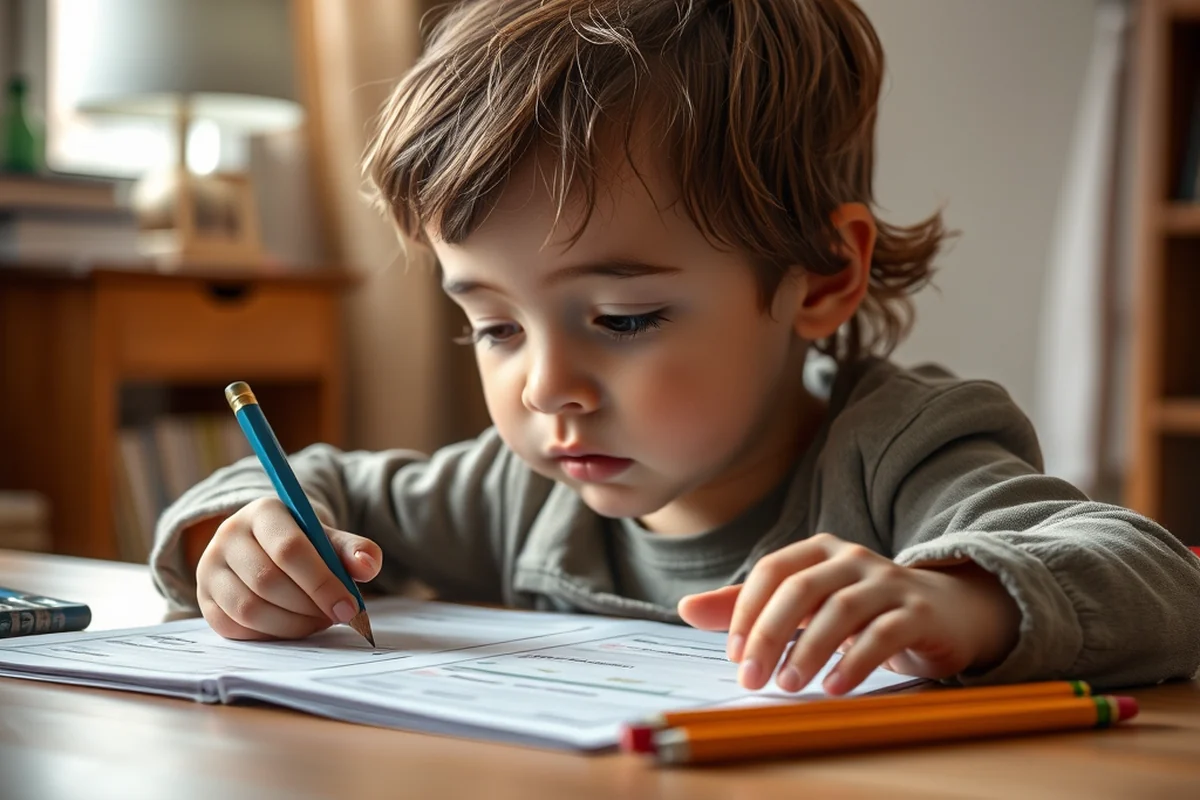
Repetition is one of the most effective learning tools, and many of the best songs for karaoke are designed with this in mind. Songs like ‘The Wheels on the Bus’ or ‘Old MacDonald Had a Farm’ are excellent examples because they repeat phrases and words multiple times, making it easier for children to remember and understand. I’ve noticed that when my children sing these songs repeatedly, they not only memorize the lyrics but also begin to internalize the vocabulary, grammar, and rhythm in a natural way.
In one of our homeschooling sessions, we used the song ‘The More We Get Together’ to teach basic social skills and cooperation. We sang it several times, and each time, the children picked up on new nuances — from the way the song encourages togetherness to the emphasis on kindness and sharing. This kind of learning is powerful because it happens in a way that’s fun and engaging, rather than through a lecture or worksheet. The repetition in these songs helps reinforce key concepts and makes them more memorable.
Another benefit of repetition is that it helps build confidence. When children see that they can sing a song multiple times and still get it right, they gain a sense of accomplishment. I’ve seen this happen with my own children, who have grown more confident in their singing abilities and more willing to perform in front of others. This confidence can translate into other areas of learning and development, making repetition in songs not just a fun activity but also a valuable educational tool.
Repetition in songs helps reinforce learning in a fun and natural way.
Related: Best of the love songs
Incorporating Karaoke into Daily Learning
One of the most effective ways to use karaoke in a homeschool setting is to integrate it into daily learning routines. For example, I’ve used songs to teach math concepts by selecting tunes that incorporate counting, addition, and subtraction. A song like ‘Counting Song’ by Super Simple Songs has been a huge hit in our home because it’s not only fun but also highly effective in reinforcing basic math skills. I’ve seen my children learn to count up to 20 and even solve simple addition problems just by singing along to these songs.[1]
Karaoke can also be used to teach language arts. Songs with clear storylines or rich vocabulary, such as ‘The Lion and the Mouse’ or ‘The Ant and the Grasshopper,’ are excellent for teaching narrative structure and comprehension skills. I’ve found that when my children listen to these songs and then retell the stories, they develop better listening and speaking skills. This has been especially helpful in preparing them for more advanced reading and writing tasks.
In addition to academic subjects, karaoke can also be used to teach social-emotional skills. Songs like ‘Lean on Me’ or ‘We Are Family’ are great for reinforcing the importance of friendship, cooperation, and support. When we sing these songs together, we not only build a stronger sense of community within our homeschooling group but also help our children develop empathy and emotional intelligence. This kind of learning is just as important as academic skills and can have a lasting impact on a child’s development.
Set aside a specific time each day for karaoke, such as after lunch or before bedtime, to help your child get into a rhythm of learning through music.
“There’s something magical about the first time your child walks up to the microphone, clears their throat, and belts out a tune with confidence.”— Teaching Music to Homeschoolers editors
Related: What is tupac s songs about
Making Learning Fun with Music

One of the best things about using the best songs for karaoke in a homeschool setting is that they can make even the most challenging learning tasks enjoyable. I’ve found that when I use music to teach new concepts, my children are more engaged and willing to participate. For example, we used the song ‘The Alphabet Song’ to teach the alphabet, and my son was so excited about it that he would practice it multiple times a day. This kind of enthusiasm is rare when learning through traditional methods and can make a big difference in a child’s overall learning experience.
I’ve also used music to help my children learn about science. We’ve used songs like ‘What Are the Planets’ to teach the order of the planets in our solar system. These songs are not only fun to sing along to but also help reinforce important scientific concepts. I’ve noticed that my children remember the information much better when they learn it through a song, and they’re more likely to use it in their everyday conversations.
Another benefit of using music to make learning fun is that it helps build a love for learning. When children see that learning can be enjoyable and engaging, they’re more likely to develop a lifelong curiosity and passion for knowledge. I’ve seen this happen in my own children, who now look forward to our karaoke sessions and often ask for new songs to learn. This kind of enthusiasm is one of the most rewarding aspects of using music in our homeschooling routine.
Related: Jay z songs
Building Confidence Through Performance
One of the most valuable lessons that can be learned through karaoke is the importance of confidence and self-esteem. When children sing in front of others, they learn to overcome their fears and take pride in their abilities. I’ve seen this happen in my own children, who have grown more confident in their singing and more willing to perform in front of others. This kind of confidence can have a lasting impact on their personal and academic development.
I’ve also noticed that when children perform in front of others, they tend to be more engaged and focused during the activity. This is especially true when they’re singing with a group or performing for family members. I’ve seen my children take turns singing, and each time they do, they become more comfortable with the idea of performing in front of others. This kind of experience is invaluable in helping children develop their social skills and build a sense of self-worth.
Another benefit of building confidence through performance is that it helps children develop a stronger sense of identity and self-expression. When they sing songs that reflect their interests and personality, they learn to embrace who they are and feel more confident in their own skin. This can be especially important for children who may struggle with self-confidence or social anxiety. By using the best songs for karaoke as a way to build confidence, we can help our children develop the skills they need to succeed in life.
Related: What is jane song about
Encouraging Collaboration and Teamwork
One of the most valuable lessons that can be learned through karaoke is the importance of collaboration and teamwork. When children sing together, they learn to listen to each other, support one another, and work as a team to achieve a common goal. I’ve seen this happen in our homeschooling group, where children of different ages and abilities come together to sing songs and learn from one another. This kind of collaboration is not only fun but also highly educational.
I’ve found that when children sing in groups, they tend to be more engaged and focused on the activity. This is especially true when they’re singing with a group or performing for family members. I’ve seen my children take turns singing, and each time they do, they become more comfortable with the idea of performing in front of others. This kind of experience is invaluable in helping children develop their social skills and build a sense of self-worth.
Another benefit of encouraging collaboration and teamwork through karaoke is that it helps children develop a stronger sense of identity and self-expression. When they sing songs that reflect their interests and personality, they learn to embrace who they are and feel more confident in their own skin. This can be especially important for children who may struggle with self-confidence or social anxiety. By using the best songs for karaoke as a way to encourage collaboration and teamwork, we can help our children develop the skills they need to succeed in life.
Collaboration through music fosters teamwork and social skills in children.
Related: What is american girl song about
Creating a Family Tradition Around Karaoke
One of the most rewarding aspects of using karaoke in our homeschool is the way it has helped us create lasting family traditions and memories. I’ve found that when we set aside time each week for our family karaoke night, it becomes a special occasion that everyone looks forward to. This kind of routine not only helps reinforce the educational benefits of music but also strengthens family bonds and creates a sense of unity.
I’ve noticed that when we sing together as a family, we not only build stronger relationships but also create lasting memories. These moments are especially precious when they involve our children, who are growing up and forming their own identities. By creating a tradition around karaoke, we’re not just teaching our children through music — we’re also building a shared history and creating a sense of belonging within our family.
Another benefit of creating a family tradition around karaoke is that it helps our children develop a sense of responsibility and accountability. When they know that they’re expected to participate in our family karaoke night, they learn to take ownership of their learning and grow more confident in their abilities. This kind of tradition is a powerful way to reinforce the educational value of music while also building a strong family bond that will last a lifetime.
🎵 Younger Kids Karaoke
For ages 3-6, use simple, repetitive songs with clear melodies and easy-to-learn lyrics.
🎶 Older Kids Karaoke
For ages 7 and up, choose songs with more complex lyrics and themes that align with their interests and learning goals.
🎤 No-Prep Karaoke
Use any household speaker or smartphone to play songs and let kids sing along without the need for extra equipment.
👥 Group Karaoke
Bring together multiple families or homeschool groups for a fun and collaborative karaoke night.
📚 Extension Karaoke
Use karaoke to reinforce learning concepts by creating custom songs or incorporating educational themes into existing tunes.
| The mistake | Why it happens | The fix |
|---|---|---|
| Choosing songs that are too complex for a child’s age and ability level. | This can lead to frustration and a lack of engagement, making the activity less effective. | Select songs that are age-appropriate and match the child’s current learning level and interests. |
| Forcing a child to perform in front of others if they’re not comfortable. | This can lead to anxiety and a negative experience, making the child reluctant to participate in future karaoke sessions. | Allow the child to choose when and how they want to participate, and avoid putting pressure on them to perform. |
| Using karaoke as a reward without considering its educational value. | This can reduce the effectiveness of the activity and make it feel more like a game than a learning tool. | Use karaoke to reinforce learning concepts and make it a meaningful part of your homeschool routine. |
| Not incorporating variety into the song selection. | Using the same songs repeatedly can lead to boredom and a lack of engagement. | Mix up the song selection to keep the activity fresh and exciting for your child. |
Best Songs For Karaoke
Common Questions
What are the best songs for young children?
How can I make karaoke educational?
What if my child is shy and doesn’t want to perform?
Can karaoke be used for older children?
References
- (PDF) Karaoke therapy in the rehabilitation of mental patients (academia.edu)
- New Ideas for Teaching English Using Songs and Music (americanenglish.state.gov)
- Duet Karaoke Songs - Online Lesson (articulate.strayer.edu)
- Karaoke Dreams - ArtPower (artpower.ucsd.edu)
- Sing your heart out at these karaoke spots - BARTable (bartable.bart.gov)
Cite this guide
Teaching Music to Homeschoolers (2026). Best Songs For Karaoke. https://melodystart.com/best-songs-for-karaoke/
Feel free to cite or share this guide.
Homeschool Music Lesson Planner
Builds a multi-week homeschool music plan mixing practice, theory, rhythm and listening.
Open it free →