
What Is The Best Of A Song

📖 Table of Contents
- What Is The Best Of A Song?
- How to Identify the 'Best of a Song'
- The Role of Emotion in Identifying the 'Best of a Song'
- Analyzing Structure and Form in Music
- Exploring Different Genres to Find the 'Best of a Song'
- The Impact of Repetition and Variation in a Song
- Encouraging Children to Create Their Own 'Best of a Song'
- Make It Your Way
- Frequently Asked Questions
I used to think that the 'best of a song' was just the chorus — the part that stuck in your head and made you want to sing along. But as a homeschooling parent, I quickly learned that music is much more than that. One day, while teaching my son how to play a simple melody on the piano, he asked me, 'What is the best of a song?' That question opened a whole new world of exploration in our home. We began dissecting songs, not just listening for fun, but analyzing rhythm, harmony, and structure — all while learning about music theory, history, and even math. It was a revelation that changed how we approached music in our homeschool.[1]
Since that day, I've made it a point to explore every aspect of a song, from its opening notes to its final chord. I've discovered that the 'best of a song' isn't always the most obvious part — it can be the instrumental bridge, the dynamic shift in a solo, or even the way a melody builds to a climax. This realization has become a cornerstone of our homeschool music curriculum. Instead of playing a song and moving on, we now take time to break it down, discuss its components, and reflect on why certain parts stand out. It's not just about listening; it's about understanding.
One of my favorite lessons came from a simple children's song. We were analyzing the melody and I noticed how the rhythm changed in the second verse — it was faster, more complex. My son asked, 'Why did the song change like that?' That question led us into a discussion about musical expression, emotion, and storytelling through music. From that moment on, I realized that the 'best of a song' is not just about the music itself, but about the journey of discovery it can take us on. It's about learning, exploring, and growing — together.
Why You'll Love This Activity
- Encourages deep listening and critical thinking about music
- Builds a foundation for understanding music theory and composition
- Fosters creativity and expression through exploration
- Creates a meaningful and engaging learning experience for children
What Is The Best Of A Song?
As of October 2026, when teaching my children about music, I often start by asking them, 'What is the best part of this song?' Their answers are always fascinating — sometimes they pick the chorus, sometimes the instrumental break. But it's not about finding the 'best' in a traditional sense; it's about what resonates most with them. This activity encourages them to think critically and express their preferences in a way that's meaningful to them.[2]
I've found that this approach works best when I play a variety of songs — from classical compositions to modern pop hits. Each song has its own story, and I guide my children to explore what makes each one unique. For example, I once played a piece by Beethoven and my daughter said, 'I like when the music gets louder and then softer again — it feels like a story.' That moment was pure gold; it showed how music can be a gateway to deeper learning.[3]
This activity is particularly effective because it allows children to take ownership of their learning. Instead of telling them what to listen for, I ask open-ended questions that spark their curiosity. The result is a more engaged, thoughtful, and passionate approach to music education.
Begin the activity with a song your child already knows and loves. This makes them more likely to be curious and engaged in the process of analyzing it.
How to Identify the 'Best of a Song'
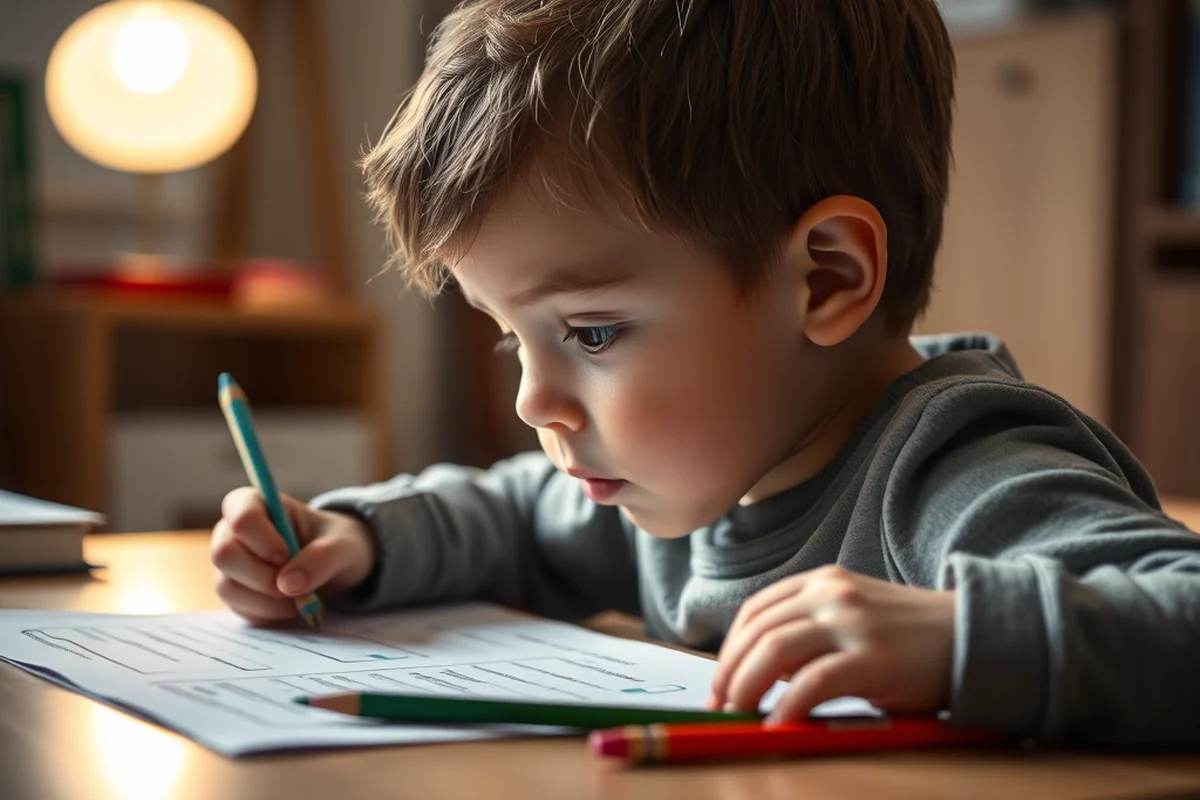
One of the most effective ways I've found to help children identify the 'best of a song' is through guided listening and discussion. I play a song, then pause it at different points and ask, 'What did you hear just now?' or 'What part of this song makes you feel the most?' These questions encourage children to think about the emotional and structural elements of the music.
I often use comparison as a tool to help my children understand why certain parts of a song stand out. For instance, I'll play two versions of the same song — one with a full band and one with just the voice — and ask them which one they prefer and why. This helps them recognize how different elements (like instrumentation and dynamics) can influence their experience of a song.
Another technique I use is to create a 'highlight reel' of a song — a short video or audio compilation of the parts my child finds most interesting. This not only reinforces their learning but also gives them a visual or auditory reminder of what they've discovered. It's a fun way to reinforce their engagement with the music.
Let their curiosity guide the journey — the best parts of a song are often the ones that spark the most conversation.
Related: Best of the love songs
The Role of Emotion in Identifying the 'Best of a Song'
I've noticed that when my children are emotionally engaged with a song, they are more likely to identify the parts they find most compelling. For example, after watching a movie with a powerful soundtrack, my son asked, 'Can we listen to that music again? I feel like it tells a story.' This led us into a conversation about how music can mirror emotions and even influence the way we feel.
To encourage emotional connection, I often use music that relates to their interests or experiences. If they're excited about dinosaurs, I might play a song with a strong rhythm that mimics the sound of a dinosaur roaring. This helps them make a personal connection to the music and makes the learning experience more meaningful.
I also ask my children to describe how a song makes them feel and why. This helps them develop emotional intelligence while also deepening their understanding of the music. For instance, when they listen to a sad song, they might say, 'It makes me feel like I want to cry — it's so quiet and slow.' That kind of reflection is powerful and shows how deeply they're engaging with the music.
Children are more likely to engage with music that relates to their interests, experiences, or emotions. This helps them form a personal connection to the song and its components.
“I used to think that the 'best of a song' was just the chorus — the part that stuck in your head and made you…”— Teaching Music to Homeschoolers editors
Related: What is tupac s songs about
Analyzing Structure and Form in Music
One of the most effective ways to help children understand the 'best of a song' is by teaching them about musical structure and form. I often break down a song into its basic elements — verse, chorus, bridge, solo — and explain how each part contributes to the overall sound and feel of the music. This helps them see how a song is composed and why certain parts might be more memorable or impactful.
For example, I once analyzed a pop song with my daughter and pointed out how the chorus was repeated multiple times, while the bridge introduced a new melody. She asked, 'Why do they repeat the chorus?' I explained that repetition can help make a song more familiar and catchy. This kind of discussion helps children understand the purpose behind different parts of a song.
I also encourage my children to listen for shifts in dynamics, tempo, and instrumentation — these are all elements that can affect how a song feels. By teaching them to recognize these changes, they can better identify what makes a particular part of a song the 'best.'
Related: Jay z songs
Exploring Different Genres to Find the 'Best of a Song'
I believe that exposure to different musical genres is essential for helping children understand the 'best of a song.' Each genre has its own unique characteristics. By exploring a wide range of music, my children have developed a more nuanced understanding of what makes a song stand out.
For instance, I've played classical music, jazz, rock, and world music with my children, and each time, they've had different reactions. My son once said, 'I like the way the jazz music sounds — it's more free and loose, like it's not following the same rules.' This kind of observation shows how different genres can influence their perception of what makes a song compelling.
I also encourage my children to compare songs from different genres and discuss their differences. This helps them develop critical thinking skills and a deeper appreciation for the diversity of music. It's a powerful way to connect learning with real-world experiences.
Related: What is jane song about
The Impact of Repetition and Variation in a Song
I've found that teaching my children about repetition and variation in music is a great way to help them understand why certain parts of a song stand out. Repetition, such as in the chorus of a song, helps make a melody more familiar and memorable. I've noticed that my daughter often points out the repeated parts of a song and says, 'That part is easy to remember — I like it the most.'
Variation, on the other hand, adds interest and keeps a song dynamic. For example, in some songs, the bridge introduces a new melody or changes the rhythm. I've seen my son get excited about these changes and say, 'I like the new part — it's different and fun!' This kind of response shows how variation can make a song more engaging.
By teaching my children to recognize how repetition and variation work in music, I help them understand why certain parts of a song are more compelling. This not only deepens their appreciation for music but also enhances their ability to analyze and compare different songs.
Repetition builds familiarity, variation keeps it exciting — both are essential in music.
Related: What is american girl song about
Encouraging Children to Create Their Own 'Best of a Song'
One of the most rewarding aspects of this activity is when my children create their own 'best of a song' — their own version of a song they love. This not only gives them a sense of ownership over their learning but also allows them to express their creativity in a meaningful way.
I often ask my children to choose a song they love and then create their own version of it using different instruments, rhythms, or even lyrics. This helps them understand how music can be adapted and reinterpreted in various ways. It also encourages them to think critically about what makes a song special and how they can express that in their own way.
For example, my son once created a version of a popular children's song using only a drum and a xylophone. He said, 'I wanted to make it sound different but still be the same song.' This kind of project not only reinforces their learning but also gives them a tangible way to see how they can influence and shape music.
🎵 Younger Kids: Exploring Rhythm and Melody
For younger children, focus on rhythm and melody. Use simple instruments and encourage them to clap or move to the beat of a song.
🎼 Older Kids: Analyzing Structure and Form
For older children, delve into musical structure and form. Teach them about verses, choruses, bridges, and solos, and ask them to identify these in songs.
🎧 No-Prep Version: Listening and Discussion
This version requires no materials — simply listen to a song and discuss what makes the 'best of a song' stand out. It's perfect for spontaneous learning moments.
👥 Group Version: Collaborative Song Analysis
In a group setting, have children work together to identify the 'best of a song.' This encourages collaboration and shared learning.
🎞️ Extension Activity: Creating a Highlight Reel
After identifying the 'best of a song,' create a short video or audio compilation of the parts your child finds most compelling.
| The mistake | Why it happens | The fix |
|---|---|---|
| Assuming the chorus is always the 'best' part of a song. | This can limit a child's ability to explore and discover other parts of a song that may be equally or more compelling. | Encourage your child to look beyond the chorus and consider other parts of the song — like the bridge, solo, or instrumental break. |
| Not allowing the child to take ownership of their learning. | Children are more engaged when they feel like they're participating in the process rather than being told what to listen for. | Ask open-ended questions and let your child guide the discussion based on what they find most interesting in the song. |
| Focusing too much on technical aspects and not enough on the emotional impact of a song. | This can make the activity feel more like a lesson in music theory than an engaging and meaningful learning experience. | Balance technical elements with emotional reflection by asking your child how a song makes them feel and why they find certain parts more compelling. |
| Ignoring the child's personal preferences and interests in music. | This can make the activity feel forced or disconnected from the child's own experiences and passions. | Use music that relates to the child's interests or experiences to make the activity more meaningful and engaging for them. |
What Is The Best Of A Song
Common Questions
How can I help my child identify the 'best of a song'?
What if my child doesn't know what to look for in a song?
How can I make this activity more engaging for my child?
Can I use this activity with a group of children?
References
- appendix B: text exemplars and sample Performance tasks (edu.wyoming.gov)
- Part 1.1: General Song Activities for Children's Songs (americanenglish.state.gov)
- North Carolina Foundations for Early Learning and Development (ncchildcare.ncdhhs.gov)
Cite this guide
Teaching Music to Homeschoolers (2026). What Is The Best Of A Song. https://melodystart.com/what-is-the-best-of-a-song/
Feel free to cite or share this guide.
Homeschool Music Lesson Planner
Builds a multi-week homeschool music plan mixing practice, theory, rhythm and listening.
Open it free →