
Elementary Music Classroom Management

📖 Table of Contents
- Establishing Clear Routines and Expectations
- Using Engaging and Interactive Activities
- Encouraging Positive Behavior Through Reinforcement
- Creating a Safe and Inclusive Environment
- Incorporating Technology for Enhanced Learning
- Building Strong Relationships with Students
- Using Music to Teach Life Skills
- Make It Your Way
- Frequently Asked Questions
I remember the first time I walked into a music classroom with a group of 8-year-olds, expecting them to sit quietly and sing in perfect harmony. Instead, there was a cacophony of laughter, off-key humming, and kids darting around the room like untethered kites. It was a humbling but eye-opening moment that taught me the importance of elementary music classroom management. With the right strategies, even the most energetic students can learn to focus, engage, and enjoy the music learning process.[1]
Elementary music classroom management is not just about keeping students in line — it's about creating an environment where creativity and discipline coexist. I discovered that this is possible by focusing on clear routines, engaging activities, and positive reinforcement. My first year of teaching music was a rollercoaster, but with time, I learned that managing a classroom full of young musicians was not only achievable, but also deeply rewarding.[2]
Now, I can confidently say that elementary music classroom management is one of the most crucial aspects of teaching music to young students. It's the difference between a chaotic, disorganized room and a space where students feel safe, inspired, and ready to learn. I've tested and refined a variety of techniques over the years, and I'm excited to share them with you in this article.[3]
Why You'll Love This Approach to Elementary Music Classroom Management
- Students learn to follow routines and expectations with minimal stress.
- Activities are designed to be both fun and educational, keeping kids engaged.
- Clear rules and consistent reinforcement foster a positive classroom environment.
- The techniques are adaptable for different grade levels and classroom sizes.
Establishing Clear Routines and Expectations
As of October 2026, from the moment students enter the classroom, it's important to establish clear routines and expectations. I used a visual schedule with pictures and short phrases to help students understand the sequence of the day. I also introduced simple rules such as 'listen with your ears' and 'move with care.' These rules were posted in the classroom and reviewed daily to reinforce their importance.[4]
Consistency is key with managing an elementary music classroom. I found that students responded best to predictable routines, such as a daily warm-up, music lesson, and a closing chant. These routines helped students transition smoothly between activities and stay focused throughout the class.
I also found that involving students in setting the rules made them more invested in following them. We had a class discussion about what makes a good music class, and we created a list of rules together. This collaborative approach not only empowered the students but also made them more accountable for their behavior.
Create a visual schedule with pictures and short phrases to help students understand the sequence of the day.
Part of our Teach music guide.
Using Engaging and Interactive Activities
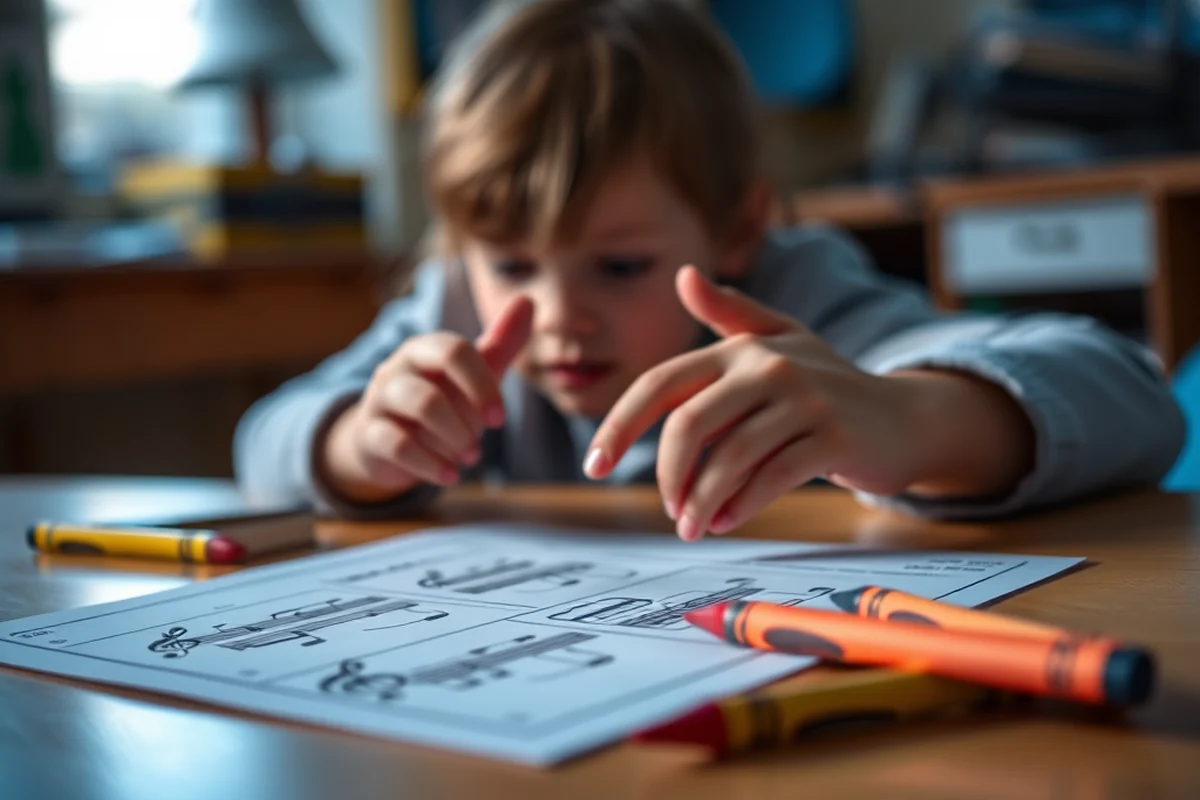
I discovered that the most effective way to manage an elementary music classroom is by using engaging and interactive activities that capture students' attention from the start. I incorporated movement, rhythm, and listening exercises into every lesson to keep students active and involved.
One of my favorite activities was a call-and-response song where the students would repeat a phrase after me. This helped build their listening skills and reinforced the idea of being a good listener in the classroom. I also used props like rhythm sticks, scarves, and tambourines to make the lessons more hands-on and fun.
I noticed that students were more focused and less likely to disrupt the class when they were actively participating in the lesson. It was a win-win situation — I was able to manage the class more effectively, and the students were having fun while learning.
Interactive activities keep students engaged and reduce the need for constant redirection.
Related: Music diploma courses in kerala
Encouraging Positive Behavior Through Reinforcement
I learned that encouraging positive behavior through reinforcement is one of the most effective ways to manage an elementary music classroom. I used a system of praise and recognition to reinforce good behavior, such as calling out students by name when they followed the rules or listened attentively.
I also used a token economy system where students earned points for good behavior, which they could later exchange for small rewards like stickers or extra singing time. This system helped students understand the connection between their behavior and the rewards they received.
I noticed that students who received consistent praise and recognition were more likely to repeat the positive behavior. It was a simple but powerful way to build a positive classroom culture.
Use a token economy system where students earn points for good behavior and can exchange them for small rewards.
“I remember the first time I walked into a music classroom with a group of 8-year-olds, expecting them to sit quietly and sing in perfect…”— Teaching Music to Homeschoolers editors
Related: Music lessons in nyc
Creating a Safe and Inclusive Environment
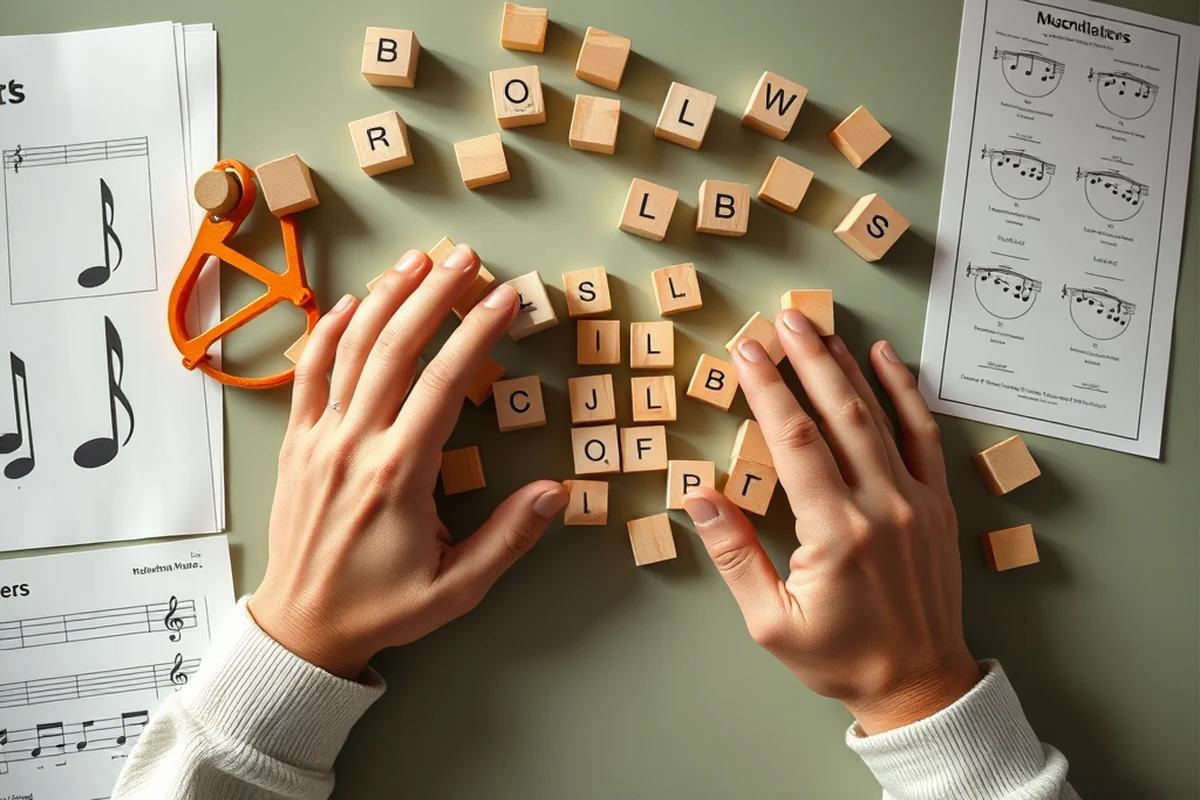
Creating a safe and inclusive environment is essential for effective elementary music classroom management. I made sure to create a classroom culture where every student felt respected and valued, regardless of their musical ability or background. I used inclusive language and ensured that all students had equal opportunities to participate in the lessons.
I also made it a point to celebrate the diversity in the classroom, whether it was through different musical traditions or cultural backgrounds. This helped students appreciate the music of others and feel more connected to the class.
I noticed that students who felt safe and included were more likely to participate actively and follow the classroom rules. It was a key component of maintaining a positive and productive learning environment.
Related: Cheryl teach music reviews
Incorporating Technology for Enhanced Learning
I found that incorporating technology into the classroom helped enhance learning and made classroom management easier. I used music apps and online resources to provide students with interactive learning experiences that kept them engaged and on task.
One of my favorite tools was a music app that allowed students to create their own rhythms and compositions. This not only made learning more fun but also gave students a sense of ownership over their musical creations.
I also used digital tools to keep track of student progress and provide personalized feedback. This helped me manage the classroom more effectively and ensured that every student was receiving the support they needed.
Related: How can i teach music
Building Strong Relationships with Students
I learned that building strong relationships with students is one of the most important aspects of elementary music classroom management. I took the time to get to know each student individually, showing interest in their lives and passions outside of music.
I also made an effort to be approachable and available for students, whether it was through one-on-one conversations or during recess. This helped build trust and created a sense of community in the classroom.
I noticed that students who felt a personal connection with me were more likely to follow the classroom rules and participate actively in the lessons. It was a powerful way to create a positive and supportive learning environment.
Building strong relationships with students fosters a positive and respectful classroom environment.
Related: Learning song in english
Using Music to Teach Life Skills
I found that using music to teach life skills such as cooperation and respect helped create a more harmonious classroom environment. I incorporated songs and activities that emphasized teamwork, listening, and respect for others.
One of my favorite activities was a group song where students had to work together to create a melody and lyrics. This helped build their cooperation skills and taught them the importance of listening to each other.
I noticed that students who participated in these activities were more respectful of each other and more willing to follow the classroom rules. It was a powerful way to use music as a teaching tool.
👶 Younger Kids Version
For ages 3-6, use simple songs, repetitive movements, and lots of visual aids to keep young learners engaged.
👦 Older Kids Version
For ages 7-10, incorporate more complex rhythms, group projects, and individual performance opportunities.
📄 No-Prep Version
Use existing classroom resources and minimal preparation with songs, chants, and games that require little to no setup.
👥 Group Version
Design activities that encourage collaboration and teamwork, such as group singing, rhythmic clapping, and musical storytelling.
📚 Extension Version
Add extra learning opportunities with cross-disciplinary lessons, such as combining music with history or science for a more immersive experience.
| The mistake | Why it happens | The fix |
|---|---|---|
| Not establishing clear routines and expectations. | This can lead to confusion and chaos in the classroom, making it difficult to manage students effectively. | Create clear routines and expectations, and review them regularly to ensure students understand what is expected of them. |
| Overlooking the importance of positive reinforcement. | Students may become disengaged or behave negatively if they feel their efforts are not being recognized. | Use consistent praise and recognition to reinforce positive behavior and encourage students to follow classroom rules. |
| Failing to involve students in the classroom management process. | This can lead to a lack of accountability and disengagement from the students. | Involve students in setting the rules and expectations, and give them opportunities to take on leadership roles in the classroom. |
| Neglecting to create a safe and inclusive environment. | This can make students feel isolated or disrespected, leading to a lack of participation and engagement. | Use inclusive language, celebrate diversity, and ensure all students have equal opportunities to participate and feel valued. |
Elementary Music Classroom Management
Common Questions
How can I manage a large class of elementary students in a music classroom?
What are some effective classroom management techniques for music lessons?
How can I involve students in classroom management?
What are some fun and interactive activities for elementary music classes?
References
- Music and Movement in the Classroom – An Educational Blog (blogs.millersville.edu)
- Music and Play Pedagogies: How and Why They Belong in Every ... (bollerreview.tcu.edu)
- Implementing music to increase elementary student focus (digitalcommons.cortland.edu)
- Best Practices for Implementing Culturally Responsive Teaching in ... (digitalcommons.csp.edu)
Cite this guide
Teaching Music to Homeschoolers (2026). Elementary Music Classroom Management. https://melodystart.com/elementary-music-classroom-management/
Feel free to cite or share this guide.
Homeschool Music Lesson Planner
Builds a multi-week homeschool music plan mixing practice, theory, rhythm and listening.
Open it free →