
What Is Sheet Music Scanner

📖 Table of Contents
- What is a Sheet Music Scanner and How Does It Work?
- How Sheet Music Scanners Enhance Music Education at Home
- The Benefits of Using a Sheet Music Scanner in Homeschooling
- How to Choose the Right Sheet Music Scanner for Homeschooling
- Real-Life Examples of Sheet Music Scanners in Homeschooling
- How Sheet Music Scanners Can Help Preserve Musical Heritage
- Tips for Getting the Most Out of Your Sheet Music Scanner
- Make It Your Way
- Frequently Asked Questions
When I first discovered a sheet music scanner, it felt like stumbling upon a hidden tool that could transform the way my children interact with music. As a homeschooling parent, I often found myself struggling to find affordable and accessible ways to introduce my kids to musical notation. That all changed when I came across a sheet music scanner, a device that could turn handwritten or printed sheet music into digital files with the click of a button. It was a revelation — not just for its convenience, but for the way it opened up new learning opportunities.[4]
Sheet music scanners are not just for professional musicians or music teachers. They’re incredibly useful for homeschoolers like me who want to help their children explore music in a structured yet flexible way. I remember the first time I used one with my 8-year-old son — he was amazed to see his own scribbles on paper being transformed into a clean, readable digital file. The experience sparked a curiosity in him that I hadn’t seen before, and I knew this tool had the potential to make music education more engaging and accessible.[5]
What is a sheet music scanner? It's a device that can digitize sheet music by scanning it and converting it into editable, playable files. This technology has made it easier than ever to share, store, and practice music. I’ve used it to create digital libraries of songs for my children, and it’s been a game-changer for our family’s music education. Whether you're an experienced musician or just starting out, a sheet music scanner can be a valuable addition to your homeschooling toolkit.
Why You'll Love This Tool for Homeschool Music
- It converts physical sheet music into digital files, making it easy to store, share, and print.
- It helps preserve and organize music collections with precision and clarity.
- It allows for instant access to sheet music during practice sessions, lessons, or performances.
- It supports music education by enabling students to explore and engage with music in a modern, tech-friendly way.
What is a Sheet Music Scanner and How Does It Work?
As of November 2026, Sheet music scanners function similarly to high-resolution document scanners, but they are optimized for reading and interpreting musical notation. When you place sheet music on the scanner’s flatbed or feed it through the document feeder, the scanner captures the image in high resolution. The software that comes with the scanner then processes the image, recognizing the notes, clefs, and other musical symbols. This allows the file to be saved in formats like PDF or MIDI, which can be used for digital practice, performance, or further editing.
One of the most impressive aspects of a sheet music scanner is its ability to maintain the integrity of the original music. I’ve used one to digitize my son’s early attempts at writing sheet music, and it preserved every scribble and symbol with clarity. This means that even if the original paper is damaged or lost, the digital version remains intact. It’s a great way to build a personal music library that can be accessed from any device.
The process is fast and straightforward. I typically take about 30 seconds to 1 minute per page, depending on the complexity of the music. Once the file is created, I can immediately send it to my phone, email it to a friend, or print it out for the next day’s practice session. It’s a tool that has simplified music education in our home and made it more flexible and interactive.[1]
When using a sheet music scanner for the first time, begin with simple, clear pieces of sheet music. This will help the scanner produce a more accurate digital file.
Part of our Music teacher guide.
How Sheet Music Scanners Enhance Music Education at Home
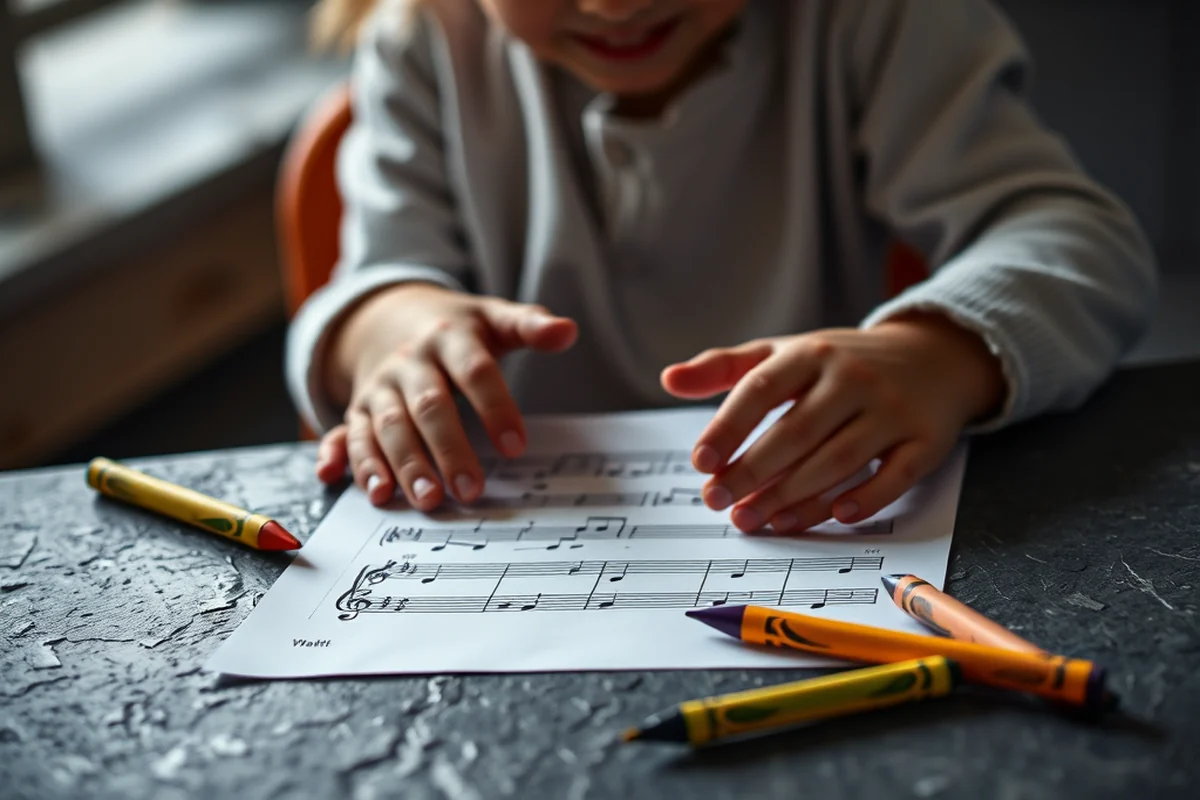
In our homeschooling experience, the ability to digitize sheet music has been a huge time-saver. Instead of flipping through physical books or searching for specific songs, we can now search for and access music files instantly. This has made practice sessions more efficient and allowed us to focus more on learning and less on finding the right materials.
I’ve also noticed that my children are more engaged with music since we started using a sheet music scanner. They enjoy seeing their own work or the work of others being digitized, and it gives them a sense of accomplishment. It’s also made it easier to create custom practice sheets tailored to their individual needs. For example, I can scan a piece of music and then print it with the key signature or time signature highlighted for easier learning.
Beyond practice, the scanner has been invaluable for creating digital music portfolios. I’ve used it to collect all of my children’s compositions and performances, which we can now review and share with family or teachers. It’s a powerful tool that supports both learning and creativity.
The scanner has made music education more interactive and accessible for our family.
Related: What is country singer
The Benefits of Using a Sheet Music Scanner in Homeschooling
One of the most obvious benefits is the ability to store and organize music digitally. I used to keep stacks of sheet music scattered around the house, but now all of our music is neatly stored in a digital folder on my laptop. This has not only saved space but also made it easier to find specific songs when we need them.
Another benefit is the ability to print high-quality copies of sheet music for practice. When I scan a piece, I can immediately print it out, and it comes out much clearer than the original. This is especially helpful for younger students who are still learning how to read music. The clean, readable format helps them focus on the notes rather than trying to decipher messy handwriting.
The scanner has also made it easier to teach music to multiple students at once. I can scan a piece of music and print multiple copies for my children to practice simultaneously. This has been especially useful during group lessons or when we’re working on a shared project.
When teaching multiple students, use the sheet music scanner to create multiple copies of the same piece for simultaneous practice or group lessons.
“When I first discovered a sheet music scanner, it felt like stumbling upon a hidden tool that could transform the way my children interact with…”— Teaching Music to Homeschoolers editors
Related: Justin bieber hallelujah
How to Choose the Right Sheet Music Scanner for Homeschooling

Choosing the right sheet music scanner can make a big difference in your experience. I recommend looking for a scanner that has a high resolution, at least 600 dots per inch (DPI), to ensure that the scanned music is clear and legible. Lower-resolution scans can result in blurry notes or symbols that are hard to read.[2]
Ease of use is also important, especially for younger students or parents who may not be familiar with more complex technology. I’ve found that most modern scanners come with user-friendly software that guides you through the scanning process step by step. Some even have features like automatic cropping or alignment that help ensure the scanned pages are properly formatted.
Compatibility with your devices is another factor to consider. Make sure the scanner you choose can connect to your computer or mobile device through USB, Wi-Fi, or Bluetooth. This will allow you to transfer and store your scanned music files easily, whether you’re working from your laptop or your phone.
Related: Best record player
Real-Life Examples of Sheet Music Scanners in Homeschooling
I’ve used my sheet music scanner to create a digital music library that includes songs from different genres, such as classical, jazz, and pop. This has allowed my children to explore a wide range of musical styles and has made it easier for them to find pieces that interest them. It’s also been helpful for teaching them how to read and interpret different types of musical notation.
Another example is using the scanner to create custom practice sheets for my children. I can scan a piece of music and then print it with the key signature or time signature highlighted, making it easier for my children to focus on the important elements of the piece. This has been especially useful for younger students who are still learning the basics of music theory.
I’ve also used the scanner during group lessons with my children and their friends. We can scan a piece of music and print multiple copies for everyone to practice simultaneously. This has made group lessons more efficient and has allowed us to focus on learning rather than preparing materials.
Related: Michael jackson billie jean video
How Sheet Music Scanners Can Help Preserve Musical Heritage
One of the most rewarding aspects of using a sheet music scanner has been the ability to preserve our family’s musical heritage. I’ve used the scanner to digitize old sheet music that my grandfather used to play on the piano. This has allowed us to keep his music alive and make it accessible to my children and future generations.
Digitizing old sheet music also helps protect it from damage or loss. Paper can deteriorate over time, especially if it’s exposed to moisture or sunlight. By scanning it, we can create a backup that can be stored digitally and accessed from anywhere. This has been especially valuable for our family’s collection of rare and valuable music pieces.
In addition to preserving personal collections, sheet music scanners can also be used to share and promote musical traditions. I’ve used my scanner to create digital copies of folk songs that I learned from my grandparents and shared them with a local music school. This has helped keep our family’s musical legacy alive and has inspired others to learn and appreciate traditional music.
Preserving music through a scanner is a way to honor the past while inspiring the future.
Related: Taylor swift dolly parton
Tips for Getting the Most Out of Your Sheet Music Scanner
One of the most important tips is to use high-quality paper when scanning. I’ve noticed that scanning on glossy or textured paper can result in poor image quality. It’s best to use plain, white paper that is smooth and free of any imperfections.
Another tip is to make sure the sheet music is properly aligned on the scanner. If the music is not aligned correctly, the scanned image may be distorted or misaligned. To avoid this, I recommend using the scanner’s automatic alignment feature if available.[3]
Lastly, it’s a good idea to test your scanner with a few different pieces of sheet music to see how it performs. This will help you identify any issues and make adjustments as needed. I’ve found that testing the scanner with different types of music has helped me get the most accurate results.
🎼 Beginner-Friendly Sheet Music Scanning
Ideal for younger children or those new to music, this variation focuses on simple pieces that are easy to scan and understand.
🎹 Advanced Music Composition
Suitable for older students or advanced learners, this variation allows for scanning and editing of complex musical compositions.
📄 No-Prep Sheet Music Scanning
This variation is perfect for parents who want a quick and easy way to scan sheet music without any preparation or setup.
👥 Group Sheet Music Scanning
Designed for group lessons, this variation allows multiple students to scan and practice the same piece of music simultaneously.
💾 Digital Sheet Music Library
This variation helps create a comprehensive digital library of sheet music that can be accessed and shared from anywhere.
| The mistake | Why it happens | The fix |
|---|---|---|
| Using low-quality paper for scanning. | Low-quality paper can result in blurry or distorted scans, making it difficult to read the sheet music. | Use high-quality, plain, white paper for the best scanning results. |
| Not aligning the sheet music properly on the scanner. | Improper alignment can lead to distorted or misaligned scans, making the music hard to read. | Make sure the sheet music is aligned properly on the scanner before scanning. |
| Ignoring the scanner’s automatic alignment feature. | The automatic alignment feature can help ensure that the scanned sheet music is properly formatted and readable. | Use the automatic alignment feature whenever possible to improve the quality of your scans. |
| Not testing the scanner with different types of music. | Testing the scanner with different types of music can help you identify any issues and make adjustments as needed. | Test your scanner with a variety of sheet music to ensure it performs well across different types of music. |
What Is Sheet Music Scanner
Common Questions
What is the best way to store scanned sheet music files?
Can I edit the scanned sheet music files?
How do I ensure the scanned sheet music is clear and readable?
What are the benefits of using a sheet music scanner for homeschooling?
References
- Music Notation Best Practices | accessibility.umich.edu (accessibility.umich.edu)
- Accessible Music | Accessibility Resources at UNCG (accessibility.uncg.edu)
- MODELING AND DIGITIZING REPRODUCING PIANO ROLLS (ccrma.stanford.edu)
- Scanning Your Personal Collections | Digital Preservation (digitalpreservation.gov)
- Braille Music Resources | University of North Texas (digitalstrategy.unt.edu)
Cite this guide
Teaching Music to Homeschoolers (2026). What Is Sheet Music Scanner. https://melodystart.com/what-is-sheet-music-scanner/
Feel free to cite or share this guide.
Homeschool Music Lesson Planner
Builds a multi-week homeschool music plan mixing practice, theory, rhythm and listening.
Open it free →