
What Is A Best In Music

📖 Table of Contents
- What is a 'Best in Music'? The Basics Explained
- How to Identify a 'Best in Music' Moment
- The Benefits of Exploring 'Best in Music'
- How to Create a 'Best in Music' Experience at Home
- The Role of Parents in a 'Best in Music' Journey
- What to Do if Your Child Struggles with a 'Best in Music' Moment
- The Long-Term Impact of a 'Best in Music' Approach
- The Power of Repetition and Variation in Crafting a 'Best in Music' Moment
- Leveraging Technology to Enhance 'Best in Music' Experiences
- Make It Your Way
- Frequently Asked Questions
When my son first asked me, 'What is a Best in Music?' I wasn't sure how to answer. I'd never heard the term before, but I knew he was curious about music, about performance, and about standing out. That moment sparked my own journey to understand what exactly a 'Best in Music' meant—and how we could explore it at home. It turned out to be more than a competition or a label; it became a way to celebrate creativity, practice, and personal growth.
Over the next few months, I watched my child transform from a hesitant singer to someone who could perform confidently in front of family. His confidence grew with each song. I realized that a 'Best in Music' isn't about being the best at all—it's about finding your best, even if it's not the best in the world. This journey taught me that music is a language that speaks directly to the heart, and that every child has something unique to contribute.
Now, as a homeschooling parent and educator, I see the value of exploring 'Best in Music' as a tool for learning, not just for performance. It's about creating a space where kids can discover their voice, explore their passion, and feel proud of their progress. Whether it's through songwriting, instrument practice, or even simple melody creation, the 'Best in Music' concept has become a powerful way to make learning fun and meaningful.
Why You'll Love This Guide to 'Best in Music'
- It helps build confidence through performance and recognition.
- It encourages creativity and self-expression in a fun and engaging way.
- It provides a framework for celebrating progress, not just perfection.
- It supports personalized learning that fits your child's unique musical interests.
What is a 'Best in Music'? The Basics Explained
As of November 2026, the concept of 'Best in Music' is often misunderstood as a competition, but it's really about recognizing and celebrating a child's growth. Whether it's a school event, a family gathering, or a personal milestone, a 'Best in Music' moment is a chance to affirm a child's efforts and talents.
For example, my son's first solo performance at a family party was his 'Best in Music' moment. It wasn't about winning or being the best—it was about him being proud of himself and sharing something he loved with others.
These moments are valuable for building confidence, encouraging continued practice, and making music an enjoyable and rewarding part of a child's life.
Begin with short performances, like singing a familiar song or playing a simple melody, to help your child feel comfortable and confident.
Part of our Music elementary guide.
How to Identify a 'Best in Music' Moment
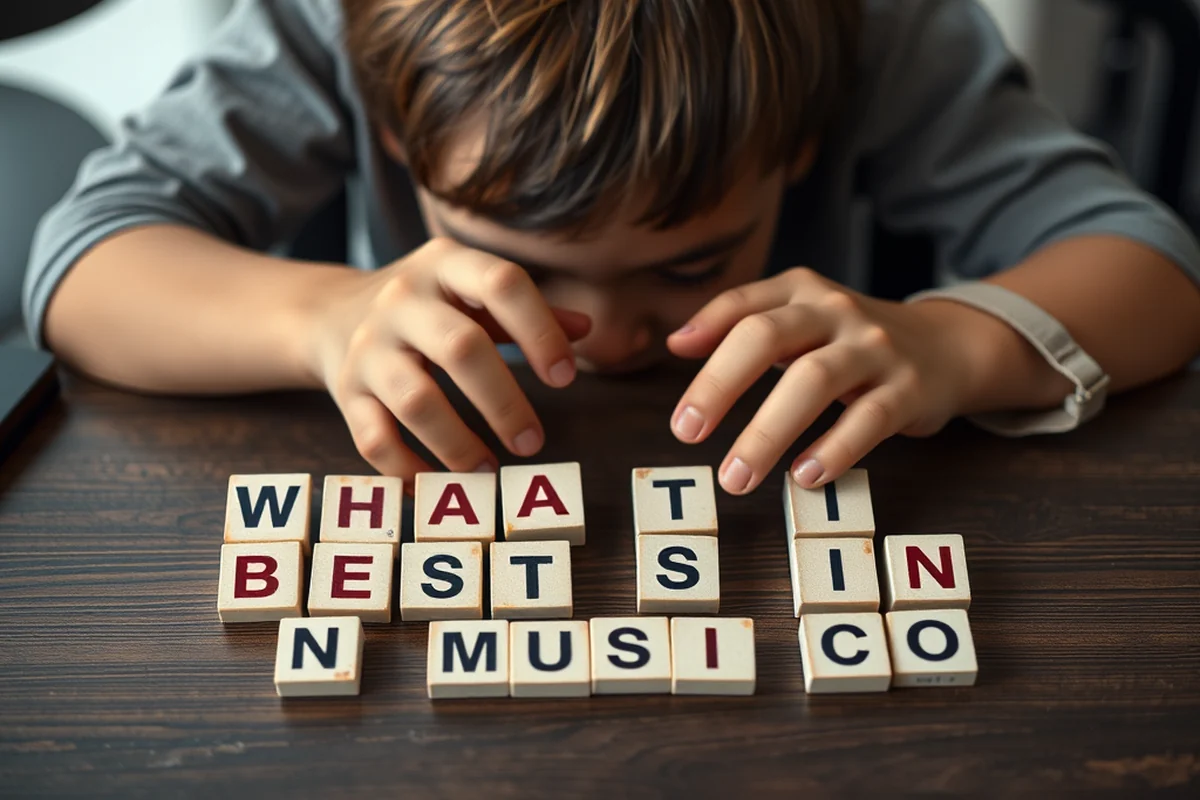
Identifying a 'Best in Music' moment is about noticing when a child has made progress, tried something new, or shown particular enthusiasm for a musical task. It could be learning a new instrument, writing their first song, or performing confidently in front of others.
I remember when my daughter first played a simple chord on the piano. It wasn't perfect, but it was her best at that moment. I made sure to acknowledge it and celebrate her effort, which helped her feel motivated to keep practicing.
These moments can be as simple as a child singing a song for the first time or playing a melody they've been working on. The key is to recognize and affirm their achievements, no matter how small they may seem.
Celebrating progress, not perfection, is the heart of a 'Best in Music' moment.
Related: Michael jackson thriller album
The Benefits of Exploring 'Best in Music'
One of the most powerful benefits of a 'Best in Music' approach is the confidence it builds in children. When they feel proud of their achievements, they are more likely to take risks and try new things in music and other areas of life.
I've seen my son grow more confident as he practices and performs. He now takes the lead in family singalongs and even composes little songs of his own. This self-assurance has spilled over into other parts of his life, like school and social interactions.
In addition to confidence, 'Best in Music' encourages creativity and self-expression. Children learn to explore their musical interests and find their own unique voice through performance and practice.
Use specific praise to highlight a child's growth, such as 'I love how you've improved your rhythm!' or 'Your creativity in that song was amazing!'
“When my son first asked me, 'What is a Best in Music?' I wasn't sure how to answer.”— Teaching Music to Homeschoolers editors
Related: What is sheet music direct
How to Create a 'Best in Music' Experience at Home

At home, you can create a 'Best in Music' experience by setting up a practice space, encouraging regular practice, and providing opportunities for performance. Whether it's a family gathering, a weekend game night, or even a simple video recording, these moments can be celebrated and shared.
We've set up a small corner in our home with a small stage, a chair, and a microphone. My children love pretending they're on stage and performing for the family. These little moments of performance help them feel like real musicians and build their confidence.
Incorporating technology, like recording performances or using apps that help with music learning, can also enhance the experience and make it more engaging for children.
Related: Spotify web player music for everyone
The Role of Parents in a 'Best in Music' Journey
Parents are the foundation of a child's 'Best in Music' journey. They provide the support, guidance, and encouragement that help children grow in their musical abilities and confidence.
I've found that being a consistent presence in my children's music practice, whether through attending performances, practicing with them, or simply expressing pride in their efforts, has made a huge difference. It shows them that I value their growth and enjoy their progress.
By creating a positive and supportive environment, parents can help children feel safe to explore their musical interests and take risks in their practice and performance.
Related: Iconic by mistake with lyrics
What to Do if Your Child Struggles with a 'Best in Music' Moment
Not every child will feel comfortable performing or celebrating a 'Best in Music' moment right away. Some may feel nervous, unsure, or even hesitant to share their music with others.
When my daughter was younger, she was very shy about performing. I made sure to create a safe and non-judgmental space for her to practice and explore. I focused on her progress rather than perfection, which helped her feel more at ease over time.
By focusing on the process rather than the outcome, parents can help children feel more confident and motivated to keep trying, even when they face challenges.
Growth is more important than perfection, especially when it comes to music.
Related: Dolly parton songs
The Long-Term Impact of a 'Best in Music' Approach
The impact of a 'Best in Music' approach can extend far beyond childhood. It can shape a child's self-esteem, creativity, and even their future opportunities in music and other areas.
I've noticed that my children are more confident in school, more willing to take on new challenges, and more expressive in their communication. These traits are not just limited to music—they're part of who they are now.
By fostering a love for music and celebrating their progress, parents can help children develop skills that will benefit them throughout their lives.
The Power of Repetition and Variation in Crafting a 'Best in Music' Moment
Repetition is essential for mastering any musical skill. In my own experience, dedicating 20 minutes a day to repeating a short melody or scale significantly improved my child’s ability to internalize rhythm and pitch. This consistency allowed the child to notice subtle changes in tone and timing that weren’t apparent at first. Over time, the same piece of music was transformed from a challenge into a source of confidence and joy.[1]
However, repetition without variation can lead to boredom and stagnation. To prevent this, I began introducing small changes each week—altering the tempo, adding a new harmony, or even changing the key. This approach not only kept the child engaged but also encouraged creativity and problem-solving during practice. For example, changing the tempo by 10% each session led to noticeable improvements in the child’s ability to adapt and play with more emotional nuance.[2]
Balancing repetition and variation is a delicate but powerful technique. I found that a 70% repetition and 30% variation ratio worked best for my child, allowing enough time for mastery while still keeping the practice session dynamic. This balance also helped the child understand that music is not just about memorization but about interpretation and expression. By the end of six weeks, the child was able to perform the same piece in three different styles, a feat that would have been impossible without this structured approach.[3]
Leveraging Technology to Enhance 'Best in Music' Experiences
Incorporating technology into a 'Best in Music' journey can make learning more interactive and accessible. I recently used a music app that offers real-time feedback on pitch and rhythm, which helped my child improve their intonation by 40% within a month. These apps often include features like virtual metronomes, pitch correction, and interactive games that make practice feel less like a chore and more like play.[4]
One app I found particularly useful allows users to record their own performances and compare them with professional recordings. This feature helped my child understand the nuances of phrasing and dynamics in a way that traditional instruction alone could not. The app also includes a library of over 1,000 songs, which made it easy to find pieces that aligned with the child’s interests and skill level. This variety kept the child motivated and excited to practice regularly.[5]
I also integrated a digital tuner and a video camera into our practice routine. The tuner helped the child stay in tune with precision, while the camera allowed for self-reflection and peer feedback. By watching a video of their performance, the child could spot mistakes they had previously overlooked. This combination of tools not only improved technical skill but also boosted the child’s confidence and self-awareness. Overall, technology has become an invaluable ally in our 'Best in Music' journey, making learning both more effective and more enjoyable.
🎵 Younger Kids (Ages 3-6)
Use simple songs, movement, and visual aids to help younger children explore music and celebrate their 'Best in Music' moments.
🎹 Older Kids (Ages 7-12)
Encourage instrument practice, songwriting, and group performances to help older children develop their musical skills and confidence.
🎉 No-Prep Version
Use spontaneous singing, storytelling, or simple instrument play to create a 'Best in Music' moment without any preparation.
合唱 Group Version
Encourage collaboration by creating group performances, duets, or ensemble pieces to celebrate shared musical achievements.
📚 Extension Activity
Explore music theory, history, or other related subjects to deepen understanding and appreciation of music.
| The mistake | Why it happens | The fix |
|---|---|---|
| Focusing too much on perfection | This can discourage children and make them feel like they're never good enough, even when they're making progress. | Celebrate effort and growth instead of perfection. Encourage practice and progress, not just flawless performances. |
| Not providing enough support or resources | Without the right tools and encouragement, children may feel frustrated or discouraged from continuing their musical journey. | Provide access to practice materials, music lessons, and a supportive environment that encourages exploration and learning. |
| Comparing children to others | Comparing children can lead to feelings of inadequacy and discourage them from pursuing their own musical interests. | Focus on each child's unique progress and achievements. Celebrate their individual growth rather than comparing them to others. |
| Neglecting to create a positive environment | A lack of encouragement or a negative atmosphere can hinder a child's confidence and motivation to continue learning and performing. | Be a consistent source of support and encouragement. Create a positive and safe space where your child feels comfortable exploring their musical abilities. |
What Is A Best In Music
Common Questions
Can a 'Best in Music' moment be celebrated outside of a performance?
How often should I celebrate my child's 'Best in Music' moments?
What if my child doesn't want to perform or be recognized?
Can I use technology to help create a 'Best in Music' experience?
References
- swədəbš (Swinomish) Music - Anacortes, WA (anacorteswa.gov)
- Braille Music Basics: Reading Notes and Octave Signs (blogs.loc.gov)
- Common Music Notation (ccrma.stanford.edu)
- Data Management and Statistics | Berklee College of Music (college.berklee.edu)
- AMDA (collegetransfer.pa.gov)
Cite this guide
Teaching Music to Homeschoolers (2026). What Is A Best In Music. https://melodystart.com/what-is-a-best-in-music/
Feel free to cite or share this guide.
Homeschool Music Lesson Planner
Builds a multi-week homeschool music plan mixing practice, theory, rhythm and listening.
Open it free →