
Getting Started with the Battle Hymn of the Republic

📖 Table of Contents
- Getting Started with 'Battle Hymn of the Republic'
- Historical Context and Discussion
- Creative Expression through Music
- Making the Song Accessible for Younger Children
- Extending the Learning Experience
- The Power of Music in Homeschooling
- Creating a Music-Focused Learning Environment
- Make It Your Way
- Frequently Asked Questions
I remember the first time my daughter sang 'Battle Hymn of the Republic' with her school choir — her voice wobbling, her hands trembling, but her eyes lit with pride. That moment stayed with me because it showed me how powerful music can be in education, especially when it's tied to history and emotion. The song, with its stirring lyrics and bold melody, is more than a patriotic anthem; it's a gateway to learning about the Civil War, abolition, and the fight for equality. As a homeschooling parent, I've found that teaching this song isn't just about music — it's about connecting generations and making history feel alive.[2]
Teaching 'Battle Hymn of the Republic' to kids has been one of my most rewarding educational experiences. I've watched my children dissect the meaning behind the lyrics, explore the historical context of the song, and even create their own versions of the melody. It's amazing how a single piece of music can bridge the gap between past and present, turning abstract history into something tangible and meaningful. The song's structure, with its repeating refrains and call-and-response elements, makes it incredibly accessible for children of all ages.[3]
What I love most about teaching this song is how it invites creativity and critical thinking. When my son first heard the lyrics, he asked, 'Why are they singing about war and freedom?' That question opened a door to deeper conversations about justice, courage. The power of music to inspire change. The song is a rich educational tool that doesn't just sit in a textbook — it lives, breathes, and grows with the people who learn it. In my home, this song has become a cornerstone of our music and history curriculum, and I can't wait to see where it takes us next.[4]
Why You'll Love This Educational Experience
- Encourages deep historical understanding through music
- Fosters creativity and expression in students
- Builds connection to American heritage and values
- Develops critical thinking through discussion and analysis
Getting Started with 'Battle Hymn of the Republic'
As of November 2026, to begin, I recommend listening to the song together as a family or classroom. I find that the first time I play it, my kids are often surprised by how powerful and moving it is. I pause the music after the first verse to ask them what they heard — this opens up a conversation that's both engaging and educational.[1]
Next, I print out the lyrics and go through each line with my children, discussing the meaning behind the words. I've found that using a highlighter to mark repeated lines helps them recognize the structure of the song. This step is crucial because it teaches them about musical form and how songs can be built around a central theme.
I also use a simple, printable version of the sheet music that I found online. We go through it together, and I'm always amazed at how quickly my kids pick up the melody. I've seen children as young as four sing along after just one or two listens, which is incredibly motivating for both them and me.
Play the song once with no discussion, then ask your kids what they felt or noticed. This helps them connect with the music on an emotional level before diving into the history.
Historical Context and Discussion
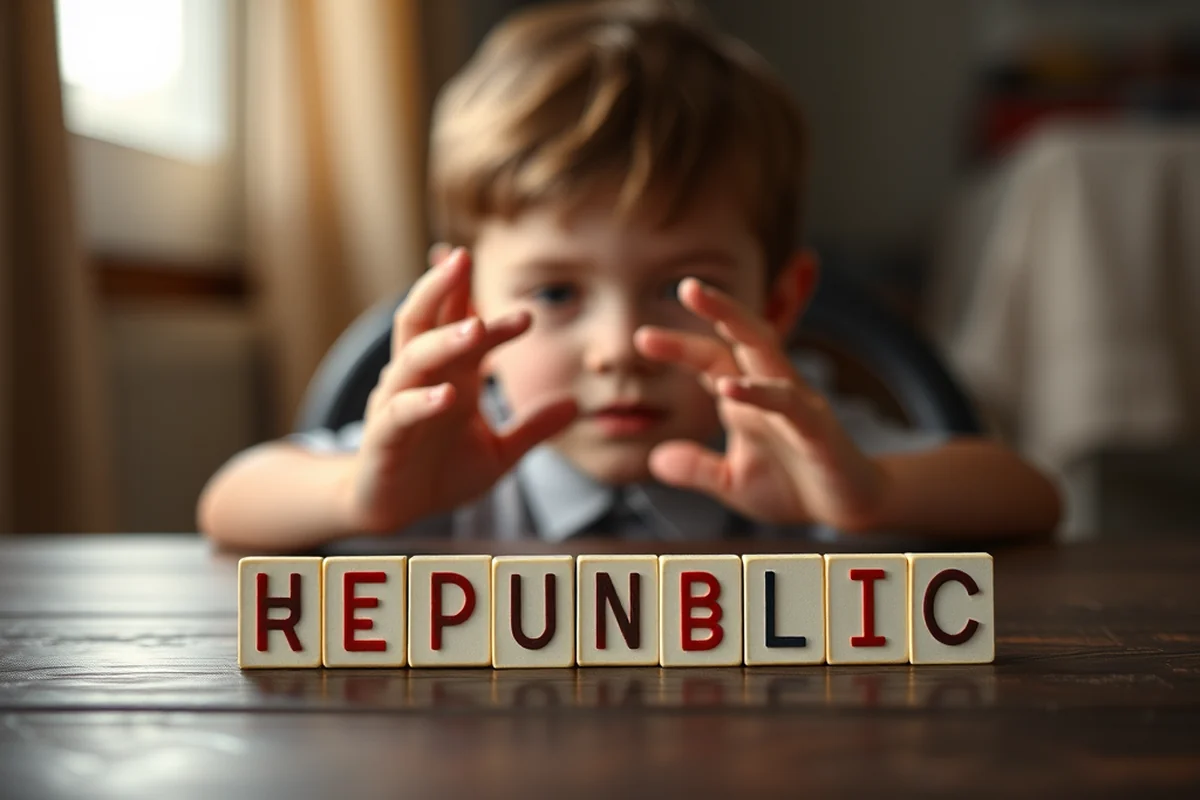
I've found that discussing the origins of the song — its connection to the abolitionist movement and the Civil War — is a powerful way to bring history to life. I use a short, illustrated timeline that I created to help my children visualize the time period. This makes the past feel more real and relatable.
I also make it a point to explain the significance of the lyrics. For example, when my daughter asked, 'What does 'Glory, glory, hallelujah' mean?' I told her it was a way to express triumph and celebration. This kind of discussion helps them see how music was used as a form of protest and a call to action in the past.
I always end the historical discussion with a question, like, 'How do you think people felt when they sang this song during the Civil War?' This encourages reflection and helps them make connections between history and their own lives.
Music is the language of history — and 'Battle Hymn of the Republic' is a powerful example.
Related: You are worthy of it all lyrics
Creative Expression through Music
One of my favorite activities is having my kids create their own versions of the song. I let them use simple instruments like drums, bells, and xylophones to accompany the melody. This not only helps them understand rhythm and harmony, but it also gives them a sense of ownership over the music.
I've also had my kids draw pictures that represent the lyrics. For instance, when we reached the line 'He is trampling out the vintage where the grapes of wrath are stored,' my children drew scenes of battles and harvests. These visual interpretations help them process the meaning of the lyrics in a personal way.
Another creative approach is to have them write their own verses. I've been surprised at how thoughtful and insightful their contributions have been. This activity not only fosters creativity but also deepens their understanding of the song's message.
Encourage your kids to write their own verses or make up new lyrics that reflect their understanding of the song. This helps them see themselves as part of the musical tradition.
“I remember the first time my daughter sang 'Battle Hymn of the Republic' with her school choir — her voice wobbling, her hands trembling, but…”— Teaching Music to Homeschoolers editors
Related: Remember me lyrics
Making the Song Accessible for Younger Children
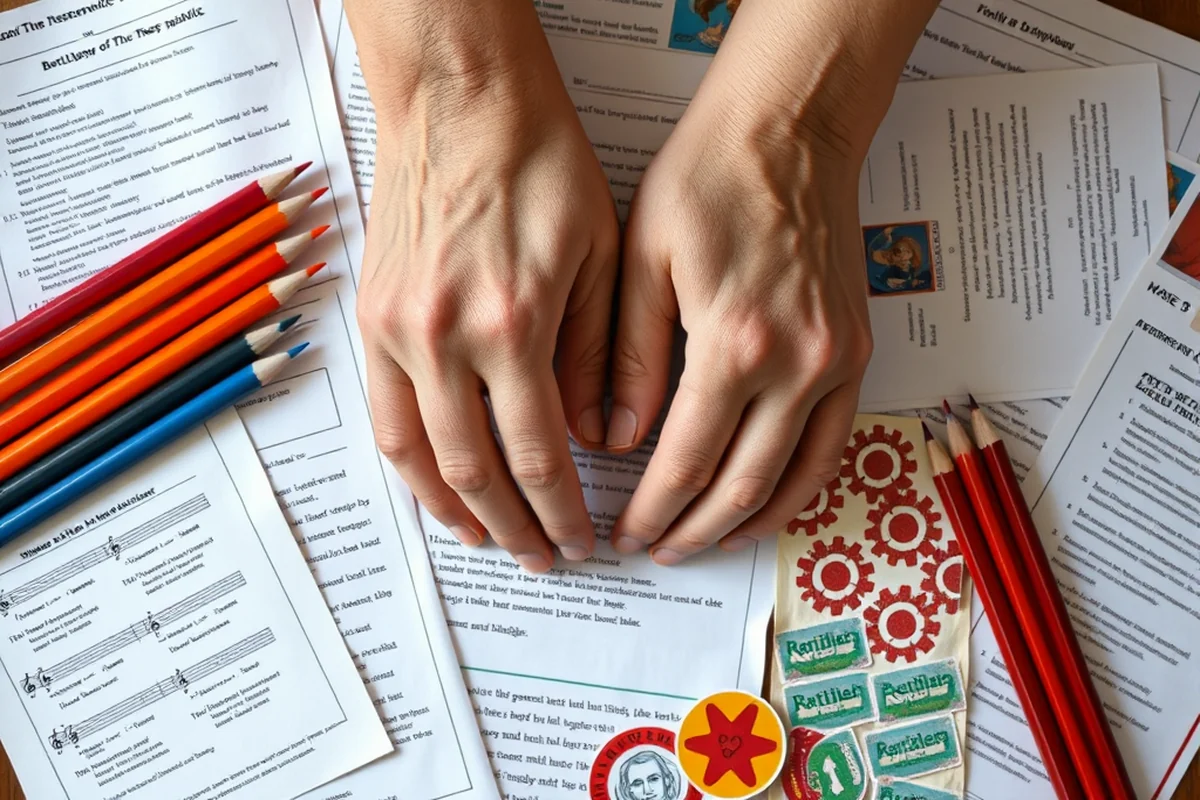
For very young children, I simplify the lyrics and focus on the melody. I've found that using a call-and-response approach works especially well. We sing the first line together, and then I sing the next part, repeating this until they can join in.
I also use props to help them understand the lyrics. When we sing about 'the battle royal,' I use toy soldiers and a small battlefield to create a visual story. This helps them see the song as a narrative rather than just a set of words.
I've noticed that younger children love to move while they sing. We dance to the rhythm, and I've even made a simple choreography that they can follow. This adds a physical element to the learning experience and helps them stay engaged.
Related: Did you hear about them lyrics
Extending the Learning Experience
I've found that reading books about the Civil War and the abolitionist movement is a great way to extend the learning. I choose books that are appropriate for the age of the children, and I always read them aloud with a lot of expression. This helps them hear the language of the time and understand the emotions behind the events.
Another extension activity is visiting a local museum or historical site. I've taken my kids to a Civil War museum where they saw artifacts and watched reenactments. These experiences bring history to life in a way that a book or song can't always do.
I also like to connect the song to current events. When we're discussing issues of justice and equality, I use the song as a starting point for conversation. This helps children see that the message of the song is still relevant today.
Related: California dreaming lyrics
The Power of Music in Homeschooling
I've seen how music can make learning more joyful and memorable. When we sing 'Battle Hymn of the Republic,' my children are not just learning about history — they're connecting with the past in a personal way. This kind of connection is something that books and videos can't always provide.
I also love how music can be used across different subjects. When we're learning about geography, we sing songs about states and capitals. When we're studying math, we use songs to help with counting and patterns. Music is a versatile tool that can be applied to many areas of learning.
What I find most rewarding is how music can build confidence and self-expression. I've seen my children take the lead in singing and performing, and it's been incredibly empowering for them. This kind of confidence is something that will serve them well in all areas of life.
Music isn't just for entertainment — it's a powerful educational tool.
Related: Song lyrics for bohemian rhapsody
Creating a Music-Focused Learning Environment
I've found that having a dedicated space for music is helpful. We have a small corner in our home where we keep instruments and sheet music. This space is always filled with energy and creativity, and it's a place where my children feel free to explore music.
I also like to include music in our daily routine. We sing songs during meal times and before bedtime. This helps my children see music as a natural part of life, not just an activity they do for school.
Another way I've made our home more music-friendly is by inviting other families to join in on our music sessions. We've had small gatherings where we all sing and play instruments together, and it's been a great way to build community and share our love of music.
🎨 Younger Kids Version
Simplified lyrics and visual props make it accessible for children aged 3-6.
📚 Older Kids Version
Incorporates historical research and critical thinking for ages 7-12.
🎶 No-Prep Version
Use only the lyrics and a recording — no materials needed.
👥 Group Version
Designed for classroom or family gatherings, with call-and-response elements.
📖 Extension Version
Includes historical books and museum visits for deeper learning.
| The mistake | Why it happens | The fix |
|---|---|---|
| Skipping the historical context | Without understanding the song's background, children may not grasp its significance or its connection to history. | Always begin with a brief explanation of the song's origins and its connection to the Civil War and abolitionist movement. |
| Overlooking the emotional impact of the song | Focusing only on the facts can make the learning experience feel dry and disconnected. | Encourage reflection and discussion about how the song makes them feel, and use it as a springboard for deeper conversations about justice and courage. |
| Not allowing for creative expression | Limiting children to just singing the song can make the experience feel repetitive and unengaging. | Give them opportunities to write their own verses, use instruments, or create visual art that reflects the lyrics. |
| Making the activity too complex for younger children | Using too much vocabulary or expecting too much from young learners can make the experience frustrating. | Simplify the lyrics, use props, and focus on the melody and movement for younger children. |
Battle Hymn Of The Republic
Common Questions
How can I make 'Battle Hymn of the Republic' more engaging for young children?
What are some ways to extend the learning beyond the song?
How can I help my child understand the historical context of the song?
What are some creative ways to use the song in homeschooling?
References
Cite this guide
Teaching Music to Homeschoolers (2026). Getting Started with the Battle Hymn of the Republic. https://melodystart.com/battle-hymn-of-the-republic/
Feel free to cite or share this guide.
Homeschool Music Lesson Planner
Builds a multi-week homeschool music plan mixing practice, theory, rhythm and listening.
Open it free →