
What To Learn In Music

📖 Table of Contents
When my daughter, then 5 years old, asked me, 'What should I learn in music?' I realized that the answer wasn't just about instruments or songs. I had to think about rhythm, creativity, and how music could shape her whole world. This moment taught me that learning music is more than just playing notes—it's a holistic journey that can affect everything from math skills to emotional intelligence. And I wasn't alone in this realization; many homeschooling parents are looking for structured and meaningful ways to bring music into their children's daily lives.[2]
I remember my first attempt at teaching my daughter to read sheet music. It was challenging, but when she finally played the first note correctly, her eyes lit up with joy. That small victory made me understand the power of music in education. It's not just about performance or talent—it's about discipline, patience, and the joy of discovery. Over time, I've learned that what we teach in music is as important as how we teach it. It's about creating a foundation that supports lifelong learning.[3]
Now, as the editor of Teaching Music to Homeschoolers, I've had the chance to explore countless methods, tools, and techniques for learning music. What I've found is that music education is deeply personal, and the best approach is one that fits the child's interests, abilities, and learning style. Whether it's learning rhythm through clapping, exploring pitch with simple instruments, or developing sight-reading skills, the possibilities are endless. The key is to make learning music a natural part of life, not just an isolated activity.[4]
Why You'll Love This Approach to Music Learning
- It builds confidence and creativity through self-directed exploration.
- It aligns with developmental milestones and educational goals.
- It requires minimal resources and adapts to any learning space.
- It creates lasting memories and joyful learning experiences.
The Value of Rhythm and Timing
As of November 2026, Rhythm is the foundation of music, and it's one of the first things children can understand. Clapping, stomping, and tapping out patterns are simple but powerful ways to introduce rhythm to young learners. I've used a small metronome with my daughter to help her grasp the concept of steady beats. In just a few weeks, she was able to keep a consistent beat for over a minute, which was a huge confidence booster.
One of the easiest ways to teach rhythm is through body percussion. We often create simple rhythms together, like a clap-snap-clap sequence, and then repeat it over and over. This not only helps with timing but also improves listening skills. I've noticed that when she practices these rhythms, she's more focused and attentive in other learning activities as well.
There's also a surprising benefit to rhythm training: it can improve reading skills. Research shows that children who practice rhythmic activities tend to have better phonological awareness. I've noticed that my daughter is more confident in recognizing rhyming words and following along with stories. It's a small but meaningful connection between music and language development.[1]
Clapping, stomping, and snapping your fingers are excellent ways to teach rhythm. Use simple patterns like clap-snap-clap and repeat them together with your child. This builds coordination and listening skills.
Exploring Pitch and Tone
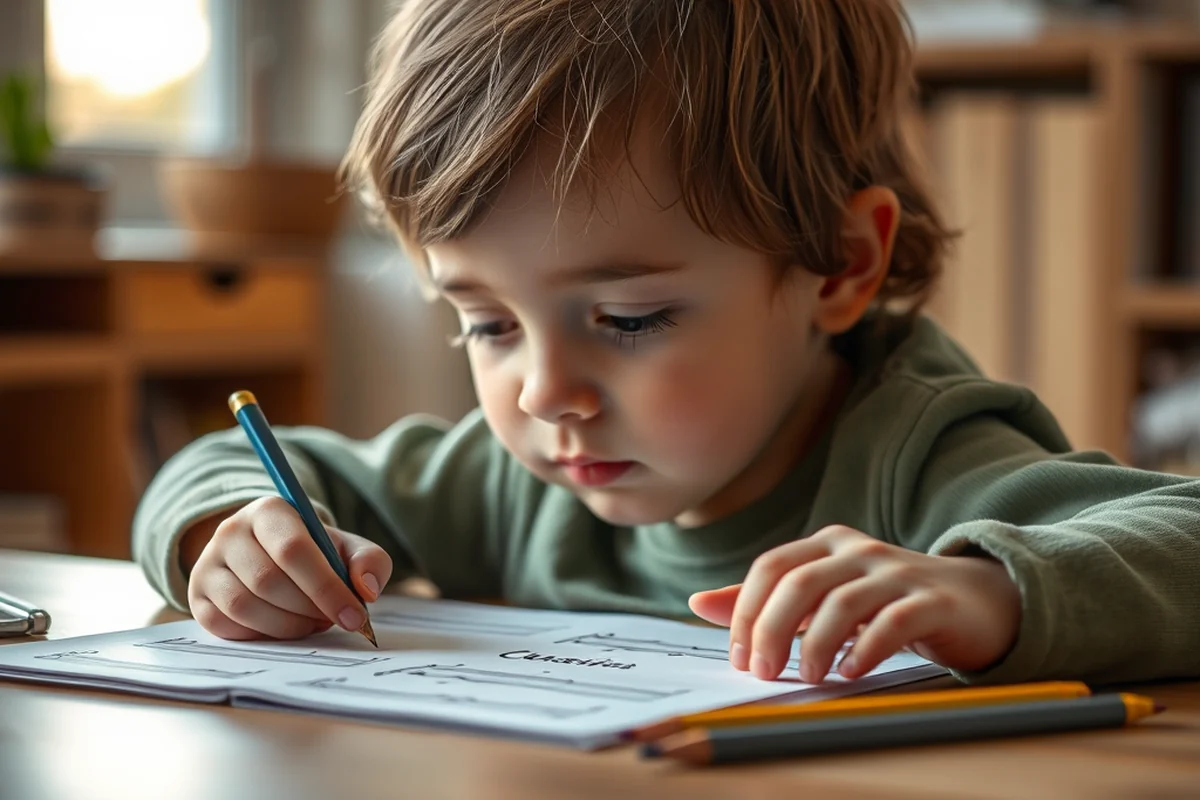
Pitch is the highness or lowness of a sound, and it's essential for developing musical sensitivity. One of the easiest ways to explore pitch is through simple instruments like xylophones, kazoos, or even your own voice. I remember my daughter's first experience with a xylophone—she was fascinated by how different notes could create different sounds and even emotions.
I use a set of tone cards with different pitches and ask my daughter to match them to the notes on the xylophone. This activity helps her understand the relationship between visual symbols and actual sounds. Over time, she's been able to recognize patterns in pitch, which is a crucial step in learning to read music.
Another fun way to explore pitch is through call-and-response singing. We sing a simple melody together, and then I change the pitch slightly to see if she can hear the difference. This not only strengthens her auditory skills but also helps her understand the expressive power of music.
Pitch is the emotional language of music.
Related: Music education homeschool
Developing Sight-Reading Skills
Sight-reading is like reading a book in music. It's the ability to look at a piece of music and play it without prior practice. I've used flashcards with simple notes and asked my daughter to identify them as quickly as possible. At first, it was challenging, but with daily practice, she's gotten much better at recognizing patterns and reading notes on the staff.
I've also found that using color-coded flashcards helps my daughter memorize note positions on the staff. Each line and space is assigned a different color, which makes it easier for her to associate notes with their positions. This technique has been especially helpful for her when she's learning to read sheet music on the piano.
One of the most surprising things I've noticed is how sight-reading has improved her reading comprehension. She's more confident in recognizing words and following along with stories, and I believe this is because of the visual and pattern recognition skills she's developed through music.
Assign a different color to each line and space on the musical staff. This helps children associate notes with their positions more quickly and accurately.
“When my daughter, then 5 years old, asked me, 'What should I learn in music?' I realized that the answer wasn't just about instruments or…”— Teaching Music to Homeschoolers editors
Related: Music education course requirements
Learning to Play an Instrument
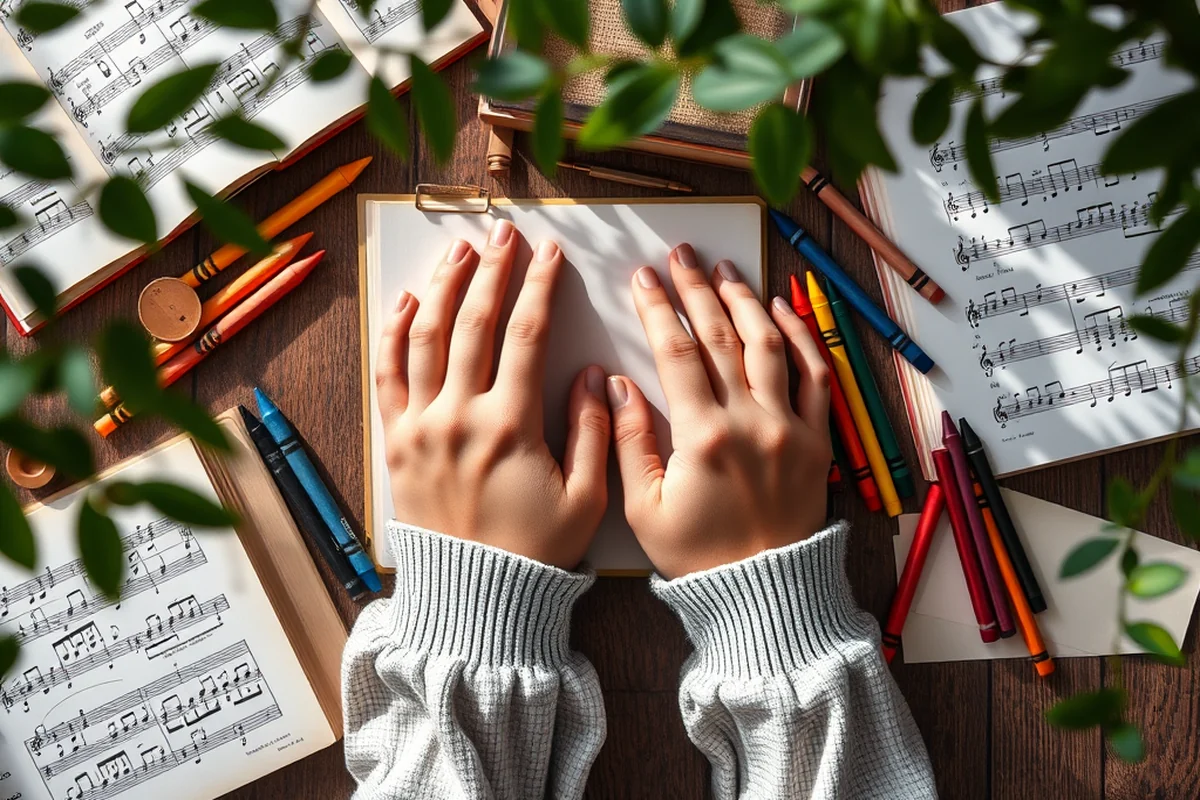
Learning to play an instrument is a key part of music education, and it's never too early to begin. I've found that the keyboard is an excellent starting point because it's visually intuitive and easy to use. My daughter started with the piano at age 5, and within a few months, she was able to play simple songs like 'Twinkle Twinkle Little Star.'
I've also used apps like Simply Piano and Yousician to help her practice at her own pace. These apps provide instant feedback and make learning fun. She loves the game-like elements, and it keeps her motivated to practice regularly.
One of the most important lessons she's learned from playing the piano is the value of persistence. There were times when she struggled with a particular piece, but she never gave up. This perseverance has translated into other areas of her learning, and it's been a great lesson for her.
Related: Music education best schools
Understanding Musical Theory
Musical theory is the backbone of music, and it's essential for any serious learner. I've introduced my daughter to basic concepts like scales, intervals, and key signatures. We use flashcards, books, and online resources to make these concepts more accessible.
One of the first things we explored was the major scale. We practiced playing the C major scale on the piano and discussed how each note relates to the others. This helped her understand the structure of music and how different notes can be combined to create melodies.
I've also used simple songs to teach her about intervals. We sing and play the notes of a C major scale together, and then we practice singing and playing intervals like thirds and fifths. This helps her understand the relationship between notes and how they sound together.
Related: What is education in music
Expressing Emotions Through Music
Music can help children explore and understand their emotions in a safe and creative way. I've found that when my daughter is feeling happy, she tends to play upbeat, fast-paced songs. When she's feeling sad, she likes to play slower, more melancholic pieces. This has been a great way for her to process her emotions and express them in a healthy way.
We often listen to different types of music and discuss how they make us feel. For example, we listen to a classical piece and talk about how it makes us feel calm, and then we listen to a rock song and talk about how it makes us feel excited. This helps my daughter connect music with emotions and understand how different styles can affect mood.
I've also used music to help her deal with difficult feelings. When she's upset or frustrated, we listen to a song that helps her feel better, and then we create our own music together. This has been a powerful way to help her process her emotions and find comfort in music.
Music is the language of the soul.
Related: Teachers music association
Creating and Composing Music
Composition is a vital part of music education, and it's a great way for children to express themselves. I've used simple tools like rhythm sticks, xylophones, and even my own voice to help my daughter create her own music. She loves the freedom of making up her own songs and experimenting with different sounds.
We also use software like GarageBand and Soundtrap to help her compose music on the computer. These programs allow her to add different instruments, layer sounds, and create her own compositions. It's been a great way for her to explore the creative process and understand how music is made.
One of the most rewarding experiences has been watching her perform her own compositions for family and friends. It's been a confidence booster and a way for her to share her unique musical voice with others. I've seen her grow in both skill and self-expression through this process.
🎵 Rhythm & Timing for Preschoolers
Use body percussion and simple clapping patterns to teach rhythm in a fun and interactive way.
🎹 Keyboard Basics for Older Kids
Introduce the piano or keyboard with simple songs and sight-reading exercises.
🎼 No-Prep Musical Exploration
Use everyday items like pots, pans, and bottles to create sounds and explore rhythm and pitch.
👥 Group Music Learning
Encourage collaboration and creativity by teaching music in a group setting with friends or family.
🎨 Creative Composition for All Ages
Use software or physical instruments to help children compose their own unique music pieces.
| The mistake | Why it happens | The fix |
|---|---|---|
| Starting with complex music theory too early. | Children need to build a foundation through rhythm, pitch, and basic listening skills before moving on to more complex concepts. | Introduce music theory gradually, using simple concepts and hands-on activities to build understanding. |
| Not allowing enough time for practice and repetition. | Music learning requires consistent practice and repetition to build skills and confidence. | Set a regular practice schedule and use short, focused sessions to help your child develop skills over time. |
| Overlooking the importance of listening skills. | Listening is a crucial part of music learning, and it's often overlooked in favor of performance or theory. | Incorporate listening activities into your music lessons, such as discussing how different songs make you feel or identifying different instruments. |
| Not adapting to your child's learning style. | Every child learns differently, and it's important to find a teaching style that fits their interests and abilities. | Experiment with different teaching methods and tools to find what works best for your child's learning style. |
What To Learn In Music
Common Questions
What are the best ways to teach rhythm to young children?
How can I help my child learn to read sheet music?
What are the benefits of playing an instrument for children?
How can I introduce musical theory to my child?
References
- New Ideas for Teaching English Using Songs and Music (americanenglish.state.gov)
- Music (MUS) < North Carolina State University (catalog.ncsu.edu)
- Music Theory | University of Cincinnati - CCM (ccm.uc.edu)
- Data Management and Statistics | Berklee College of Music (college.berklee.edu)
Cite this guide
Teaching Music to Homeschoolers (2026). What To Learn In Music. https://melodystart.com/what-to-learn-in-music/
Feel free to cite or share this guide.
Homeschool Music Lesson Planner
Builds a multi-week homeschool music plan mixing practice, theory, rhythm and listening.
Open it free →