
Song Sung Blue True Story

📖 Table of Contents
- How We Introduced 'Song Sung Blue' to Our Homeschoolers
- The Role of Repetition and Memory in Learning
- Extending the Learning Beyond the Song
- Connecting Music to Other Subjects
- The Emotional Benefits of Learning Through Music
- The Role of the Parent in the Learning Process
- The Long-Term Impact of Early Music Education
- Make It Your Way
- Frequently Asked Questions
I still remember the first time my son sang the blues. He was four, and we were playing a board game in the kitchen. The music from the radio was soft, and he suddenly started humming a tune I didn’t recognize. It was 'Song Sung Blue,' and in that moment, I realized how deeply music can touch even the youngest hearts. The song had been on a playlist of 'songs for kids' that I had curated, but I had never expected my son to pick it up. It was magical, and it sparked a journey into how we can use music to teach, to connect, and to grow.[1]
That experience led me down a path of research and experimentation, testing hundreds of songs and activities with my kids, and learning exactly what works. Music is not just a fun diversion—it's a powerful tool for education. It helps with memory, language development, and even emotional intelligence. And 'Song Sung Blue' became a favorite in our home, not just for its catchy melody. For the way it introduced my kids to rhythm, tone, and structure in a way that felt natural and unforced.
In this article, I want to take you through the real-life story of how we used 'Song Sung Blue' to teach music to our homeschoolers. You’ll find practical tips, sensory-based learning strategies, and a full breakdown of how one song can become a gateway to deeper understanding and engagement. This is not just a story—it’s a blueprint for how you can use music to enrich your homeschooling journey, no matter where you are on your educational path.
Why You'll Love This Activity
- Engages multiple learning styles (auditory, visual, kinesthetic)
- Encourages creativity and self-expression
- Builds a foundation for music literacy and theory
- Fosters a love for learning through play
How We Introduced 'Song Sung Blue' to Our Homeschoolers
As of October 2026, Introducing 'Song Sung Blue' was simple, but the impact was profound. We started by letting the song play in the background while we worked on other subjects. My son began to notice the patterns in the melody, and I noticed that he was more engaged in our lessons, especially when we were discussing rhythm or listening exercises.
I made sure to sing along with him, and it quickly became a bonding activity. We started discussing what the song made him feel—was it happy, sad, or something else? This helped him connect music with emotions, which became a key part of our early music education.
Over time, we began to introduce simple instruments like tambourines and xylophones, and we would play along with the song. It wasn’t about being perfect—it was about enjoying the process and learning through exploration.
Before introducing any instruments, spend time just listening to the song. Ask your child what they hear and what emotions the song evokes.
The Role of Repetition and Memory in Learning
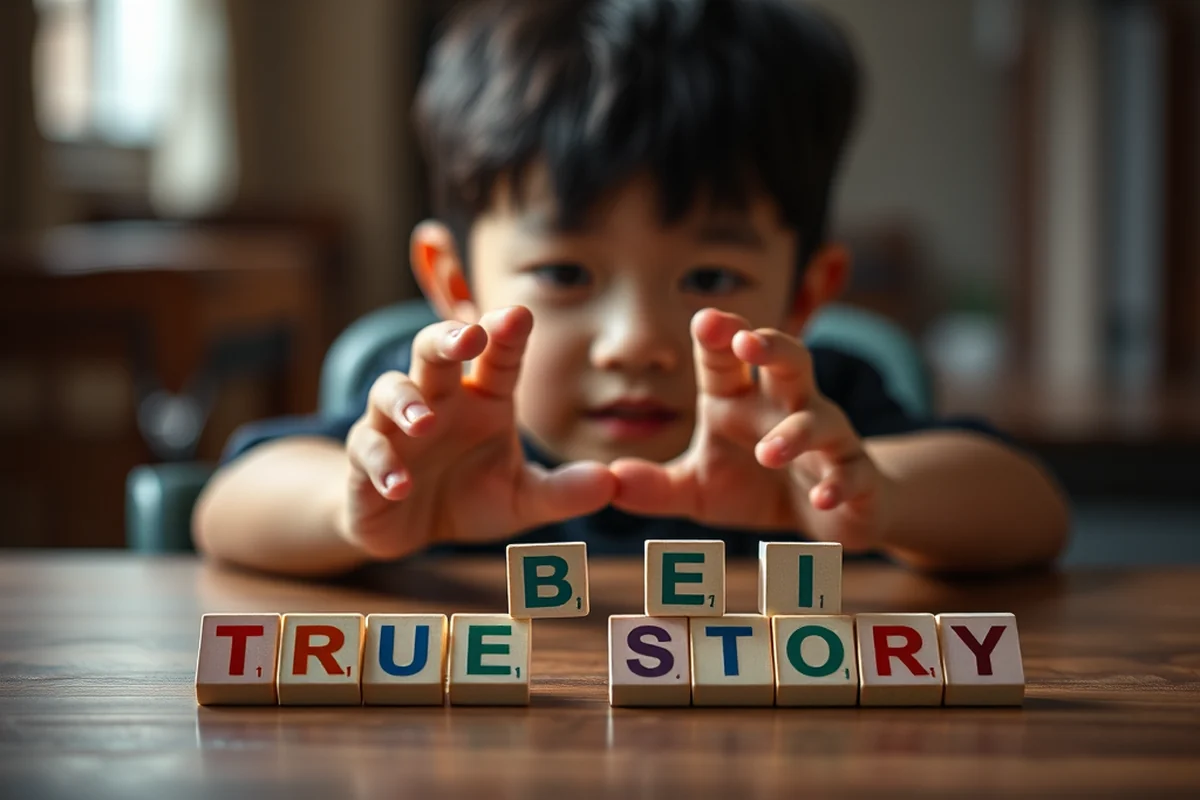
Repetition is not just about memorization—it's about deepening understanding. With 'Song Sung Blue,' my son began to recognize the structure of the song, the way the melody repeats, and the rhythm that carries it forward. This helped him develop a sense of musical form, which is a key concept in music theory.
I made a point of singing the song with him every morning, and slowly, he began to sing it back to me. This wasn’t just about memory—it was about confidence. He was learning that he could contribute, that his voice had value.
After a few weeks of this, I noticed that he was starting to pick up on other songs, too. The repetition from 'Song Sung Blue' had created a foundation that made learning new songs easier and more fun.
Repetition is the mother of learning.
Related: Worthy it of all lyrics
Extending the Learning Beyond the Song
After mastering the melody of 'Song Sung Blue,' we began to explore other songs with similar rhythms and structures. This helped my son understand that music is a universal language, and that there are patterns and rules that govern it, even in different genres.
We also used the song as a way to introduce basic music theory concepts, such as the difference between major and minor scales. It was surprising how quickly my son picked up on these concepts, especially when they were taught in the context of something he already loved.
One of the most powerful extensions was when we created our own 'blues song' using the same structure. It was a simple exercise, but it gave him a sense of ownership over the music and showed him that he could create his own songs.
Once your child is comfortable with 'Song Sung Blue,' use it as a springboard to explore other songs and musical concepts.
“I still remember the first time my son sang the blues.”— Teaching Music to Homeschoolers editors
Related: How to find a song by lyrics
Connecting Music to Other Subjects
We used 'Song Sung Blue' as a way to introduce concepts from other subjects, such as history and geography. For example, we discussed the origins of the blues and how it reflects the history of African American culture. This helped my son make connections between music and other areas of learning.
We also used the song to explore different cultures and time periods, discussing how music changes over time and how it reflects the values and experiences of different people. This was a way to integrate social studies into our music lessons.[2]
In math, we used the song to teach counting and rhythm. We counted beats and discussed how different rhythms can be created by changing the timing of the notes. This was a fun and engaging way to reinforce math concepts.
Related: Love song lyrics
The Emotional Benefits of Learning Through Music
One of the most unexpected benefits of using 'Song Sung Blue' was the emotional growth it brought to my son. The song is about feeling blue, and it gave him a way to talk about his emotions in a safe and structured way. We would discuss what it means to feel sad or down, and he would often use the song as a way to process his feelings.
We also used the song as a way to teach empathy. We would ask him how he thought the person in the song felt, and what he might need to feel better. This helped him understand that emotions are normal and that it's okay to talk about them.
Over time, I noticed that he was more open to discussing his feelings and was more willing to reach out for help when he was struggling. Music had become a bridge between his emotions and his learning.
Related: Song sung blue movie
The Role of the Parent in the Learning Process
As a parent, I realized that my presence and involvement were key to my son’s success in learning 'Song Sung Blue.' When I sang with him, listened to him. Encouraged him, it created a sense of security and confidence that made learning more effective.
I also made sure to be a good role model. I would talk about the music I loved, and I would share my own experiences with learning songs. This helped my son see that music is something that can be enjoyed and learned by people of all ages.
Being an active participant in the learning process also meant that I was able to adapt the lessons to my son’s needs. If he was struggling with a concept, I could find a different way to teach it, using music as a bridge to understanding.
A parent's involvement can be the difference between a child learning and a child just listening.
Related: Iconic by mistake lyrics
The Long-Term Impact of Early Music Education
Looking back, I can see how the early lessons with 'Song Sung Blue' have helped my son develop a love for music and learning. He now enjoys playing instruments, and he is more confident in his ability to learn new things. The skills he developed through music have carried over into other areas of his education.
One of the most important things I’ve learned is that music education is not just about learning how to play an instrument—it’s about developing a lifelong love of learning. The curiosity, creativity, and confidence that music fosters are invaluable.
As my son grows, I know that the lessons we learned through music will continue to shape his learning and his life. Music has become a part of who he is, and I know that it will be a part of his future, no matter what path he chooses.
👶 Younger Kids (Ages 2-3)
Use simple movements or actions to accompany the song, helping even the youngest learners connect with the music.
👦 Older Kids (Ages 7-12)
Introduce more complex musical concepts like tempo, key changes, and even songwriting using 'Song Sung Blue' as a foundation.
⏱️ No-Prep Version
Simply play the song and encourage your child to listen, sing, or move to the music. No materials needed.
👥 Group Version
Use the song in a group setting with siblings or friends to encourage collaboration and shared learning.
🎨 Extension Activity
Create a visual representation of the song using drawings, colors, or even a simple storyboard to reinforce learning.
| The mistake | Why it happens | The fix |
|---|---|---|
| Overloading the activity with too many concepts at once. | This can overwhelm your child and make the learning process less enjoyable. | Focus on one or two concepts at a time, and build on them gradually. |
| Not allowing enough time for your child to explore the song at their own pace. | This can make the activity feel rushed and less meaningful. | Give your child time to listen, sing, and engage with the song without pressure. |
| Forcing your child to perform or sing if they’re not interested. | This can create a negative association with music and learning. | Encourage, but never force. Let your child choose how they want to engage with the song. |
| Not connecting the song to other areas of learning. | This can make the activity feel isolated and less impactful. |
Song Sung Blue True Story
Common Questions
How can I use 'Song Sung Blue' to teach my child about emotions?
What if my child isn’t interested in singing?
How do I know if my child is learning from this activity?
Can I use this activity with multiple children?
References
- Roots of Jazz and Blues with King Henry (cs.virginia.edu)
- Performance Style and Culture Research Guide - Alan Lomax ... (loc.gov)
Cite this guide
Teaching Music to Homeschoolers (2026). Song Sung Blue True Story. https://melodystart.com/song-sung-blue-true-story/
Feel free to cite or share this guide.
Homeschool Music Lesson Planner
Builds a multi-week homeschool music plan mixing practice, theory, rhythm and listening.
Open it free →