
Teaching Children Music
📖 Table of Contents
- Why Music Matters for Early Childhood Development
- How to Start Teaching Children Music at Home
- The Role of Play in Teaching Music to Children
- Using Technology to Enhance Music Learning
- Teaching Music through Storytelling and Songwriting
- Incorporating Music into Everyday Routines
- The Importance of Parental Involvement in Music Education
- Make It Your Way
- Frequently Asked Questions
I remember the first time my 4-year-old daughter sang along to a song I was playing on the piano. It was a simple melody, nothing complicated, but it felt like a breakthrough — the kind that makes you realize music isn't just for the gifted, but for everyone. Teaching children music didn't start as a structured plan, but rather as a series of moments, like that one, that slowly built into a rhythm of learning. The more I explored, the more I saw how teaching children music could shape not only their artistic side but also their confidence, emotional intelligence, and even math skills.[3]
Over the past five years, I've experimented with different methods, from using apps to composing our own songs. I've watched my daughter move from clapping along to rhythms to playing her first chords on the piano — all within the same year. It wasn't always easy. There were days when she wanted to stop, and I had to find new ways to keep her engaged. But through it all, teaching children music became more than just lessons; it became a way of connecting with her, of sharing something that was both fun and meaningful.[4]
Now, I want to share what I've learned. Whether you're a first-time parent or an experienced educator, this article will walk you through the what, why, and how of teaching children music. I'll give you concrete examples, tools, and techniques that have worked for us. I'll show you how to make music part of everyday life, not just a once-a-week activity. And I'll help you see how teaching children music isn't just about the notes on a page — it's about the joy, the connection, and the growth.[5]
Why You'll Love This Approach to Teaching Children Music
- It's flexible — you can adapt lessons to your child's interests and schedule.
- It's engaging — music becomes a fun and interactive part of daily life.
- It's rewarding — watching your child grow musically and emotionally is deeply satisfying.
- It's accessible — no formal training or expensive equipment is required.
Why Music Matters for Early Childhood Development
As of August 2026, Research shows that children who are exposed to music from an early age tend to have better memory, language skills, and problem-solving abilities. I've seen this firsthand with my daughter — after learning to sing along to nursery rhymes, she began recognizing patterns in words and numbers, which helped her with counting and reading. Music is not just about rhythm and melody; it's about building a foundation for learning.[1]
Also, music fosters emotional intelligence. When my daughter learned to express her feelings through song, she became more aware of her own emotions and those of others. One day, she sang a lullaby to her baby doll, and it was a beautiful moment that showed how music can create empathy and connection.
Social skills also improve with music. During group play sessions, my daughter and her friends would take turns singing or playing instruments. This taught them how to listen, wait their turn, and collaborate — all critical social skills.
Use simple songs to teach concepts like counting, shapes, or colors. For example, count the beats while clapping or sing the alphabet song to help with letter recognition.
How to Start Teaching Children Music at Home
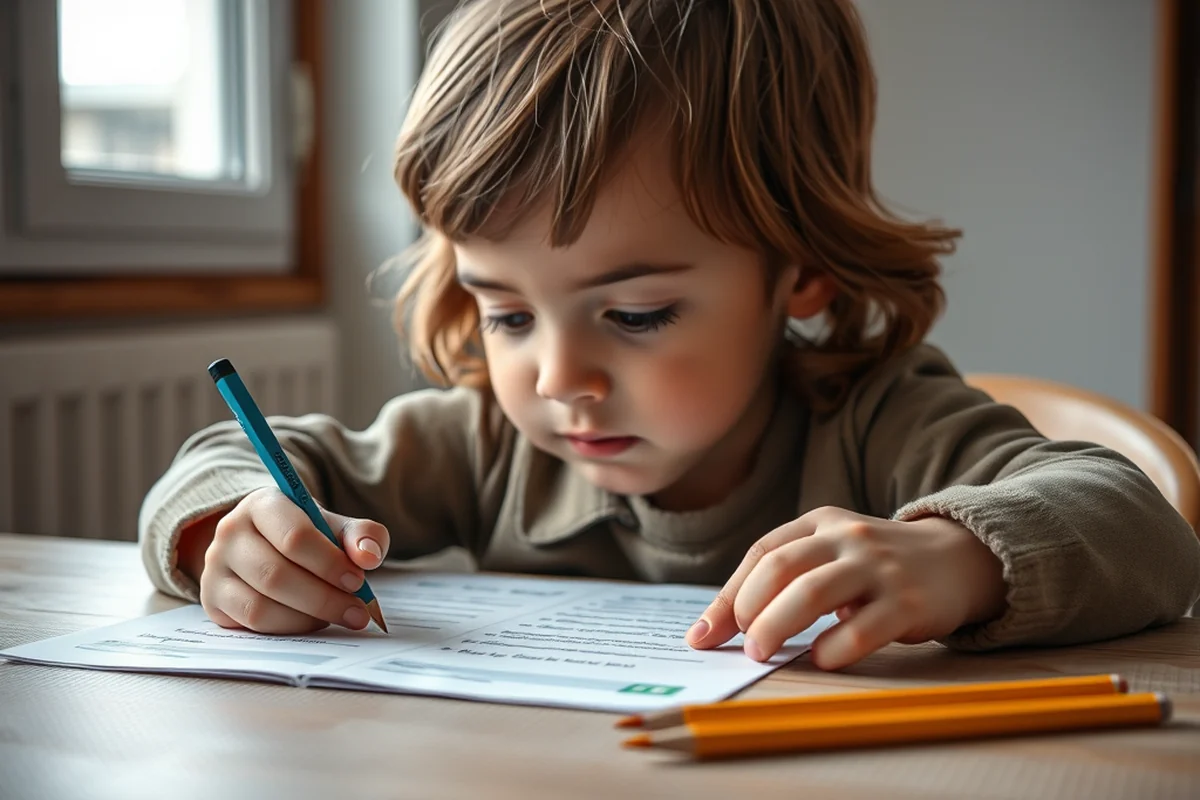
Start by incorporating music into daily routines. I play soft background music while we're cooking or getting ready for bed. It creates a calming atmosphere and helps my daughter associate music with positive experiences. You don't need expensive instruments — just your voice, a few toys, or even household items like pots and pans can become musical instruments.
Next, use songs that your child already knows. Repetition is key in early learning, and familiar songs make it easier for them to follow along. I often use songs like 'Twinkle, Twinkle, Little Star' or 'The Wheels on the Bus' to introduce rhythm and pitch. These songs are not only fun but also help your child feel accomplished as they sing along.
Finally, be patient and celebrate progress. My daughter sometimes hesitates to sing or play, but I make sure to praise her efforts. Even a small achievement, like hitting the right note or keeping a steady beat, is worth celebrating.
Start small, and the music will grow with your child.
Related: Teaching music degree
Related: Music teaching franchise
Related: Teaching music curriculum
Related: Teaching music appreciation
Related: Music teaching classes near me
Related: Music class for toddlers
The Role of Play in Teaching Music to Children
I've found that when music is tied to play, children are more willing to participate. For example, we often play 'Musical Chairs' with our favorite songs, and it's a great way to teach rhythm and listening skills. The game is simple, but it keeps the kids interested and active.
Another way to use play is by creating a 'music corner' in the living room with a small keyboard, a xylophone, and a few drums. My daughter loves to explore these instruments and experiment with different sounds. It's like her own little studio, and she's constantly discovering new ways to make music.
When children are playing with music, they're not just having fun — they're learning. They're developing fine motor skills when they press keys on the keyboard, they're improving coordination when they move to the beat, and they're building confidence as they explore their own musical ideas.
Set up a small space where your child can explore music freely. Include a few simple instruments and a small keyboard or piano. Let them experiment and discover their own sounds and rhythms.
“I remember the first time my 4-year-old daughter sang along to a song I was playing on the piano.”— Teaching Music to Homeschoolers editors
Related: Teaching babies music
Related: Teaching music from home
Related: Teaching music near me
Related: Music class for toddlers near me
Using Technology to Enhance Music Learning
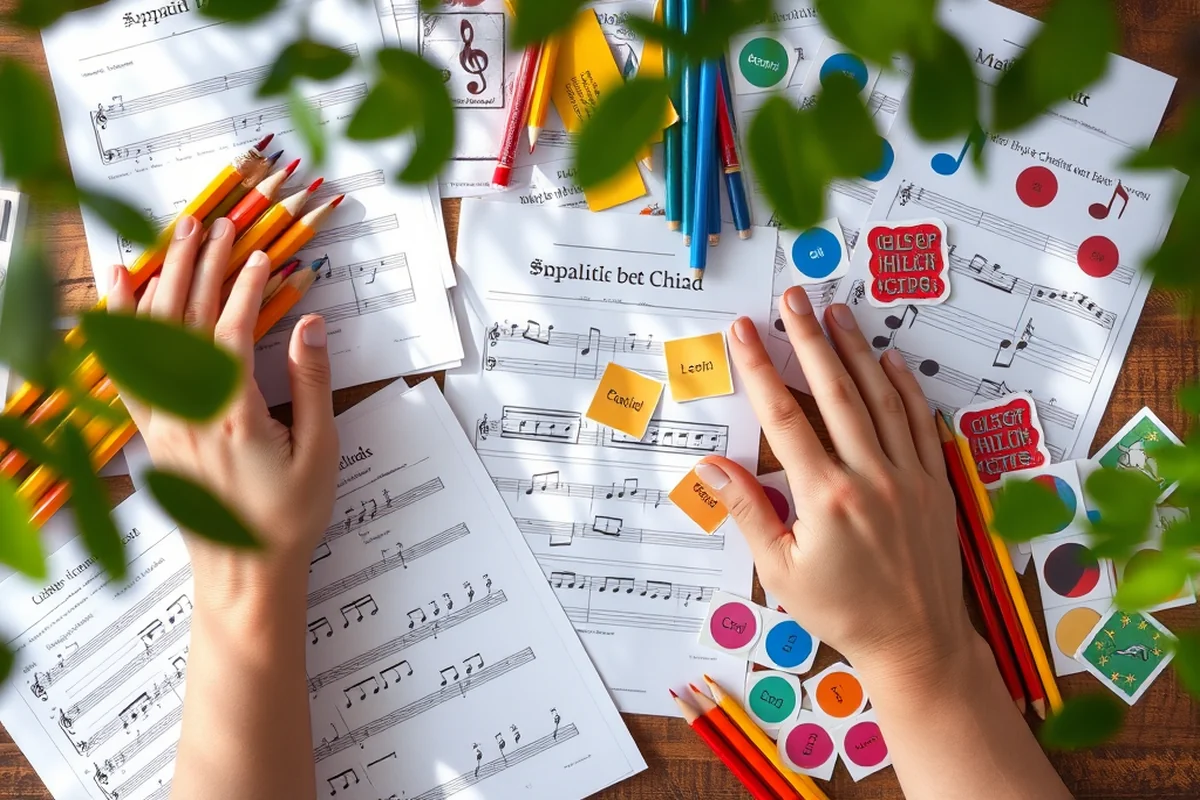
I've used music apps like 'GarageBand' and 'Piano Marvel' with my daughter, and they've been a great way to introduce her to different instruments and musical concepts. These apps are designed to be child-friendly, with colorful visuals and simple controls that make it easy for little hands to use.
One of my favorite features is the ability to record and play back what my daughter creates. It's amazing to hear her sing or play a melody and then hear it back. This helps her understand that music is something she can create and control. It also gives her a sense of accomplishment and motivation to keep learning.
Of course, it's important to balance screen time with hands-on activities. I use technology as a supplement to our music lessons, not a replacement. That way, my daughter still gets the benefits of playing with real instruments and singing with her voice.
Teaching Music through Storytelling and Songwriting
I've found that creating songs based on stories is a great way to get my daughter involved in music. We read a book, and then we write a simple song about the characters or the plot. This not only helps her learn about music but also encourages creativity and literacy.
Songwriting also gives children a way to express their feelings and experiences. One day, my daughter wrote a song about her favorite animal, the elephant. It was simple — just a few lines and a melody — but it was so meaningful to her. It showed how music can be a form of self-expression and emotional release.
This approach also helps with memory and retention. When children are involved in the creative process of making music, they're more likely to remember it. I've noticed that my daughter remembers songs she helped write much better than ones she just listens to.
Incorporating Music into Everyday Routines
I've learned that music doesn't have to be limited to special lessons or activities. It can be part of our daily lives. For example, we use songs to transition between activities — a lullaby when it's time for bed, a upbeat song during snack time, or a fun tune while getting dressed. This helps my daughter understand and follow routines in a more enjoyable way.
Another way to use music in daily life is during chores. While we're cleaning or cooking, I play background music that's cheerful and easy to listen to. It makes the tasks feel more fun and less like work, especially for my daughter. She even likes to sing along to the songs as we go.
By making music a regular part of our day, my daughter has developed a natural connection to it. She looks forward to hearing songs and even asks me to play music during certain times of the day. This shows how music can become a comforting and familiar part of a child's life.
Music becomes a part of the day — not a distraction, but a rhythm.
The Importance of Parental Involvement in Music Education
I've noticed that when I'm actively involved in my daughter's music learning, she's more motivated and engaged. Whether we're singing together, playing an instrument, or just listening to music, my presence makes a big difference. It shows her that music is something we can enjoy together, not just an activity she does alone.
Involving parents also helps children feel supported and encouraged. My daughter often says she wants to play the piano more when I'm there to listen. It gives her confidence and makes her feel like her efforts are valued.
Finally, parental involvement helps create a positive learning environment. When parents are interested in their child's music education, it sends a message that music is important and that learning can be fun. This sets the stage for a lifelong love of music.
🎵 Younger Kids (Ages 3-5)
Use simple songs, rhythmic clapping, and playful instruments to engage younger children and introduce basic musical concepts.
🎹 Older Kids (Ages 6-12)
Introduce more complex musical ideas, such as reading music, learning to play an instrument, and creating original songs.
🎶 No-Prep Version
Use just your voice and household items to create music — no instruments or printed materials are needed.
👥 Group Version
Teach music in a group setting with friends or family, using games and collaborative activities to make learning fun.
📖 Extension Activity
Encourage your child to explore music further by writing songs, learning about famous musicians, or attending a live performance.
| The mistake | Why it happens | The fix |
|---|---|---|
| Making lessons too long or formal | Children have short attention spans and may become disengaged if lessons are too long or too serious. | Keep lessons short, fun, and informal. Use games and music that your child enjoys to keep them interested and motivated. |
| Not adapting to your child's interests | If your child isn't interested in the music you're teaching, they may lose motivation and become disengaged. | Choose songs and activities that align with your child's interests, whether it's pop music, classical music, or music from their favorite cartoon. |
| Overlooking the emotional benefits of music | Music isn't just about learning notes and rhythms — it's also a powerful tool for emotional expression and connection. | Make sure to use music as a way to express emotions and connect with your child. Sing songs that relate to their feelings and encourage them to create their own music. |
| Ignoring the importance of repetition | Children often need repetition to learn and retain musical concepts, and skipping it can lead to frustration and a lack of progress. | Use repetition in your lessons by singing the same songs multiple times, practicing the same rhythms, and reinforcing musical concepts through consistent activities. |
Teaching Children Music
Common Questions
What are some simple ways to teach music to my child at home?
How can I keep my child interested in music if they lose focus?
What age is best to start teaching children music?
Do I need any special equipment to teach music to my child?
Cite this guide
Teaching Music to Homeschoolers (2026). Teaching Children Music. https://melodystart.com/teaching-children-music/[2]
Feel free to cite or share this guide.
References
- Using Favorite Songs and Poems with Young Learners (americanenglish.state.gov)
- Music as a Pathway to Brain Building & Language Development in ... (blog.richmond.edu)
- Music and Movement in the Classroom – An Educational Blog (blogs.millersville.edu)
- Music in early childhood has a direct link to reading readiness (canr.msu.edu)
- The Importance of Music and Movement | Child Development and ... (chhs.niu.edu)