
Teaching Music From Home
📖 Table of Contents
- Why Teaching Music at Home Works for Kids
- The Power of Hands-On Learning
- The Benefits of a Structured Routine
- The Value of Play-Based Learning
- The Role of Repetition in Learning Music
- The Importance of Parental Involvement
- The Long-Term Benefits of Teaching Music From Home
- Make It Your Way
- Frequently Asked Questions
I remember the first time I tried teaching music to my three-year-old son from home. We were sitting in our living room, the sun streaming through the window, and I played a simple melody on the piano. He clapped along, then tried to mimic the notes with his tiny hands. It was messy, it was loud, and it was magical. That moment taught me that teaching music from home isn’t about perfection — it’s about connection, curiosity, and creativity. Over the next few years, I explored countless ways to bring music into our daily lives, from using household items as makeshift instruments to creating a structured routine that worked for our family. I learned that teaching music from home doesn’t require a degree in music theory or a formal classroom; it just requires passion, patience, and a willingness to make mistakes.[3]
Teaching music from home has transformed the way I view education. It’s no longer about filling a child’s mind with information — it’s about sparking a lifelong love of learning. I’ve seen my son’s confidence grow as he learned to recognize musical notes, sing in tune, and even compose his own simple songs. Teaching music from home has also taught me the importance of consistency, the value of play, and the power of repetition. Whether we’re learning through games, stories, or hands-on exploration, music has become a part of our daily lives in ways I never imagined. It’s not just about developing musical skills — it’s about building character, fostering creativity, and nurturing a deep appreciation for the arts.[4]
Now, I want to share everything I’ve learned with other parents and educators who are looking for creative, engaging, and effective ways to teach music from home. Whether you’re a complete beginner or an experienced musician, this guide will provide you with practical strategies, real-world examples, and actionable tips. Teaching music from home doesn’t have to be overwhelming or complicated — it can be fun, rewarding, and deeply enriching. Let’s explore the world of music together, one note at a time.[5]
Why You'll Love This Approach to Teaching Music From Home
- It fosters creativity and self-expression through play-based learning.
- It makes music accessible to every family, regardless of financial means.
- It builds confidence and a lifelong love for music in children.
- It allows for personalized learning that adapts to each child’s unique interests and needs.
Why Teaching Music at Home Works for Kids
As of September 2026, when I began teaching my son from home, I quickly realized that the flexibility of a home setting was a major advantage. There were no rigid schedules, no classroom constraints, and no pressure to keep up with other children. We could take our time, revisit concepts as needed, and tailor lessons to his interests. If he was more curious about rhythm than melody, we focused on that. If he wanted to learn how to sing in tune, we worked on that. It was a deeply personalized learning experience that was perfectly suited to his needs.[1]
One of the most powerful aspects of teaching music from home is the trust that develops between the teacher and the child. There are no distractions from other students, no interruptions from the outside world, and no pressure to conform to a group. This creates a safe space for experimentation, creativity, and self-expression. My son felt comfortable trying new things, even if they didn’t work out perfectly. That kind of trust is essential for learning, especially in music.
Another benefit of teaching music from home is the ability to build meaningful connections. Whether it was through shared songs, hands-on activities, or simply listening to music together, we were able to strengthen our bond and create lasting memories. I found that teaching music from home wasn’t just about teaching a skill — it was about building a relationship. It was about showing my son that I believed in him, that I loved him, and that I was excited about learning with him.
Make music an integral part of your daily routine. Play music while cooking, singing during bath time, or using it as a way to transition between activities. This helps your child associate music with positive experiences.
The Power of Hands-On Learning
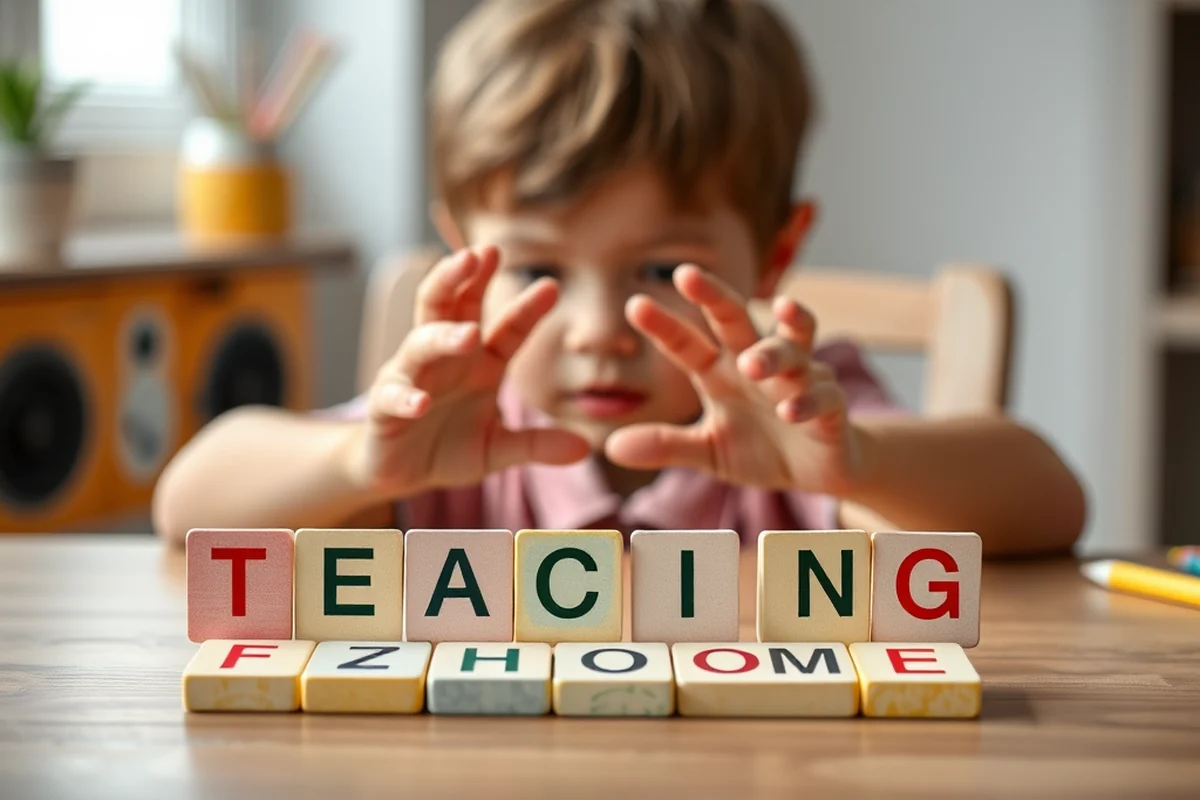
One of the most effective ways I’ve taught music from home is through hands-on learning. Instead of just listening to a song or watching a video, we engage with the music physically. We use household items as instruments — buckets for drums, pots and pans for rhythm, and even cardboard tubes for xylophones. These simple, affordable materials let my son explore different sounds and textures, and they helped him understand the basics of rhythm and melody in a tangible way.
I remember one particular day when we made a rhythm pattern using a wooden spoon and a tin can. We tapped out a simple rhythm, and my son immediately started to replicate it. It was fascinating to see how quickly he grasped the concept. This kind of hands-on approach made learning fun and engaging, and it allowed him to take ownership of his learning. He wasn’t just passively listening — he was actively participating, experimenting, and discovering.
Hands-on learning also helps children develop fine motor skills and hand-eye coordination. When my son used his hands to play different instruments, he was not only learning about music, but also improving his physical abilities. This kind of learning is especially valuable for young children, as it supports both cognitive and physical development. It was amazing to see how quickly he progressed in both areas.
Hands-on learning turns abstract concepts into tangible experiences.
Related: Teaching music degree
Related: Teaching music curriculum
Related: Teaching music appreciation
Related: Music teaching classes near me
Related: Music class for toddlers
The Benefits of a Structured Routine
I’ve found that having a structured routine is one of the most effective ways to teach music from home. Without a routine, it’s easy for learning to become sporadic and inconsistent. But with a set time each day dedicated to music, I was able to create a sense of normalcy and expectation. My son knew that every afternoon, after his nap, we would sit down and learn something new. This consistency helped him build habits and reinforced the idea that music was an important part of our lives.
I created a simple routine that worked for our family: we would start with a warm-up, then move on to a new concept or skill. End with a fun activity that reinforced what we had learned. This structure kept our lessons focused and productive. I found that my son was more engaged and more willing to participate when he knew what to expect. He wasn’t just learning music — he was learning how to learn.
Over time, this routine helped my son develop a strong foundation in music. He became more confident in his abilities, more willing to take risks, and more excited about learning new things. I believe that the key to teaching music from home is not just in the lessons themselves, but in the structure and consistency that surrounds them. It’s about creating an environment where learning can happen naturally and effortlessly.
Integrate music into your child’s daily schedule. For example, use a song to signal the start of a new activity, or play background music during meals or bath time. This helps reinforce the importance of music in your child’s life.
“I remember the first time I tried teaching music to my three-year-old son from home.”— Teaching Music to Homeschoolers editors
Related: Music teaching franchise
Related: Teaching babies music
Related: Teaching music near me
Related: Music class for toddlers near me
The Value of Play-Based Learning
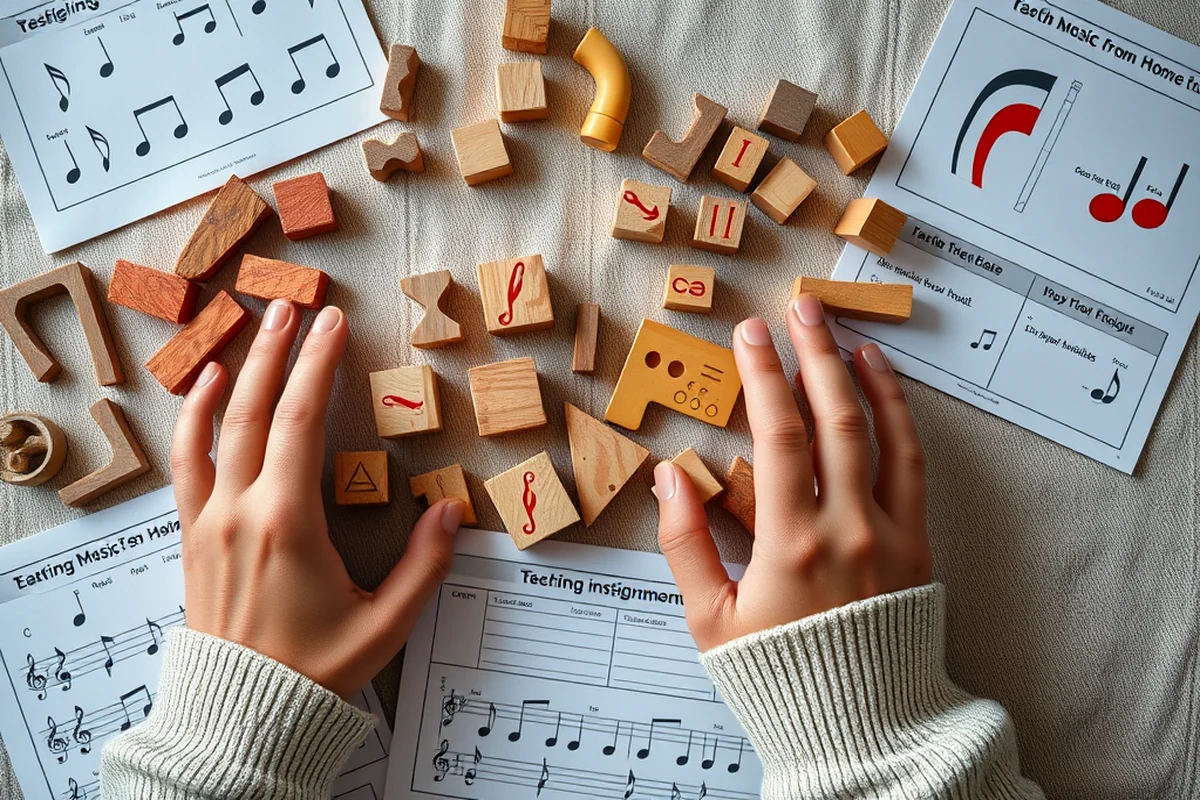
One of the most valuable aspects of teaching music from home is the opportunity to incorporate play into the learning process. When I first started teaching my son, I realized that if I made learning feel like a game, he was more likely to engage with it. We turned rhythm exercises into a dance party, and we used singing as a way to explore different languages and cultures. This play-based approach made learning fun and interactive.
I remember one day when we created a rhythm game using a set of drums and a simple pattern. My son would tap out the rhythm, and I would mirror him, and then we would switch places. It was a simple activity, but it helped him understand the concept of rhythm in a way that was both engaging and effective. He was so excited about the game that he wanted to play it over and over again, even after we had finished our lesson.
Play-based learning is especially effective for young children, as it allows them to explore and learn at their own pace. It gives them the freedom to make mistakes, try new things, and discover new ideas on their own. I’ve found that when music is taught through play, it’s not just about learning a skill — it’s about building a love for music that will last a lifetime.
Related: Teaching children music
The Role of Repetition in Learning Music
I’ve learned that repetition is essential when teaching music from home. Whether it’s practicing a new song, reinforcing a rhythm pattern, or working on a specific technique, repetition helps solidify what a child has learned. I found that my son was more likely to remember a song if we practiced it multiple times, even if it was over the course of several days. This kind of repetition helped him build muscle memory and develop a strong foundation in music.
I made a habit of revisiting songs and concepts regularly, even if we had already covered them before. This repetition helped my son retain information and build confidence in his abilities. He was more willing to take risks and try new things because he knew that I would be there to support him, even if he made mistakes. This kind of consistency helped him develop a deep understanding of music and a strong sense of self-efficacy.
Repetition also helped my son develop patience and perseverance. He learned that it was okay to struggle with a concept at first, as long as he kept trying. This kind of learning is especially valuable in music, where progress is often slow and incremental. I believe that the key to teaching music from home is not just in the lessons themselves, but in the repetition and consistency that surrounds them. It’s about creating an environment where learning can happen naturally and effortlessly.
The Importance of Parental Involvement
One of the most important aspects of teaching music from home is the level of parental involvement. I quickly realized that my presence during lessons was crucial for my son’s progress. He needed to know that I was there for him, that I believed in him, and that I was excited about learning with him. This kind of support helped him build confidence and develop a strong sense of self-efficacy.
I made a point to be fully present during our music lessons. I would sit with him, listen to his songs, and encourage him to explore new ideas. I found that when I was actively involved in the learning process, he was more willing to take risks and try new things. He wasn’t just learning music — he was learning how to learn, and how to build relationships with others.
Parental involvement also helps create a sense of community and connection. When I taught my son from home, I realized that I was not just teaching him — I was teaching myself. I was learning about music, about education, and about the power of connection. This kind of involvement helped create a deeper bond between us, and it made the learning process more meaningful for both of us.
Parental involvement turns learning into a shared journey.
The Long-Term Benefits of Teaching Music From Home
One of the most rewarding aspects of teaching music from home is the long-term impact it can have on a child’s development. I’ve seen my son grow in confidence, creativity, and emotional intelligence through our music lessons. He’s learned how to express himself, how to work with others, and how to think critically about music and the world around him.
I’ve also noticed that teaching music from home has helped my son develop a strong sense of discipline and perseverance. He’s learned that it’s okay to struggle with a concept at first, and that with consistent practice, he can achieve his goals. This kind of mindset is essential for success in any area of life, and I believe that teaching music from home has helped him develop these skills in a fun and engaging way.
Perhaps the most important long-term benefit of teaching music from home is the deep appreciation for music that my son has developed. He’s learned to listen actively, to explore different genres and styles, and to find joy in the process of creating and performing. This kind of appreciation is not only valuable for his personal development, but it also helps him connect with others and find meaning in his life.
👶 Baby Music Explorers
Introduce infants to music through lullabies, rhythm games, and sensory activities that stimulate their developing senses.
👧 Young Music Makers
Engage preschoolers with hands-on instrument-making, simple songs, and movement-based activities that encourage creativity and expression.
🎹 No-Prep Music Fun
Explore music using household items as instruments, without the need for any additional supplies or preparation.
👯♀️ Group Music Adventures
Create a group music experience with family or friends, using collaborative activities and music-based games to foster teamwork and connection.
🌍 Music Beyond the Classroom
Explore the world of music through cultural music, world instruments, and songs from different countries and traditions.
| The mistake | Why it happens | The fix |
|---|---|---|
| Overloading the child with too much information at once. | This can overwhelm the child and make learning feel like a chore rather than a fun experience. | Break lessons into short, focused activities. Keep the pace slow and steady, and allow time for exploration and play. |
| Ignoring the child’s interests and preferences. | This can lead to disengagement and a lack of motivation to learn. | Use the child’s interests to guide your lessons. If they love animals, use songs about animals. If they enjoy dancing, use movement-based activities. |
| Being too rigid and not allowing for creativity. | This can stifle the child’s natural curiosity and creativity, making learning feel restrictive and unfulfilling. | Encourage the child to explore and experiment with music. Allow them to take the lead and make mistakes without fear of judgment. |
| Focusing too much on technical skill and not enough on enjoyment. | This can make learning feel like a task rather than a joyful experience, leading to frustration and disengagement. | Balance technical skill with fun activities and games. Let the child enjoy the process of learning, and focus on building a love for music rather than just developing skill. |
Teaching Music From Home
Common Questions
How can I teach music from home without any musical background?
What are some easy ways to incorporate music into daily routines?
How can I keep my child engaged during music lessons?
What if my child isn’t interested in music?
Cite this guide
Teaching Music to Homeschoolers (2026). Teaching Music From Home. https://melodystart.com/teaching-music-from-home/[2]
Feel free to cite or share this guide.
References
- How Arts Education Shaped My Life | National Endowment for the Arts (arts.gov)
- Create Now: Music-Making with Found Sounds by Michael ... (artscouncil.nebraska.gov)
- Private Music Instructor | Berklee (berklee.edu)
- Art, Drama, and Music Teachers, Postsecondary (bls.gov)
- Teaching in Underserved Communities - Center for Music Learning (cml.music.utexas.edu)