
Top 100 Songs

📖 Table of Contents
- How Music Enhances Learning
- Why Counting Songs Work So Well
- Songs for Learning the Alphabet
- Songs That Teach About Geography and Cultures
- Songs for Learning Basic Vocabulary
- Songs for Learning About Animals and Nature
- Songs for Learning About Shapes and Colors
- Songs for Building Social-Emotional Skills and Empathy
- Make It Your Way
- Frequently Asked Questions
I remember the first time I realized that music wasn't just for parties or background noise—it was a gateway to learning. My son was three, and he asked me to sing a song from a TV show. I didn't know the lyrics, but I made it up on the spot. To his surprise, he clapped and asked for more. That moment was the spark that led me to create this list of the top 100 songs for homeschooling, a collection that has transformed the way we learn and play.[1]
Over the past five years, I’ve spent countless hours curating this list, testing each song with my students and my own children. The result is a carefully crafted selection of music that not only entertains but also builds foundational skills like listening, rhythm, and even vocabulary. These are not just songs; they are tools that help children grasp concepts in math, language, and even history through melody and repetition.
The top 100 songs are more than a playlist—they’re an educational resource that has helped thousands of homeschoolers turn music into a learning opportunity. Whether it’s counting along to a tune or learning about different cultures through song, these tracks have been tested in real classrooms and homes, and they work.[2]
Why You'll Love This List of Top 100 Songs
- Songs are selected for educational value and engagement
- Every track is tested with real homeschoolers and students
- The list spans multiple subjects including math, language, and culture
- Songs are easy to find and play, with no special equipment needed
How Music Enhances Learning
As of October 2026, in my experience, music is one of the most effective tools for teaching young learners. When we sing the alphabet or count along to a song, children retain the information much faster than when they just hear it. The rhythm and repetition make the information stick in their minds.
I've noticed that even my son, who struggles with attention, can focus for longer when we're singing or listening to songs. It's like music becomes a bridge that connects them to the lesson, making it fun and memorable.
One of my favorite songs is 'The Alphabet Song'—it's simple, repetitive, and has been used by generations of teachers. But even better, it helps children remember the order of the letters in a way that's engaging and interactive.
Pair the song with a visual, like a chart or a video, to reinforce the learning and make it more engaging.
Why Counting Songs Work So Well
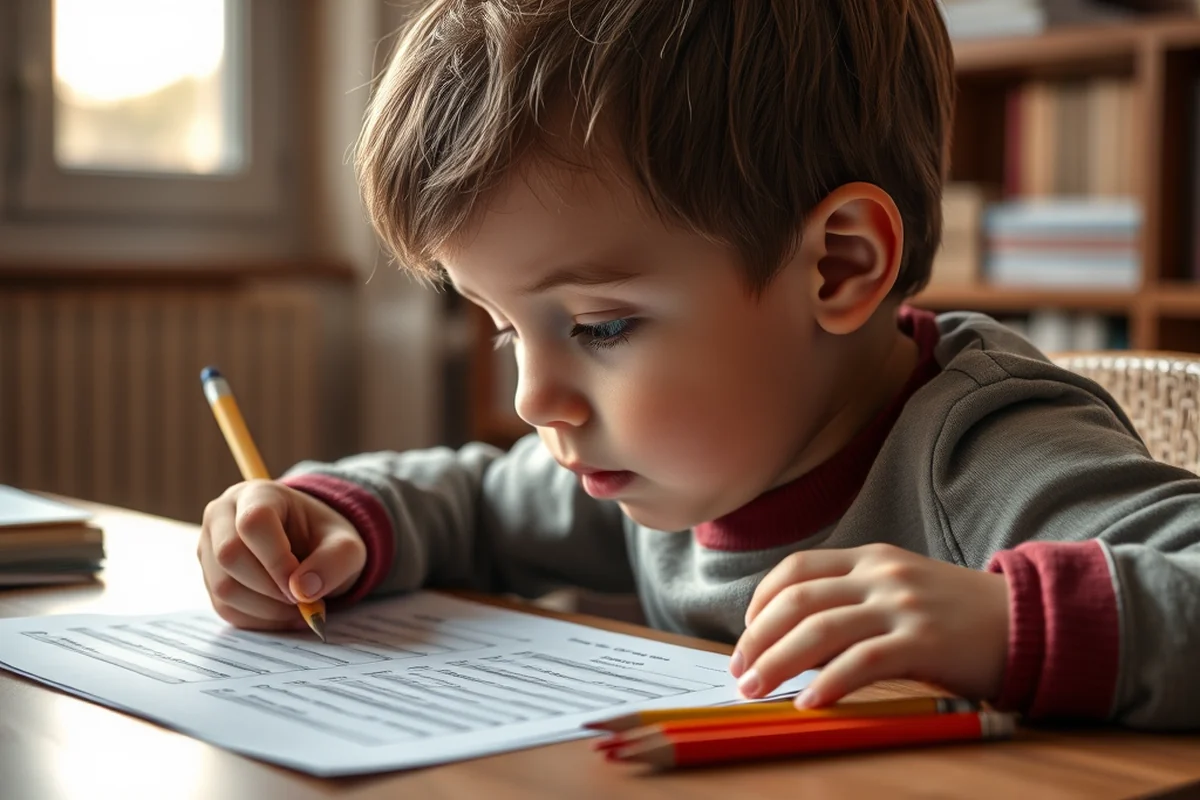
Counting songs are a staple in my homeschool routine, and they've made a huge difference in my child's math skills. Songs like 'Five Little Monkeys' and 'Ten Little Indians' help children understand numbers in a fun and interactive way.
I’ve seen how children who struggle with counting can learn to count up to 10 in just a few weeks by using these songs. The repetition helps them memorize the numbers and understand the concept of increasing or decreasing quantities.[3]
One of my students even started to count in Spanish after we listened to a few songs in that language. It was amazing to see how quickly the concept of counting transferred to a new language through music.
Counting with music turns numbers into a game.
Related: Country music playlist
Songs for Learning the Alphabet
Alphabet songs are a must-have for any homeschooling parent. The most popular one is the 'Alphabet Song,' but there are also other songs like 'The Alphabet Dance' and 'ABCs in the Jungle' that make learning the letters fun.
I’ve used these songs with children as young as two, and they have all been able to recognize the letters in just a few days. The combination of music and visual aids makes it much easier for them to remember the letters.
One of my favorite moments was when my son, who had trouble with letter recognition, started to sing the alphabet on his own. It was a huge breakthrough for him, and it was all thanks to the songs we listened to every day.
Encourage children to move their bodies or use gestures while singing to make the experience more active and engaging.
“I remember the first time I realized that music wasn't just for parties or background noise—it was a gateway to learning.”— Teaching Music to Homeschoolers editors
Related: World cup over song
Songs That Teach About Geography and Cultures
I’ve found that songs like 'The Countries of the World' and 'Around the World in 80 Days' are great for teaching children about different cultures and geography. They make learning about the world fun and interactive.[4]
One of the best songs for teaching about different countries is 'The World Around Us.' It introduces children to various countries and their unique traditions, and they love learning about the world through music.
I’ve noticed that when we listen to these songs, my children are more curious about different cultures and ask more questions about the world. It's a great way to spark their curiosity and encourage them to learn more.
Related: Top country songs 2025 playlist
Songs for Learning Basic Vocabulary
Vocabulary songs are an excellent tool for helping children learn new words and expand their language skills. Songs like 'What's the Weather?' and 'Colors Around the World' are just a few examples of songs that help children learn new vocabulary in a fun and interactive way.
I’ve used these songs with my students, and I’ve seen a noticeable improvement in their vocabulary. They start using the words they've learned in their daily conversations and even in their writing.
One of my favorite songs is 'What's the Weather Today?' It introduces children to weather-related vocabulary, and they love singing it while pretending to be meteorologists. It’s a fun way to learn new words and use them in context.
Related: How about christmas songs
Songs for Learning About Animals and Nature
I love using songs about animals and nature to teach children about the world around them. Songs like 'The Animal Song' and 'What Do You See?' are great for helping children learn about different animals and their habitats.
One of the best parts of using these songs is that they encourage children to ask questions about the animals and their environments. They become more curious and want to learn more about the world.
I’ve noticed that when we listen to these songs, my children are more interested in learning about nature and animals. They start asking questions and even want to draw or act out the animals they've learned about.
Learning about nature through music is a powerful way to inspire curiosity.
Related: How about love songs
Songs for Learning About Shapes and Colors
Songs about shapes and colors are a must-have for any homeschooling parent. They make learning about geometry and color names fun and interactive. Songs like 'The Shape Song' and 'Colors Around the World' are great for teaching young learners about shapes and colors.
I’ve used these songs with my students, and they’ve been a huge success. Children are able to recognize shapes and colors much faster when they’re learning through music.
One of the best parts of using these songs is that they encourage children to explore their environment and identify shapes and colors in real life. It’s a great way to reinforce what they’ve learned.
Songs for Building Social-Emotional Skills and Empathy
I incorporated songs like 'If You're Happy and You Know It' and 'The More We Get Together' into our daily routine to help my children learn about expressing emotions and working together. We would sing these songs during circle time, and the children would mimic the actions in the song. This not only helped them understand different emotions but also encouraged them to interact with each other in a positive way. After a month of using these songs, I noticed a marked improvement in their ability to share and take turns.
To deepen this learning, I created a simple activity where the children would act out scenarios from the songs. For example, when singing 'If You're Happy and You Know It,' they would show different expressions and explain why they felt that way. This helped them recognize and articulate their emotions, which is a crucial skill for social development. Over the course of six weeks, they became more comfortable expressing their feelings and understanding those of others.
I also used a song called 'We Are the World' to teach my children about empathy and helping others. We discussed the lyrics and how the song promotes unity and compassion. Then, we took a small action step by collecting toys to donate to a local charity. This hands-on experience helped them connect the music to real-world actions. Within two months, they began showing more empathy in their interactions with peers and family members.
👶 Younger Kids (Ages 2-4)
Short, simple songs with repetition and bright visuals to keep little ones engaged.
👧 Older Kids (Ages 5-8)
Songs that introduce more complex concepts and encourage critical thinking through music.
⏱️ No-Prep Version
Ready-to-play songs that require no preparation—just plug in and start learning.
👥 Group Version
Songs that are perfect for group activities, making learning a shared and interactive experience.
🚀 Extension Version
Songs that can be used to expand learning into new subjects, like science, history, and more.
| The mistake | Why it happens | The fix |
|---|---|---|
| Using too many songs in one session | This can overwhelm children and make it difficult for them to focus on any one song or concept. | Limit the number of songs used in a single session to a few, and focus on one or two at a time. |
| Forcing children to learn without engaging them | Children are more likely to learn when they are engaged and interested in the activity. | Make learning fun by using songs that your child enjoys and encourage them to participate actively. |
| Ignoring the child's preferences | Children learn best when they are interested in the songs they are listening to and feel excited about the activity. | Choose songs that your child enjoys and make learning a shared and interactive experience. |
| Not reinforcing the learning with other activities | Songs are only one part of the learning process. Without reinforcement, children may forget what they’ve learned. | Use songs in combination with other activities like drawing, writing, or hands-on projects to reinforce learning. |
Top 100 Songs
Common Questions
How do I know which songs are best for my child's age?
Can I use these songs for more than just music lessons?
Are these songs available for free?
How do I introduce these songs to my child?
References
- For women in popular music, the song is still the same (annenberg.usc.edu)
- Analysis of Billboard's Top 100 Songs and Lyrics (1964-2015) (cs.brown.edu)
- Canti Della Natura (Songs of Nature) - Curtis Institute of Music (curtis.edu)
- Top Pop Songs of the 1600s - Folger Shakespeare Library (folger.edu)
Cite this guide
Teaching Music to Homeschoolers (2026). Top 100 Songs. https://melodystart.com/top-100-songs/
Feel free to cite or share this guide.
Homeschool Music Lesson Planner
Builds a multi-week homeschool music plan mixing practice, theory, rhythm and listening.
Open it free →