
What Is Classical Piano Music

📖 Table of Contents
- What Is Classical Piano Music?
- The Evolution of Classical Piano Music
- The Emotional Power of Classical Piano Music
- Classical Piano Music in Homeschooling
- The Benefits of Learning Classical Piano Music
- How to Get Started with Classical Piano Music
- The Importance of Classical Piano Music in Modern Education
- Make It Your Way
- Frequently Asked Questions
I still remember the first time I sat down at a piano and played a classical piece. It was a cold winter evening, the only light coming from the glow of the piano keys, and the sound of Beethoven's 'Für Elise' filled the room. I was 11 years old, and in that moment, I understood what classical piano music could do — it could transport you to another time, another place, and make you feel something deep and profound. Classical piano music is more than just notes on a page; it's a window into centuries of human emotion and expression.[1]
What is classical piano music? That's a question I've asked myself many times, and each time I've found new layers to the answer. It's a genre that spans hundreds of years, from the Baroque era of Bach to the Romantic era of Chopin. It's a form of music that continues to inspire and challenge musicians and listeners alike. Classical piano music is not just for concert halls or elite conservatories — it's a world that can be explored by anyone with a curiosity for the arts and a willingness to learn.
As the founder of Teaching Music to Homeschoolers, I've seen how classical piano music can transform a child's life. It's not just about playing the right notes in the right order — it's about developing discipline, creativity, and a deep appreciation for beauty. Whether you're a beginner or a seasoned player, classical piano music offers something for everyone. It's a journey, and I'm here to guide you through it.
Why You'll Love This Article
- Gain a deeper understanding of classical piano music's origins and evolution.
- Discover how to incorporate classical music into your homeschooling curriculum.
- Learn practical tips for teaching classical piano to children of all ages.
- Explore the emotional and intellectual benefits of studying classical piano.
What Is Classical Piano Music?
As of October 2026, Classical piano music is the product of centuries of musical innovation and tradition. It originated in the late 1700s and reached its peak during the 1800s, with composers like Mozart, Beethoven, Chopin, and Liszt shaping the genre. These works are not just about playing notes — they're about capturing human emotion, from joy to sorrow, in the most intricate and beautiful ways possible.
Unlike popular music, which often emphasizes repetition and simplicity, classical piano music is known for its complexity and structure. Each piece follows a specific form, such as sonata or rondo, and often includes multiple movements. These compositions are designed to challenge the performer and engage the listener on a deep level.
One of the most fascinating aspects of classical piano music is its ability to evolve over time. Composers built on the works of those before them, creating a rich and diverse repertoire that continues to be studied and performed today. This evolution is why classical piano music remains relevant and inspiring to this day.
Begin with a piece that has a clear structure and is within the player's skill level. This helps build confidence and provides a foundation for more complex works.
Part of our Music elementary guide.
The Evolution of Classical Piano Music
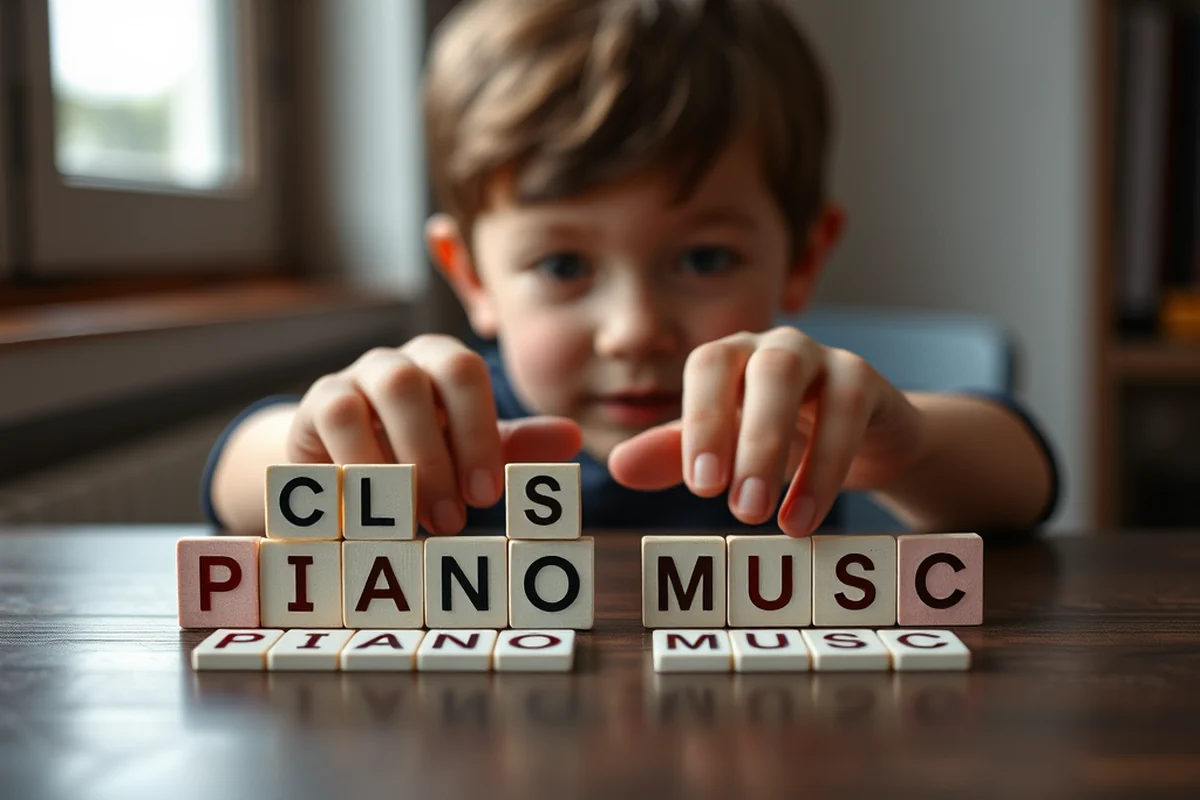
The Baroque period, from the early 1600s to the mid-1700s, laid the foundation for classical piano music. Composers like Bach and Handel developed intricate counterpoint and harmony, which became essential elements of Western music.
The Classical period, from the mid-1700s to the early 1800s, saw the rise of composers like Mozart and Haydn. Their works emphasized balance, clarity, and form, creating a more structured and elegant style of music.
The Romantic period, from the early 1800s to the early 1900s, brought more emotional depth and technical complexity. Composers like Chopin and Liszt pushed the boundaries of what the piano could express, creating pieces that were both technically challenging and emotionally powerful.
From Bach to Beethoven, each period of classical piano music has left an indelible mark on the genre.
Related: Clover by the park
The Emotional Power of Classical Piano Music
One of the most remarkable aspects of classical piano music is its ability to evoke a wide range of emotions. A single piece can move you to tears, bring you joy, or fill you with a sense of peace. This emotional depth is what makes classical piano music so powerful and enduring.
Composers like Chopin and Rachmaninoff used their music to express personal struggles, triumphs, and emotions that words alone could not capture. Their works are a testament to the power of music as a form of communication and self-expression.
Listening to classical piano music can also have a calming effect on the mind and body. Studies have shown that listening to classical music can reduce stress and improve focus, making it an excellent choice for study sessions or relaxation.[2]
Incorporate classical piano music into your child's study routine. It can help improve concentration and create a more peaceful learning environment.[3]
“I still remember the first time I sat down at a piano and played a classical piece.”— Teaching Music to Homeschoolers editors
Related: What music finder
Classical Piano Music in Homeschooling
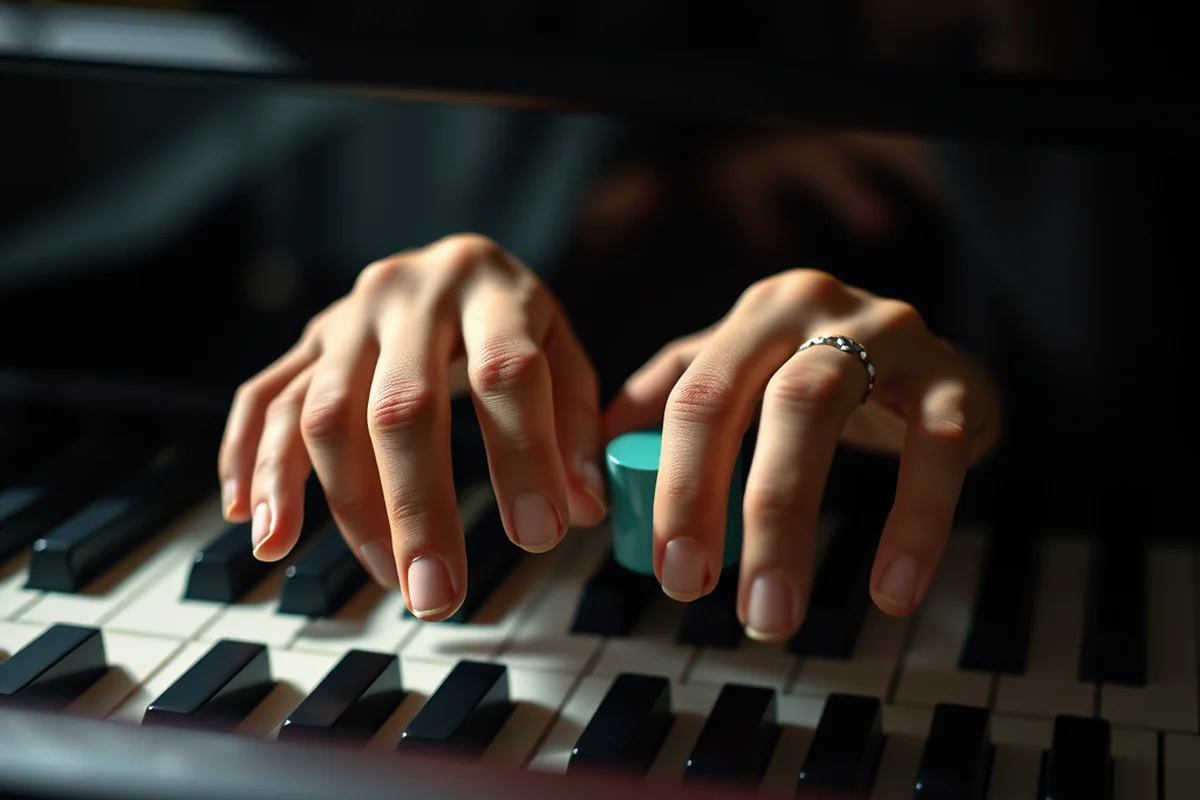
Introducing classical piano music into your homeschooling routine can provide your children with a well-rounded education that includes both the arts and academics. Music is not just a form of entertainment — it's a subject that can teach discipline, creativity, and critical thinking.
Incorporating classical piano music into your homeschooling can also help develop your child's cognitive abilities. Studies have shown that children who study music tend to perform better in subjects like math and language arts. This is because learning an instrument requires problem-solving, pattern recognition, and memory skills.[4]
By teaching classical piano music at home, you can create a personalized learning experience that fits your child's needs and interests. Whether your child is a beginner or an advanced player, there are plenty of resources and materials available to support their musical journey.
Related: Michael jackson invincible vinyl
The Benefits of Learning Classical Piano Music
One of the most obvious benefits of learning classical piano music is the improvement of fine motor skills. Playing the piano requires precise hand and finger movements, which can help develop coordination and dexterity.
In addition to physical benefits, learning classical piano music can also improve cognitive abilities. Studies have shown that playing an instrument can enhance memory, attention span, and problem-solving skills. These skills are not only useful in music but also in other areas of life.
Learning classical piano music can also foster a sense of discipline and perseverance. Mastering a piece can take time and effort, but the satisfaction of seeing progress can be incredibly rewarding. This sense of accomplishment can carry over into other areas of your child's life.
Related: Yesteryear by caro claire burke
How to Get Started with Classical Piano Music
The first step in getting started with classical piano music is to choose a piece that is appropriate for your skill level. Beginners should start with simple pieces that have clear structure and are not too technically demanding.
Next, it's important to practice regularly and consistently. Practicing even a little each day can make a big difference over time. It's also important to set achievable goals and track your progress.
Finally, consider taking lessons from a qualified teacher or using online resources to help you learn. There are many online tutorials, sheet music, and practice tools available that can help you improve your skills and enjoy the process.
Consistent practice and a positive attitude are key to mastering classical piano music.
Related: Michael jackson thriller vinyl
The Importance of Classical Piano Music in Modern Education
It's easy to overlook the value of classical piano music. However, its importance in education cannot be overstated. Classical piano music is a form of music that requires discipline, creativity, and critical thinking — all essential skills for success in any field.
Many schools and homeschooling programs are recognizing the benefits of incorporating classical piano music into their curricula. It's not just about learning to play an instrument — it's about developing a well-rounded education that includes the arts.
By teaching classical piano music at home, you can give your child a unique learning experience that combines both academic and artistic growth. This can help prepare them for success in school and in life.
🎹 Younger Kids
Introduce classical piano music to children as young as 3 with simple, interactive lessons and colorful visuals to keep them engaged.
🎹 Older Kids
For older children, focus on more complex pieces and encourage them to explore the emotional depth and technical challenges of classical piano music.
🎹 No-Prep Version
A no-prep version of classical piano music learning allows you to start playing immediately without the need for extensive preparation or materials.
🎹 Group Version
A group version of classical piano music learning offers a social and collaborative environment where children can learn and play together.
🎹 Extension Version
An extension version of classical piano music learning allows students to explore more advanced pieces and develop their skills further.
| The mistake | Why it happens | The fix |
|---|---|---|
| Choosing a piece that is too difficult for the player's skill level. | This can lead to frustration and discourage the player from continuing to learn. | Start with simple pieces that are within the player's skill level and gradually progress to more complex works. |
| Not practicing regularly or consistently. | This can hinder progress and make it difficult to master the piece. | Set a regular practice schedule and commit to practicing even if it's just for a short period each day. |
| Neglecting the importance of proper technique. | Poor technique can lead to bad habits that are difficult to correct later on. | Focus on proper hand position, finger movement, and posture to develop good technique from the beginning. |
| Ignoring the emotional and expressive aspects of the music. | Classical piano music is not just about playing the right notes — it's about expressing emotion and telling a story through the music. | Take time to understand the emotions behind the music and practice playing with expression and feeling. |
What Is Classical Piano Music
Common Questions
What is the best way to start learning classical piano music?
How can classical piano music benefit my child's education?
Can I teach classical piano music at home?
How long does it take to learn classical piano music?
References
- Classical Piano | Music Lessons - Amherst College (amherst.edu)
- Elliot Eckel Louisville Music - Artist Profile - - Kentucky.gov (artistdirectory.ky.gov)
- Donna Gunn - Nebraska Arts Council (artscouncil.nebraska.gov)
- Classical Piano | Department of Music - School of Arts and Sciences (as.tufts.edu)
Cite this guide
Teaching Music to Homeschoolers (2026). What Is Classical Piano Music. https://melodystart.com/what-is-classical-piano-music/
Feel free to cite or share this guide.
Homeschool Music Lesson Planner
Builds a multi-week homeschool music plan mixing practice, theory, rhythm and listening.
Open it free →