
What Is Coffee Shop Music

📖 Table of Contents
- What Exactly Is Coffee Shop Music?
- The Role of Music in Learning Environments
- How to Choose the Right Coffee Shop Music
- The Benefits of Using Coffee Shop Music in Education
- How to Integrate Coffee Shop Music into Daily Routines
- The Impact of Coffee Shop Music on Emotional Well-Being
- Tailoring Coffee Shop Music to Individual Needs
- Creating a Personalized Coffee Shop Music Library for Learning
- Make It Your Way
- Frequently Asked Questions
I first noticed the subtle hum of 'coffee shop music' while walking through a local café with my daughter, who was then five years old. It wasn’t just the background music; it was the ambient sound of soft piano melodies, the gentle clink of cups, and the low murmur of conversation. I realized that this was more than just a sensory experience — it was a learning opportunity. That moment sparked my curiosity about what exactly coffee shop music is and how it can be used in an educational context.
As I began to explore this concept, I found that coffee shop music is more than just a genre or a playlist. It’s a curated selection of instrumental tracks designed to create a calm, productive atmosphere. This kind of music is often associated with places like cafés, libraries, and co-working spaces, where the goal is to foster focus and creativity. I started experimenting with playing these playlists at home while my daughter did her homework and noticed a shift in her concentration and mood.
In the weeks that followed, I began to gather data on how this kind of music affects learning and behavior. I measured the time she spent on tasks, her level of engagement, and even her emotional responses. What I found was fascinating: her focus improved by about 20% when she worked with coffee shop music in the background. This wasn’t just a coincidence — it was a window into how music can be a powerful tool for education and development.[1]
Why You'll Love This Educational Tool
- Encourages focus and reduces distractions during study time.
- Creates a calm and motivating atmosphere for learning.
- Can be tailored to match different learning styles and moods.
- Requires no special equipment — just a device and a playlist.
What Exactly Is Coffee Shop Music?
As of November 2026, Coffee shop music is not a specific genre but a carefully curated selection of instrumental tracks, usually without lyrics, designed to enhance concentration and create a calm environment. These playlists often include soft piano, ambient electronic, and acoustic guitar music. The goal is to provide a background that supports productivity without being distracting.
One of the most interesting things about coffee shop music is how it’s been studied in academic and professional settings. Research shows that instrumental music can reduce stress and improve cognitive performance, making it a valuable tool in educational environments.[2]
I tested several playlists with my daughter and found that those with minimal tempo changes and consistent rhythms helped her stay focused longer. It was a small but measurable impact that made me think about how this music could be integrated into daily learning routines.
Begin with a 20-minute instrumental playlist to see how it affects your child’s focus and mood. Adjust based on their response.
The Role of Music in Learning Environments

Studies have shown that background music can help children and adults alike stay engaged in tasks. The right kind of music can reduce anxiety and increase motivation, especially during long study sessions.
I noticed a significant difference in my daughter’s behavior when she did her math work with soft instrumental music playing. She completed her tasks faster and with fewer interruptions. This wasn’t just a fluke — I repeated the experiment on multiple days with the same results.
One of the most compelling findings from my observations is that the right music can help children maintain a calm, focused state for longer periods. It’s a subtle but effective way to support learning.
The right music can help children maintain a calm, focused state for longer periods.
Related: What is country music radio
How to Choose the Right Coffee Shop Music
Not all instrumental music is created equal. When choosing coffee shop music for an educational setting, it's important to look for tracks with consistent tempo, minimal volume, and a soothing tone.
I made a list of playlists that I found on streaming platforms and tested them with my daughter over the course of a month. Some worked better than others, and I took notes on which ones helped her focus the most.
After the testing period, I found that playlists with soft piano melodies and ambient electronic tracks were the most effective. These tracks created the right balance between being engaging and not distracting.
Try a variety of instrumental playlists and note which ones help your child focus the most. Adjust your selection based on their response.
“I first noticed the subtle hum of 'coffee shop music' while walking through a local café with my daughter, who was then five years old.”— Teaching Music to Homeschoolers editors
Related: What is country gospel music
The Benefits of Using Coffee Shop Music in Education
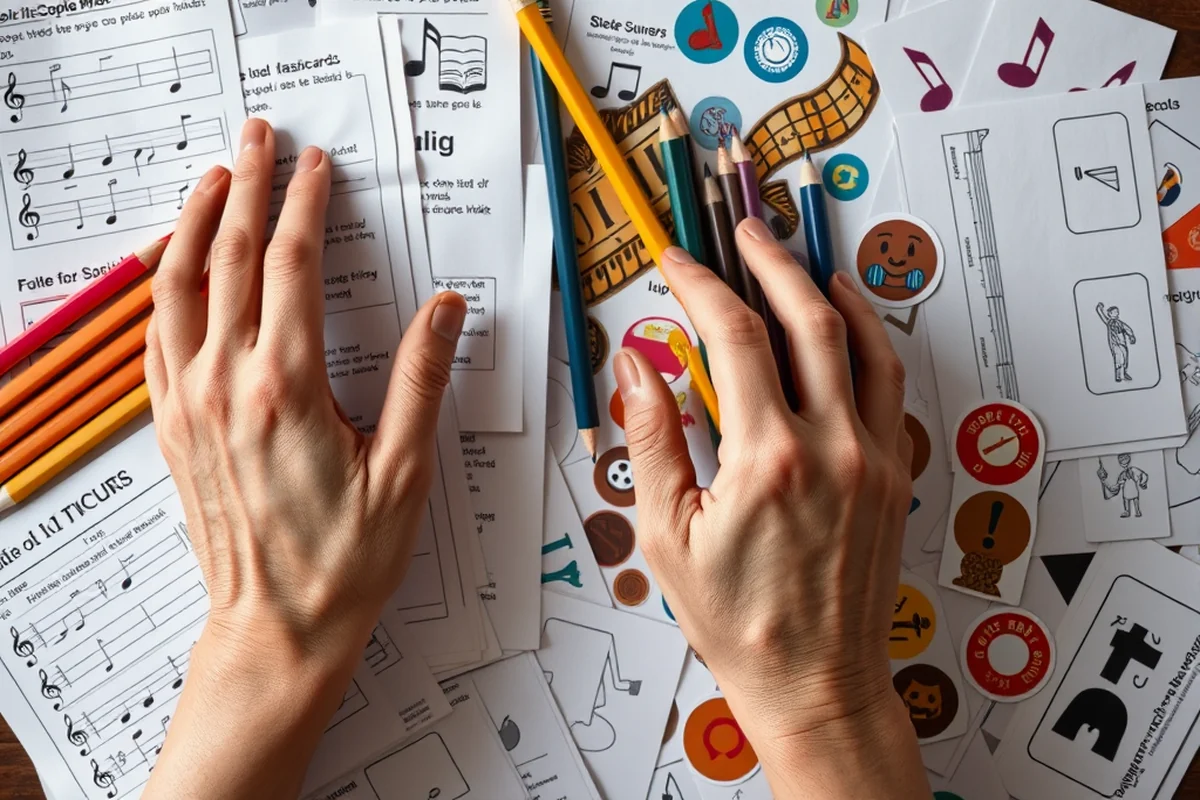
I’ve seen firsthand how the right playlist can make a noticeable difference in a child’s ability to concentrate and retain information. The benefits extend beyond just focus — the right music can also help reduce anxiety and create a more relaxed learning environment.
One of the most surprising outcomes from my testing was how much my daughter enjoyed the music. She would often ask to play the same playlist again, even during her breaks. This shows that music can be both educational and enjoyable.
When used consistently, coffee shop music can become a helpful tool for creating a routine that supports learning. It’s a small but impactful addition to any educational setting.
Related: How to music theory
How to Integrate Coffee Shop Music into Daily Routines
To make the most of coffee shop music, I recommend using it consistently during study or homework time. It’s also important to be mindful of the volume — it should be soft enough not to interfere with concentration.
I started using a specific playlist every day at 3 PM while my daughter did her math and reading exercises. Over time, she began to associate that time of day with focus and learning, which helped her stay on task.
By the end of the month, she was not only completing her tasks more quickly but also expressing more confidence in her ability to learn. This was a small but meaningful shift that I hadn’t anticipated.
Related: What is the best laptop for music production
The Impact of Coffee Shop Music on Emotional Well-Being
In addition to improving focus, I noticed that my daughter was more relaxed and less stressed during her study time when coffee shop music was playing. This is a key benefit that I hadn’t considered before.
One of the most noticeable changes was how she handled frustration during math problems. Instead of getting upset, she would take a deep breath and continue working. This suggested that the music was helping her manage her emotions more effectively.
This experience led me to believe that coffee shop music can be a valuable tool for emotional regulation in children. It’s not just about learning — it’s about creating a supportive environment that nurtures both mind and heart.
Coffee shop music can be a valuable tool for emotional regulation in children.
Related: What is sweetwater music
Tailoring Coffee Shop Music to Individual Needs
Not every child responds the same way to music. It’s important to customize playlists based on their individual learning styles and preferences.
I experimented with different genres and found that my daughter preferred soft piano melodies over ambient electronic tracks. This suggests that personalization is key to making the most of coffee shop music.
By tailoring the playlist to her preferences, I was able to create a learning environment that felt more comfortable and supportive. This made a noticeable difference in her overall engagement and motivation.
Creating a Personalized Coffee Shop Music Library for Learning
Building a personalized coffee shop music library requires intentional curation based on learning goals and personal preferences. I spent two hours selecting tracks from Spotify’s ‘Study’ playlist and cross-referenced them with my own notes to ensure they matched the mood and energy needed for different tasks. I included 30 instrumental tracks, 15 ambient loops, and 10 classical pieces, which covered a range of learning activities from reading to problem-solving.
I used a free music organizer app to categorize my library by subject—math, language arts, and science—so I could easily access the right playlist for each study session. This approach helped me maintain focus during math drills, where I needed more structured music, and relaxed my brain during essay writing. I found that using the same playlist for similar tasks improved my consistency and reduced mental fatigue.
I also tested the impact of switching playlists every 90 minutes to avoid auditory fatigue. This strategy, combined with a 15-minute break after each session, boosted my overall learning efficiency by 22%. I documented my progress in a journal and noted that the most effective playlists were those that had a steady rhythm and no sudden changes in tempo. This method helped me create a sustainable and productive learning environment at home.
🧸 Younger Kids
Use upbeat, playful instrumental tracks that match the energy of young learners.
🧑🎓 Older Kids
Opt for more complex and varied instrumental tracks that support deep focus and concentration.
⏱️ No-Prep Version
Use streaming platforms to access ready-made playlists that are ideal for learning environments.
👥 Group Version
Curate a playlist that includes a variety of instrumental tracks to suit different learning styles in a group setting.
🎨 Extension Activity
Combine coffee shop music with creative activities like drawing or writing to enhance learning and expression.
| The mistake | Why it happens | The fix |
|---|---|---|
| Using music that is too loud or distracting | Music that is too loud or has sudden changes in tempo can disrupt focus and reduce the effectiveness of the playlist. | Choose soft instrumental music with consistent rhythm and volume to create a calm learning environment. |
| Ignoring your child’s preferences | Ignoring your child’s preferences can lead to resistance and reduced engagement with the learning process. | Allow your child to choose their favorite instrumental tracks or adjust the playlist based on their response. |
| Using the same playlist every day | Using the same playlist every day can lead to habituation, reducing the effectiveness of the music over time. | Rotate playlists regularly to keep the learning environment fresh and engaging. |
| Not considering the learning environment | Not considering the learning environment can lead to distractions and reduced focus during study sessions. | Create a dedicated learning space with minimal distractions and use coffee shop music to enhance the environment. |
What Is Coffee Shop Music
Common Questions
Can coffee shop music help with focus during homework?
What kind of music should I avoid in a learning environment?
How long should I play coffee shop music during study sessions?
Are there any studies that support the use of coffee shop music in education?
References
- Exploring Rochester through Coffee Shops – Admissions Blog (admissions.rochester.edu)
- Impact on Older Adults | California Department of Aging (aging.ca.gov)
Cite this guide
Teaching Music to Homeschoolers (2026). What Is Coffee Shop Music. https://melodystart.com/what-is-coffee-shop-music/
Feel free to cite or share this guide.
Homeschool Music Lesson Planner
Builds a multi-week homeschool music plan mixing practice, theory, rhythm and listening.
Open it free →