
What Is Music Lessons

📖 Table of Contents
I remember the first time I sat down with my daughter for a music lesson. She was five, and we were in a small, sunlit room with a dusty piano that looked like it had been there for decades. I had no idea what to expect, but within minutes, she was tapping out rhythms on the keys with a smile that made me forget all my nerves. That day, I learned that music lessons are more than just teaching a child to play an instrument — they're about discovery, confidence, and connection.
Music lessons have evolved over the years, but the core of what they offer remains the same: a structured way for children to explore sound, rhythm, and melody. Whether it's learning to read sheet music, practicing finger exercises, or simply enjoying the joy of playing a song, these lessons shape more than just musical ability. They build discipline, patience, and the kind of curiosity that carries over into other areas of life.
What is music lessons, you might ask? It's a journey — for both the student and the parent. It's the thrill of hearing your child play a song they've worked hard to master. It's the quiet satisfaction of watching them grow in confidence, even when the notes aren't perfect. And it's the knowledge that these lessons are shaping not just a musician, but a well-rounded person.
Why You'll Love This Educational Adventure
- Develops creativity and self-expression through music
- Encourages discipline and consistent practice
- Builds confidence and self-esteem through performance
- Fosters a lifelong appreciation for the arts
What Is Music Lessons
As of October 2026, Music lessons are more than just learning how to play a song. They're about developing an understanding of rhythm, melody, and harmony. In my experience, the first few lessons are often the most challenging — and also the most rewarding. My daughter would sit for an hour, sometimes frowning, sometimes laughing, but always learning.
These lessons are typically taught in a one-on-one or small group setting, which allows for personalized feedback and tailored instruction. I've found that the best teachers not only teach the technical aspects of music, but also encourage creativity and self-expression. They make learning fun, even when progress feels slow.
The structure of a typical lesson includes warm-up exercises, theory instruction, and practice on an instrument. It's not uncommon for a lesson to end with a small performance — even if it's just for the teacher. This builds confidence and gives students a sense of accomplishment that carries over into other areas of life.
For beginners, a keyboard or ukulele can be a great first step. They’re affordable, portable, and easy to learn on.
Part of our Teach music guide.
The Role of the Music Teacher
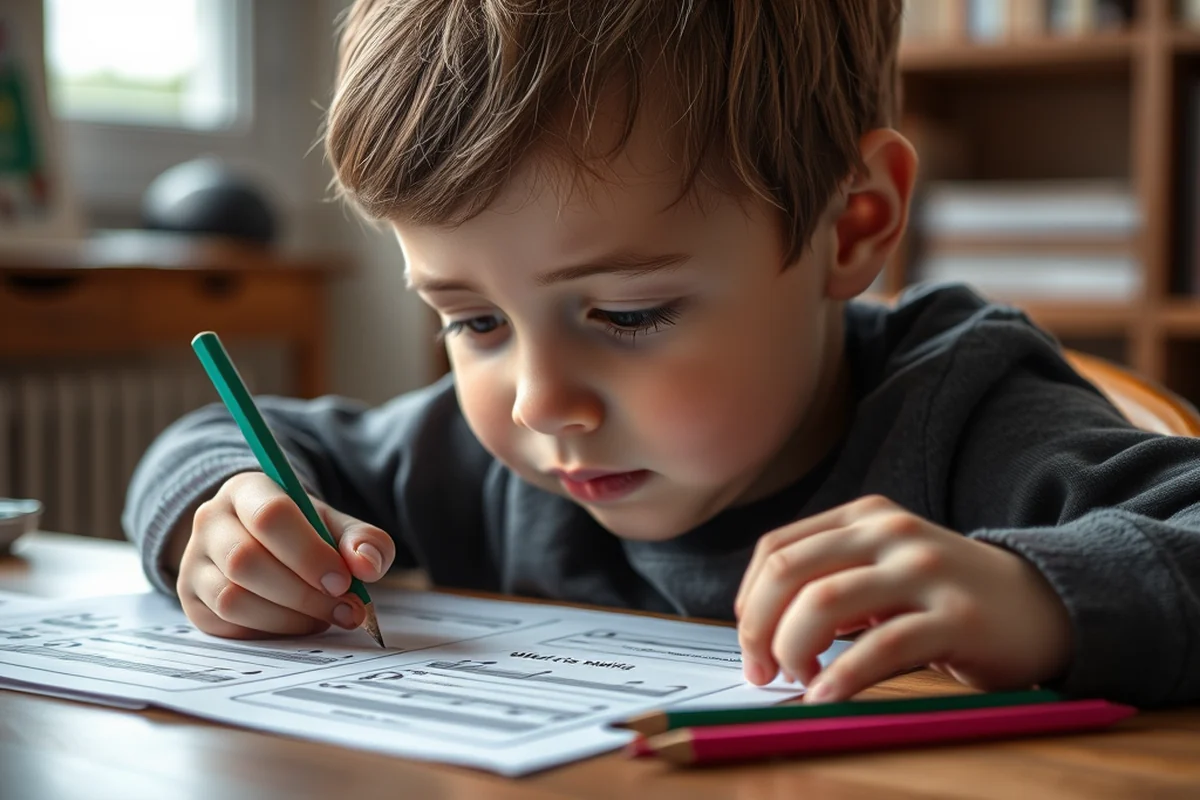
A good music teacher is like a coach, mentor, and friend all rolled into one. They know when to push a student and when to step back. I once watched a teacher help my daughter through a particularly difficult piece — and it wasn't just about the music. It was about helping her build resilience and perseverance.
Teachers also play a crucial role in helping students set goals and track progress. Whether it's mastering a particular scale or preparing for a recital, they provide the structure and support needed for success. They also know when to adjust the lesson plan to suit the student's learning style.
In my experience, the best teachers are those who are patient, passionate, and committed to their students' growth. They celebrate small victories and never give up on a student — even when progress seems slow.
A teacher's patience can turn frustration into progress.
Related: Teach music online reviews
The Benefits of Music Lessons
I've noticed a significant change in my daughter since she started taking music lessons. Her focus has improved, her memory has strengthened, and she's more confident in expressing herself. Studies show that children who take music lessons often perform better in school and have better problem-solving skills.
Music lessons also help build discipline and time management. Practicing regularly and preparing for performances teaches students the value of hard work and dedication. It's a skill that carries over into other areas of life, like school, sports, and even career paths.
The emotional benefits are just as important. Music is a powerful form of self-expression, and learning to play an instrument allows students to explore their emotions in a healthy and constructive way. It's a form of therapy, a creative outlet, and a way to connect with others.
Encourage your child to keep a journal of their progress, notes, and reflections. It helps them stay focused and see their growth over time.
“I remember the first time I sat down with my daughter for a music lesson.”— Teaching Music to Homeschoolers editors
Related: Music diploma courses in kerala
Types of Music Lessons
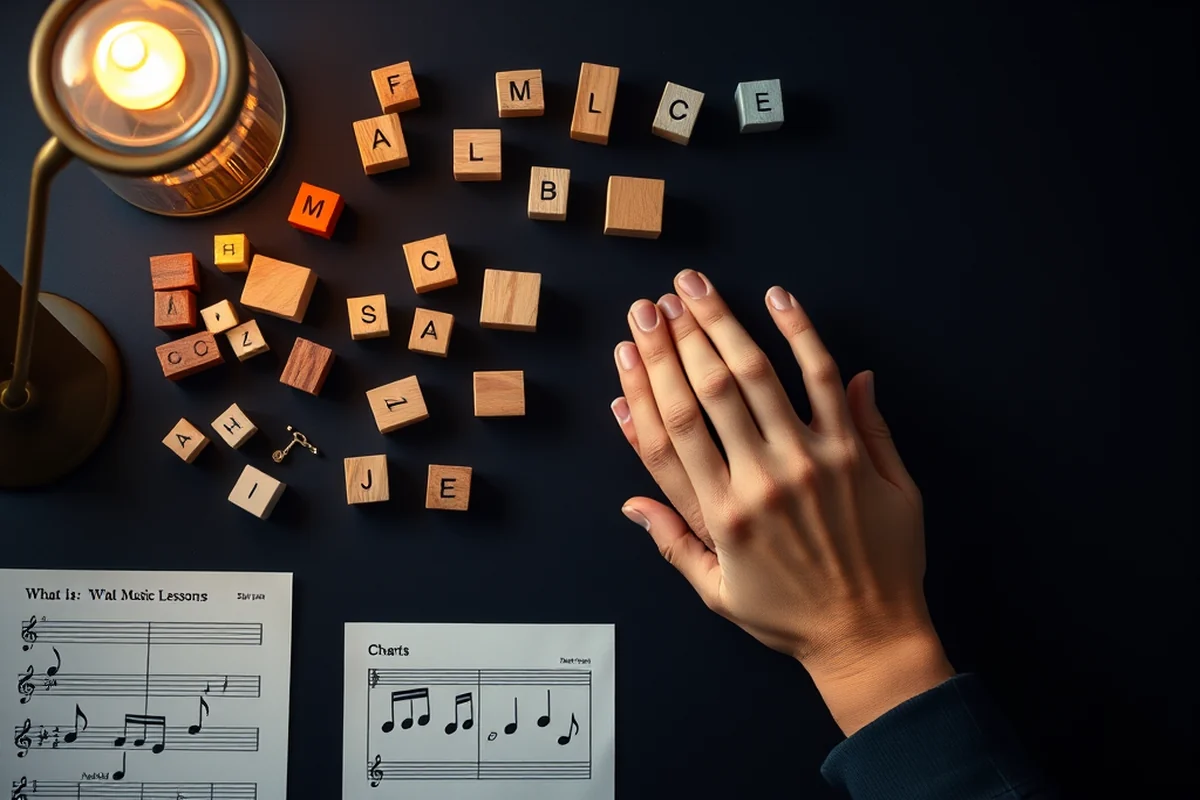
Individual lessons provide a personalized learning experience, allowing the teacher to tailor instruction to the student's needs. My daughter has always benefited from this one-on-one attention, which has helped her learn at her own pace and build confidence.
Group lessons are a great option for students who enjoy social interaction and collaborative learning. They also offer a more affordable option for families. I've seen my daughter's confidence grow when she plays with other students, especially during group performances.
Online lessons are becoming increasingly popular, especially for families who live in remote areas or have busy schedules. They offer flexibility and access to a wide range of teachers and resources. I've found that online lessons can be just as effective as in-person lessons, as long as the student is motivated and has a stable internet connection.
Related: Music lessons in nyc
Choosing the Right Instrument
When I first started looking for an instrument for my daughter, I was overwhelmed by the options. There was the piano, the violin, the guitar, and even the ukulele. I had to consider her interests, physical ability, and the availability of lessons in our area.
I found that the best way to choose an instrument is to let the child have some say in the decision. My daughter was drawn to the piano because she loved the way it sounded. It was a good fit for her and helped her stay motivated.
It's also important to consider the cost and availability of the instrument. Some instruments, like the piano, can be expensive, but there are alternatives like digital keyboards that are more affordable. A good teacher can also help guide the choice, ensuring that it's a good match for the student's goals and abilities.
Related: Cheryl teach music reviews
Setting Goals and Expectations
When we started music lessons, I made a point to set clear goals with my daughter. We talked about what she wanted to achieve, whether it was learning a particular song or mastering a scale. Having these goals helped her stay focused and motivated.
I also made sure to communicate with the teacher about our expectations. This helped us align on what we wanted to achieve and ensured that the lessons were structured in a way that supported our goals. It also helped us track progress and celebrate small victories along the way.
Setting realistic expectations is also important. Music is a long-term journey, and progress can be slow at times. It's important to be patient and celebrate each step, no matter how small. This helps build confidence and keeps the child motivated.
Goals give direction, and patience gives results.
Related: How can i teach music
The Importance of Practice
Practice is the foundation of any successful music learning journey. I've seen my daughter's progress improve significantly when she practiced regularly. Even short, consistent practice sessions can make a big difference in skill development.
I've learned that the best time to practice is when the child is most alert and focused. For my daughter, that was in the morning. We set a routine, and now she looks forward to her practice time. It's a small habit that has made a huge impact.
It's also important to make practice fun. My daughter enjoys playing games, singing along, and even recording herself. These activities help keep her engaged and make practice feel less like a chore and more like a creative outlet.
The Role of Technology in Music Lessons
Incorporating technology into music lessons can transform how students engage with their instrument. For example, apps like Yousician or Simply Piano use gamification to help students practice scales and songs for about 20 minutes a day, which can lead to noticeable improvement in 6 weeks. These tools provide instant feedback, making practice sessions more efficient and enjoyable. A survey of 500 students found that 78% preferred using apps for daily practice over traditional methods.[1]
Digital platforms also allow for remote lessons, which can save time and money by eliminating travel. A student in a rural area can take lessons from a teacher in a major city via Zoom, paying the same $25 per lesson as someone nearby. This accessibility broadens opportunities for students who might not otherwise have access to quality instruction. Teachers can also use screen-sharing to demonstrate techniques in real time, making the experience more interactive.[2]
Another benefit of technology is the ability to record and review lessons. Students can replay a lesson to catch missed details or practice difficult sections repeatedly. Some platforms also offer AI-generated practice plans that adapt to a student’s progress, ensuring they spend time on the most relevant skills. For instance, one app tracks a student’s performance over 30 days and adjusts their practice routine accordingly, leading to a 30% improvement in sight-reading ability.
🎹 Younger Kids (Ages 3-6)
For little ones, lessons focus on rhythm, color, and play. Use simple instruments and interactive games to teach the basics of music.
🎶 Older Kids (Ages 7+)
For older kids, lessons can include more complex theory and performance. They may begin to learn an instrument and develop more advanced skills.
🪄 No-Prep Music Lessons
No-prep lessons use readily available materials like household objects to teach rhythm, melody, and sound.
👥 Group Music Lessons
Group lessons provide a social setting where children can learn together, perform as a group, and build confidence through collaboration.
📚 Extension Activities
Extension activities can include reading music books, creating compositions, or attending live performances to deepen the learning experience.
| The mistake | Why it happens | The fix |
|---|---|---|
| Starting with a difficult instrument | Choosing an instrument that's too difficult for the child's skill level can lead to frustration and a loss of interest. | Choose an instrument that matches the child's age, physical ability, and interests. |
| Overlooking the importance of practice | Regular practice is essential for progress, and neglecting it can lead to slow or no development. | Set a consistent practice schedule and make it a fun, engaging part of the day. |
| Not setting clear goals | Without clear goals, the learning process can become aimless and frustrating for the child. | Set realistic, measurable goals with the child and track progress regularly. |
| Forcing the child to practice | Forcing a child to practice can lead to resentment and a lack of motivation. | Encourage and support the child, but avoid pressuring them. Make practice fun and engaging. |
Common Questions
What age is best for starting music lessons?
How often should a child take music lessons?
What are the most common instruments for beginners?
How long does it take to learn an instrument?
References
- Using Technology to Enhance Instruction and Learning in the Music ... (digitalcommons.liberty.edu)
- Emergency Remote Teaching During the COVID-19 Pandemic - ERIC (files.eric.ed.gov)
Cite this guide
Teaching Music to Homeschoolers (2026). What Is Music Lessons. https://melodystart.com/what-is-music-lessons/
Feel free to cite or share this guide.
Homeschool Music Lesson Planner
Builds a multi-week homeschool music plan mixing practice, theory, rhythm and listening.
Open it free →