
What Is Music Producer

📖 Table of Contents
- What Is a Music Producer?
- The Creative Vision of a Music Producer
- The Technical Side of Music Production
- The Role of a Music Producer in Collaboration
- The Business Side of Music Production
- How Music Production Can Be an Educational Tool
- The Future of Music Production
- Make It Your Way
- Frequently Asked Questions
I still remember the first time I stepped into a recording studio with a music producer — my heart raced and my curiosity was endless. It was like walking into a world where music didn’t just happen, but was carefully crafted, layered, and transformed into something magical. That day, I realized that a music producer wasn’t just a background figure, but a mastermind behind the scenes, shaping the sound of songs we all love. Understanding what a music producer does is essential for anyone who wants to explore the world of music creation, whether as a student, a parent, or even a self-taught artist.[2]
As an educator who has worked with kids from kindergarten to high school, I’ve seen firsthand how music can be a gateway to creativity, discipline, and even emotional intelligence. But many of my students and their families often ask, 'What is a music producer?' It’s a question that cuts to the heart of the creative process. A music producer is not just a technician — they are an artist, a mentor, and a problem-solver who brings together every element of a song to make it shine. Whether it’s selecting the right instruments, guiding vocalists, or tweaking the mix, a music producer plays a pivotal role in the journey from raw ideas to finished music.[3]
In my experience, understanding the role of a music producer can be a powerful tool for homeschoolers and educators alike. It opens the door to deeper learning about music theory, collaboration, and the business of music. I’ve watched students who initially thought they couldn’t create music find their voice through the guidance of a producer. It’s not just about the final product — it’s about the process, the learning, and the growth that comes with it. That’s why I want to help you understand what a music producer is and how their work impacts every note, every beat, and every story told through music.[4]
Why You'll Love This Article
- Learn what a music producer is and how they work with artists.
- Discover the creative and technical roles a producer plays in music creation.
- Understand how music production can be a powerful educational tool.
- Get real-world examples and insights from experienced educators and producers.
What Is a Music Producer?
As of October 2026, at its core, a music producer is the visionary behind a song’s sound. They work closely with artists to shape the music, from the initial idea to the final recording. This includes everything from selecting instruments and arranging the song structure to mixing and mastering the final track. In my experience working with homeschoolers, it's fascinating to see how a producer can take raw ideas and turn them into a cohesive and polished piece of music.[5]
Producers are not just behind the mixing board — they are involved in every stage of the recording process. They collaborate with musicians, vocalists, and engineers to ensure that the final product meets both the artist's vision and the technical standards of the industry. I once had a student who wanted to write a song about nature, and the producer helped her choose the right instruments and sounds to bring her vision to life.
One of the most important roles of a music producer is to act as a bridge between the artist and the technical team. They understand both the creative and the practical aspects of music production, ensuring that the artist's message is clearly communicated and that the final track is of the highest quality. In this way, a producer is both a mentor and a technical expert.[1]
Use a basic digital audio workstation (DAW) like GarageBand or Audacity to explore the basics of music production with your students. Start by recording a simple melody and experiment with layering and effects.
The Creative Vision of a Music Producer
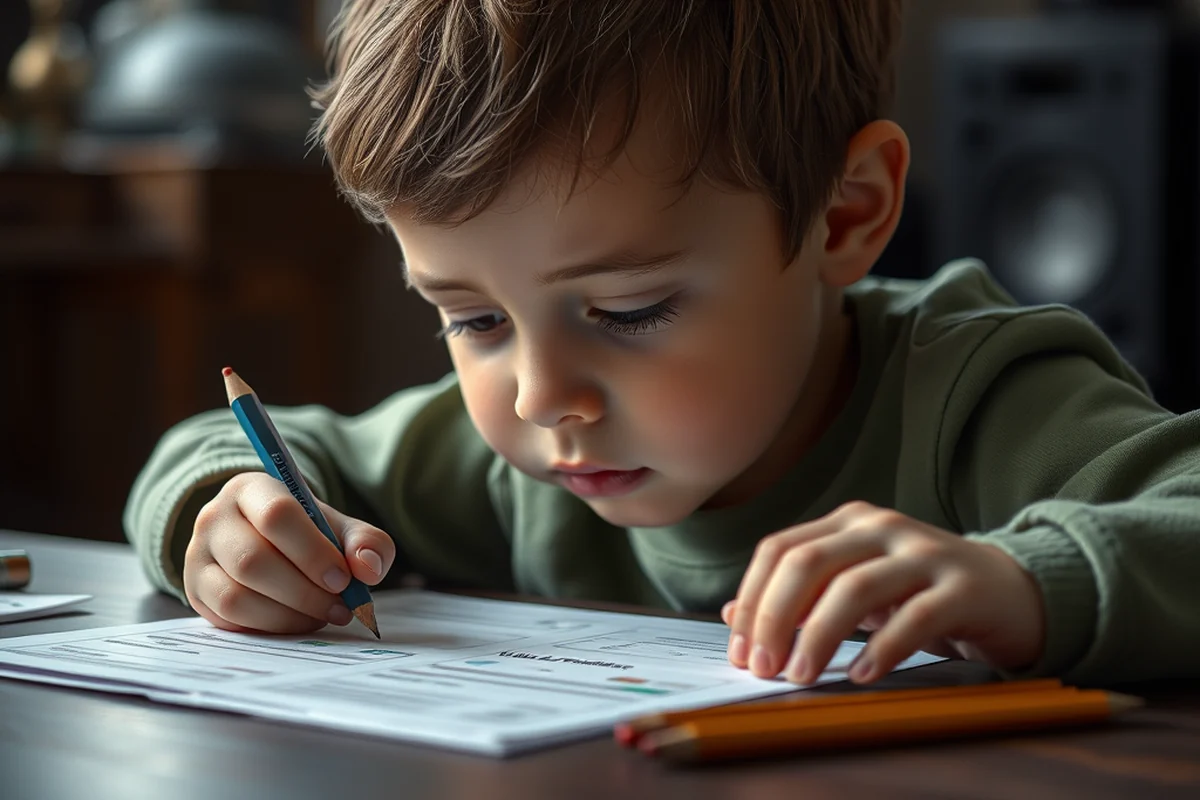
A producer’s creative vision is what makes a song stand out. They bring their own style, taste, and expertise to the project, helping the artist refine their sound and reach their goals. In my classroom, I’ve seen how a producer can guide students to explore new genres, experiment with different sounds, and push the boundaries of their creativity.
The creative vision of a producer can be as subtle as adjusting the tone of a vocal track or as bold as completely reimagining a song’s structure. They work closely with the artist to ensure that the final product is not only technically sound but also emotionally resonant. This collaborative process is what makes music production such a powerful and dynamic art form.
One of the most inspiring moments I’ve witnessed was when a student’s song was reimagined by a producer using a completely different genre. It was a revelation — the same lyrics and melody took on a whole new meaning, showing the power of a producer’s creative vision.
A producer’s vision can transform a simple idea into a masterpiece.
Related: What is piano in music
The Technical Side of Music Production
In addition to their creative role, a music producer must be highly skilled in the technical aspects of music production. This includes everything from setting up microphones and choosing the right recording equipment to mastering the final mix. These technical skills are essential for producing high-quality music that meets industry standards.
Producers work closely with audio engineers and other technical professionals to ensure that every element of the recording is of the highest quality. They must understand how to use digital audio workstations (DAWs), how to apply effects, and how to balance the different elements of a track. This technical knowledge is what allows a producer to bring an artist’s vision to life in a way that is both artistic and precise.
In my experience, teaching students about the technical side of music production has been incredibly rewarding. It’s amazing to see how a simple microphone can make such a difference in the quality of a recording, or how a small adjustment in the mix can completely change the mood of a song.
Set up a simple recording session in your classroom or home. Use a microphone and a basic DAW to record a vocal track and experiment with effects like reverb and compression. This is a great way to learn about the technical aspects of music production.
“I still remember the first time I stepped into a recording studio with a music producer — my heart raced and my curiosity was endless.”— Teaching Music to Homeschoolers editors
Related: What is to make music
The Role of a Music Producer in Collaboration
One of the most important roles of a music producer is to act as a facilitator and mediator between different members of the production team. They help artists and musicians communicate their ideas, resolve conflicts, and work together to achieve a common goal. This collaborative spirit is what makes music production such a dynamic and rewarding experience.
In my classroom, I’ve seen how a producer can bring out the best in each individual, helping them find their unique voice and contributing to the overall sound of a project. The producer’s ability to bring people together and create a positive, collaborative environment is essential for the success of any music production.
I once had a group of students working on a collaborative song, and the producer helped them handle the challenges of working together. By guiding them through the process and encouraging open communication, the producer helped them create a song that was greater than the sum of its parts.
Related: What is christian music about
The Business Side of Music Production
In addition to their creative and technical roles, a music producer must also have a strong understanding of the business side of the music industry. This includes everything from negotiating contracts and managing budgets to marketing the final product and ensuring that the artist receives proper royalties.
Producers often work closely with managers, agents, and other industry professionals to ensure that the artist’s interests are protected and that the project is financially viable. They must be able to balance the creative vision of the artist with the practical realities of the music industry.
In my experience, teaching students about the business side of music production has been incredibly valuable. It helps them understand the importance of planning, budgeting, and long-term strategy in the music industry.
Related: How is ai music generator
How Music Production Can Be an Educational Tool
Music production is not just about making music — it’s also a powerful educational tool that can help students develop a wide range of skills. It encourages creativity, teaches collaboration, and introduces students to the world of technology and digital media. In my classroom, I’ve seen how music production can engage students in a way that traditional lessons often can’t.
Music production also helps students develop critical thinking skills, as they learn to make decisions about the direction of a song, the use of effects, and the balance of different elements in a track. These skills are not only valuable in music production but also in many other areas of life.
I once had a student who struggled with self-expression, but through music production, he found his voice and learned to communicate his ideas in a way that was both creative and impactful. This is just one example of how music production can be a powerful educational tool.
Music production can be a gateway to creativity and learning.
Related: Free music online
The Future of Music Production
The future of music production is being shaped by advancements in technology, from artificial intelligence to virtual reality. These innovations are changing the way music is created, recorded, and produced, opening up new possibilities for both artists and producers. In my classroom, I’ve seen how students are excited about the future of music production and the new tools that are becoming available.
As technology continues to evolve, the role of a music producer is becoming more diverse and multifaceted. Producers are now working with AI, using virtual instruments, and experimenting with new ways to create and mix music. These changes are not only exciting but also provide new opportunities for learning and creativity.
One of the most interesting developments in music production is the rise of virtual collaboration tools that allow producers and artists to work together from anywhere in the world. This is changing the way music is made and is creating new opportunities for students to explore the world of music production.
🎵 Younger Kids Music Production
Use simple tools like beat-making apps and sound libraries to introduce younger children to the basics of music production.
🎧 Older Kids Music Production
Teach older students about mixing, mastering, and using digital audio workstations (DAWs) to create their own music.
🎯 No-Prep Music Production
Use free online tools and pre-recorded tracks to allow students to explore music production without any preparation.
🤝 Group Music Production
Encourage collaboration by having students work in groups to create a song, with a producer guiding the process.
🚀 Music Production Extension
Challenge advanced students to create a full music production project, including writing, recording, mixing, and mastering.
| The mistake | Why it happens | The fix |
|---|---|---|
| Not understanding the role of a music producer | Many people assume that a music producer is just someone behind the mixing board, but their role is much more involved and multifaceted. | Take the time to learn about the different aspects of a music producer’s job and how they contribute to the creative process. |
| Focusing only on the technical side of music production | While technical skills are essential, it’s important to remember that a music producer is also an artist and a collaborator. | Make sure to balance the technical and creative aspects of music production, and encourage students to explore both sides of the process. |
| Not considering the business side of music production | Many students and educators overlook the importance of understanding the business side of music production, including contracts, royalties, and marketing. | Introduce students to the business side of music production through case studies, discussions, and practical examples. |
| Not allowing for collaboration | Music production is a collaborative process, and not allowing for collaboration can limit the potential of a project. | Create opportunities for students to work together on music production projects, and encourage them to communicate, share ideas, and support each other. |
What Is Music Producer
Common Questions
What are the main responsibilities of a music producer?
How does a music producer work with artists?
What skills does a music producer need?
Can music production be used as an educational tool?
References
- Music Production Research Papers - Academia.edu (academia.edu)
- What is a Music Producer? | AIMM (aimm.edu)
- Quincy Jones | National Endowment for the Arts (arts.gov)
- Producers and Directors : Occupational Outlook Handbook (bls.gov)
- Music | Colorado Department of Higher Education (cdhe.colorado.gov)
Cite this guide
Teaching Music to Homeschoolers (2026). What Is Music Producer. https://melodystart.com/what-is-music-producer/
Feel free to cite or share this guide.
Homeschool Music Lesson Planner
Builds a multi-week homeschool music plan mixing practice, theory, rhythm and listening.
Open it free →