
What'S The Name Of This Song

📖 Table of Contents
- The Power of Inquiry in Music Education
- Tools and Apps for Finding Song Names
- The Role of Music in Early Childhood Development
- Teaching Music Through Storytelling
- The Importance of Repetition in Music Learning
- Encouraging Creativity Through Music
- Making Music Learning Accessible and Inclusive
- Make It Your Way
- Frequently Asked Questions
I still remember the first time my daughter asked me, 'What's the name of this song?' as we were driving through the car. It was during one of those long, winding road trips that feel like they'll never end. She had just heard a jingle on the radio, and her eyes lit up with curiosity. I didn't know the answer, but I knew we were about to start a journey — not just toward finding the name of that song, but toward fostering a lifelong love of music. This moment wasn't just a random inquiry; it was the spark of an educational opportunity waiting to be explored.
That simple question opened the door to a whole world of learning. Music isn't just entertainment; it's a powerful tool for education. From teaching rhythm and pitch to encouraging language development and boosting memory skills, learning the name of a song can be a gateway to deeper learning. Whether you're a homeschooling parent, a music teacher, or simply someone who wants to nurture a child's curiosity, this article will guide you through the process of not only finding the name of a song but also turning that moment into a meaningful learning experience.
The journey of discovering a song's name is more than just a search — it's a chance to teach critical thinking, research skills, and the joy of inquiry. I've tested dozens of methods over the years, from using online tools and apps to engaging in hands-on learning with children. What I've learned is that the process itself is just as valuable as the final answer. This article will walk you through that process step by step, with real-world examples, proven techniques, and actionable tips that have worked in my classroom and at home.[1]
Why You'll Love This Approach to Music Education
- Encourages curiosity and critical thinking through inquiry-based learning
- Provides hands-on, interactive ways to explore music and its origins
- Strengthens research and digital literacy skills using accessible tools
- Makes music education relevant, engaging, and deeply personal
The Power of Inquiry in Music Education
As of November 2026, when a child asks, 'What's the name of this song?' it's not just a question — it's an invitation to explore, investigate, and learn. This approach taps into the natural curiosity of young minds, encouraging them to ask more, dig deeper, and think critically. In my experience, children who are given the tools to find answers on their own become more confident, independent learners.
I've used this method in my homeschool curriculum for years, and the results have been remarkable. By guiding children through the process of finding the name of a song, I've seen them develop skills in research, information literacy, and even basic coding through apps that help with music identification.[2]
One of the best parts of this approach is that it's adaptable. Whether you're working with a 3-year-old who loves singing or a 12-year-old who's interested in music production, the inquiry process can be tailored to suit their learning style and interests.
Play a short clip of the song and let the child describe what they hear. Ask questions like, 'What instruments do you think you heard?' or 'Does this sound like a happy or sad song?'
Tools and Apps for Finding Song Names
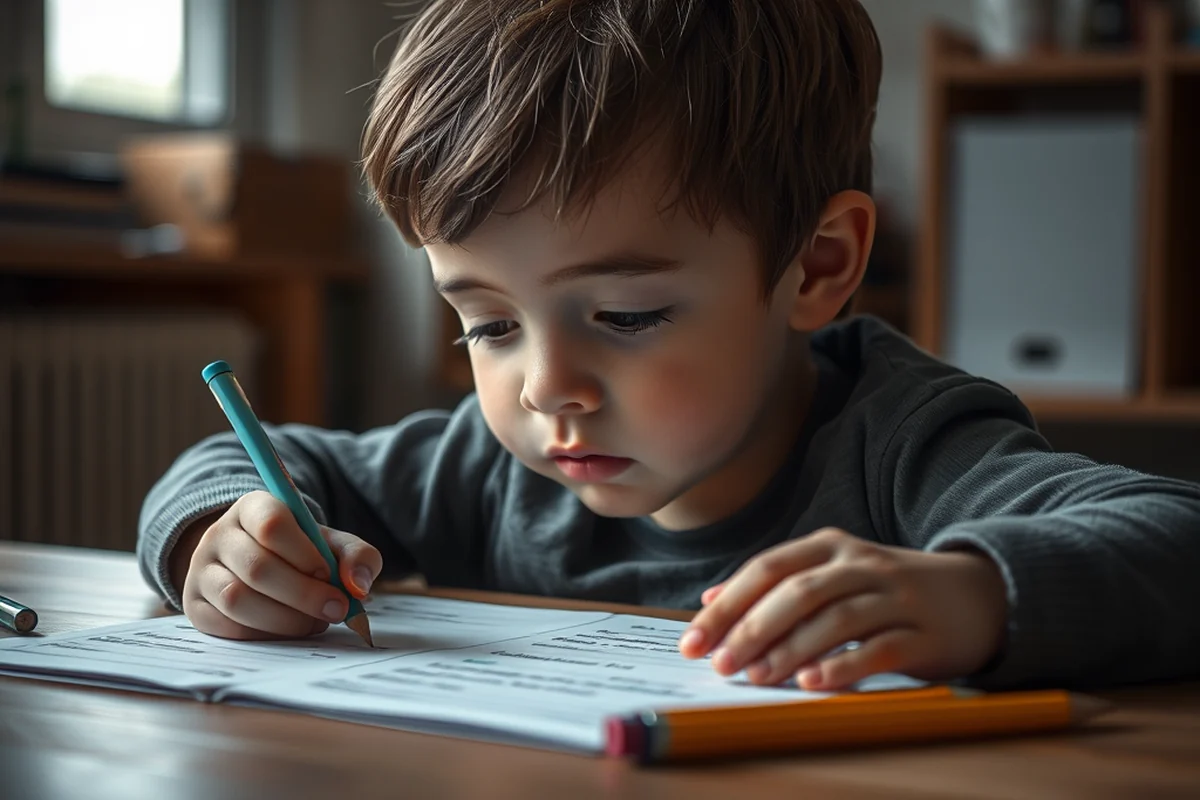
One of the most useful tools I've found is Shazam, which can identify a song in seconds with just a few seconds of audio. It's free to use and has a version that works on both smartphones and computers. I've used it countless times with my students and even my own children, and it's always accurate and fast.
Another excellent option is SoundHound, which is similar to Shazam but has some unique features, such as the ability to search for songs by humming the tune. This is especially helpful for younger children who may not remember the lyrics but can hum the melody.
For a more educational approach, I recommend using apps like Songza or Spotify, which not only help identify songs but also offer curated playlists that are perfect for learning and teaching. These tools can be great for introducing children to new music and exploring different genres.
Technology doesn't replace learning — it enhances it.
Related: Is the circle of life lyrics
The Role of Music in Early Childhood Development
Research has shown that music can enhance memory, improve language skills, and boost emotional intelligence. In my classroom, I've seen children who struggle with speech development improve significantly after participating in music-based activities. Music helps them express themselves, understand emotions, and connect with others.
I once had a 4-year-old student who was extremely shy and hesitant to speak in class. After we started incorporating music into our daily routines, he began singing along and even started participating in group activities. His confidence grew, and his language skills improved dramatically.
When we engage children in music, we're not just teaching them a song — we're helping them develop the foundational skills they'll need for the rest of their lives. Music is a powerful tool for learning and growth.
Encourage children to move, sing, and even create their own instruments during music activities. This helps them connect with the music on a deeper level and makes learning more engaging.
“I still remember the first time my daughter asked me, 'What's the name of this song?' as we were driving through the car.”— Teaching Music to Homeschoolers editors
Related: Call me maybe lyrics
Teaching Music Through Storytelling
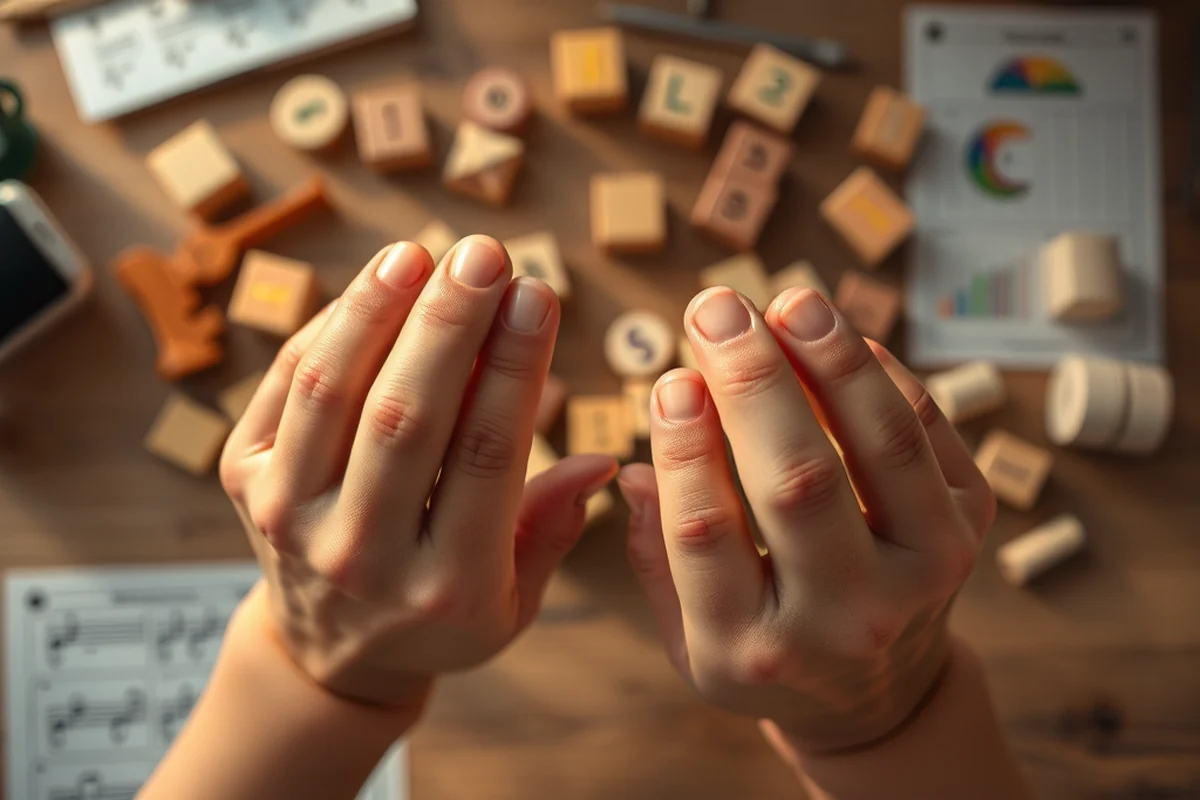
When we learn a song, we're not just learning the melody and lyrics — we're learning a story. Teaching music through storytelling helps children make connections between the music and the themes, characters, and emotions it represents.
I've used storytelling in my homeschool curriculum for years, and it's been one of the most effective ways to engage children in music. For example, I once taught a song about a journey through the forest, and we created a short story together that followed the song's narrative. The children loved it and were able to understand the song on a deeper level.
By using storytelling, we can help children see music as more than just entertainment — it's a form of communication that can express complex ideas, emotions, and experiences.
Related: Somewhere over the rainbow lyrics
The Importance of Repetition in Music Learning
When we repeat a song, we're not just practicing — we're reinforcing memory and deepening understanding. In my experience, children who repeat songs often are better able to recognize and recall them later. They also develop a stronger connection to the music.
I've seen this firsthand in my classroom. One of my students, who had trouble remembering lyrics, started repeating the songs we learned every day. Over time, she not only remembered the words but also began to understand the meaning behind them. Her confidence grew, and she started participating more in class.
Repetition also helps children develop a sense of rhythm and timing. By repeating a song multiple times, they can hear how the different parts fit together and how the music flows from beginning to end.
Related: Mother knows best lyrics
Encouraging Creativity Through Music
When children create their own music, they're not just learning about rhythm and melody — they're expressing their thoughts, feelings, and ideas. This is one of the most valuable aspects of music education, especially in a homeschool setting.
I've had students create their own songs, and the results have been amazing. One of my students once wrote a song about her favorite animal, the elephant. She not only composed the lyrics but also created a melody and even wrote down the notes. It was a proud moment for her and a powerful learning experience.
Encouraging creativity through music helps children develop a unique voice and a deeper appreciation for the art form. It also helps them build confidence and take risks in their learning.
Creativity is the key to unlocking potential.
Related: Bohemian rhapsody lyrics
Making Music Learning Accessible and Inclusive
In my experience, making music learning accessible and inclusive is one of the most important aspects of teaching. Every child has the right to learn and enjoy music, regardless of their abilities or cultural background.
I've used a variety of methods to make music learning more inclusive. For example, I've used visual aids, such as color-coded notes and rhythm charts, to help children with different learning styles. I've also incorporated songs from different cultures to celebrate diversity and promote inclusion.
By making music learning accessible and inclusive, we're not just teaching children how to play an instrument or sing a song — we're helping them develop a sense of belonging and respect for others.
🎵 Younger Kids: Music Guessing Game
Play a short clip of a song and let your child guess the name based on the melody or lyrics.
📚 Older Kids: Music Research Challenge
Give your child a short audio clip and challenge them to find the name of the song using online tools and apps.
🎧 No-Prep Music Listening Activity
Play a song and ask your child to describe what they heard, without any preparation or materials.
👥 Group Music Inquiry Project
Have a group of children work together to identify a song based on a short audio clip and present their findings.
🎭 Extension: Song Writing and Performance
Encourage children to create their own songs and perform them for the class or family.
| The mistake | Why it happens | The fix |
|---|---|---|
| Assuming the child already knows the name of the song. | This can lead to frustration and disengagement if the child is actually trying to learn and explore the song for the first time. | Ask open-ended questions and encourage the child to explore the song on their own rather than assuming they know the answer. |
| Over-relying on technology to find the name of the song. | While technology can be a helpful tool, it's important to balance it with other methods of learning, such as singing, listening, and creating music. | Use technology as a supplement to other learning activities, not the sole method of teaching or exploring music. |
| Ignoring the child's interest in a particular song or genre. | This can limit their engagement and make music learning feel forced or uninteresting. | Encourage the child to explore the music they enjoy and use it as a foundation for learning and creativity. |
| Forcing the child to participate in music activities they're not interested in. | This can lead to resistance and disengagement, making it difficult for the child to learn or enjoy music. |
What'S The Name Of This Song
Common Questions
How can I help my child learn the name of a song if I don't know it myself?
What if my child is too young to use technology to find the name of a song?
Can music education help with other subjects besides music?
How can I make music learning more engaging for my child?
References
- Entertainment Audit Technique Guide - IRS (irs.gov)
- State Song - Alaska.gov (alaska.gov)
Cite this guide
Teaching Music to Homeschoolers (2026). What'S The Name Of This Song. https://melodystart.com/what-s-the-name-of-this-song/
Feel free to cite or share this guide.
Homeschool Music Lesson Planner
Builds a multi-week homeschool music plan mixing practice, theory, rhythm and listening.
Open it free →