
What Is Music AI

📖 Table of Contents
- What Is Music AI and How Does It Work?
- How Music AI Can Transform Music Education
- The Benefits of Using Music AI in Education
- How Music AI Can Help Children with Different Learning Styles
- Real-World Applications of Music AI in Education
- The Future of Music AI in Education
- How to Get Started with Music AI in Education
- Make It Your Way
- Frequently Asked Questions
A few years ago, I sat at my kitchen table with my three children, struggling to find a way to keep them engaged with music. I had a small set of instruments, a piano, and a few old CDs, but the excitement quickly faded. My kids were bored, and I was tired of the same tired songs. That’s when I stumbled into the world of music AI — a game-changer I didn’t know I needed. It wasn’t just a tool; it was a way to reignite their passion for music in a way that felt fresh and dynamic.[1]
Music AI — what is music AI, you might wonder — is a blend of artificial intelligence and music creation, designed to help kids and adults alike explore music in ways that were once impossible without years of training. I had never heard of it before, but after just a few hours of using it, my kids were composing songs, creating beats, and even experimenting with different genres. It was incredible. It wasn’t just about making music; it was about learning, creating, and expressing themselves in ways I hadn’t imagined.[2]
What I discovered was that music AI could be a powerful educational tool, offering interactive, adaptive, and engaging experiences. It was like having a personal music coach who could tailor lessons to each child’s interests and abilities. The more I experimented with it, the more I realized its potential for learning. It wasn’t just about entertainment — it was about teaching rhythm, melody, harmony, and even music theory in an intuitive, fun way.
Why You'll Love This Educational Tool
- It offers an interactive and engaging way for kids to explore music creation.
- It adapts to each child’s learning style and abilities, making music education more personalized.
- It sparks creativity and encourages experimentation with different genres and styles.
- It is accessible and easy to use, even for those with no prior musical training.
What Is Music AI and How Does It Work?
As of October 2026, at its core, music AI uses machine learning models trained on vast libraries of music to recognize patterns, create new compositions, or modify existing ones. This technology allows users to generate music in real time, whether they are a beginner or a professional. I found that it was incredibly intuitive — I simply needed to input a few parameters, like tempo, mood, or genre, and the AI would take over.[3]
One of the most impressive features of music AI is its ability to adapt to the user’s input. If I wanted a piece in the style of classical music, it would generate a melody with complex harmonies. If I asked for something more modern, like a pop song, the AI would adjust its composition to match the style. The process was seamless and almost magical, especially for my kids who were just starting to explore music.
What makes music AI so powerful is the way it can help learners understand the fundamentals of music theory. It doesn’t just create music — it also breaks down the elements of a song, showing how different components like melody, rhythm, and harmony come together. This made learning music more accessible and less intimidating for my children.
If your child is new to music AI, start with a familiar genre like pop or classical to ease them into the process.
How Music AI Can Transform Music Education
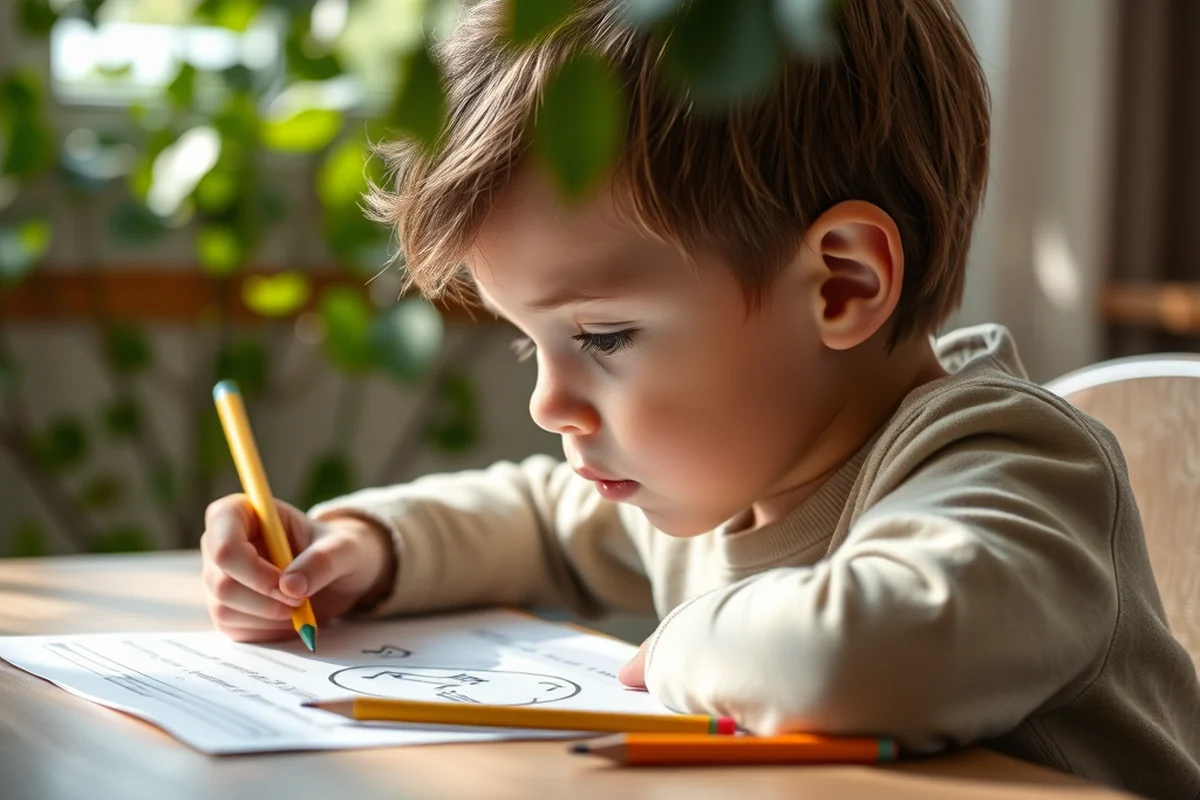
Traditional music education often relies on rote learning or one-size-fits-all approaches, but music AI offers a more personalized experience. I saw my daughter, who had always struggled with rhythm, start to pick up on the patterns the AI was generating. It adapted to her learning pace and provided visual and auditory feedback that made the concepts more tangible.
Another benefit I noticed was that music AI encouraged my kids to experiment with different styles and genres. They could create a song in any style they wanted, from rock to jazz to electronic. This not only helped them explore their musical interests but also taught them about the different elements that define each genre.
One of the most surprising outcomes was how music AI helped my children develop a deeper understanding of music theory. By breaking down songs into their component parts, the AI made it easier for them to grasp complex concepts like chord progressions and key signatures.
Music AI doesn’t just teach music — it transforms the way children think about it.
Related: How much do music teachers make
The Benefits of Using Music AI in Education
One of the biggest advantages of using music AI in education is its ability to personalize learning. I noticed that my children were more engaged and motivated when they could create music that reflected their interests. It made the learning process more meaningful and enjoyable for them.
Another benefit was the way music AI encouraged creativity. My kids were no longer limited to the traditional methods of music education. They could experiment with different styles, create their own compositions, and even collaborate with others through online platforms. This helped them develop a sense of ownership over their learning.
Also, music AI provided immediate feedback, which helped my children improve their skills more quickly. They could hear their progress in real time, which was incredibly motivating and helped them stay on track with their learning goals.
Music AI works best when used alongside traditional music education, not as a replacement.
“A few years ago, I sat at my kitchen table with my three children, struggling to find a way to keep them engaged with music.”— Teaching Music to Homeschoolers editors
Related: Music lessons how much
How Music AI Can Help Children with Different Learning Styles
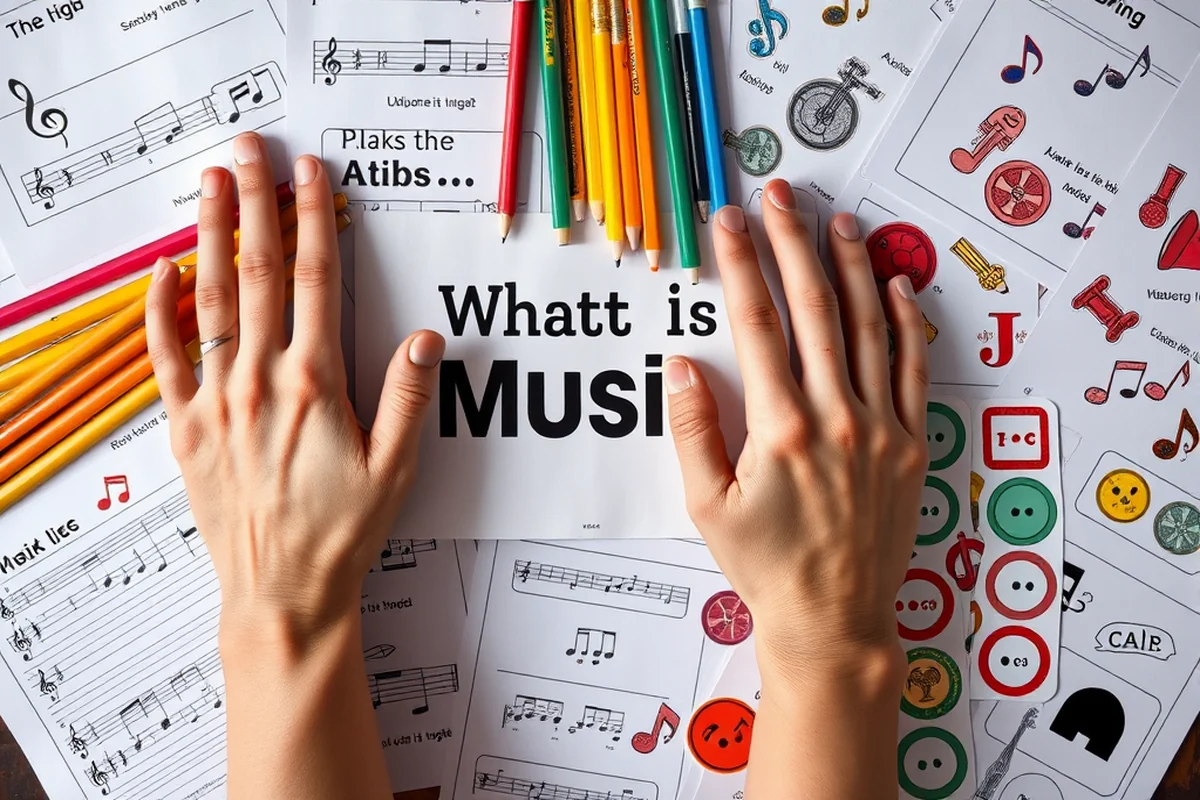
I found that music AI was particularly effective for children with different learning styles. For my son, who preferred visual learning, the AI provided visual representations of musical concepts, like waveform diagrams and color-coded notes. This helped him understand the structure of a song in a way that was more accessible for him.
For my daughter, who was more auditory, the AI offered a listening-based experience where she could hear how different elements of a song contributed to its overall sound. This allowed her to grasp the concepts more intuitively.
The adaptability of music AI made it a great tool for children with learning differences, as it provided multiple ways to engage with the material. It was like having a personal tutor who could adjust to each child’s unique needs.
Related: Piano teachers in manhattan
Real-World Applications of Music AI in Education
I’ve seen music AI used in various educational settings, from elementary schools to music conservatories. In one classroom I visited, the teacher used music AI to create interactive lessons where students could experiment with different musical styles and collaborate on compositions. It was a powerful way to engage students and teach them about music theory in a hands-on way.
Another example was a music school that used music AI to help students with disabilities learn music in a way that was more accessible and inclusive. The AI provided customizable settings that allowed students to interact with music in a way that suited their individual needs.
In my own home, music AI became a way for my children to explore music in a way that was both fun and educational. It helped them develop their creative skills, understand music theory, and build confidence in their abilities.
Related: Teachers music board
The Future of Music AI in Education
I believe that music AI will become an essential part of music education in the coming years. With advancements in artificial intelligence, the capabilities of music AI will continue to expand, offering even more personalized and immersive learning experiences.
One of the most exciting possibilities is the integration of virtual reality and music AI. Imagine being able to step into a virtual concert hall and learn music in a fully immersive environment. This could revolutionize the way students learn and engage with music.
As music AI becomes more sophisticated, it will be able to provide even more detailed feedback and analysis, helping students improve their skills in real time. It will also become more accessible, allowing students from all backgrounds to benefit from this technology.
The future of music education is here — and it’s powered by AI.
Related: Do music teachers make good money
How to Get Started with Music AI in Education
I found that getting started with music AI was surprisingly easy. There are many free and paid tools available online that make it simple to begin exploring music creation. I used one of the free platforms, and within minutes, my children were creating their own songs.
One of the best ways to get started is to experiment with different tools and platforms. I tried a few different options, and each one had its own unique features and capabilities. It was a great way to find the one that worked best for our family.
Another tip I learned was to start small. Instead of exploring complex compositions right away, my children began by creating simple melodies and rhythms. This helped them build confidence and develop their skills gradually.
🎵 Younger Kids Music AI
A simplified version of music AI designed for younger children with visual and interactive elements.
🎼 Older Kids Music AI
An advanced version of music AI tailored for older children interested in learning music theory and composition.
⚡ No-Prep Music AI
A no-prep version of music AI that allows students to start creating music immediately without any setup.
👥 Group Music AI
A collaborative version of music AI that allows students to work together on music projects.
🚀 Extension Music AI
An extension version of music AI that offers advanced features for students looking to take their learning further.
| The mistake | Why it happens | The fix |
|---|---|---|
| Trying to use music AI as a replacement for traditional music education. | Music AI is best used as a supplement to traditional music education, not as a replacement. | Integrate music AI into your existing music curriculum to enhance learning and provide a more personalized experience. |
| Overusing music AI without allowing time for reflection and practice. | Using music AI too much without allowing time for reflection and practice can lead to superficial learning and a lack of depth. | Balance the use of music AI with other forms of practice and reflection to ensure a well-rounded learning experience. |
| Ignoring the need for parental or teacher guidance. | Music AI can be overwhelming for young learners without proper guidance and support. | Provide clear guidance and support to help learners understand and use music AI effectively. |
| Not tailoring music AI to the needs of individual learners. | Failing to tailor music AI to the needs of individual learners can result in a lack of engagement and learning outcomes. | Customize the use of music AI to meet the specific needs and learning styles of each individual learner. |
What Is Music AI
Common Questions
Can music AI be used by beginners with no musical experience?
How does music AI help with learning music theory?
Is music AI suitable for children with learning differences?
Can music AI be used in a classroom setting?
References
- New York State Early Learning Guidelines (ccf.ny.gov)
- Cognitive modeling, ecological psychology, and musical improvisation (pmc.ncbi.nlm.nih.gov)
- A.I. for Smarter Factories: The World of Industrial Artificial Intelligence (nist.gov)
Cite this guide
Teaching Music to Homeschoolers (2026). What Is Music Ai. https://melodystart.com/what-is-music-ai/
Feel free to cite or share this guide.
Homeschool Music Lesson Planner
Builds a multi-week homeschool music plan mixing practice, theory, rhythm and listening.
Open it free →