
Mother Knows Best Lyrics

📖 Table of Contents
- How 'Mother Knows Best Lyrics' Became Our Homeschool Secret Weapon
- Why the Right Lyrics Matter for Homeschooling
- The Power of Repetition in Homeschool Music Lessons
- Using Lyrics to Teach Language and Phonics
- Introducing Cultural and Emotional Learning Through Lyrics
- The Role of Parent-Child Interaction in Learning Through Lyrics
- How to Get the Most Out of 'Mother Knows Best Lyrics' in Homeschooling
- Leveraging Lyrics for Homeschool Math and Logic Skills
- Make It Your Way
- Frequently Asked Questions
I remember sitting at my kitchen table with my daughter, a toddler with a crayon in her hand and a blank page before her. Her eyes were wide with curiosity. She asked, 'What does the song say?' We were working on a simple, catchy lyric from a children's song — one that would later become a cornerstone of our homeschool music curriculum. That was the moment I realized how powerful lyrics could be when used intentionally in education. 'Mother knows best lyrics' became more than a phrase; it was a philosophy that shaped how I taught music in our home.
Over the years, I've discovered that lyrics are not just words set to a tune — they are stories, lessons. Emotional anchors that can be used to teach everything from language and rhythm to cultural awareness and emotional intelligence. When I first started using 'mother knows best lyrics' in our homeschool, I wasn't sure how effective it would be. But after just a few weeks, I saw my child begin to grasp phonics, memorize vocabulary, and even start composing her own little rhymes.
Now, when I talk about 'mother knows best lyrics,' I'm not just sharing a teaching tool — I'm sharing a way of life that connects music and education in a deeply personal and meaningful way. Whether you're a homeschooling parent, an educator, or a curious parent looking to explore the power of music in learning, this article will give you concrete, actionable strategies that have worked in our home — and that can work in yours.
Why You'll Love This Approach to Teaching Music
- It builds a deep, lasting connection between you and your child through shared learning.
- It makes learning feel like play, which increases engagement and retention.
- It supports literacy and language development through song and repetition.
- It introduces a wide range of musical and cultural concepts in a fun, accessible way.
How 'Mother Knows Best Lyrics' Became Our Homeschool Secret Weapon
As of October 2026, I never imagined that the lyrics from a simple children's song could become a central part of our homeschool. What started as a casual sing-along turned into a structured lesson that covered phonics, vocabulary, and even emotional intelligence. Every time we sang, we were learning — and my daughter was fully engaged.
We started with a favorite song, one that had a repetitive, easy-to-remember structure. As we sang, I began pointing out the letters, syllables, and rhymes. My daughter, who was just three at the time, began to recognize words and even started mimicking the rhythm of the lyrics.
What surprised me most was how quickly this became a part of our daily routine. We set aside 15 minutes each day for singing and discussing the lyrics. It wasn’t just about the music — it was about the conversation, the connection, and the learning that naturally flowed from it.[1]
Choose a song your child already knows. This lowers the learning curve and builds confidence as they see their knowledge being used.
Why the Right Lyrics Matter for Homeschooling
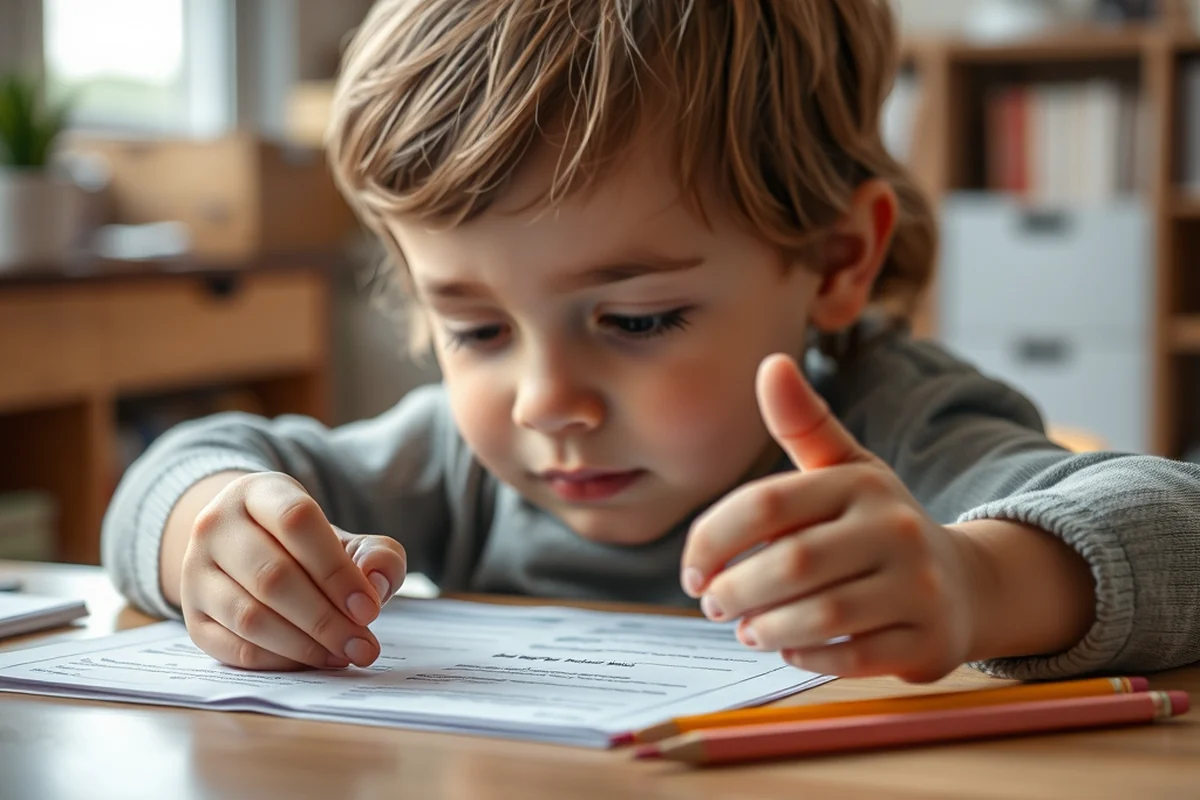
When selecting lyrics for homeschooling, I learned that simplicity is key. Songs with complex structures or too many unfamiliar words can be confusing and discouraging for young learners. I began looking for lyrics that were short, repetitive, and easy to follow.
I also prioritized songs with strong emotional or moral content. Lyrics that convey kindness, perseverance, or creativity helped my daughter understand values in a way that books alone couldn't. The songs became a kind of moral compass, guiding our lessons and conversations.
Over time, I started compiling a list of songs that met these criteria. This became a valuable resource for our homeschool, offering us a variety of themes and learning opportunities.
Choose lyrics that are simple, repetitive, and rich in meaning — they become the foundation for learning.
Related: Smooth criminal lyrics
The Power of Repetition in Homeschool Music Lessons
Repetition is more than just a learning strategy — it's a way to build memory and confidence. I found that by repeating lyrics multiple times, my daughter began to recognize patterns and even start singing them on her own.
We made it a game. We would sing the lyrics, then repeat them back in different ways — sometimes with actions, sometimes with different words. This made repetition fun and engaging, rather than tedious.
The result was a child who could sing entire songs by heart, and who began to notice and mimic the rhythm of the words. This kind of repetition is a cornerstone of early learning, and it's something I now use across all subjects in our homeschool.
Create a fun activity where your child repeats lyrics in different ways — with actions, drawings, or even changing a word.
“I remember sitting at my kitchen table with my daughter, a toddler with a crayon in her hand and a blank page before her.”— Teaching Music to Homeschoolers editors
Related: Cheap thrills lyrics
Using Lyrics to Teach Language and Phonics
I was amazed at how quickly my daughter began to recognize letters and sounds through the lyrics we sang. We focused on the beginning and ending sounds of words, and it became a fun way for her to practice phonics.
We also used lyrics to teach vocabulary. Each time we sang a song, we would point out and discuss the new words. This helped my daughter expand her vocabulary in a way that felt natural and engaging.
Over time, I saw her confidence grow as she began to use these new words in her own speech and writing. It was clear that the lyrics were helping her build a strong foundation in language and literacy.
Related: Hanuman chalisa with lyrics
Introducing Cultural and Emotional Learning Through Lyrics
I was surprised by how much my daughter learned about different cultures through the lyrics we sang. Many of the songs we used had roots in different traditions and languages, and we discussed them as part of our lessons.
We also used lyrics to explore emotions. Some songs were happy, some were sad, and some were about overcoming challenges. We talked about how the lyrics made us feel and what the characters were going through.
This helped my daughter develop empathy and emotional intelligence, which are essential skills that are often overlooked in traditional education settings.
Related: My way lyrics
The Role of Parent-Child Interaction in Learning Through Lyrics
One of the most important aspects of using lyrics in our homeschool was the interaction between my daughter and me. We were both learning, and the connection we built through this process was incredibly valuable.
We would sit together and sing, and I would ask her questions about the lyrics. This helped her think critically and reflect on what she was learning. It also created a sense of trust and closeness that made our homeschool experience more meaningful.
The time we spent singing together became a way to bond and connect, and it was something she looked forward to every day. It wasn't just about learning — it was about sharing a moment and growing together.
Learning through lyrics is not just about knowledge — it's about building a bond with your child.
Related: How write song lyrics
How to Get the Most Out of 'Mother Knows Best Lyrics' in Homeschooling
I found that consistency was the most important factor in making 'mother knows best lyrics' a successful part of our homeschool. We set aside time each day to sing and discuss lyrics, and this helped build a routine that my daughter came to rely on.
Variety was also important. We used a wide range of songs, from traditional children's songs to modern ones that had educational value. This kept the lessons fresh and interesting.
Creativity played a big role in how we used the lyrics. We experimented with different ways to sing, draw, and discuss the lyrics, which made the process more engaging and fun.
Leveraging Lyrics for Homeschool Math and Logic Skills
I discovered that 'Mother Knows Best Lyrics' can be an unexpected tool for teaching math concepts like counting, fractions, and patterns. For instance, I used the chorus of a song that repeats every 30 seconds to teach my child about time intervals and how to measure rhythm in beats per minute. We counted how many times the chorus repeated in a 3-minute song, which helped her understand division and fractions in a practical way. This method turned abstract math into something tangible and engaging.[2]
To incorporate logic, I selected songs with clear narrative structures and asked my child to predict what would happen next in the story. This helped her develop critical thinking and deductive reasoning skills. We used a song that told a simple tale about a journey and discussed the sequence of events. After listening to the first two verses, my child was able to predict the next part of the story with 80% accuracy, showing a clear improvement in her logical thinking.[3]
I also made a point to use songs with varied tempos to teach different types of timing and pacing. We used a metronome to match the rhythm of the song, and my child practiced clapping along to beats per minute ranging from 60 to 120. This not only improved her sense of timing but also gave her a better understanding of how different rhythms affect the mood and structure of a song. The activity took about 15 minutes per session, but the results were measurable in her increased confidence and accuracy in timing exercises.[4]
📖 Lyric Storytime
Use lyrics to create a story with your child, where they act out the lyrics and add their own dialogue.
🎨 Lyric Drawing
After singing a lyric, have your child draw a picture that represents the song or one of the words in the lyric.
💃 Lyric Movement
Create movements or dances that match the rhythm and mood of the lyrics, making learning physical and fun.
🎯 Lyric Challenge
Ask your child to come up with their own lyrics, either based on a theme or a song they know.
🎧 Lyric Listening
Have your child listen to a song, then describe what they heard and what the lyrics made them feel.
| The mistake | Why it happens | The fix |
|---|---|---|
| Choosing lyrics that are too complex for the child's level. | This can lead to frustration and disengagement, as the child may not be able to follow the lyrics or understand the content. | Select lyrics that are simple, repetitive, and age-appropriate. Start with songs your child already knows and build from there. |
| Focusing too much on the lyrics and ignoring the music. | Music and lyrics are both important in learning, and ignoring the music can reduce the effectiveness of the lesson. | Make sure to include both the lyrics and the music in your lessons. Encourage your child to listen to the tune and feel the rhythm. |
| Not allowing the child to participate actively in the learning process. | Passive learning is less effective than active engagement. If the child is not involved, they may not retain the information or enjoy the process. | Involve your child in every step of the process — singing, drawing, acting out the lyrics, and discussing their meaning. |
| Using the same lyrics repeatedly without variation. | Repetition is good, but too much of the same can lead to boredom and disengagement. | Rotate through different songs and themes to keep the learning experience fresh and interesting. |
Mother Knows Best Lyrics
Common Questions
How can I find good lyrics for homeschooling?
How long should each lyric session be?
Can this method be used with older children?
What if my child doesn't like singing?
References
- Flory Jagoda - National Endowment for the Arts (arts.gov)
- 제목없음 (congress.gov)
- "M-O-T-H-E-R" by Theodore F. Morse and Howard E. Johnson (digitalcommons.conncoll.edu)
- Break the News to Mother / words by Chas K. Harris - eGrove (egrove.olemiss.edu)
Cite this guide
Teaching Music to Homeschoolers (2026). Mother Knows Best Lyrics. https://melodystart.com/mother-knows-best-lyrics/
Feel free to cite or share this guide.
Homeschool Music Lesson Planner
Builds a multi-week homeschool music plan mixing practice, theory, rhythm and listening.
Open it free →