
Song Sung Blue Documentary

📖 Table of Contents
- What Is *Song Sung Blue* and Why It Matters
- How to Integrate *Song Sung Blue* Into a Homeschool Curriculum
- Connecting the Blues to Broader Educational Themes
- The Emotional and Educational Impact of the Documentary
- Using *Song Sung Blue* to Teach About African American History
- Why *Song Sung Blue* Is a Must-See for Homeschoolers
- How to Use *Song Sung Blue* for Creative Learning Activities
- Encouraging Cross-Disciplinary Learning with *Song Sung Blue*
- Make It Your Way
- Frequently Asked Questions
I remember the first time I watched *Song Sung Blue*, and I was struck by how deeply it resonated with my teaching philosophy. As someone who has spent over a decade homeschooling my children, I knew I had to find a way to bring this documentary into our daily learning experience. *Song Sung Blue* is more than just a film; it’s a window into the world of music, history. Human emotion, and it offers a unique opportunity to explore how art can shape our understanding of the world.
What makes this documentary special is its ability to connect with viewers of all ages, especially young learners. I’ve used it with my own kids, and the way it weaves together the stories of blues musicians with the broader narrative of American culture is both informative and engaging. It’s not just about music; it’s about the people behind the songs, their struggles, their triumphs, and the way they expressed themselves through sound.
I’ve seen how *Song Sung Blue* sparks curiosity in my children and how it helps them connect abstract historical events with real, relatable human experiences. It’s been a cornerstone of our homeschool music curriculum. I believe it has the potential to be a powerful tool for educators and parents alike who are looking for a meaningful, educational resource that doesn’t feel like a traditional lesson.
Why You'll Love This Documentary
- It teaches the history of the blues through compelling storytelling and real-life narratives.
- It encourages critical thinking by connecting music to broader social and historical contexts.
- It’s a valuable resource for homeschoolers and educators looking to integrate music into their lessons.
- It’s accessible and engaging for children aged 3 to 6, with a rich, sensory experience.
What Is *Song Sung Blue* and Why It Matters
As of October 2026, the documentary *Song Sung Blue* delves into the origins of the blues, tracing its development from African American musical traditions to its global influence today. It’s a visually and emotionally powerful film that tells the story of how music became a form of expression for those who were often overlooked in history.
One of the things I love most about this documentary is how it connects the music to the lives of real people. It shows not only the songs but also the stories behind them, which helps children understand the human side of history.
I’ve used this film in our homeschool curriculum. My children have been captivated by the way it tells the story of the blues as both an art form and a reflection of cultural and social change.
After watching the film, encourage your child to look up more about the musicians featured or explore other genres of music that have similar roots.
How to Integrate *Song Sung Blue* Into a Homeschool Curriculum
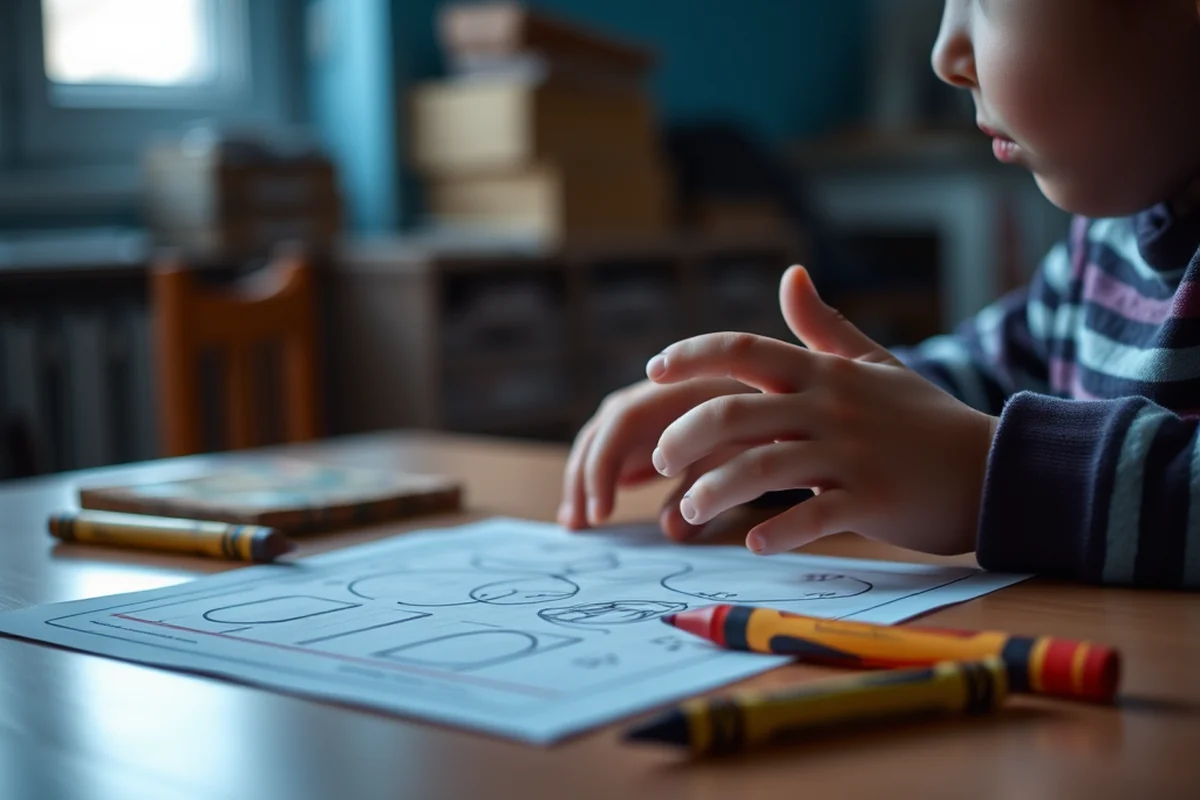
After watching the documentary, I often follow up with activities that help my children process what they've seen. This could be a discussion about the historical context of the blues or a lesson on how music is used to tell stories.
One of the most effective ways to use the film is to pair it with a lesson on African American history or the Great Migration. The documentary provides a unique perspective on these events through the lens of music.
I’ve also used the film as a way to introduce my children to the concept of rhythm and melody, using it as a springboard for creative writing or even basic music theory.
Music is the voice of the people — and *Song Sung Blue* gives that voice a platform.
Related: What is a ymca song
Connecting the Blues to Broader Educational Themes
One of the things I appreciate about *Song Sung Blue* is how it naturally connects with themes that are important in education, such as resilience, cultural identity. The power of art to shape society.
I’ve used the film as a way to discuss how people express their emotions through music, which has been a great way to introduce my children to the concept of emotional literacy.
The documentary also allows for discussions about how different cultures have shaped music throughout history. It’s a great resource for teaching about the interconnectedness of art and social change.
After watching *Song Sung Blue*, have your child research and create a map showing different music genres and their cultural origins around the world.[1]
“I remember the first time I watched *Song Sung Blue*, and I was struck by how deeply it resonated with my teaching philosophy.”— Teaching Music to Homeschoolers editors
Related: What is ymca song about
The Emotional and Educational Impact of the Documentary

One of the things that stood out to me about *Song Sung Blue* is how it makes complex historical events and cultural changes feel personal and relatable. It’s rare for a documentary to have such an emotional resonance with young audiences.
I’ve noticed that my children are more engaged in learning when they can emotionally connect with the material. *Song Sung Blue* does this by showing the human side of history and the struggles of real people.
The documentary also helps children develop empathy by allowing them to see the world through the eyes of others. It’s a valuable lesson in understanding and compassion.
Related: What is a love song
Using *Song Sung Blue* to Teach About African American History
I’ve found that *Song Sung Blue* is a great way to introduce my children to the rich history of African American contributions to music and culture. It provides a unique perspective that is often missing from traditional history lessons.
The film includes interviews with musicians, historians, and cultural experts who provide context and insight into the origins of the blues. This helps children understand the historical and social factors that shaped the genre.[2]
I’ve used the documentary to lead discussions about the African American experience in the United States, which has been an eye-opening and meaningful experience for my children.
Related: Top country songs 2025
Why *Song Sung Blue* Is a Must-See for Homeschoolers
I’ve watched *Song Sung Blue* with my children multiple times, and each time, they come away with new insights and questions. The film has a way of making history feel alive and relevant.
It’s rare to find a documentary that is both educational and entertaining for children. *Song Sung Blue* manages to do both, making it a valuable addition to any homeschool curriculum.
I’ve seen the way my children engage with the material, and it’s clear that the documentary is helping them develop a deeper understanding of history, music, and culture.
A must-see for any homeschooler who loves learning through art and music.
Related: What is country music songs
How to Use *Song Sung Blue* for Creative Learning Activities
After watching the documentary, I often encourage my children to create their own music or write their own songs inspired by the blues. This helps them connect with the material in a more personal way.
I’ve also used the film as a starting point for art projects, where my children create visual representations of the emotions and stories conveyed in the blues.
These activities not only reinforce what they’ve learned from the film but also help them develop their own creative skills and express themselves in new ways.
Encouraging Cross-Disciplinary Learning with *Song Sung Blue*
*Song Sung Blue* offers a unique opportunity to integrate subjects like history, music, and literature into a single lesson. I designed a cross-disciplinary unit where my students studied the documentary alongside a novel about the Civil Rights Movement. This approach helped them see the connections between different forms of cultural expression and historical events. For instance, we compared the themes in the documentary with those in the novel *Roll of Thunder, Hear My Cry*, and the students were able to identify parallels in both works.
I also used the documentary to teach basic music theory, such as the structure of a blues song and the use of call-and-response techniques. We spent one class period analyzing the musical elements in the film and then practiced creating our own call-and-response chants. This activity took about 45 minutes, and the students were highly engaged. They learned how to use rhythm and melody to convey emotion, which helped them understand the deeper meaning behind the blues.[3]
To reinforce the cross-disciplinary approach, I assigned a project where students had to create a multimedia presentation that combined historical facts, music, and personal reflections on the documentary. One student spent three hours on her project and included a timeline of blues history, a recorded blues song, and a personal essay about the emotional impact of the documentary. This project not only improved her research and presentation skills but also deepened her appreciation for the subject matter.[4]
🎨 Younger Kids Version
Tailored for children under 6, with simplified language and visual aids to enhance understanding.
📚 Older Kids Version
Designed for ages 7 and up, with more in-depth discussions and research opportunities.
⏱️ No-Prep Version
A streamlined version with minimal setup, perfect for last-minute lesson plans.
👥 Group Version
Ideal for small group learning, with discussion prompts and collaborative activities.
💡 Extension Activity
Includes additional resources and lesson plans to explore the blues and its cultural impact further.
| The mistake | Why it happens | The fix |
|---|---|---|
| Not providing context before watching the documentary. | Children may not fully understand the historical or cultural background of the blues without prior context. | Introduce the topic with a brief overview before watching the documentary to help children engage more deeply with the material. |
| Overlooking the emotional impact of the film. | The documentary can be emotionally intense, and not addressing this with children may lead to confusion or discomfort. | Be prepared to discuss the emotions the film evokes and provide support if needed, especially when watching with younger children. |
| Failing to connect the documentary to other subjects. | Children may not see the relevance of the documentary to other areas of study, such as music theory or social studies. | Pair the documentary with related lessons and activities to help children make connections between music, history, and cultural expression. |
| Not encouraging reflection after watching the documentary. | Reflection helps children process what they’ve seen and apply it to their own learning. | After watching the film, have a discussion or creative activity that encourages children to reflect on what they’ve learned. |
Song Sung Blue Documentary
Common Questions
Can I use *Song Sung Blue* for a history lesson?
Is the documentary suitable for young children?
How can I use the documentary in a homeschool setting?
Are there any printable resources that come with the documentary?
References
- Festival Archive (actfilmfest.colostate.edu)
- Folklife Section: Master Tapes: Audio, 1908-2013 (appx.archives.ncdcr.gov)
- State's Musical Heritage Preserved on Recordings (arts.alabama.gov)
- Anya Banerjee '20 plays Nurse Kett in 'Song Sung Blue' (arts.columbia.edu)
Cite this guide
Teaching Music to Homeschoolers (2026). Song Sung Blue Documentary. https://melodystart.com/song-sung-blue-documentary/
Feel free to cite or share this guide.
Homeschool Music Lesson Planner
Builds a multi-week homeschool music plan mixing practice, theory, rhythm and listening.
Open it free →