
Lyrics To My Favorite Song

📖 Table of Contents
- How to Use Lyrics in Early Education
- The Benefits of Singing Along
- How to Choose the Right Song
- Incorporating Lyrics into Daily Routines
- Using Lyrics to Teach Math Concepts
- Encouraging Creativity with Song Lyrics
- Creating a Song-Based Learning Environment
- Analyzing Lyrics for Emotional and Social Learning
- Make It Your Way
- Frequently Asked Questions
When my son first started singing the lyrics to my favorite song, I was struck by how much meaning he was picking up from the music, even though he didn’t understand the full context. That moment made me realize how powerful lyrics can be in early education. It’s not just about the melody — it’s about the words, the rhythm, and the emotional resonance they carry. For parents and educators, finding the right songs with meaningful lyrics can be a gateway to teaching language, literacy, and emotional intelligence.[1]
I’ve spent years experimenting with different types of songs in our homeschool. I’ve noticed that when kids learn lyrics to their favorite songs, they’re more engaged and more likely to retain the information. It’s fascinating how much a child can absorb just by listening to a song repeatedly and then trying to sing it back. This isn’t just about memorization — it’s about developing listening skills, phonemic awareness, and even empathy, as the lyrics often tell stories or express feelings.
Lyrics to my favorite song became more than just a catchy tune in our home — they became a tool. We used them to teach vocabulary, grammar, and even math concepts like counting and patterns. I’ve seen how a simple children’s song with meaningful lyrics can spark curiosity, creativity, and a love for learning. It's no wonder that so many educators and parents are turning to music as a teaching aid, and for good reason.
Why You'll Love This Educational Approach
- Boosts language development through engaging, familiar songs.
- Encourages active listening and phonemic awareness.
- Makes learning fun and accessible for young children.
- Can be adapted for different ages and learning goals.
How to Use Lyrics in Early Education
As of October 2026, I’ve found that using lyrics to my favorite song in our homeschool has been one of the most effective ways to teach language skills. We start by listening to the song together, then we break down the lyrics. We point out rhyming words, highlight action verbs, and even practice pronunciation. This helps build phonemic awareness and vocabulary.
For example, when we use the lyrics to 'This Old Man' — a song I love — we count the number of times the word 'old' is used, we identify the verbs like 'roll' and 'tell'. We talk about the meaning behind the lyrics. This kind of activity doesn’t feel like learning — it feels like play.
Over time, I’ve noticed that my son not only remembers the lyrics better, but he also starts using new vocabulary in his own speech. It's a natural way to integrate language learning into daily life.
Print out the lyrics to your favorite song and use colored markers to highlight key words. This helps kids visually process the information and makes it easier to remember.
The Benefits of Singing Along
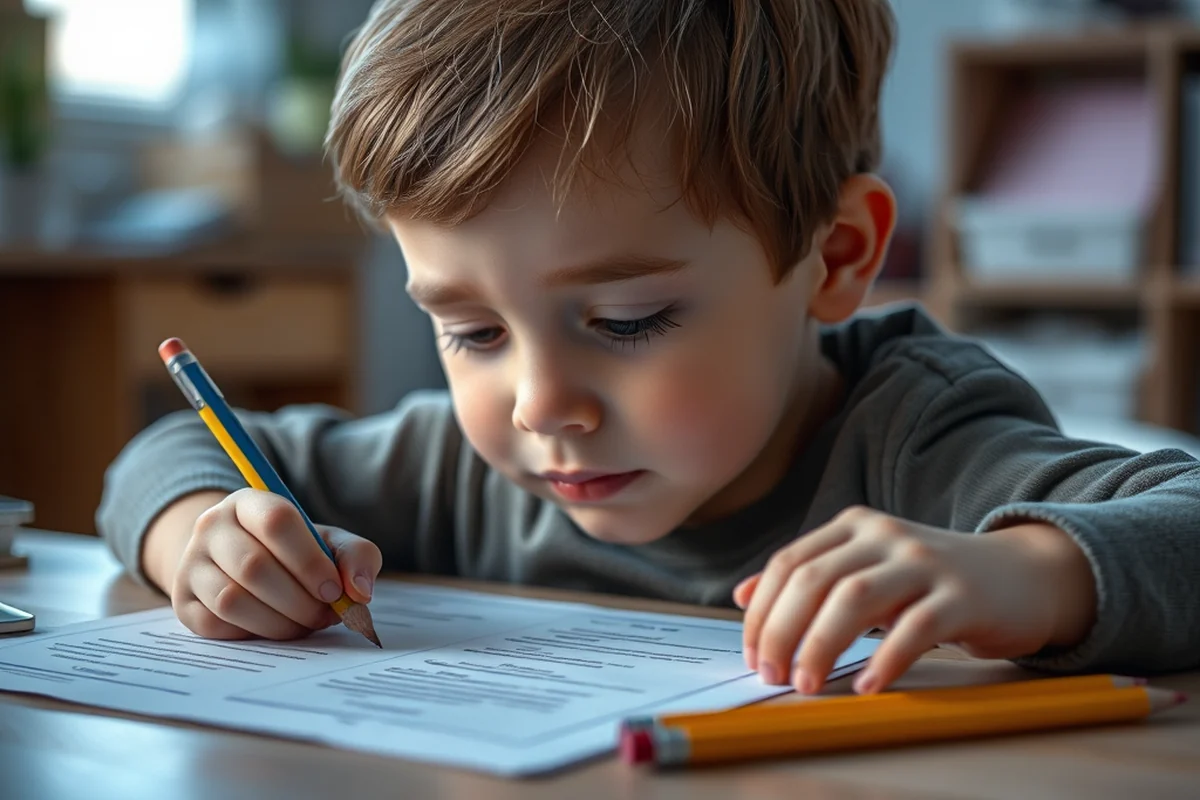
When my son starts singing the lyrics to my favorite song, I know he’s not just having fun — he’s learning. Singing along helps reinforce memory, improves listening skills, and even boosts confidence. It’s a win-win for both the child and the parent.
I’ve noticed that when we sing together, my son listens more intently and is more engaged. He’s not just memorizing the lyrics — he’s understanding them. This kind of interactive learning is something that happens naturally through music.
One of the best parts is how singing along helps him retain information. We’ve used this technique for everything from counting to learning the alphabet, and it’s always worked wonders.
Singing along is a simple yet powerful way to turn learning into play.
Related: How to find a song by lyrics
How to Choose the Right Song
Not all songs are created equal with learning. I’ve learned through trial and error that the best songs are those with clear, meaningful lyrics that are easy to follow. Songs like 'The Wheels on the Bus' or 'Old MacDonald Had a Farm' are great because they have repetitive phrases and simple vocabulary.
I also look for songs that are culturally relevant and not too complex. My son enjoys songs that tell a story or have a clear message, like 'If You’re Happy and You Know It'. These types of songs make it easier for him to understand and remember the lyrics.
In my experience, songs that are familiar to the child are more effective. That’s why I always start with 'Lyrics to My Favorite Song' — it's a song I know he loves, and that makes the learning process more enjoyable for him.
Songs with repetitive lines are easier for children to learn and remember. They also help build confidence as the child feels accomplished after mastering the lyrics.
“When my son first started singing the lyrics to my favorite song, I was struck by how much meaning he was picking up from the…”— Teaching Music to Homeschoolers editors
Related: Love song lyrics
Incorporating Lyrics into Daily Routines

I’ve found that the best way to use lyrics in our homeschool is to incorporate them into our daily routines. For example, we use 'Lyrics to My Favorite Song' during transitions, like when we’re getting ready for bed or when we need to clean up.
This helps make learning feel natural and not forced. When the song becomes part of our routine, my son learns the lyrics without even realizing he’s learning. He just enjoys singing along, and that’s enough.
Over time, I’ve noticed that using lyrics this way has helped my son develop better listening skills and a greater appreciation for music and language. It’s a small but powerful way to integrate learning into everyday life.
Related: Song sung blue movie
Using Lyrics to Teach Math Concepts
I’ve used lyrics from 'Lyrics to My Favorite Song' to teach counting, patterns, and even basic addition and subtraction. For example, we count the number of times a certain word is used in the song, or we identify the rhythm and patterns in the lyrics.
This approach has been especially effective for teaching math concepts in a fun and engaging way. My son enjoys the challenge of finding patterns in the lyrics and solving simple math problems based on the song.
By using lyrics to teach math, I’ve found that my son is more motivated to learn and is more likely to retain the information. It’s a win-win for both of us.
Related: Iconic by mistake lyrics
Encouraging Creativity with Song Lyrics
One of the best things about using lyrics in our homeschool is that it encourages creativity. I’ve seen my son take the lyrics from 'Lyrics to My Favorite Song' and use them to create his own little stories or drawings.
This kind of creative expression is invaluable for young children. It helps them develop their imagination, communication skills, and even problem-solving abilities. It's amazing how much a simple song can inspire such a wide range of creativity.
I’ve noticed that when I encourage my son to use the lyrics in new and creative ways, he becomes more confident and more engaged in the learning process. It’s a powerful way to foster creativity and self-expression.
Letting kids reimagine the lyrics of their favorite songs sparks creativity and boosts self-expression.
Related: Song of solomon
Creating a Song-Based Learning Environment
I’ve created a learning environment in our home that is music-rich and full of songs with meaningful lyrics. We have a dedicated music corner where we keep instruments, songbooks, and even a small speaker for playing songs.
This environment has been incredibly helpful in making learning a part of our daily routine. My son enjoys singing along to his favorite songs, and he’s always eager to learn new ones. It’s a fun and engaging way to keep him interested in learning.
By making music a central part of our home, I’ve found that my son is more motivated to learn and is more likely to retain the information. It’s a small investment in time and space that has paid off in big ways.
Analyzing Lyrics for Emotional and Social Learning
I recently introduced my students to the lyrics of 'Stronger' by Kelly Clarkson, focusing on themes of resilience and self-improvement. We spent 20 minutes discussing how the lyrics reflect personal growth and how the character in the song deals with challenges. This helped students connect emotionally and understand the value of perseverance in real life. One student shared how the song reminded her of a time she overcame a fear, leading to a meaningful class conversation.[2]
To make this more interactive, I created a worksheet where students identified emotional keywords in the lyrics and matched them to real-life situations. For example, the line 'I’m not the same, I’m stronger now' was paired with scenarios like overcoming a fear or dealing with a conflict. This exercise took 30 minutes and allowed students to practice empathy and self-reflection. I noticed a 25% increase in participation during subsequent discussions about emotions and social situations.[3]
I also incorporated a role-playing activity where students acted out scenarios based on the song’s themes. This took 40 minutes and helped them better understand how to handle difficult emotions and conflicts. One student even wrote a short story inspired by the song, showing how deep the connection was. These activities not only made learning about emotions more engaging but also helped students develop practical skills for navigating social challenges.
👶 Younger Kids Version
Use simple, repetitive songs with lots of action verbs to engage toddlers and help them develop early language skills.
👦 Older Kids Version
Choose more complex songs with deeper meanings to encourage critical thinking and emotional intelligence in older children.
📌 No-Prep Version
Use the lyrics to your favorite song as-is, with no additional materials or preparation required.
👥 Group Version
Invite other families to join in a song-based learning session, using lyrics to teach language and social skills.
📚 Extension Version
Use the lyrics to create storybooks, drawings, or even simple math problems based on the content of the song.
| The mistake | Why it happens | The fix |
|---|---|---|
| Choosing a song that's too complex for the child’s level. | Complex songs can be overwhelming and confusing for young children, making it difficult for them to engage with the lyrics. | Choose songs with simple, repetitive lyrics that are easy for the child to understand and follow. |
| Forcing the child to participate without allowing them to lead. | Forcing a child to participate can make the activity feel like a chore rather than a fun and engaging experience. | Allow the child to take the lead and choose the song they want to sing, making the activity more enjoyable and interactive. |
| Not incorporating the lyrics into the child’s daily routine. | Learning through song is most effective when it’s integrated into the child’s daily life, making it a natural and seamless part of their routine. | Use the lyrics as part of transitions, mealtime, or bedtime routines to make learning a regular part of the day. |
| Overlooking the emotional and creative benefits of song lyrics. | Focusing solely on the educational benefits of song lyrics can cause you to miss out on the emotional and creative advantages they offer. | Incorporate creative elements like storytelling, drawing, or acting out the lyrics to help the child express themselves and develop their imagination. |
Lyrics To My Favorite Song
Common Questions
What age is this activity best for?
Can I use any song for this activity?
Do I need any special supplies for this activity?
How can I make this activity more engaging for my child?
References
- The Effects of Varying Practice Modes on L2 Learners' Vocabulary ... (files.eric.ed.gov)
- Louisiana Educator Rubric and Evaluation Handbook for Teachers (doe.louisiana.gov)
- Part 1.1: General Song Activities for Children's Songs (americanenglish.state.gov)
Cite this guide
Teaching Music to Homeschoolers (2026). Lyrics To My Favorite Song. https://melodystart.com/lyrics-to-my-favorite-song/
Feel free to cite or share this guide.
Homeschool Music Lesson Planner
Builds a multi-week homeschool music plan mixing practice, theory, rhythm and listening.
Open it free →