
What Is Rhythm Of Music

📖 Table of Contents
- What Is Rhythm of Music and Why Is It Important?
- How to Teach Rhythm to Homeschoolers
- The Role of Rhythm in Early Childhood Development
- Creative Ways to Explore Rhythm
- Rhythm and Mathematical Thinking
- The Benefits of Teaching Rhythm to Homeschoolers
- Incorporating Rhythm into Daily Life
- Make It Your Way
- Frequently Asked Questions
I remember the first time my son clapped along to a song on the radio, his little hands moving in perfect sync with the beat. It was a moment that made me realize how powerful rhythm can be—how it can bring joy, structure, and even a sense of order to young minds. Rhythm is more than just the pulse of music; it's the foundation that makes music feel alive and accessible to anyone, no matter their age or experience. As a homeschooling parent, I've learned that teaching rhythm doesn't have to be complicated or expensive, and it can be a fun, engaging way to connect with your child through music.[3]
When I first started exploring rhythm with my kids, I didn't know where to begin. I tried clapping along to songs, tapping on tables, and even using household items like pots and pans as makeshift drums. What I discovered was that rhythm is everywhere—whether it's the steady ticking of a clock or the rhythmic sound of rain on a window. It's a natural part of life, and that made it easier to integrate into our daily routine. Now, I see rhythm not just as a musical element, but as a tool for learning, creativity, and even emotional expression.[4]
Over time, I've come to appreciate how rhythm plays a key role in developing a child's motor skills, language abilities, and even mathematical thinking. It's a simple yet powerful concept that can be taught through a variety of methods, from using body percussion to experimenting with different musical instruments. Teaching rhythm to homeschoolers can be both rewarding and enriching, and I've found that the most effective way to do it is by making it fun and hands-on. Whether your child is just starting to explore music or is already an experienced musician, rhythm is a skill that can be nurtured and developed in countless ways.
Why You'll Love This Article
- Discover how rhythm is the heartbeat of music and a key element in early childhood learning.
- Learn practical, real-world techniques for teaching rhythm to homeschoolers of all ages.
- Explore creative, no-cost, and low-prep activities that make learning rhythm fun and engaging.
- Gain insights from personal experience and expert-backed methods to enhance your teaching approach.
What Is Rhythm of Music and Why Is It Important?
As of October 2026, Rhythm is the backbone of music, giving it structure and a sense of movement. It's the pattern of beats that repeats throughout a piece, and it's what makes music feel steady, predictable, and enjoyable. In early childhood education, rhythm plays a crucial role in developing a child's motor skills, language, and even mathematical thinking. Studies have shown that children who engage with rhythm from a young age tend to perform better in reading and math later in life.[1]
One of the most effective ways to teach rhythm is by using body percussion—clapping, tapping, and stomping. This not only makes learning interactive but also helps children internalize the concept of timing. I've found that using a variety of rhythmic patterns, such as simple two-beat or four-beat rhythms, can help children develop a strong sense of musical structure and timing.
I've also noticed that rhythm can be a powerful tool for emotional expression. When children are given the opportunity to explore different rhythms, they often find a way to express their feelings through sound. Whether it's a fast and energetic beat or a slow and steady one, rhythm allows children to connect with music on a deeper level.
Introduce rhythm with simple, repetitive patterns like clapping along to a song or tapping your foot to the beat. These activities help children internalize rhythm in a natural and fun way.
How to Teach Rhythm to Homeschoolers
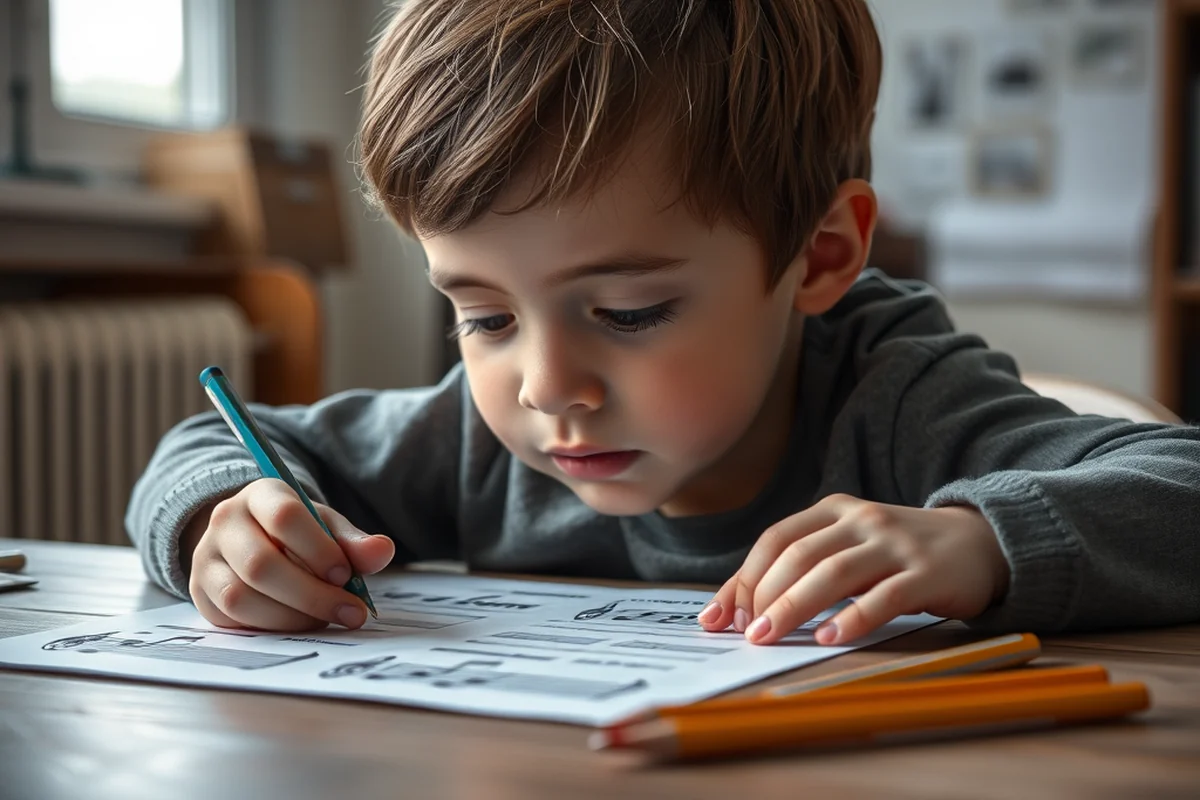
One of the best ways to teach rhythm is by using everyday objects as makeshift instruments. For example, using pots and pans as drums or tapping on a wooden spoon to create different sounds. These activities not only make learning fun but also help children understand how rhythm can be created using different materials.
I've found that incorporating music into daily routines is one of the most effective ways to teach rhythm. Whether it's singing along to a song during a meal or tapping out a rhythm while doing chores, these small moments help children develop a natural sense of timing and musicality.
Another great method is to use visual aids, such as rhythm cards or charts, to help children see the pattern of beats. This can be especially helpful for visual learners who benefit from seeing the rhythm laid out in front of them.
Rhythm is the invisible thread that connects all forms of music.
Related: What is country gospel music
The Role of Rhythm in Early Childhood Development
Research has shown that engaging with rhythm from a young age can have a positive impact on a child's development. It helps improve hand-eye coordination, fine motor skills, and even speech patterns. I've noticed that children who participate in rhythmic activities tend to have better control over their speech and are more confident in expressing themselves.[2]
In addition to motor skills, rhythm also plays a key role in language development. Many children learn to speak by listening to the rhythm of language—how words are stressed and how sentences flow. By engaging with rhythm in music, children can develop a stronger sense of language and communication.
I've also found that rhythm can be a powerful tool for building confidence and self-expression. When children are given the opportunity to explore rhythm, they often find a way to express their feelings through sound, which can be a valuable form of emotional release.
Incorporate rhythm into daily language activities by clapping out syllables or tapping out the rhythm of a sentence. This helps children understand how language flows and how to express themselves more clearly.
“I remember the first time my son clapped along to a song on the radio, his little hands moving in perfect sync with the beat.”— Teaching Music to Homeschoolers editors
Related: How to music theory
Creative Ways to Explore Rhythm
One of the most creative ways to explore rhythm is by using body percussion—clapping, stomping, and tapping to create different rhythms. This is a great way for children to develop their sense of timing and coordination while having fun.
Another creative method is to use different types of instruments to create unique rhythmic patterns. Whether it's using a tambourine, a shaker, or even a drum, children can experiment with different sounds and rhythms to create their own musical compositions.
I've also found that using visual aids, such as rhythm charts or flashcards, can be a great way to help children understand and explore different rhythmic patterns. These tools can be especially helpful for visual learners who benefit from seeing the rhythm in front of them.
Related: What is the best laptop for music production
Rhythm and Mathematical Thinking
Rhythm is essentially a form of mathematical thinking, as it involves understanding patterns, counting beats, and recognizing sequences. I've noticed that children who engage with rhythm from a young age often have a stronger grasp of mathematical concepts such as counting, fractions, and even algebra.
One of the most effective ways to teach rhythm and mathematical thinking is by using counting activities. For example, counting beats in a song or clapping out a rhythm while counting to four. These activities help children develop a natural understanding of numbers and patterns.
I've also found that using rhythm to teach fractions can be a fun and engaging way to introduce mathematical concepts to young children. For example, dividing a beat into two or four equal parts can help children understand how fractions work in a real-world context.
Related: What is sweetwater music
The Benefits of Teaching Rhythm to Homeschoolers
One of the most obvious benefits of teaching rhythm is the improvement of motor skills. Whether it's clapping, stomping, or using instruments, children develop coordination and fine motor control through these activities.
Another benefit is the enhancement of creativity and self-expression. When children are given the opportunity to explore rhythm, they often find a way to express their feelings and emotions through sound. This can be a powerful form of emotional release and self-expression.
In addition to motor skills and creativity, teaching rhythm can also help children develop a stronger sense of confidence and self-esteem. When children are able to create their own rhythms and express themselves through music, they often gain a greater sense of confidence and self-worth.
Rhythm is the foundation of creativity and self-expression.
Related: Is spotify for kids
Incorporating Rhythm into Daily Life
One of the easiest ways to incorporate rhythm into daily life is by using music during routine activities. Whether it's singing along to a song while cooking or tapping out a rhythm while doing chores, these moments help children develop a natural sense of timing and musicality.
Another way to incorporate rhythm into daily life is by using body percussion during everyday tasks. For example, clapping while brushing teeth or tapping while folding laundry. These small moments help children internalize rhythm in a natural and fun way.
I've also found that using rhythm to help with transitions between activities can be a great way to keep children engaged and focused. For example, using a rhythmic pattern to signal the end of one activity and the beginning of another can help children understand the flow of time and activities.
👶 Younger Kids
Use simple clapping and stomping activities to introduce rhythm to younger children in a fun and engaging way.
🧑🎓 Older Kids
Explore more complex rhythmic patterns and use musical instruments to develop advanced rhythm skills in older children.
⏱️ No-Prep
Use body percussion and everyday objects as makeshift instruments to teach rhythm without any preparation.
👥 Group Version
Create a group activity where children can explore rhythm together and develop their musical and social skills.
🚀 Extension
Introduce more advanced concepts such as counting beats, using different time signatures, and exploring the relationship between rhythm and math.
| The mistake | Why it happens | The fix |
|---|---|---|
| Making rhythm too complicated for young children. | Young children benefit most from simple, repetitive rhythms that help them internalize timing and coordination. | Start with basic rhythms and gradually introduce more complex patterns as your child becomes more comfortable. |
| Not using a variety of activities to teach rhythm. | Using a variety of activities helps keep children engaged and makes learning more effective. | Incorporate different types of activities such as body percussion, using instruments, and exploring rhythm in daily routines. |
| Focusing too much on the technical aspects of rhythm. | Focusing too much on the technical aspects can make learning rhythm less enjoyable and more stressful for children. | Keep the focus on the fun and creative aspects of rhythm while introducing technical concepts gradually. |
| Not providing enough opportunities for children to explore rhythm. | Children need multiple opportunities to explore rhythm in order to develop a strong understanding and sense of timing. | Incorporate rhythm into daily routines and provide a variety of activities that allow children to explore rhythm in different ways. |
What Is Rhythm Of Music
Common Questions
How can I teach rhythm to a child who has no musical background?
What are some simple activities for teaching rhythm to young children?
How can I make learning rhythm more engaging for my child?
Can rhythm be used to support other areas of learning?
References
- Rhythm | Music - Amherst College (amherst.edu)
- Telling a Story with Harmonic Rhythm - Berklee College of Music (berklee.edu)
- Rhythm | Music Copyright Infringement Resource - Blogs GWU (blogs.law.gwu.edu)
- Understanding Rhythm in Music - UCA | Blogs (blogs.uca.edu)
Cite this guide
Teaching Music to Homeschoolers (2026). What Is Rhythm Of Music. https://melodystart.com/what-is-rhythm-of-music/
Feel free to cite or share this guide.
Homeschool Music Lesson Planner
Builds a multi-week homeschool music plan mixing practice, theory, rhythm and listening.
Open it free →