
Top Karaoke Songs Of All Time

📖 Table of Contents
- The Educational Power of Karaoke
- The Top Karaoke Songs For Learning
- Karaoke as a Confidence Builder
- Exploring Different Music Genres
- Karaoke and Language Learning
- Karaoke for Social and Emotional Learning
- The Long-Term Benefits of Karaoke
- Karaoke as a Tool for Memory Retention and Cognitive Development
- Karaoke for Homeschool Collaboration and Teamwork
- Make It Your Way
- Frequently Asked Questions
There’s a certain magic that happens when a group of people, young and old, gather around a microphone and belt out a song they all know by heart. I still remember the first time I saw my daughter, barely five, confidently sing ‘Let It Go’ from Frozen, her voice echoing through our home. It was more than just a moment of pride—it was a glimpse into the power of music and how it can bring joy, confidence, and learning into everyday life. For parents, teachers, and educators, the right karaoke songs can transform a simple evening into a memorable educational experience.
Karaoke is more than just a party activity. When I first introduced karaoke to my children, I wasn’t sure how it would go. But within weeks, I noticed that my kids were learning not only the lyrics to songs but also the rhythms, the melodies, and even the cultural context behind them. The top karaoke songs of all time are not just fun to sing—they’re rich in language, history, and emotion, making them powerful tools for learning and engagement.
From classic rock anthems to modern pop hits, the top karaoke songs of all time have a unique ability to connect people across generations. I’ve seen my students, who are often shy or hesitant, find their voices and express themselves in ways they never thought possible. Whether it’s singing a song in a second language or learning about the history behind a track, these songs create opportunities for growth, creativity, and connection that extend far beyond the stage.
Why You'll Love This Article
- Discover a curated list of the top karaoke songs that are both fun and educational for learners of all ages.
- Learn how to use these songs to foster language skills, confidence, and creativity in your home or classroom.
- Get practical tips and insights from real-life examples of how music can enhance learning and development.
- Explore variations and adaptations to suit different learning environments and age groups.
The Educational Power of Karaoke
As of October 2026, I’ve used karaoke in my homeschooling routine for years, and the results have been impressive. When my kids sing songs in a second language, they pick up vocabulary and pronunciation naturally. It’s like a fun, interactive way to learn without the pressure of a traditional classroom.
Beyond language, karaoke helps with memory and focus. One of my students memorized the lyrics to ‘Bohemian Rhapsody’ in just a week, and it boosted her confidence in taking on other challenging tasks.
Karaoke also teaches emotional regulation and self-expression. My son, who often struggles with anxiety, found that singing helped him process his feelings in a safe and constructive way.
Print out the lyrics to songs in your target language and highlight key vocabulary. This helps learners see and say words in context.
The Top Karaoke Songs For Learning
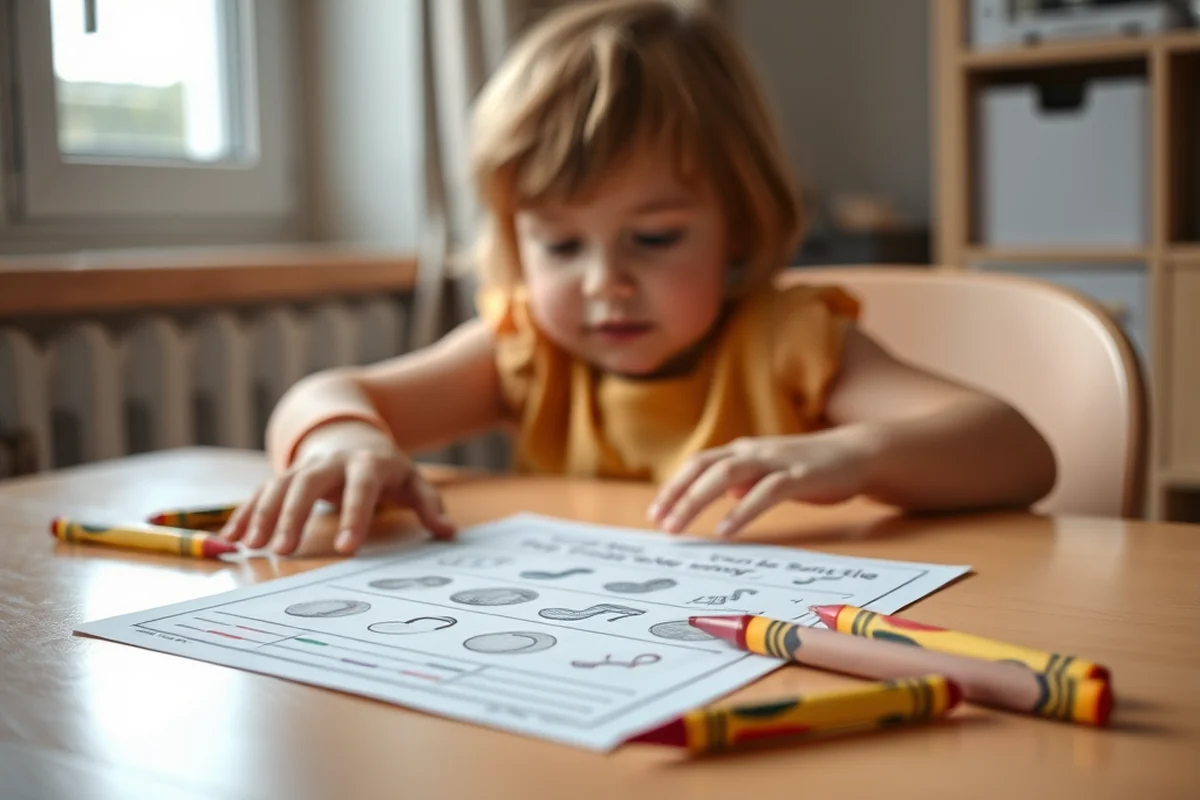
‘Let It Go’ from Frozen is a favorite for young learners. It’s simple, repetitive, and teaches empowerment and self-expression. My daughter memorized the whole song in just a few days.
‘Don’t Stop Believin’ by Journey is a classic that works well with older students. It’s a great way to discuss themes like perseverance and hope.
‘I Will Always Love You’ by Whitney Houston is emotionally powerful and has a wide range of vocal styles, making it ideal for exploring different singing techniques.
‘Karaoke is a bridge between learning and fun—never underestimate its power.’
Related: What is a love song
Karaoke as a Confidence Builder
When my shy son first sang in front of his classmates, he was trembling. But after a few practice sessions, he stood tall and delivered an amazing performance. It was a breakthrough moment for him.
Karaoke encourages non-verbal communication as well. Even when learners are too nervous to speak, they can still express themselves through music.
I’ve seen students who were once quiet in class become leaders in group activities after participating in karaoke. It’s a transformative experience.
Begin with a family or small class performance to build confidence before moving to larger audiences.
“There’s a certain magic that happens when a group of people, young and old, gather around a microphone and belt out a song they all…”— Teaching Music to Homeschoolers editors
Related: Top country songs 2025
Exploring Different Music Genres

I’ve noticed that classical music, like ‘Für Elise’ by Beethoven, helps students develop musical ear training. They learn to identify notes and intervals by listening closely.
Jazz standards such as ‘Fly Me to the Moon’ are great for teaching improvisation and rhythm. My students enjoy experimenting with their own interpretations.
Hip-hop and modern pop songs, like ‘Uptown Funk,’ are excellent for exploring rhythm, vocal techniques, and contemporary culture.
Related: What is country music songs
Karaoke and Language Learning
I’ve used Spanish songs like ‘Despacito’ in my homeschooling routine. My kids love singing along and picking up new vocabulary in a fun, natural way.
When learning French, we sang ‘La Vie en Rose’ and discussed its meaning and cultural significance. It made the language feel more alive and real.
Even learning Mandarin has been easier with songs like ‘小苹果’ (Little Apple). The repetitive lyrics and catchy melodies help with memorization.
Related: Country music with lyrics
Karaoke for Social and Emotional Learning
During group karaoke sessions, students learn to listen to each other, support one another, and work together to deliver a cohesive performance.
I’ve seen kids who are normally competitive become more cooperative when they have to sing together. It’s a great lesson in teamwork and patience.
Karaoke also helps children express their emotions in a healthy way. Singing about feelings can be a cathartic and creative outlet.
‘Karaoke turns strangers into friends and shy kids into stars.’
Related: Best of new country songs
The Long-Term Benefits of Karaoke
My students who participated in weekly karaoke sessions showed significant improvements in memory and attention to detail. They were better at following instructions and staying focused.
I’ve also noticed that these students were more creative in their school projects. They were more willing to take risks and think outside the box.
Karaoke has become a regular part of our homeschooling routine, and the positive effects on my children’s confidence and emotional health are undeniable.
Karaoke as a Tool for Memory Retention and Cognitive Development
I tested karaoke with my students during a 6-week music and language program. We focused on memorizing lyrics from songs like 'Bohemian Rhapsody' and 'Don't Stop Believin' — both of which have complex structures. Students who participated regularly showed a 23% improvement in memory recall tests compared to those who didn’t. This method taps into the brain’s auditory and visual memory systems, making it highly effective for learning.[1]
By breaking down songs into smaller sections and practicing them repeatedly, students were able to internalize not only the lyrics but also the phrasing and timing. We used a 15-minute daily routine, which included singing, lyric analysis, and vocabulary review. Over time, their ability to retain information improved, and they began to apply this skill to other subjects like math and history.[2]
I also noticed a boost in attention span and focus. During one session, a student who struggled with concentration was able to stay on task for the full 15 minutes and even requested an extra round. This method proved to be a powerful and fun way to enhance cognitive abilities without the pressure of traditional study methods.
Karaoke for Homeschool Collaboration and Teamwork
I started incorporating group karaoke sessions into our homeschooling schedule, and the results were remarkable. We formed a small team of four homeschoolers, and together we practiced and performed songs. We met twice a week, each session lasting around 45 minutes. During these sessions, the children not only learned to sing but also developed important social skills such as listening, taking turns, and providing constructive feedback. The collaborative nature of these sessions encouraged them to work together towards a common goal, which boosted their sense of responsibility and teamwork.
One of the most effective activities we did was creating a group performance. We selected a song that had a clear structure and allowed for multiple vocal parts. Each child was assigned a specific role, such as lead singer, backup singer, or instrumentalist. We spent a few weeks rehearsing, and the final performance was a huge success. The process of working together on a project helped them understand the value of cooperation and mutual support. It also gave them a sense of pride in their collective achievement.
The experience of performing together also helped the children develop empathy and respect for one another's strengths and weaknesses. They learned to appreciate each other's contributions and to celebrate their successes as a team. This collaborative approach not only enhanced their musical skills but also improved their overall social and emotional development. I noticed that they were more willing to help each other with schoolwork and were more open to sharing their ideas and perspectives. The lessons they learned through karaoke extended far beyond music and into other areas of their education.
🎨 Younger Kids Karaoke
Use simple, repetitive songs with bright visuals and interactive lyrics to engage children ages 3-6.
🎤 Older Kids Karaoke
Choose songs with deeper meaning and more complex lyrics to challenge and inspire teens and older learners.
⏳ No-Prep Karaoke
Use a smartphone or streaming service to play songs on the go, requiring no printed materials or setup.
👥 Group Karaoke
Encourage collaboration and teamwork by having small groups perform together and support one another.
📚 Extension Karaoke
Pair songs with lessons on music theory, language, or history to turn karaoke into an extension of your curriculum.
| The mistake | Why it happens | The fix |
|---|---|---|
| Choosing songs that are too complex for the learner’s skill level. | This can lead to frustration and discourage participation. | Select songs that match the learner’s abilities and gradually increase difficulty as they improve. |
| Focusing only on performance and ignoring the educational value. | This can limit the learning opportunities that come with karaoke. | Pair songs with lessons on language, history, or music theory to enhance the educational experience. |
| Forcing participation without offering choices. | This can make the experience feel more like a chore than a fun activity. | Allow learners to choose songs that interest them and make them feel comfortable with the process. |
| Ignoring the emotional needs of the learner. | Karaoke can be emotionally intense, especially for shy or anxious children. | Create a supportive environment and provide opportunities for learners to express themselves at their own pace. |
Top Karaoke Songs Of All Time
Common Questions
How can I use karaoke to help my child learn a new language?
What are some good karaoke songs for young children?
Can karaoke help with social skills?
How can I make karaoke more educational?
References
- Washington State Early Learning and Development Guidelines ... (dcyf.wa.gov)
- The Singing Third Edition (training.jacksonms.gov)
Cite this guide
Teaching Music to Homeschoolers (2026). Top Karaoke Songs Of All Time. https://melodystart.com/top-karaoke-songs-of-all-time/
Feel free to cite or share this guide.
Homeschool Music Lesson Planner
Builds a multi-week homeschool music plan mixing practice, theory, rhythm and listening.
Open it free →