
What Is A Music Recording Studio

📖 Table of Contents
- What is a Music Recording Studio?
- The Role of a Music Recording Studio in Education
- Inside a Music Recording Studio
- How Music Recording Studios Work
- The Benefits of Using a Music Recording Studio
- The Future of Music Recording Studios in Education
- How to Get Started with a Music Recording Studio
- Make It Your Way
- Frequently Asked Questions
There’s something magical about stepping into a music recording studio for the first time. The air feels different—calmer, more focused. I remember when my own children first walked into one, eyes wide, hands trembling as they touched the mixing board. It was a moment that sparked curiosity, creativity, and a deep connection to the art of sound. That’s what a music recording studio does: it turns abstract ideas into real, tangible music.[2]
A music recording studio is more than just a room with microphones and speakers. It’s a place where artists, engineers, and producers come together to capture and shape sound. I once sat in on a session where a child sang a song she’d written herself, and the studio made it sound like it belonged in a professional album. It was a revelation for us, a reminder of the power that a well-equipped space can have.[3]
What is a music recording studio? It’s a space where passion meets precision, where dreams of music take shape. I’ve spent years exploring different studios, from tiny home setups to sprawling commercial spaces, and each one has its own unique character. Whether you’re a beginner or a seasoned musician, understanding what a music recording studio is can open up a world of possibilities for your creative journey.[4]
Why You'll Love This Article
- Discover the hidden world of music recording studios and their real impact on learning and creativity.
- Learn how these spaces are used by artists and students alike to bring music to life.
- Get practical insights into the tools and environments that make music recording possible.
- Understand the role of a music recording studio in education and artistic development.
What is a Music Recording Studio?
As of October 2026, a music recording studio is a dedicated space designed for capturing and producing sound. These studios range from simple home setups with a laptop and a few microphones to large, professional facilities with state-of-the-art equipment. I once visited a professional studio where the acoustics were so precise that the sound felt like it was coming from everywhere at once. It was surreal.
These studios are built with soundproofing, specialized microphones, and computers that can edit and mix music. They are used by musicians, producers, and engineers to record songs, podcasts, audiobooks, and more. I remember watching a session where a producer used a digital audio workstation (DAW) to layer different sounds and create a full, rich track in minutes.
What makes a music recording studio unique is its ability to transform raw musical ideas into polished, professional recordings. This is why many schools and educational institutions have started incorporating studio time into their music programs. It’s a powerful way to engage students in the creative process.
If you're setting up a small studio at home, invest in a good microphone and a pair of quality headphones. These will make a world of difference in the quality of your recordings.
The Role of a Music Recording Studio in Education
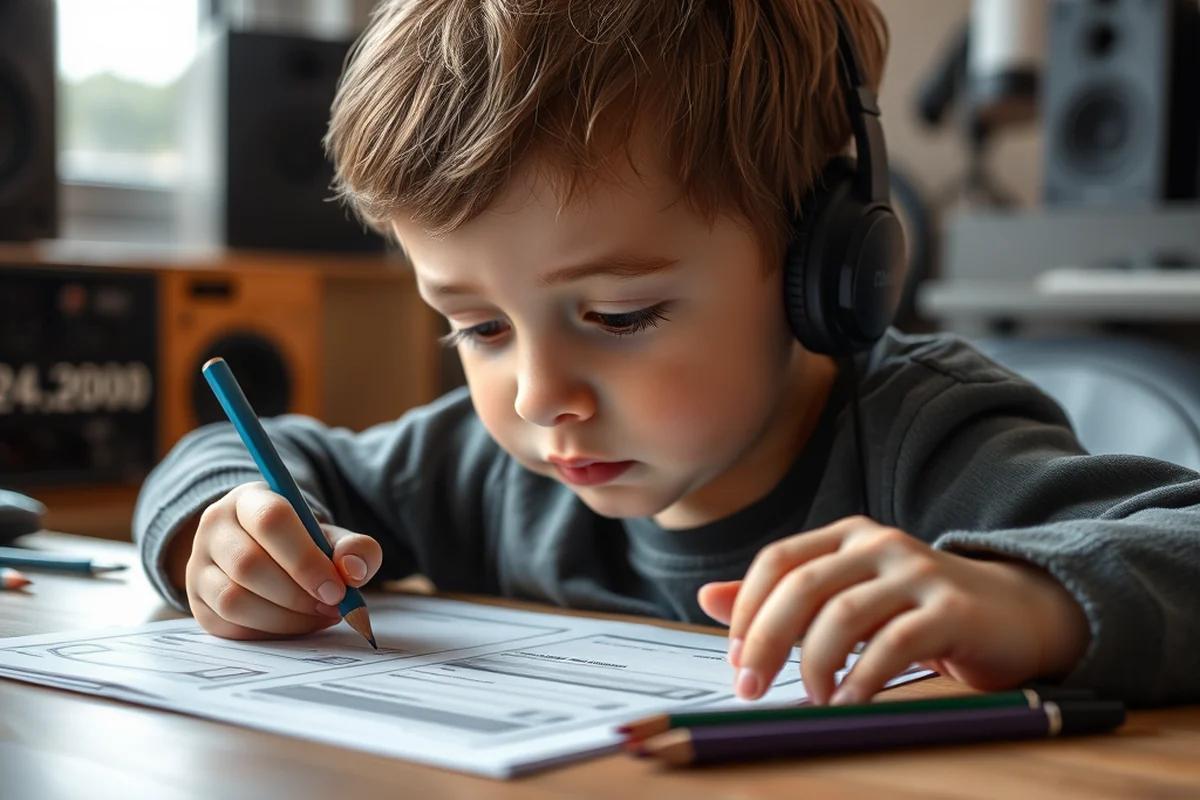
In education, music recording studios serve as hubs of creativity and learning. They provide students with hands-on experience in music production, engineering, and performance. I once worked with a group of students who used a school studio to record a full musical piece. It was the first time they’d seen their work come to life in such a professional way.
These studios help students understand the technical aspects of music, like mixing, mastering, and sound design. They also encourage collaboration, as students often work in teams to produce music. I remember one project where a group of kids composed a song together, and the studio allowed them to hear how their individual contributions came together in the final piece.
By using a music recording studio, educators can bridge the gap between theory and practice. It gives students a real-world context for their learning and makes music education more engaging and dynamic.
A music recording studio is a classroom where creativity meets technology.
Related: What is gospel music about
Inside a Music Recording Studio
Inside a music recording studio, you’ll find a variety of spaces designed for different purposes. The main recording room is where artists perform, often equipped with microphones and soundproofing. Then there are the control rooms, where producers and engineers mix the sound using a digital audio workstation (DAW).
I once had the chance to tour a studio and saw a control room with a massive mixing console, monitors, and a computer screen. It was impressive to see how much control the engineer had over the final sound. There was also a mastering room, where the final touches were made before the music was released.
These rooms are designed with acoustics in mind, ensuring that the sound is captured and played back accurately. The studio I visited had carpets, acoustic panels, and even a special type of flooring to minimize noise. It was clear how much thought had gone into every detail.
If you're setting up a recording space, focus on acoustics first. Even the best equipment won't perform well in a poorly treated room.
“There’s something magical about stepping into a music recording studio for the first time.”— Teaching Music to Homeschoolers editors
Related: Learn to play guitar
How Music Recording Studios Work
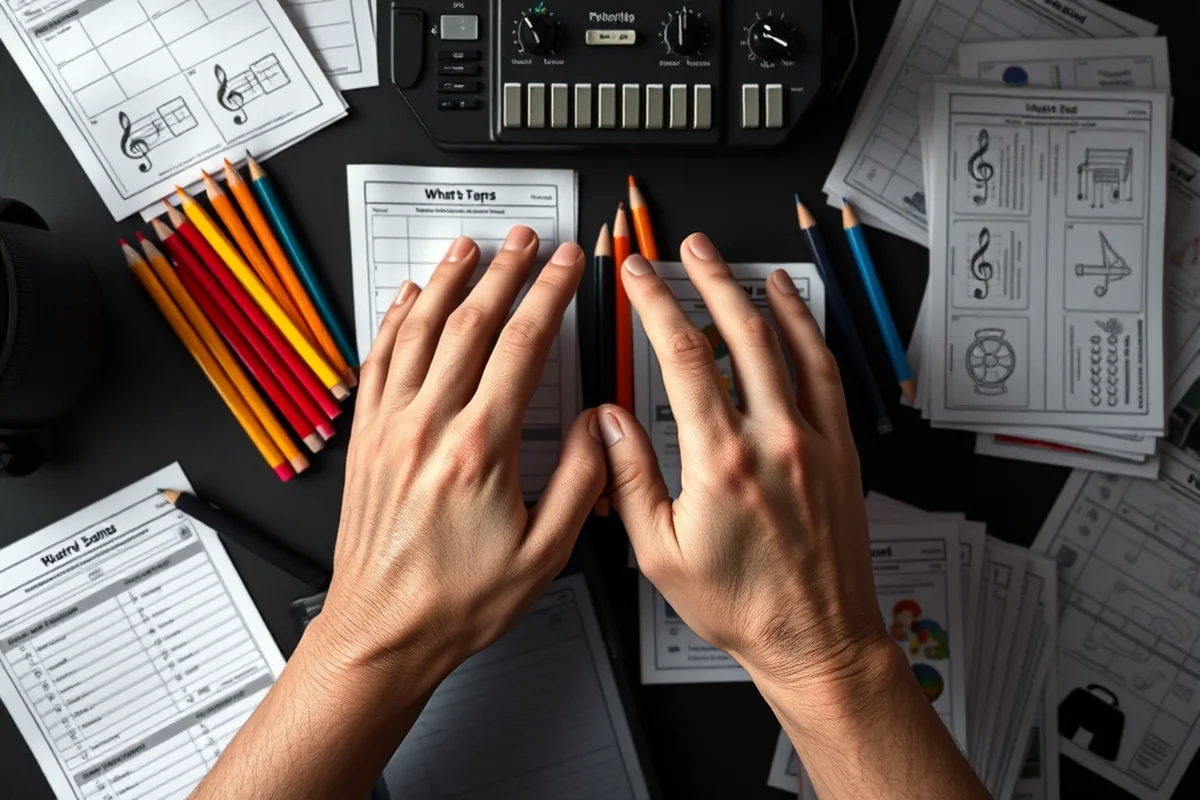
A music recording studio uses both hardware and software to create and edit music. The process starts with capturing sound using microphones and audio interfaces, which connect to a computer. From there, the sound is edited and mixed using digital audio workstations (DAWs) like Logic Pro or Ableton Live.
I remember watching a session where the producer used a DAW to layer multiple tracks, apply effects, and balance the levels. It was fascinating to see how different elements of the song were brought together. There were also plugins used to add reverb, compression, and other effects to enhance the sound.
The final step is mastering, where the track is polished for release. This is done in a mastering room with high-quality speakers and monitors. The goal is to ensure the music sounds consistent across all playback devices.
Related: Music education best colleges
The Benefits of Using a Music Recording Studio
One of the biggest benefits of using a music recording studio is the boost it gives to creativity. Students are able to experiment with different sounds, instruments, and styles in a safe environment. I once saw a student who had never played an instrument before compose and record a full song in just a few hours.
These studios also help students develop technical skills like mixing, mastering, and sound design. They learn how to use software and hardware, which are valuable skills in the music industry. I've met students who went on to become professional producers and engineers after working in a school studio.
Collaboration is another key benefit. Students often work in groups to create music, which teaches them how to communicate, listen, and compromise. I remember one project where a group of students composed a song together, and the final result was a testament to their teamwork and creativity.
Related: Why is music education important
The Future of Music Recording Studios in Education
As technology advances, music recording studios in education are becoming more accessible and integrated into school curricula. More schools are investing in studio spaces, and online platforms are making it easier for students to access recording tools from anywhere.
I've seen schools use music recording studios to create digital portfolios, where students can showcase their work to colleges and future employers. This is a powerful way to demonstrate creativity and technical skill. It’s also helping students who are interested in music production or engineering to explore their passions in a real-world setting.
Looking ahead, I believe we’ll see more student-led projects in music recording studios. Students will have more opportunities to create and release their own music, which can be a huge confidence booster. It’s an exciting time for music education.
The future of music education lies in the fusion of creativity and technology.
Related: What do music lessons cost
How to Get Started with a Music Recording Studio
If you're new to music recording studios, it's important to start with the basics. Understand the key equipment like microphones, audio interfaces, and speakers. I recommend beginning with a simple setup, such as a laptop, a microphone, and a pair of quality headphones.[1]
Next, learn the basics of digital audio workstations (DAWs). There are many free options like GarageBand and Audacity that are great for beginners. These tools allow you to record, edit, and mix music in a user-friendly interface.
Finally, focus on acoustics. Even the best equipment won't perform well in a poorly treated room. If you're setting up a small space, use acoustic panels and carpets to improve the sound. It's a small investment that can make a big difference.
🏠 Home Studio Setup
Create a simple recording space at home with a laptop, microphone, and headphones.
🎓 School Studio Experience
Use a school or community studio to explore professional recording techniques.
🌐 Virtual Studio Access
Access online platforms that offer virtual recording tools and collaboration features.
👥 Group Recording Project
Work with a group to compose and record a collaborative music piece.
🎧 Music Production Course
Enroll in a course that teaches the fundamentals of music recording and production.
| The mistake | Why it happens | The fix |
|---|---|---|
| Ignoring Acoustics | Poor acoustics can ruin the quality of a recording, even with high-end equipment. | Invest in acoustic panels, carpets, or other sound-absorbing materials to improve the room's acoustics. |
| Using Low-Quality Microphones | Low-quality microphones can result in poor sound capture and limit the overall quality of the recording. | Invest in a high-quality microphone that suits your needs, such as a condenser microphone for vocals and instruments. |
| Not Learning the Basics of DAWs | Not understanding how to use a DAW can lead to frustration and poor results. | Take time to learn the basics of your DAW through online tutorials or courses. |
| Overlooking the Importance of Headphones | Using low-quality or uncomfortable headphones can make it hard to hear the details in your recordings. | Invest in a pair of high-quality headphones that provide accurate sound reproduction. |
What Is A Music Recording Studio
Common Questions
What equipment do I need for a music recording studio?
Can I set up a music recording studio at home?
What are the benefits of using a music recording studio in education?
What are the different types of music recording studios?
References
- Book the Recording Studio at Your Library - Abilene, TX (abilenetx.gov)
- Technology, Culture, and the Art of Studio Recording from Edison to ... (academia.edu)
- Industries that Built America: Music Recording, September 2026 (advocacy.sba.gov)
- Facilities and Resources - College of Arts and Sciences (arts-sciences.buffalo.edu)
Cite this guide
Teaching Music to Homeschoolers (2026). What Is A Music Recording Studio. https://melodystart.com/what-is-a-music-recording-studio/
Feel free to cite or share this guide.
Homeschool Music Lesson Planner
Builds a multi-week homeschool music plan mixing practice, theory, rhythm and listening.
Open it free →