
What Is A Bar In Song

📖 Table of Contents
I remember the first time my daughter asked, 'What is a bar in song?' during a music class. She had just sat through a few minutes of a song and was pointing at the sheet music, confused by the lines and the numbers. It was a moment that made me realize how crucial it is to explain concepts like 'bars' in a way that's clear and engaging for young learners. A bar is a basic unit of musical structure, and understanding it is key to grasping rhythm, timing, and composition. Without this foundation, students can feel overwhelmed by the complexity of music, even if they are naturally talented.[1]
As a homeschooling parent and educator, I've spent countless hours working with kids of all ages to demystify music theory. One of the most common questions I hear is about 'what is a bar in song,' and I've learned that the answer needs to be both simple and precise. A bar is essentially a section of music that contains a specific number of beats, and it's marked by vertical lines on a musical score. This concept forms the backbone of any composition, from a simple lullaby to a complex symphony. Explaining it well can transform confusion into clarity, and that's what I aim to do here.[2]
To help make this concept tangible, I've developed activities that break down the idea of a bar into manageable, fun parts. Whether we're tapping out rhythms on a kitchen table or using printed sheets to sight-read, each activity brings the abstract idea of a bar to life. The goal is not just to define a bar, but to help students see its role in music and how it affects the way a song sounds and feels. That's why I'm sharing this guide in detail — so that you, as an educator, can give your students the tools they need to understand this fundamental building block of music.[3]
Why You'll Love This Guide to Understanding Bars in Songs
- A deeper grasp of rhythm and musical structure for students of all ages.
- Practical and engaging methods to teach the concept of a bar.
- Activities that make learning music theory fun and interactive.
- Clear explanations that help bridge the gap between theory and real-world application.
What Exactly Is a Bar in a Song?
As of November 2026, a bar is a fundamental unit of musical structure. It's like a small container for a specific number of beats, depending on the time signature. For example, in a 4/4 time signature, each bar contains four beats. This structure allows musicians to organize their playing, and it's essential for maintaining rhythm and timing. Understanding bars helps students see how music is broken into manageable parts, making it easier to learn and perform.[4]
When I first explained this to my daughter, I used a metronome and counted out loud as we tapped the beats. She quickly began to see how each bar acts as a small, self-contained unit of music. The vertical lines on the sheet music helped her visualize where each bar started and ended, giving her a concrete reference point.
Bars help musicians and composers organize the flow of a song. They provide a framework for timing and rhythm, and they're essential for reading sheet music. By breaking down a song into bars, students can focus on smaller sections, making it easier to learn and play complex pieces. This approach is especially helpful for beginners, as it prevents them from feeling overwhelmed by the entire composition at once.
Print out sheet music or use a whiteboard to draw bars and beats. Visualizing bars can help kids grasp the concept faster.
Part of our Music elementary guide.
Why Bars Are Important in Music
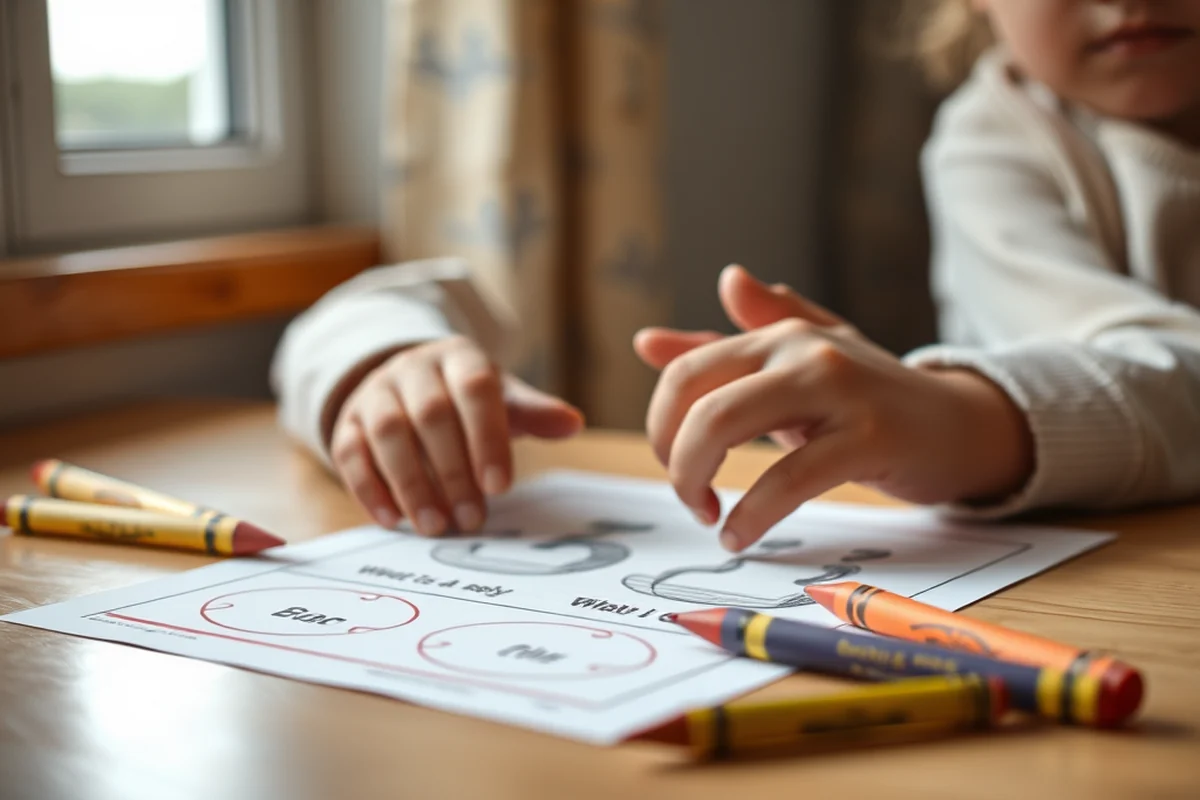
Bars are more than just lines on a page — they're the foundation of musical structure. They help musicians keep track of where they are in a piece of music and ensure that everyone playing together stays in sync. For students learning to read sheet music, bars provide a clear way to measure and understand the flow of a song.
In a group setting, such as a band or choir, bars are crucial for coordination. Each section of the song is divided into bars, and musicians can focus on their part within each bar. This allows for better timing and makes it easier to follow the overall structure of the piece.
Bars also help composers and songwriters structure their work. By dividing a song into sections, they can create variations, build tension, and resolve melodies in a way that's both musical and intentional. For students, learning how bars are used in composition can provide valuable insight into the creative process behind music.
Bars are the skeleton of a song — they give it structure, timing, and rhythm.
Related: What song finder
How Bars Work with Time Signatures
Time signatures dictate how many beats are in each bar and which note value gets one beat. For example, a 4/4 time signature means there are four beats in a bar, and a quarter note gets one beat. This simple concept helps students understand how to count beats and follow the rhythm of a song.
When we first introduced time signatures to my students, we used a metronome and counted aloud while tapping the beats. This helped them see how each bar corresponds to a specific number of beats. It also made it easier for them to understand how different time signatures affect the feel of a song.
Understanding time signatures and how they interact with bars is essential for reading and playing music. It allows students to approach sheet music with confidence and accuracy, making it easier to learn and perform complex pieces. This is a key skill that every aspiring musician should develop.
A metronome is an excellent tool for teaching students how bars and time signatures work. It helps them internalize the rhythm and stay in time.
“I remember the first time my daughter asked, 'What is a bar in song?' during a music class.”— Teaching Music to Homeschoolers editors
Related: Best music making app for free
Bars and Rhythm in Music

Rhythm is the backbone of music, and bars are the building blocks that help students grasp this concept. By breaking a song into bars, students can focus on counting beats and maintaining a steady rhythm. This structured approach makes it easier to learn and play music accurately.
When teaching rhythm, I've found that using physical movement helps students internalize the concept. We often tap our feet or clap our hands in time with the metronome, which reinforces the relationship between bars and rhythm. This hands-on approach makes learning more engaging and effective.
Bars also help students understand how different rhythms can be played within the same time frame. For example, a bar in 4/4 time can contain a mix of quarter, eighth, and sixteenth notes. This variety allows for complex rhythms and helps students develop their timing and coordination skills.
Related: Cloud on tilt remix
Bars in Song Composition
Composers use bars to organize the flow of a song, making it easier to structure the melody, harmony, and rhythm. Each bar can be used to introduce new ideas, build tension, or resolve a melody. This structured approach allows for a more cohesive and intentional composition.
In my experience teaching composition, I've found that using bars helps students understand how to develop a song over time. By breaking a piece into sections, they can focus on creating variations and building a narrative. This approach is especially helpful for younger students, as it provides a clear framework for their creative process.
Bars also help composers and songwriters maintain consistency in their work. By using a consistent number of beats per bar, they can ensure that the timing and rhythm of a piece remain intact throughout. This is essential for creating a song that feels structured and intentional.
Related: What ai music generator
Bars and Sheet Music
Sheet music is divided into bars, which are marked by vertical lines. These lines help musicians see where each section of the song begins and ends, making it easier to read and play. Understanding bars is a fundamental skill for anyone learning to read sheet music.
When I first started teaching my students to read sheet music, I used a combination of printed sheets and a whiteboard to draw out the bars. This visual approach helped them see how the music was structured and made it easier for them to follow along.
Bars also help musicians stay in sync with the rest of the ensemble. By using the same bar divisions, all players can stay in time and maintain the flow of the piece. This is especially important in group settings, where timing and coordination are essential.
Bars on sheet music are like road signs — they guide musicians where to go and what to do next.
Related: What is the happy song about
Bars and Musical Performance
During a live performance, bars serve as a reference point for musicians, helping them stay in time and follow the structure of the piece. Each bar is a small section of the song, and by focusing on each bar individually, musicians can maintain a steady rhythm and avoid mistakes.
In my experience teaching students to perform, I've found that practicing by bar is an effective way to build confidence. By breaking a piece into smaller sections, students can focus on one bar at a time, which helps them master the piece more efficiently.
Bars also help musicians stay in sync with the rest of the ensemble. Whether they're playing in a band or singing in a choir, bars provide a clear structure that helps everyone stay in time and maintain the flow of the piece. This is essential for creating a cohesive and well-rehearsed performance.
🎵 Younger Kids (Ages 3-6)
Use simple rhythms and clapping games to introduce bars in an age-appropriate way.
🎼 Older Kids (Ages 7-12)
Introduce time signatures and sheet music to deepen understanding of bars and rhythm.
⏱️ No-Prep Version
Use a metronome and body percussion to teach bars without any printed materials.
🧑🤝🧑 Group Version
Play rhythm games with a group to practice counting bars and staying in time.
🎹 Extension Activity
Use a keyboard or piano to play out bars and practice sight-reading.
| The mistake | Why it happens | The fix |
|---|---|---|
| Not using visual aids to explain bars. | Students can struggle to grasp the concept of a bar without visual or hands-on support. | Use printed sheet music, a whiteboard, or body percussion to help students visualize bars. |
| Ignoring time signatures when teaching bars. | Time signatures are essential for understanding how many beats are in each bar, and skipping this can lead to confusion. | Introduce time signatures early and use them consistently when teaching bars. |
| Focusing only on theory without practice. | Students need hands-on experience to fully understand the concept of a bar and how it works in music. | Incorporate practice activities like clapping, tapping, or playing an instrument to reinforce learning. |
| Teaching bars in isolation without connecting them to music. | Bars are part of a larger musical structure, and teaching them in isolation can make the concept feel disconnected from real music. |
What Is A Bar In Song
Common Questions
How do bars help in learning to read sheet music?
Can bars be different lengths in a song?
What is the role of a time signature in relation to bars?
How can I help my child understand the concept of a bar?
References
- American Rhythms - American English - U.S. Department of State (americanenglish.state.gov)
- Eduardo "Lalo" Guerrero | National Endowment for the Arts (arts.gov)
- Anatomy of a Classic Song - Berklee College of Music (berklee.edu)
- Bar & Measure | Music Copyright Infringement Resource - Blogs GWU (blogs.law.gwu.edu)
Cite this guide
Teaching Music to Homeschoolers (2026). What Is A Bar In Song. https://melodystart.com/what-is-a-bar-in-song/
Feel free to cite or share this guide.
Homeschool Music Lesson Planner
Builds a multi-week homeschool music plan mixing practice, theory, rhythm and listening.
Open it free →