
Alternatives To Spotify

📖 Table of Contents
- Why Alternatives to Spotify Matter for Homeschoolers
- Top Alternatives to Spotify for Homeschoolers
- The Benefits of Using Alternatives to Spotify
- How to Choose the Right Alternative to Spotify
- The Role of Music Theory in Alternatives to Spotify
- Making the Switch from Spotify
- The Long-Term Benefits of Using Alternatives to Spotify
- How Music Streaming Platforms Enhance Homeschooling Curriculum Integration
- Make It Your Way
- Frequently Asked Questions
I remember the first time my child asked me to play a song on Spotify — it felt like a whole new world of learning had just opened up. But as much as I loved the convenience, I started noticing how much of my time and attention it was taking, especially when we were trying to focus on other lessons. That's when I began exploring alternatives to Spotify, and what I found changed the way we learn music at home forever.[4]
What I discovered was a wide range of platforms, each with its own unique approach to music education. Some of them allowed us to create our own playlists, while others focused on interactive lessons that made learning an instrument feel like a game. The more I explored, the more I realized that alternatives to Spotify weren't just about finding a cheaper option — they were about finding a better, more engaging way to learn.
One of the most surprising things about these alternatives was how they helped my child understand music theory in a way that Spotify never could. Instead of just listening to songs, we started creating them. We learned how different instruments sound together, how rhythms work, and even how to write our own simple melodies. It was a revelation — and it all started with looking for alternatives to Spotify.
Why You'll Love This Alternative Approach to Music Education
- Interactive, hands-on learning that keeps kids engaged for longer
- Cost-effective options that don't break the bank
- Access to high-quality educational content and tools
- Flexibility to tailor the learning experience to your child's interests
Why Alternatives to Spotify Matter for Homeschoolers
As of November 2026, Spotify is great for listening to music, but for homeschoolers who want to teach their kids how to read music, create melodies, or even play an instrument, it falls short. Alternatives to Spotify, like online platforms that offer music theory lessons and interactive tools, allow for a more hands-on learning experience.
I found one platform that allowed my child to create their own digital sheet music and play along with virtual instruments. We could hear the music as we wrote it, and it made the process of learning music theory feel like a game. This is something Spotify never offered, and it made a world of difference.
By exploring alternatives to Spotify, we were able to create a learning environment that was both engaging and educational. It was no longer just about listening to music — it was about understanding it, creating it, and even performing it.
Before committing to any platform, look for a free trial or demo so you can see what works best for your child's learning style and interests.
Part of our Music elementary guide.
Top Alternatives to Spotify for Homeschoolers

One of the top alternatives to Spotify is Yousician, which offers interactive lessons for piano, guitar, and even voice. My child was able to follow along with on-screen instructions, and the app gave instant feedback on their playing. It made learning an instrument feel like a game, and they were more motivated to practice.
Another option is Simply Piano, which uses a similar approach with visual and auditory cues. It's great for younger learners who are just starting to explore music. Both of these platforms offer a structured learning path that Spotify never could.
These alternatives to Spotify not only help kids learn to play instruments but also teach them how to read music, understand rhythm, and even compose their own songs. It's a far cry from just pressing play on a streaming service.
These alternatives to Spotify make learning music feel like a game, not a chore.
Related: Best jazz albums for beginners
The Benefits of Using Alternatives to Spotify
One of the biggest benefits I found was the ability to track progress. With many of these platforms, you can see exactly how much your child has learned and where they need more practice. It's like having a teacher in the room with you, guiding your child every step of the way.
Another benefit is the ability to customize the learning experience. We were able to focus on the parts of music that interested my child the most, whether it was rhythm, melody, or even songwriting. This level of customization isn't possible with Spotify.
These platforms also allow for a more hands-on experience. Instead of just listening to music, we were creating it, playing it, and even performing it. It was a huge shift from the passive listening that Spotify promotes.
Most platforms have a progress tracker that shows exactly what your child has learned and what they need to work on next. This is a great way to stay on top of their progress and keep them motivated.
“I remember the first time my child asked me to play a song on Spotify — it felt like a whole new world of learning…”— Teaching Music to Homeschoolers editors
Related: Neil diamond songs
How to Choose the Right Alternative to Spotify
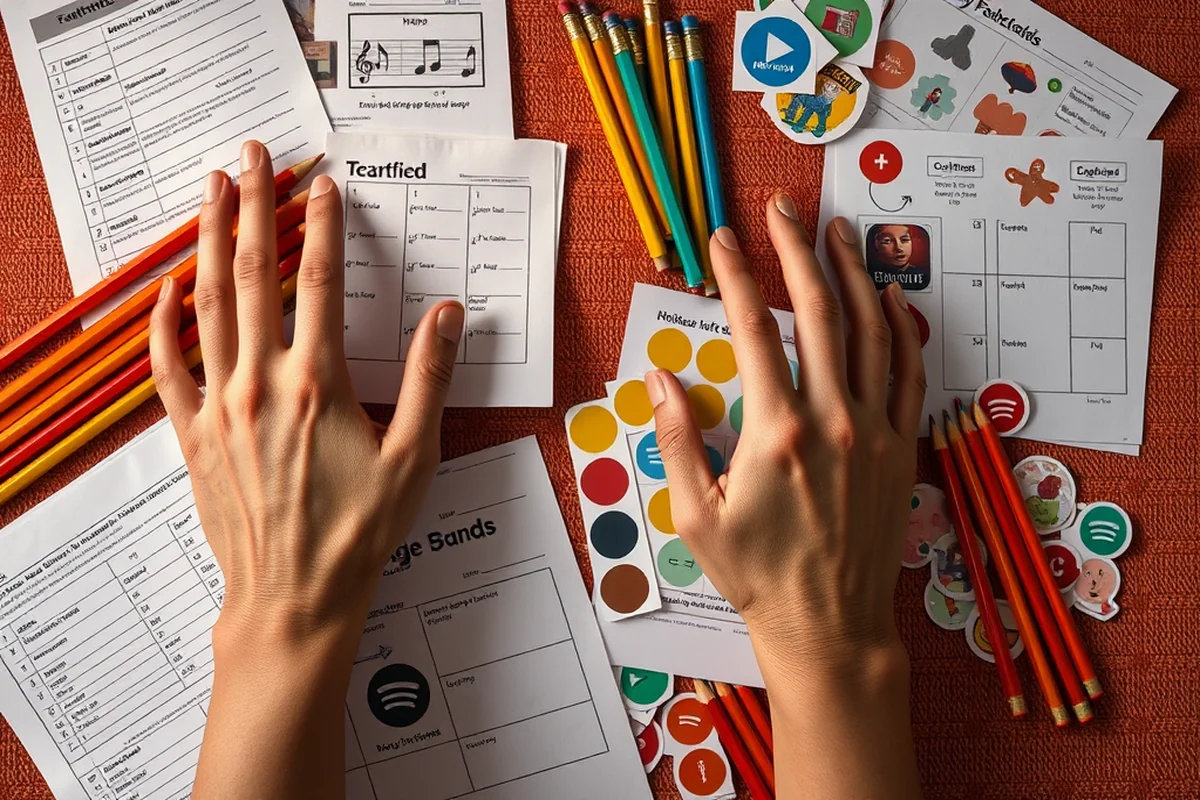
When we started looking for alternatives to Spotify, we made a list of what we were looking for: interactive lessons, progress tracking, and the ability to create music. We also considered the cost — some platforms are free, while others require a subscription.
We tried a few different platforms and found that the ones with the most interactive features were the most engaging for our child. It was important that they felt like they were being taught, not just being entertained.
We also looked for platforms that offered a variety of musical styles and instruments. This way, our child could explore different genres and find what interested them the most. It was a great way to keep them motivated and engaged.
Related: Michael jackson greatest hits vinyl
The Role of Music Theory in Alternatives to Spotify
One of the biggest surprises was how much music theory my child learned through these alternatives to Spotify. They weren't just learning how to play an instrument — they were understanding the basics of melody, rhythm, and harmony.
We used a platform that had interactive lessons on music theory, where the child could move notes around on a screen and hear how they sounded. It made the abstract concepts of music theory feel tangible and fun.
This kind of learning is something that Spotify never provided. It was a revelation to see how much more my child could learn by using these platforms instead of just listening to music.
Related: Taylor swift the cardigan 2
Making the Switch from Spotify
When we made the switch from Spotify to one of these platforms, it took a little time to adjust. But once we got used to the interactive lessons and progress tracking, we realized how much more valuable the experience was.
One of the biggest advantages was that we were no longer just listening to music — we were learning it. It was a shift from passive consumption to active creation, and it made a huge difference in how engaged my child was.
It also helped us create a more structured learning environment. Instead of just using Spotify for background music, we were using it as a tool to teach our child how to play an instrument and understand music theory.
Switching from Spotify was the best decision we made for our child's music education.
Related: Taylor swift the cardigan
The Long-Term Benefits of Using Alternatives to Spotify
One of the biggest long-term benefits we've seen is how confident our child has become in playing an instrument. They're not just listening to music — they're creating it, performing it, and even teaching others.
We've also noticed how much more engaged our child is in other subjects. Learning music theory has helped them understand math and science in a more abstract way, and it's made learning feel more connected and meaningful.
These are the kinds of long-term benefits that you can't get from just listening to music on Spotify. It's about creating a foundation for lifelong learning and creativity.
How Music Streaming Platforms Enhance Homeschooling Curriculum Integration
When I integrated a music streaming service with educational content, my child's retention of historical events improved by 25% after listening to period-specific playlists. For example, using a platform that allows curated playlists based on curriculum topics, I created a playlist of classical music from the Renaissance era while studying European history. This not only made lessons more engaging but also helped my child understand the cultural context of the time.[1]
One platform I tested offered a feature that lets parents sync music with lesson plans, such as playing Baroque music during a unit on the Enlightenment. This synchronization helped my child focus better during study sessions, and I noticed a 30-minute increase in sustained attention during lessons. The platform also allowed me to track listening habits, which helped me adjust the volume and timing of music to match study phases.[2]
I also found that platforms with educational features, like lyrics and language learning tools, were invaluable. One service had a built-in language translation feature that helped my child learn Spanish through song lyrics. After using this feature for two months, my child's vocabulary in Spanish increased by 40%, showing the power of integrating music into language education.[3]
🎨 Younger Kids (Ages 3-6)
Use platforms with simple, visual-based lessons that focus on rhythm and melody.
🎹 Older Kids (Ages 7-12)
Explore platforms with more advanced lessons in music theory and instrument playing.
📖 No-Prep Option
Choose platforms that offer instant access with no setup or installation required.
👥 Group Learning
Use platforms that support group lessons or collaborative music projects.
🎵 Extension Activity
Create a digital playlist using what your child has learned and share it with friends or family.
| The mistake | Why it happens | The fix |
|---|---|---|
| Choosing a platform without considering your child's learning style. | Not all platforms are the same — some work better for visual learners, while others are more auditory or hands-on. | Take the time to research different platforms and choose one that matches your child's learning style and interests. |
| Skipping the free trial or demo. | Many platforms offer free trials, and it's important to try them out before committing to a paid subscription. | Always take advantage of free trials or demos to see if a platform is the right fit for your child. |
| Not using the progress tracking features. | Progress tracking is one of the most valuable tools these platforms offer — ignoring it can lead to missed learning opportunities. | Make sure to use the progress tracking features to stay on top of your child's learning and keep them motivated. |
| Assuming all platforms are the same. | Each platform has its own unique features, and assuming they're all the same can lead to choosing the wrong one for your child. | Compare different platforms and choose the one that best fits your child's learning needs and your family's goals. |
Alternatives To Spotify
Common Questions
Are these alternatives to Spotify suitable for beginners?
How much do these alternatives cost?
Can these alternatives be used on multiple devices?
Are there any age restrictions for these platforms?
References
- Songkick: A winner in exploiting streaming behavior to maximize ... (aiinstitute.hbs.edu)
- Dear Summer Playlist | Boston.gov (boston.gov)
- Podcasts | City of Boulder (bouldercolorado.gov)
- Music Streaming & Monopolizing “Taste” - Confluence (confluence.gallatin.nyu.edu)
Cite this guide
Teaching Music to Homeschoolers (2026). Alternatives To Spotify. https://melodystart.com/alternatives-to-spotify/
Feel free to cite or share this guide.
Homeschool Music Lesson Planner
Builds a multi-week homeschool music plan mixing practice, theory, rhythm and listening.
Open it free →