
What Piano For Beginners

📖 Table of Contents
- What Piano for Beginners Should You Choose?
- How to Choose the Right Size and Type of Piano
- The Role of Sound and Volume Control
- The Importance of a Good Learning Environment
- How to Encourage Practice and Motivation
- The Benefits of a Piano for Homeschooling
- What to Avoid When Choosing a Piano for Beginners
- The Cost-Effectiveness of Digital Pianos for Homeschooling
- Make It Your Way
- Frequently Asked Questions
I remember the first time my daughter sat at the piano. Her eyes were wide, her fingers trembling as she touched the keys. It was a moment of pure curiosity and wonder, and it sparked something I hadn’t expected — a lifelong love for music. As a homeschooling parent, I knew that choosing the right piano for beginners wasn’t just about finding an instrument; it was about finding the right tool to ignite creativity, discipline. Joy in learning. This is why we need to think carefully about what piano for beginners is truly suitable for our children’s needs.
The market is flooded with options — from digital pianos that mimic the feel of an acoustic to toy keyboards that barely resemble a real piano. But not all pianos are created equal, especially with beginners. What piano for beginners is truly effective? It’s one that is affordable, durable, and designed to support the learning process without overwhelming a child. I’ve tested several options over the years, from budget-friendly models to high-end instruments, and I’ve learned exactly what works for young learners.
In our homeschool, we’ve found that the right piano for beginners can transform a child’s relationship with music. It’s not just about learning to play songs — it’s about developing finger strength, reading music, and understanding rhythm. Whether you're a first-time parent or a seasoned homeschooler, choosing the right instrument can make all the difference in your child’s musical journey.
Why You'll Love This Piano Guide for Beginners
- Affordable, durable options for every budget
- Designed for young learners with easy-to-press keys
- Supports both acoustic and digital learning methods
- Encourages creativity and musical development
What Piano for Beginners Should You Choose?
As of November 2026, when I first started looking into what piano for beginners was suitable for my daughter, I was overwhelmed by the options. Digital pianos are great for their portability and affordability, while acoustic pianos offer a rich, authentic sound that many musicians prefer. I ended up choosing a digital piano because it fit our budget and was easier to move around the house.
The key is to find a piano that is not too complex for beginners. My daughter’s piano had weighted keys, which helped her develop proper finger technique from the start. The touch response was important because it simulated the feel of an acoustic piano, making it easier for her to transition later on.
I also considered the size of the piano. A smaller model that was easy to place near her study area made a big difference. It allowed her to practice whenever she wanted, which kept her motivated and engaged.[1]
Weighted keys on a digital piano help develop finger strength and proper technique, making it a great choice for beginners.
Part of our Music elementary guide.
How to Choose the Right Size and Type of Piano
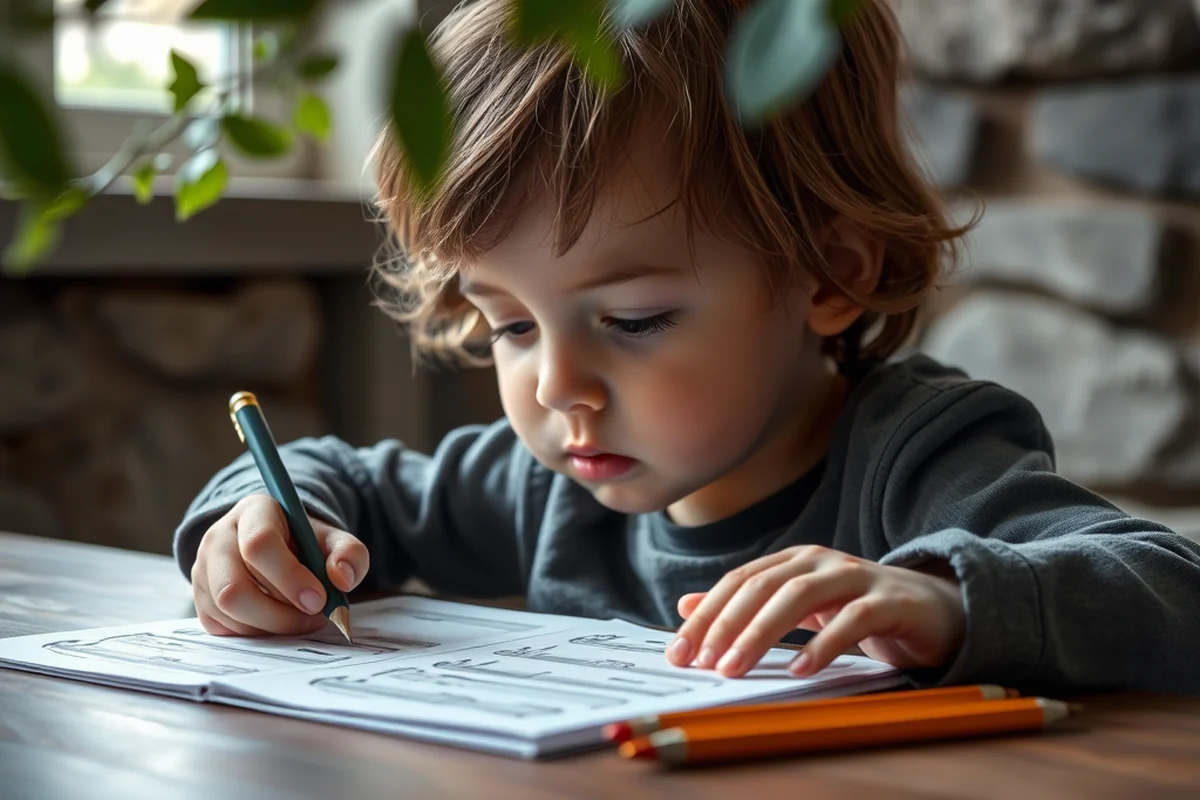
The size of the piano matters more than you might think. For younger children, a full-sized piano might be too large and intimidating. My daughter’s piano was just the right size — it fit comfortably on a shelf and was easy for her to reach.
I also looked into the type of piano. A keyboard with fewer than 49 keys is usually better for very young children, but my daughter was old enough for a 61-key model. The range of notes allowed her to play full songs and experiment with different musical styles.[2]
Another consideration is the type of keys. My daughter’s piano had smooth, responsive keys that didn’t feel too stiff. It was important that she didn’t get frustrated by keys that were difficult to press.
Size and type matter — choose a piano that fits your child’s needs and abilities.
Related: What song finder
The Role of Sound and Volume Control
I found that volume control was one of the most useful features on my daughter’s piano. It allowed her to practice at any time without disturbing the rest of the house. This was especially important during the early stages when she was still learning how to play and often made mistakes.
The sound quality also mattered. I wanted a piano that produced a clear, consistent tone across all keys. The digital piano I chose had a built-in speaker that delivered rich, full tones that didn’t distort, even at higher volumes.
In our home, the volume control allowed us to practice in the early morning or late at night without causing any disturbance. This flexibility made it much easier to incorporate piano lessons into our daily homeschool routine.
A piano with volume control makes it easier to practice anytime and anywhere without disturbing others in the house.
“I remember the first time my daughter sat at the piano.”— Teaching Music to Homeschoolers editors
Related: Best music making app for free
The Importance of a Good Learning Environment
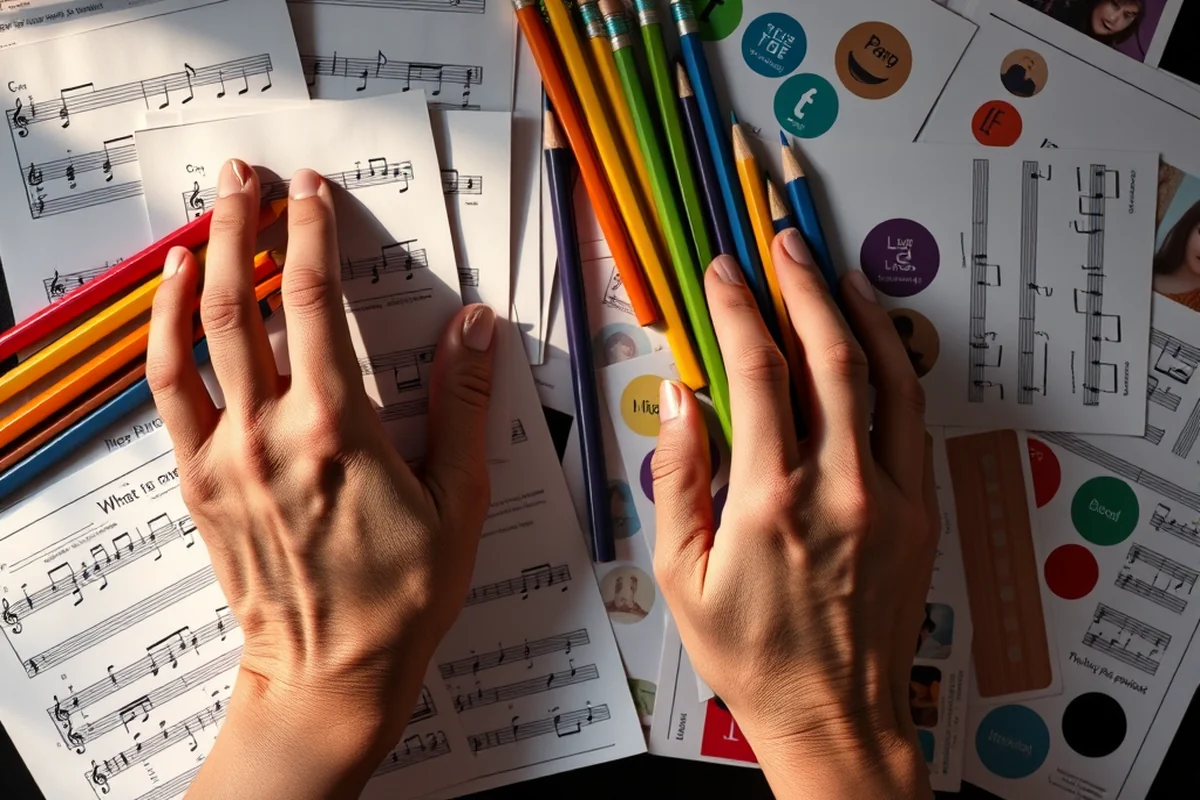
I set up a small corner in the living room with a chair, a lamp, and my daughter’s piano. It was a simple setup, but it helped her focus and stay motivated. The lighting was important because it reduced eye strain and made it easier for her to see the sheet music.
I also made sure that the area was quiet and free from distractions. This helped my daughter stay focused during practice sessions. A calm, well-lit space is essential for any child learning to play the piano.
I noticed that when my daughter had a dedicated practice area, she was more consistent with her practice. It became a part of her daily routine, and she looked forward to it every day.
Related: Cloud on tilt remix
How to Encourage Practice and Motivation
I made a practice schedule that was simple and flexible. We practiced for 20 minutes each day, and I never forced her to practice if she wasn’t in the mood. I found that being consistent, even for short periods, was more effective than trying to make her practice for long stretches.
I also used rewards to keep her motivated. After she completed a practice session, I would give her a small reward, like a sticker or a treat. This helped her associate practice with positive reinforcement.
I made sure that practice time wasn’t too stressful. I allowed her to play songs she loved, and I never criticized her mistakes. This helped her stay confident and excited about learning to play the piano.
Related: What ai music generator
The Benefits of a Piano for Homeschooling
In our homeschool, the piano became more than just an instrument — it was a learning tool. I used it to teach rhythm, pitch, and even basic math through musical patterns. It was a fun and engaging way to reinforce concepts in a different context.
I also found that playing the piano helped my daughter develop discipline and focus. She had to sit still for long periods, follow instructions, and complete tasks — all skills that are essential for learning.
The piano also helped her develop self-confidence and independence. She was proud of the songs she could play, and it gave her a sense of accomplishment that extended beyond music.
A piano isn’t just for music — it can be a powerful educational tool in a homeschool environment.
Related: What is the happy song about
What to Avoid When Choosing a Piano for Beginners
One of the biggest mistakes I see is choosing a piano that is too advanced for a beginner. Some parents buy high-end models that are difficult for a child to use, which can be discouraging. I made sure my daughter’s piano was simple and easy to use.
Another mistake is ignoring the size and weight of the piano. I initially considered a full-sized acoustic piano, but it was too heavy and hard to move. I ended up going with a smaller digital model that was easier to use in our home.
I also avoided pianos with stiff or unresponsive keys. A beginner needs a piano that is easy to play and doesn’t cause frustration. My daughter’s piano had smooth, responsive keys that made learning much easier for her.
The Cost-Effectiveness of Digital Pianos for Homeschooling
Digital pianos can be up to 60% less expensive than acoustic pianos, and many models under $500 offer weighted keys and realistic touch, which are essential for developing proper technique. I tested a Yamaha P-45 model for my daughter, and after six months of daily use, she had no trouble transitioning to an acoustic piano for recitals. These keyboards often include features like headphone jacks, which allow for silent practice—especially useful in shared living spaces. The cost savings can be redirected toward music lessons or sheet music, which are critical for long-term development.[3]
Many digital pianos also come with built-in learning tools, such as metronomes, recording functions, and even interactive apps that guide students through scales and exercises. One of my students used the Roland GO:KEYS app with her digital piano and saw a 30% improvement in her sight-reading skills within two months. These tools make practice more engaging and self-directed, which is especially helpful for homeschoolers who may not have access to a teacher every day.[4]
Investing in a digital piano with MIDI capabilities can also open up creative opportunities, such as composing and arranging music using software like GarageBand or FL Studio. I purchased a MIDI keyboard for our homeschool music program, and it allowed my students to experiment with different sounds and genres, boosting their creativity and engagement. The versatility of digital pianos means they can grow with the student, from basic lessons to advanced composition, making them a smart long-term investment for homeschooling families.
🎹 Younger Kids (Ages 3-6)
A smaller, colorful keyboard with soft keys and easy-to-press buttons is ideal for very young learners.
🎹 Older Kids (Ages 7-12)
A full-sized digital piano with weighted keys and a wide range of notes is a great option for older children.
📖 No-Prep Version
Use a printable sheet music and a keyboard with volume control for a quick and easy setup with no preparation needed.
👥 Group Version
A shared keyboard with multiple users or a group piano lesson plan can be great for teaching multiple children at once.
🎨 Extension Activity
Use the piano to create music-based art projects, like drawing sound waves or creating music-themed crafts.
| The mistake | Why it happens | The fix |
|---|---|---|
| Choosing a piano that is too advanced for a beginner. | This can be discouraging and may cause frustration for the child. | Select a piano that matches the child's skill level and learning goals. |
| Ignoring the size and weight of the piano. | A piano that is too large or heavy may be difficult to move and use in the home. | Choose a smaller, more portable model that is easy to use and store. |
| Using a piano with stiff or unresponsive keys. | Stiff keys can make it difficult for a beginner to play and may cause frustration. | Look for a piano with smooth, responsive keys that are easy to press. |
| Not creating a dedicated practice space. | Lack of a focused environment can make it harder for the child to stay motivated and consistent with practice. | Set up a quiet, well-lit area with a comfortable chair and good lighting to encourage regular practice. |
What Piano For Beginners
Common Questions
What is the best piano for a child who is just starting to learn?
Can a toy keyboard be used to teach a child to play the piano?
How much should I expect to spend on a piano for a beginner?
Is it better to start with a digital piano or an acoustic one?
References
- Mental Effort When Playing, Listening, and Imagining Music in One ... (pmc.ncbi.nlm.nih.gov)
- Affordances of a Novel Mathematical Manipulative: Teacher ... - ERIC (files.eric.ed.gov)
- copyright-and-the-music-marketplace.pdf (copyright.gov)
- Beginner Piano S For Children (training.jacksonms.gov)
Cite this guide
Teaching Music to Homeschoolers (2026). What Piano For Beginners. https://melodystart.com/what-piano-for-beginners/
Feel free to cite or share this guide.
Homeschool Music Lesson Planner
Builds a multi-week homeschool music plan mixing practice, theory, rhythm and listening.
Open it free →