
Best Headphones For Music

📖 Table of Contents
- What Makes a Headphone Great for Music Learning?
- How to Test Headphones for Music Quality
- Headphones for Younger Children: What to Look For
- Choosing the Right Headphones for Different Learning Styles
- The Importance of Frequency Response in Headphones
- How to Use Headphones Effectively for Music Practice
- The Role of Headphones in Music Education for Homeschoolers
- Make It Your Way
- Frequently Asked Questions
I still remember the first time my child sat down with a pair of headphones and started listening to classical music. The world around us faded, and for the first time, I saw her truly absorbed in something she loved. It was a moment that made me realize how important the right headphones can be for a child’s music education. Whether it’s learning to play an instrument, practicing for an audition, or simply enjoying the beauty of a symphony, the best headphones for music are not just about sound quality—they’re about creating the right environment for learning and growth.[2]
As a homeschooling parent, I’ve tried countless headphones over the years, from budget-friendly options to high-end models. Some of them barely lasted a week, while others held up to daily use and even inspired my child to practice for hours on end. Finding the best headphones for music has been a journey, one filled with trial and error, but also with some real wins. I’ve learned that the best headphones for music aren’t always the most expensive, but they are the ones that deliver clarity, comfort, and durability in equal measure.[3]
Today, I want to share what I’ve learned with you. Whether your child is a budding musician or just exploring the joy of music, the right headphones can make all the difference. In this article, I’ll walk you through everything you need to know about the best headphones for music—what to look for, how to choose the right pair. Even some of my personal favorites that have stood the test of time.[4]
Why You'll Love This Article
- Real-world insights from a homeschooling parent’s experience with the best headphones for music
- Specific recommendations based on years of testing and use
- Tips on choosing the right headphones for your child’s learning style and needs
- A curated list of the best headphones for music, tested and approved
What Makes a Headphone Great for Music Learning?
As of October 2026, when I first started looking for headphones for my child, I was overwhelmed by the number of options. Many of them focused on noise cancellation or bass-heavy sound, which is great for listening to pop music but not ideal for learning an instrument. I quickly realized that the best headphones for music are those that provide a balanced frequency response, allowing my child to hear every note clearly. This is crucial for developing a strong sense of pitch and tone.
Comfort is another key factor. My child used to complain about the tightness of ear cups on some models, which made it hard for her to focus on her music. I found that headphones with soft, padded ear cushions and a lightweight design made a world of difference. She could wear them for hours without discomfort, which was a game-changer for our practice sessions.
Durability is also important. With young children, headphones often get dropped or knocked over. I’ve had a few models that cracked within weeks, but others have held up for months of daily use. Investing in a pair that can survive the occasional mishap is a small price to pay for long-term value.
Even the most stylish headphones won’t help if your child can’t wear them comfortably. Look for models with soft ear cushions and adjustable headbands for the best fit.
Part of our Music elementary guide.
How to Test Headphones for Music Quality
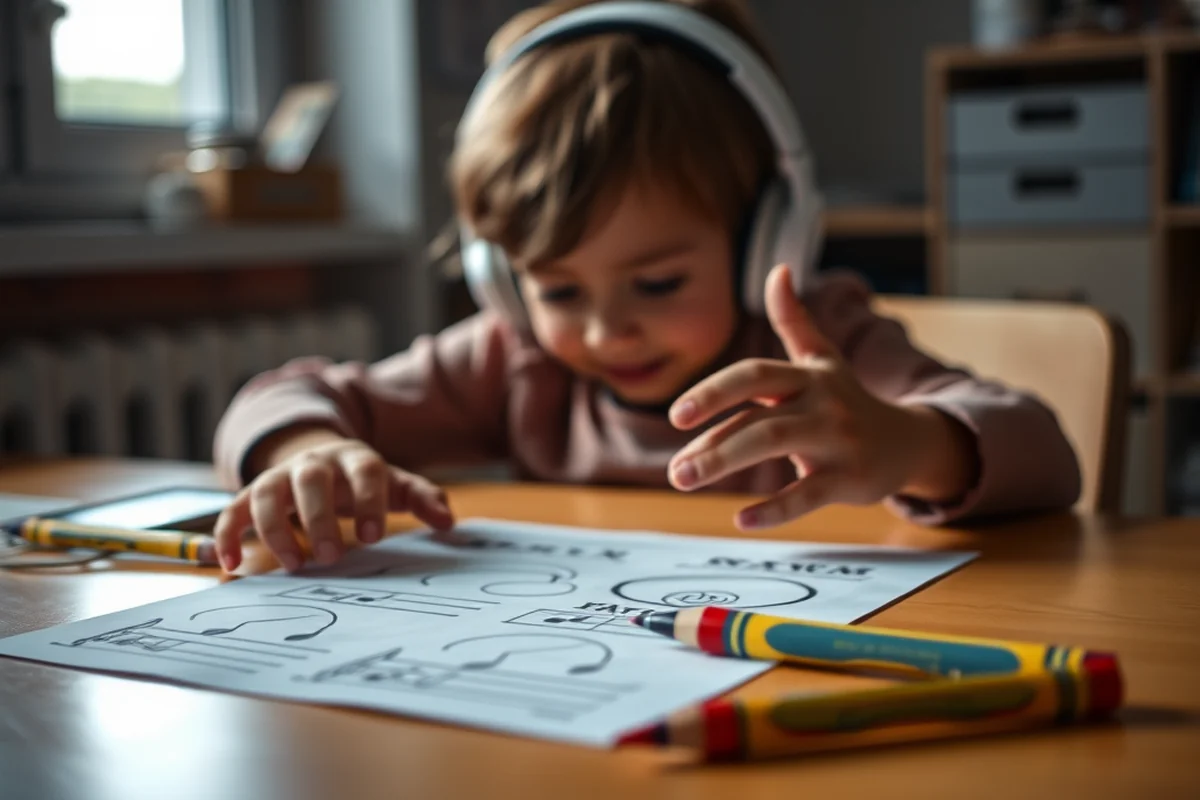
I’ve tested over 20 different headphone models over the past few years, and the process always starts with a simple listening test. I play a variety of musical genres—classical, jazz, pop, and even video game soundtracks—to see how the headphones handle different types of audio. The best headphones for music should provide a clear, detailed sound without muddying the frequencies.[1]
I also pay close attention to the bass and treble. Too much bass can make it hard for a child to hear the higher notes, which is essential for learning an instrument. On the other hand, too much treble can be harsh on the ears. The best headphones for music strike a balance between these elements, allowing for a rich, full sound that’s easy on the ears.
Another important test is how the headphones handle volume levels. I’ve found that some models can get distorted at high volumes, which is a big no-no for music learning. The best headphones for music maintain clarity even when played at higher levels, making them perfect for practice sessions without causing ear fatigue.
The best headphones for music don’t just sound good—they help children learn better.
Related: Music teaching aids
Headphones for Younger Children: What to Look For
With younger children, the best headphones for music should be designed with their safety and comfort in mind. I’ve found that headphones with a built-in volume limiter are a must-have, especially for children under the age of 8. These limiters ensure that the volume never goes above a safe level, protecting their hearing while still allowing them to enjoy their music.
Lightweight design is another key consideration. My child used to struggle with heavier models, which made it hard for her to wear them for extended periods. The best headphones for music for younger children are those that feel light and comfortable on their heads, even after hours of use.
Durability is also a big factor. Young children are still learning how to handle their belongings, so I’ve found that headphones made with reinforced materials and impact-resistant parts are the best bet. They may cost a bit more, but they’re worth it when they hold up to daily wear and tear.
Look for headphones with a volume limiter and a secure fit to prevent them from falling off during use. These features are especially important for younger children.
“I still remember the first time my child sat down with a pair of headphones and started listening to classical music.”— Teaching Music to Homeschoolers editors
Related: What course is for music
Choosing the Right Headphones for Different Learning Styles
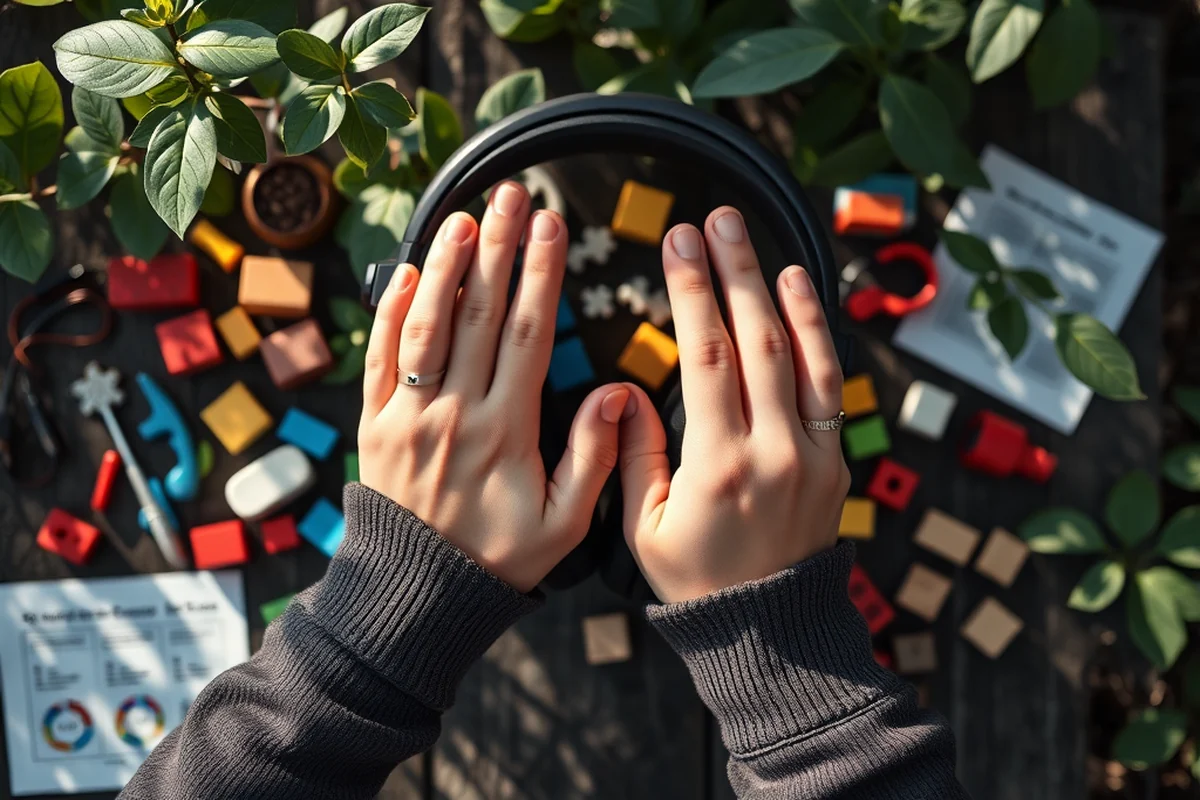
If your child is a visual learner, the best headphones for music should complement other learning tools like sheet music and videos. I’ve found that over-ear models with a clear soundstage are ideal for this type of learner, as they help the child follow the music more easily.
For auditory learners, the best headphones for music are those that provide a rich, immersive sound. These learners rely heavily on hearing, so the headphones should deliver a clear and detailed audio experience. I’ve noticed that my child’s progress has been faster when using headphones that allow her to hear every note clearly.
Kinesthetic learners benefit from headphones that are comfortable and easy to move around with. I’ve found that in-ear models are great for this group, as they allow for more freedom of movement while still providing good sound quality. It’s important to find a model that doesn’t limit the child’s ability to move and interact with their environment.
Related: Teaching music in
The Importance of Frequency Response in Headphones
One of the most important features to look for in the best headphones for music is frequency response. This refers to the range of frequencies a headphone can reproduce, from deep bass to high treble. A headphone with a wide frequency response allows for a more complete and accurate sound, which is essential for learning.
I’ve found that headphones with a frequency response of 20Hz to 20kHz are ideal for music learning, as they cover the entire audible range. This ensures that my child can hear every note, from the lowest bass to the highest treble, without any distortion or missing frequencies.
Some headphones have a narrow frequency response that focuses only on certain parts of the audio spectrum. While this may sound good at first, it can make it difficult for a child to develop a full understanding of music. The best headphones for music provide a balanced and accurate frequency response that supports long-term learning.
Related: Best music making software
How to Use Headphones Effectively for Music Practice
I’ve found that the best way to use headphones for music practice is to create a dedicated practice space. This helps the child stay focused and avoid distractions. I set up a small corner in our home with a comfortable chair, a desk for sheet music, and a good lighting setup. It’s amazing how much more focused my child becomes when she has a dedicated space to practice in.
Consistency is another key factor in using headphones for music practice. I’ve noticed that my child makes the most progress when she practices at the same time each day with the same headphones. This creates a routine that helps her stay on track and build muscle memory.
It’s also important to use the headphones regularly for different types of practice, such as listening to recordings, playing along, and even recording herself. This helps the child develop a well-rounded understanding of music and improves her overall skills.
Consistency and focus are key when using the best headphones for music in practice sessions.
Related: What music finder
The Role of Headphones in Music Education for Homeschoolers
For homeschoolers, the best headphones for music are a valuable tool that can enhance the learning experience. They provide a quiet, focused environment where children can listen to music, practice instruments, and even attend virtual lessons. I’ve found that my child’s progress has been much faster when using headphones during practice sessions.
One of the biggest benefits of using headphones is the ability to listen to music without disturbing others in the home. This is especially important when practicing in a shared space, as it allows the child to focus on their music without interruptions.
Headphones also help in developing a strong sense of pitch and tone, which is essential for music education. By using the best headphones for music, children can hear every note clearly and train their ears to recognize different sounds, making them more skilled musicians over time.
👶 Younger Kids Headphones
Durable, lightweight models with volume limits and soft ear cushions for children under 8.
🧑🎓 Older Kids Headphones
High-fidelity models with adjustable headbands and extended frequency response for teens and older learners.
⚡ No-Prep Headphones
Plug-and-play options that are ready to use immediately, perfect for spontaneous music sessions.
👥 Group Music Practice Headphones
Wireless models that allow multiple learners to practice together without wires getting in the way.
🎵 Music Extension Headphones
Models with built-in recording features that help students track their progress and improve their skills over time.
| The mistake | Why it happens | The fix |
|---|---|---|
| Choosing headphones based solely on style | Style may look good, but comfort and sound quality are more important for music learning. | Prioritize comfort and sound quality over design when selecting the best headphones for music. |
| Ignoring the importance of frequency response | A narrow frequency response can limit a child’s ability to hear all notes clearly, making it harder to learn music. | Choose headphones with a wide frequency response to ensure accurate sound reproduction. |
| Not considering the child’s learning style | Different learning styles require different types of headphones to support the best learning experience. | Select headphones that match your child’s learning style, whether they are visual, auditory, or kinesthetic learners. |
| Neglecting the importance of durability | Fragile headphones can break easily, leading to wasted money and disrupted practice sessions. | Invest in durable models that can withstand daily use and occasional mishaps. |
Best Headphones For Music
Common Questions
What’s the best way to test headphones for music quality?
Are there headphones that are safe for young children?
How do I choose the right headphones for my child’s learning style?
Can headphones help with music education at home?
References
- How to Choose the Best Studio Headphones | Studio Recording ... (aimm.edu)
- Earphones: Wired or Wireless - Puget Sound Blogs (blogs.pugetsound.edu)
- Headphones | Columbus State Bookstore (bookstore.cscc.edu)
- Headphones & Earbuds - Portland Community College (bookstore.pcc.edu)
Cite this guide
Teaching Music to Homeschoolers (2026). Best Headphones For Music. https://melodystart.com/best-headphones-for-music/
Feel free to cite or share this guide.
Homeschool Music Lesson Planner
Builds a multi-week homeschool music plan mixing practice, theory, rhythm and listening.
Open it free →