
How To Find Song

📖 Table of Contents
- How to Create a Musical Atmosphere at Home
- Why Listening is the First Step to Finding Song
- How to Use Technology to Support Musical Discovery
- How to Encourage Singing and Voice Exploration
- How to Support Instrumental Exploration
- How to Help Your Child Create Their Own Music
- How to Support Musical Growth Over Time
- Make It Your Way
- Frequently Asked Questions
I remember the first time my daughter sat at the piano and played a song she had heard on the radio. It wasn't just the notes that struck me — it was the way her fingers found the melody without guidance, the spark in her eyes as she matched the sound to the keys. That moment taught me something profound: finding song is not about following instructions or mimicking others — it's about listening, feeling, and connecting with music in a deeply personal way. It's how children discover their own rhythm, and how parents can help them do it, even without formal lessons.[1]
As a homeschooling parent, I've realized that music is one of the most powerful tools we have to support learning, creativity, and emotional growth in our children. Finding song isn't just about teaching a child to play an instrument or sing a tune — it's about helping them discover what resonates with them, what moves them. How they can express themselves through sound. The process of finding song is unique for every child, and it's this uniqueness that makes it so valuable.[2]
In this article, I want to share how we can help our children find their own song — not by forcing them into rigid structures. By creating an environment where music becomes a natural and joyful part of their lives. Whether they're learning to play an instrument, discovering their voice, or simply exploring the world through rhythm and melody, the key is to listen, support. Let their musical journey unfold in its own time.[3]
Why You'll Love This Approach to Finding Song
- It builds confidence and self-expression through music, not through rigid instruction.
- It supports emotional intelligence and creativity in a natural way.
- It can be adapted to any age, skill level, or musical preference.
- It empowers children to take ownership of their musical journey.
How to Create a Musical Atmosphere at Home
As of October 2026, one of the easiest ways to help a child find song is to surround them with music. I play music while I cook, clean, or work, and I make sure it's a variety of genres — classical, folk, jazz, and even modern pop. This helps my child hear different sounds, rhythms, and melodies naturally. I've noticed that when music is part of the background, they're more likely to sing, move, or even try to play a tune on their own.[4]
I also make an effort to talk about the music we're listening to. We discuss how the songs make us feel, what instruments we hear, and what stories we can imagine the music telling. This helps build their listening skills and emotional connection to music. For example, when we listen to a lullaby, I ask them, 'What does this song remind you of?' or 'How does this make you feel?' These conversations help them explore music on a deeper level.
To support this, I have a dedicated music corner in our home with a small piano, a recorder, a set of hand drums, and a few simple instruments. It's a space where they can experiment, play, and explore without pressure. I've seen my child pick up the drums and start making rhythms that match the music we're listening to — this is how they find their own song.
Even a small corner with a few instruments can inspire your child to explore music freely.
Part of our Music elementary guide.
Why Listening is the First Step to Finding Song
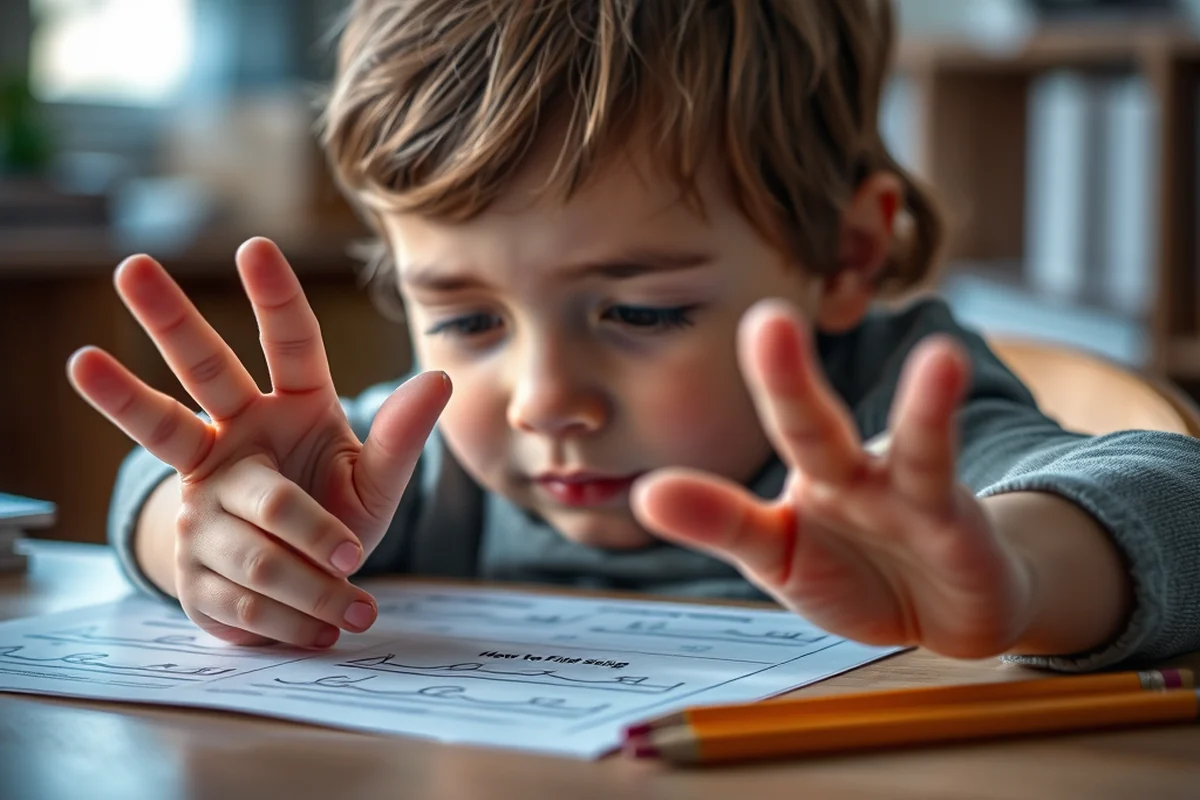
Listening is the most important skill with finding song. I used to think that I needed to teach my child to play an instrument first, but I've learned that listening is where the real music begins. I encourage my child to listen to music without distractions — no screens, no talking, just the music and their thoughts.
I've found that when my child listens to a piece of music repeatedly, they begin to notice the subtleties — the way the melody changes, how the rhythm feels, the emotions the music evokes. This deep listening helps them understand music in a more meaningful way. I've noticed that after listening to a song multiple times, they can often recreate the melody on the piano or sing it back with surprising accuracy.
To help with this, I set aside 10 minutes a day where we just listen to music. We don't talk, we don't move — we just listen. This practice has helped my child become more attuned to sound and has made them more confident in their ability to find and recreate music on their own.[5]
Listen first — then let the song find you.
Related: What is six about musical
How to Use Technology to Support Musical Discovery
I’ve discovered that using apps like GarageBand or Soundtrap can be a great way to help children explore music in a creative and interactive way. These apps allow them to create their own music, experiment with different instruments, and even record their own songs. It's a way for them to explore music without the pressure of traditional lessons or formal instruction.
I’ve used these apps with my daughter, and it's amazing to see how quickly she picked up the basics of creating a melody. She can add different instruments, change the tempo, and even record herself singing. It's not about being perfect — it's about trying, experimenting, and having fun. These apps are especially useful for children who may not have access to physical instruments.
Another great tool is YouTube — I find videos of children singing or playing instruments, and we watch them together. We talk about what the child is doing, how they’re using their voice or instrument, and what they might be feeling. This helps my child see that finding song is a natural and joyful process that can be done in many different ways.
GarageBand and YouTube can be powerful tools for helping children explore music on their own.
“I remember the first time my daughter sat at the piano and played a song she had heard on the radio.”— Teaching Music to Homeschoolers editors
Related: Michael jackson thriller album
How to Encourage Singing and Voice Exploration
Singing is a form of music that is deeply connected to emotion, memory, and identity. I encourage my child to sing daily — whether it's a lullaby, a nursery rhyme, or even just making up a song. I've noticed that singing helps them express their feelings in ways that words alone can't always capture.
We sing in the car, in the kitchen, during bath time — everywhere. I've created a playlist of songs that we sing together, and we take turns leading the song. This not only helps my child feel more confident in their voice but also helps them connect with me on a deeper level. I've seen how singing can turn a difficult day into a joyful one, simply by giving them a way to express what they're feeling.
I also encourage my child to make up their own songs. It's amazing to see how creative they can be when they're given the freedom to explore their voice. We've created songs about the weather, about their day at school, even about their favorite toy. These songs become part of their identity and help them find their own unique musical voice.
Related: What is sheet music direct
How to Support Instrumental Exploration
I’ve found that giving my child access to different instruments — even simple ones like drums, xylophones, or recorders — helps them explore music in a way that is both fun and educational. Instruments allow them to experiment with sound, rhythm, and melody in a hands-on way that is engaging and interactive.
I have a set of drums that my child loves to play. They use them to keep time with the music we listen to, and they enjoy creating their own rhythms. I’ve noticed that when they're playing the drums, they're more focused and more engaged in the music. They also seem to understand rhythm and timing in a way that is natural and intuitive.
I’ve also introduced them to a xylophone and a recorder, and I’ve seen how quickly they pick up the basics. They experiment with different notes, try to play along with the music, and even create their own little tunes. These instruments help them see that music is not just about singing — it's about sound, rhythm, and expression in many different forms.
Related: Spotify web player music for everyone
How to Help Your Child Create Their Own Music
Creating their own music is one of the most rewarding ways for a child to find song. I’ve seen my child sit at the piano for hours, playing with different chords, experimenting with melodies, and even writing their own songs. It's a way for them to express themselves, explore their creativity, and connect with music on a personal level.
I encourage my child to create music without pressure or expectation. We don’t focus on perfection — we focus on the joy of creating and the freedom to explore. I’ve noticed that when my child is allowed to experiment with music freely, they become more confident and more creative.
One of my favorite parts of this process is watching my child compose their own songs. It's amazing to see how they can take simple ideas and turn them into something meaningful. Whether it's a song about their day at school, their favorite animal, or even a silly rhyme, these songs become a part of who they are.
Let your child compose — it’s where the real magic happens.
Related: Iconic by mistake with lyrics
How to Support Musical Growth Over Time
Musical growth is a process that takes time, and it's important to support your child without forcing them into a rigid structure. I've learned that the best way to help my child grow is to be patient, to listen to their ideas, and to celebrate their progress — no matter how small.
I've noticed that when I focus on the joy of making music rather than on perfection, my child becomes more confident and more engaged. I’ve also learned that it's important to be flexible — if they're not interested in a particular instrument or genre, I don’t push them. Instead, I let them explore what feels right for them.
I also make sure to provide opportunities for them to share their music with others — whether it's through family gatherings, school performances, or simply playing for friends. These moments of sharing help build confidence and reinforce the idea that music is a natural and joyful part of life.
🎵 Younger Kids (Ages 3-5)
Use simple instruments and songs with repetitive melodies to help younger children explore music.
🎼 Older Kids (Ages 6+)
Encourage older children to explore more complex instruments and to create their own music.
🧳 No-Prep Version
No need for supplies — just listen to music and sing together to help your child find song.
👯♀️ Group Version
Invite other children to explore music together — it's a fun and social way to find song.
💡 Extension Activity
Encourage your child to learn an instrument or to study music theory as a way to deepen their understanding.
| The mistake | Why it happens | The fix |
|---|---|---|
| Forcing your child to play an instrument or perform if they're not interested. | This can create resistance and make your child feel pressured to do something they're not naturally drawn to. | Instead, focus on listening and exploring music together — let them find their own path to music. |
| Not providing a variety of musical experiences. | Limiting your child's exposure to only one genre or style of music can prevent them from exploring and finding what resonates with them. | Expose your child to a wide range则 of genres, instruments, and musical styles to help them discover what they truly enjoy. |
| Overcorrecting or criticizing your child's musical exploration. | This can make them feel self-conscious and discourage them from continuing to explore music. | Focus on praise and encouragement — celebrate their creativity, no matter how small the effort. |
| Not allowing your child to explore music at their own pace. | Pushing them too quickly into complex music or instruments can lead to frustration and a loss of interest. | Respect their pace and let them explore music in a way that feels natural and enjoyable to them. |
How To Find Song
Common Questions
What if my child doesn't seem interested in music?
How can I help my child find song if we don't have any instruments at home?
What if my child is shy and doesn't want to perform or share their music?
How can I help my child become more confident in their musical abilities?
References
- Sarah Alice Mayfield Rice Oral History Interview - Truman Library (trumanlibrary.gov)
- Charter School APPLICATION Nikolaevsk Charter School FY [2026 ... (education.alaska.gov)
- Literacy Resources for Families and Communities | Virginia ... (doe.virginia.gov)
- Milestones by 15 Months | Learn the Signs. Act Early. - CDC (cdc.gov)
- 25 Quick Ways to Reduce Stress | Colorado Law (colorado.edu)
Cite this guide
Teaching Music to Homeschoolers (2026). How To Find Song. https://melodystart.com/how-to-find-song/
Feel free to cite or share this guide.
Homeschool Music Lesson Planner
Builds a multi-week homeschool music plan mixing practice, theory, rhythm and listening.
Open it free →