
What Is Piano In Sheet Music

📖 Table of Contents
- What Is Piano In Sheet Music?
- The Role of the Piano in Sheet Music
- How to Read Sheet Music for the Piano
- The Benefits of Learning Piano Through Sheet Music
- Sheet Music and Piano for Homeschooling
- Choosing the Right Sheet Music for the Piano
- The Future of Piano and Sheet Music in Homeschooling
- Make It Your Way
- Frequently Asked Questions
I still remember the first time I saw my daughter sit at the piano, her small fingers hovering over the keys like a bird about to take flight. It was a simple sheet of music, just a few notes and a few bars, but that moment changed everything. I didn't know much about sheet music then, but I knew that 'what is piano in sheet music' was a question I needed to answer. Sheet music is the language of music, and the piano is one of its most expressive instruments. To understand what the piano represents in sheet music is to unlock a world of creativity, discipline, and joy.[1]
Sheet music and the piano have been intertwined for centuries. When you see 'what is piano in sheet music,' you're looking at a centuries-old tradition of musical expression. The piano is not just an instrument—it's a canvas where notes and emotions come to life. As a homeschooling parent, I found that learning to read sheet music on the piano was one of the most rewarding educational experiences I ever shared with my children. It taught them patience, focus, and the power of practice, all while filling our home with beautiful music.[2]
Over the years, I've watched my children grow through the lessons they learned at the piano. 'What is piano in sheet music' is more than a question—it's a doorway to a world of knowledge, creativity, and emotional expression. For homeschoolers, the piano and sheet music can be a powerful tool for learning. Whether it's developing motor skills, building literacy, or exploring music theory, the piano offers a unique blend of education and artistry that is hard to match. It's no wonder that so many parents are asking, 'what is piano in sheet music?' and discovering the answer for themselves.
Why You'll Love This Educational Tool
- Encourages focus and discipline through structured learning
- Builds fine motor skills and hand-eye coordination
- Fosters creativity and self-expression through music
- Supports literacy and cognitive development through reading sheet music
What Is Piano In Sheet Music?
As of November 2026, Sheet music is a visual form of written music that allows musicians to translate a song into a format that can be played. The piano is often used in sheet music because it can play both high and low notes, making it ideal for expressing a wide range of musical ideas. When you see the word 'piano' written in sheet music, it indicates that the piece is meant to be played on a piano.[3]
The piano is a central instrument in classical, jazz, and contemporary music, and its role in sheet music is essential. It provides a foundation for composers and performers alike, allowing them to structure and interpret music in a precise way. Sheet music for the piano includes clefs, notes, rests, dynamics, and articulations, all of which guide the pianist in how to play the piece.
As a homeschooling parent, I've learned that sheet music is a powerful tool for teaching both music and literacy. It teaches children to read and interpret symbols, much like learning to read a book. The piano becomes a bridge between theory and practice, making it an invaluable educational resource.
Begin with short, easy-to-read sheet music that features simple melodies and rhythms. This helps build confidence and sets a solid foundation for more complex pieces.
Part of our Music elementary guide.
The Role of the Piano in Sheet Music
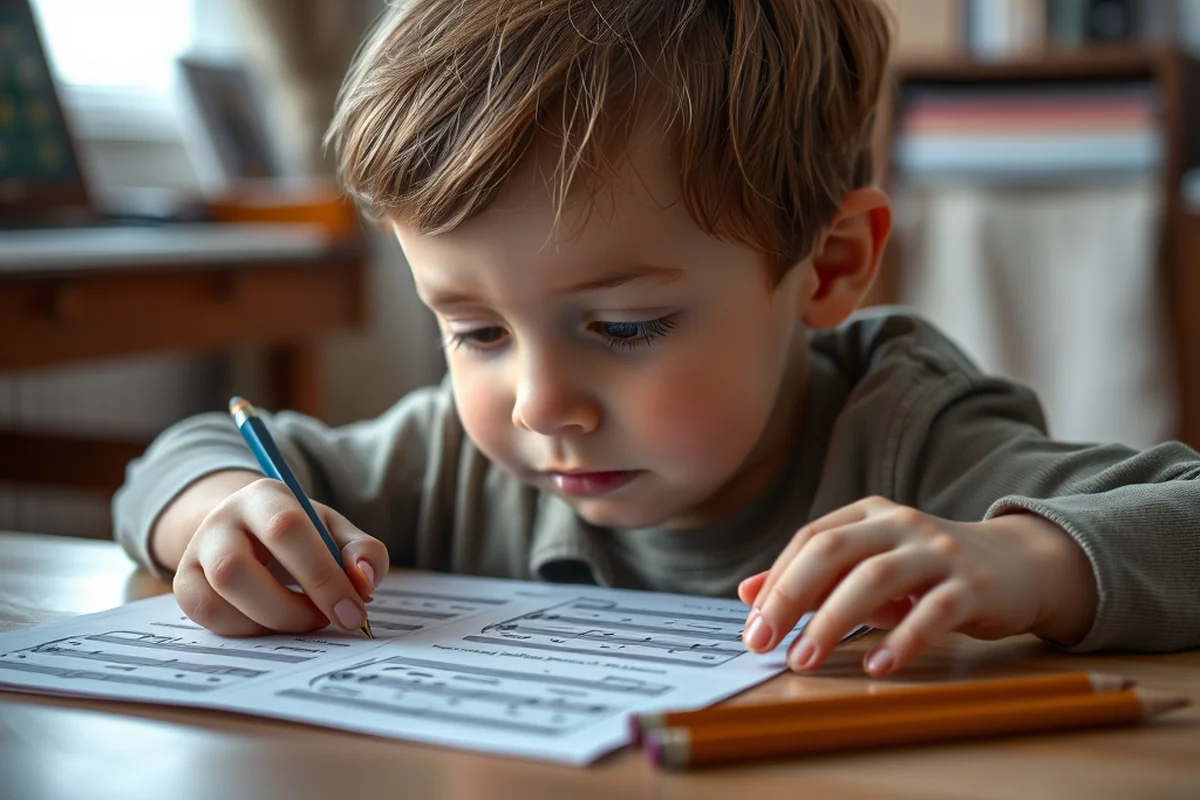
The piano is unique in its ability to produce a full range of sounds, from deep bass notes to high treble tones. This versatility makes it an ideal instrument for reading and interpreting sheet music. Whether you're playing a classical sonata or a simple children's song, the piano can handle it all.
Sheet music for the piano often includes elements like key signatures, time signatures, and dynamics, which guide the pianist in how to play the piece. These symbols are crucial for understanding the structure and emotional intent of a musical composition.
For homeschoolers, the piano and sheet music offer a unique opportunity to explore both music and education. It's a way to combine artistic expression with academic learning, making it an excellent tool for a well-rounded homeschooling curriculum.
The piano is not just an instrument—it's a teacher, a storyteller, and a canvas for musical expression.
Related: How to find song
How to Read Sheet Music for the Piano
To read sheet music for the piano, you need to understand the basics of musical notation. This includes the grand staff, which consists of two staves: the treble clef for the right hand and the bass clef for the left hand. Each clef indicates the range of notes that are played on that particular staff.
Note values and rests are also essential for reading sheet music. Notes are represented by different shapes, such as whole notes, half notes, and quarter notes, and each has a different duration. Rests indicate when a note should be held back or not played at all.
Learning to read sheet music is a skill that can be developed through practice and patience. It's a valuable tool for homeschoolers who want to teach their children not only about music but also about structure, discipline, and focus.
Create flashcards with different note values and symbols to help your child recognize and understand them. This makes learning more interactive and engaging.
“I still remember the first time I saw my daughter sit at the piano, her small fingers hovering over the keys like a bird about…”— Teaching Music to Homeschoolers editors
Related: Taylor swift folklore album
The Benefits of Learning Piano Through Sheet Music
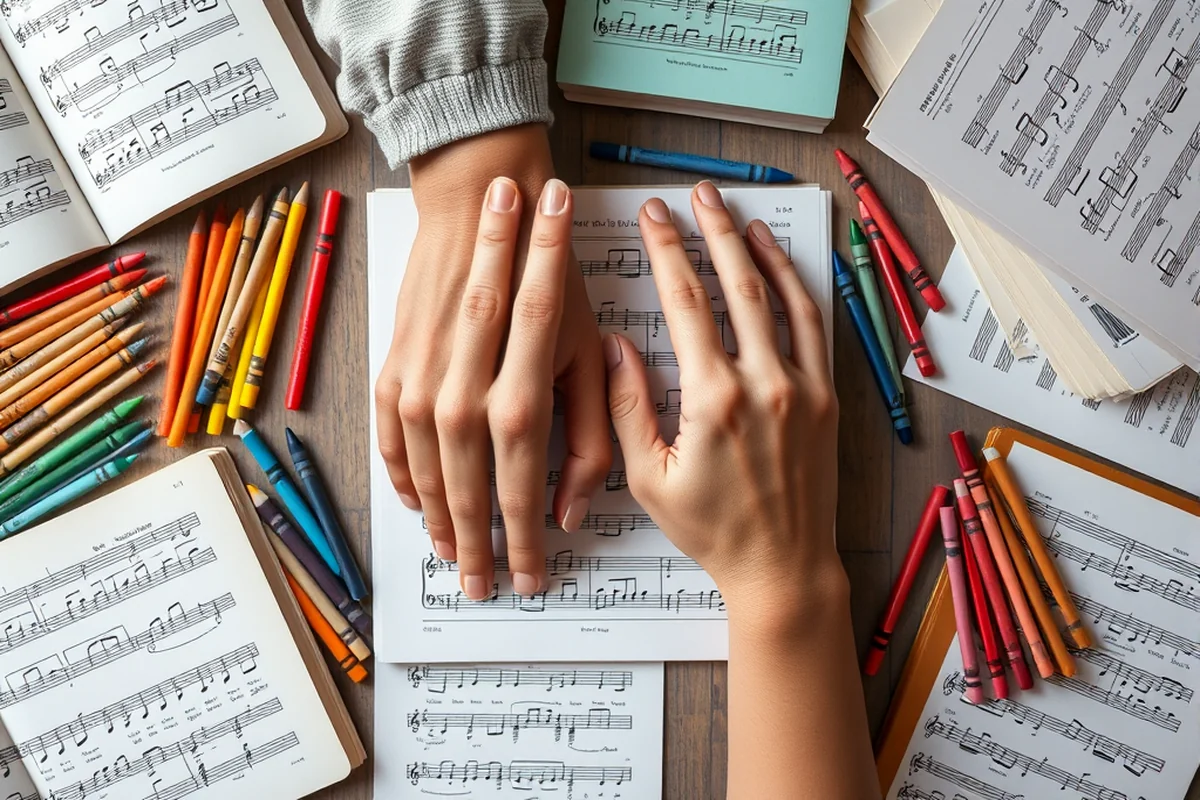
One of the greatest benefits of learning piano through sheet music is the development of cognitive skills. Reading sheet music requires attention to detail, pattern recognition, and spatial awareness, all of which are crucial for a well-rounded education.
In addition to cognitive benefits, playing the piano through sheet music also supports fine motor development. The small, precise movements required to press the keys help improve hand-eye coordination and dexterity. This is especially beneficial for young children.
Emotionally, sheet music and the piano provide a powerful outlet for self-expression. Music has a unique ability to convey emotions, and learning to play the piano allows children to explore and express their feelings in a meaningful way.
Related: Best headphones for music
Sheet Music and Piano for Homeschooling
For homeschoolers, sheet music and the piano provide a structured way to teach music while also reinforcing academic skills. Reading sheet music involves literacy, pattern recognition, and mathematical concepts like rhythm and timing.
The piano is also a great tool for teaching children about music theory, composition, and performance. It allows them to explore different musical styles and genres, expanding their understanding of the world around them.
Incorporating sheet music and the piano into a homeschooling curriculum can be a fun and rewarding experience. It encourages creativity, discipline, and a lifelong love of music.
Related: Clover by the park
Choosing the Right Sheet Music for the Piano
When choosing sheet music for the piano, it's important to consider the skill level of the player. Beginners should start with simple pieces that feature clear melodies and rhythms. As players become more advanced, they can move on to more complex compositions.
The style of music is also an important consideration. There are many genres of music available in sheet music, from classical to contemporary, and each offers a different learning experience. Choosing a genre that aligns with the player's interests can make the learning process more enjoyable.
In addition to skill level and style, the quality of the sheet music is also important. High-quality sheet music is more legible and accurate, making it easier to learn and play.
Choosing the right sheet music can make all the difference in a child's musical journey.
Related: What music finder
The Future of Piano and Sheet Music in Homeschooling
With the rise of digital sheet music and online music education platforms, learning the piano has become more accessible to homeschoolers than ever before. These resources provide a wide range of pieces and lessons that can be tailored to individual learning styles.
Technology has also made it easier to track progress and provide personalized feedback. Many apps and software programs now offer interactive lessons and practice tools that help students improve their skills.
As homeschooling continues to grow in popularity, the integration of piano and sheet music into educational curricula will become more widespread. It's an exciting time for music education, with new opportunities and resources emerging every day.
🎹 Younger Kids (Ages 3-6)
Use simple, colorful sheet music with large notes and pictures to engage young learners and build basic music skills.
🎹 Older Kids (Ages 7-12)
Introduce more complex pieces and music theory concepts, using sheet music to reinforce learning and build confidence.
📖 No-Prep Version
Use free printable sheet music from online resources to start playing immediately without the need for additional materials.
🧑🤝🧑 Group Version
Encourage collaboration by playing sheet music with other children, fostering teamwork and social skills through music.
🎨 Extension Activity
Combine sheet music and the piano with creative projects like composing, recording, or creating visual art inspired by the music.
| The mistake | Why it happens | The fix |
|---|---|---|
| Starting with overly complex pieces | This can be discouraging for beginners and may lead to frustration or a lack of progress. | Begin with simple, engaging pieces that match the learner's skill level and gradually increase in difficulty. |
| Ignoring the importance of practice | Consistent practice is essential for developing skills and confidence in reading and playing sheet music. | Set a regular practice schedule and encourage daily, short sessions to build muscle memory and improve technique. |
| Not using visual aids or tools | Visual aids can help make learning more engaging and easier to understand for young learners. | Incorporate flashcards, color-coded sheet music, and interactive apps to enhance the learning experience. |
| Focusing only on technique and not on musical expression | Learning the piano is not just about playing the correct notes, but also about expressing emotion and understanding the music. | Encourage students to explore the emotional aspects of the music and to express themselves through their playing. |
| Not seeking feedback or guidance | Learning without feedback can lead to the development of bad habits or incorrect techniques. | Work with a teacher or use online resources to receive regular feedback and guidance on playing and reading sheet music. |
What Is Piano In Sheet Music
Common Questions
What age is best for starting piano with sheet music?
How long does it take to learn to read sheet music?
Can sheet music be used for other instruments besides the piano?
What are some easy piano pieces for beginners?
References
- STAAR English II April 2021 - Texas Education Agency (tea.texas.gov)
- Determination of Royalty Rates and Terms for Making and ... (federalregister.gov)
- Scores and Sheet Music - Primary Sources for Performing Arts ... (guides.library.harvard.edu)
Cite this guide
Teaching Music to Homeschoolers (2026). What Is Piano In Sheet Music. https://melodystart.com/what-is-piano-in-sheet-music/
Feel free to cite or share this guide.
Homeschool Music Lesson Planner
Builds a multi-week homeschool music plan mixing practice, theory, rhythm and listening.
Open it free →