
Taylor Swift Folklore Album

📖 Table of Contents
- Integrating the Folklore Album into the Curriculum
- Exploring Themes and Emotions Through Music
- Creating a Music Appreciation Unit
- Encouraging Creative Expression Through Songwriting
- Using the Album to Teach Music Theory
- Connecting Music to Other Subjects
- Encouraging Collaboration Through Group Activities
- Using the Album to Explore Cultural and Historical Contexts
- Make It Your Way
- Frequently Asked Questions
I first discovered the Taylor Swift Folklore album while teaching a music appreciation class to a group of curious homeschoolers. It was the kind of moment that made me pause and think about how music can be both educational and deeply personal. The album, released in 2020, offers a rich tapestry of storytelling, emotional depth, and creative expression that I found incredibly useful for engaging my students in discussions about narrative, character development, and musical structure. (325232, perinton.gov)[1]
As a homeschooling parent and educator, I was drawn to the way Taylor Swift’s Folklore album invites listeners to explore themes of love, loneliness, and identity through poetic lyrics and intricate songwriting. I quickly realized that this wasn't just a collection of songs—it was a teaching resource waiting to be explored. The album's genre-blending style, which fuses folk and pop elements, opened up a world of possibilities for creative learning and musical exploration.
One of the most surprising aspects of the Taylor Swift Folklore album was how seamlessly it transitioned from a personal project to a powerful tool for education. I've watched my students dissect the lyrics, analyze the musical structures, and even compose their own songs inspired by the album. It's been a revelation to see how a single piece of art can spark so much learning, reflection, and creativity in young minds.[2]
Why You'll Love This Taylor Swift Folklore Album
- A unique blend of storytelling and music that fosters critical thinking and creativity.
- Rich lyrics that invite deep analysis and discussion in the classroom or at home.
- A versatile resource that can be adapted for various age groups and learning styles.
- An opportunity to explore themes of identity, emotion, and personal narrative through music.
Integrating the Folklore Album into the Curriculum
As of October 2026, Integrating the Taylor Swift Folklore album into the curriculum has been one of the most rewarding experiences I've had as an educator. The album's poetic lyrics and melodic structures offer a rich foundation for exploring themes like love, loss, and personal growth.
I've used the album to guide students in analyzing song structure, identifying literary devices in the lyrics, and even composing their own songs. The process has not only deepened their understanding of music but also encouraged them to think critically and creatively.
One of the most valuable aspects of using the Folklore album in the classroom is how it allows students to connect with the material on a personal level. This emotional connection enhances their engagement and makes learning more meaningful.
Print out a few lyrics from the album and have students identify emotions, themes, and literary devices in the text. This is a great way to introduce the album to your students and spark discussion.
Part of our Music elementary guide.
Exploring Themes and Emotions Through Music
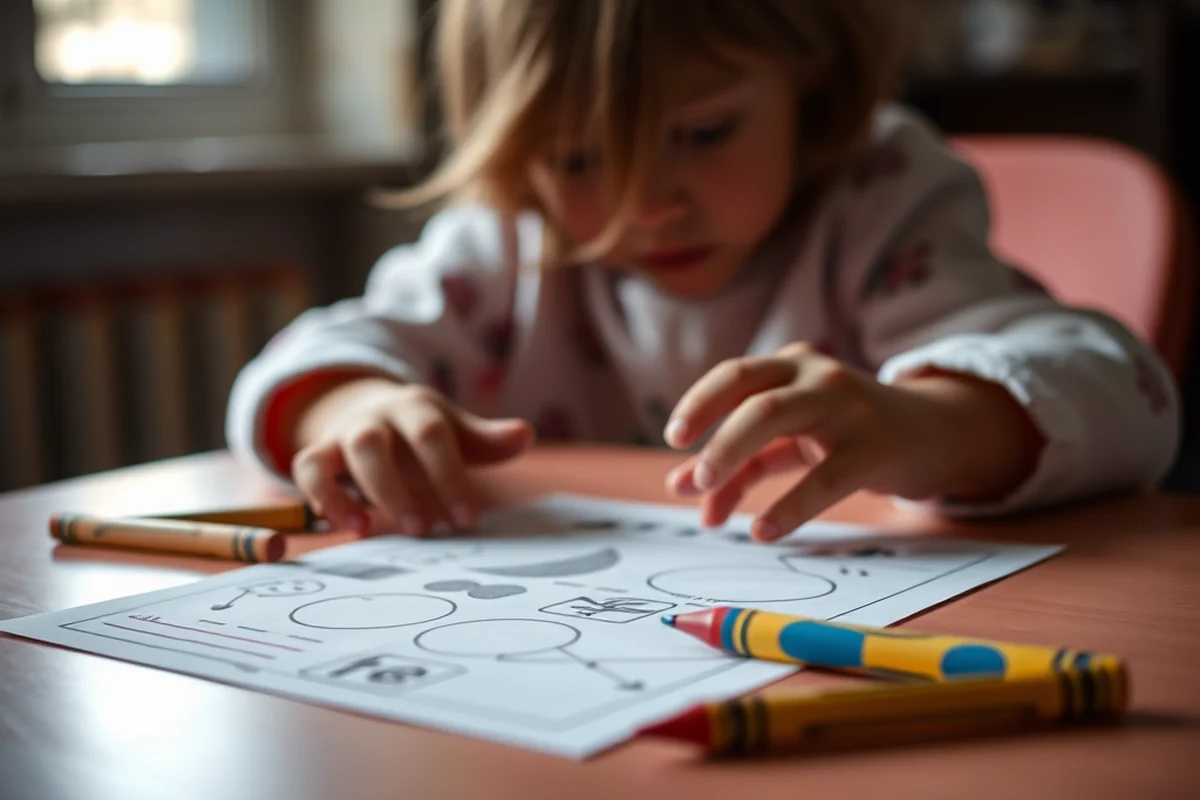
The themes in the Taylor Swift Folklore album are rich and varied, making them ideal for classroom discussions. Songs like 'The Last Great American Dynasty' and 'My Tears Ricochet' explore themes of fame, identity, and personal struggle.
I've found that students are often deeply moved by the emotional depth of the album. This emotional engagement allows them to connect with the material in a way that traditional textbooks sometimes fail to achieve.
By discussing these themes, students not only learn about the songwriters' intentions but also reflect on their own experiences and emotions. This makes the learning process both personal and educational.
Music has the power to make learning personal and meaningful.
Related: Cheap trick songs
Creating a Music Appreciation Unit
I designed a music appreciation unit around the Taylor Swift Folklore album, and it was one of the most successful units I've ever taught. The unit included listening sessions, lyric analysis, and creative writing exercises.
Students were encouraged to reflect on their favorite songs, write their own lyrics, and even compose their own songs. This hands-on approach helped them develop a deeper appreciation for music and its emotional impact.
The unit also included discussions on the album's musical influences and how they shaped the final product. This helped students understand how artists draw on various sources to create something unique.
Have students keep a listening journal where they write down their thoughts, feelings, and observations after each song. This encourages reflection and helps them articulate their emotional responses.
“I first discovered the Taylor Swift Folklore album while teaching a music appreciation class to a group of curious homeschoolers.”— Teaching Music to Homeschoolers editors
Related: Michael jackson songs
Encouraging Creative Expression Through Songwriting
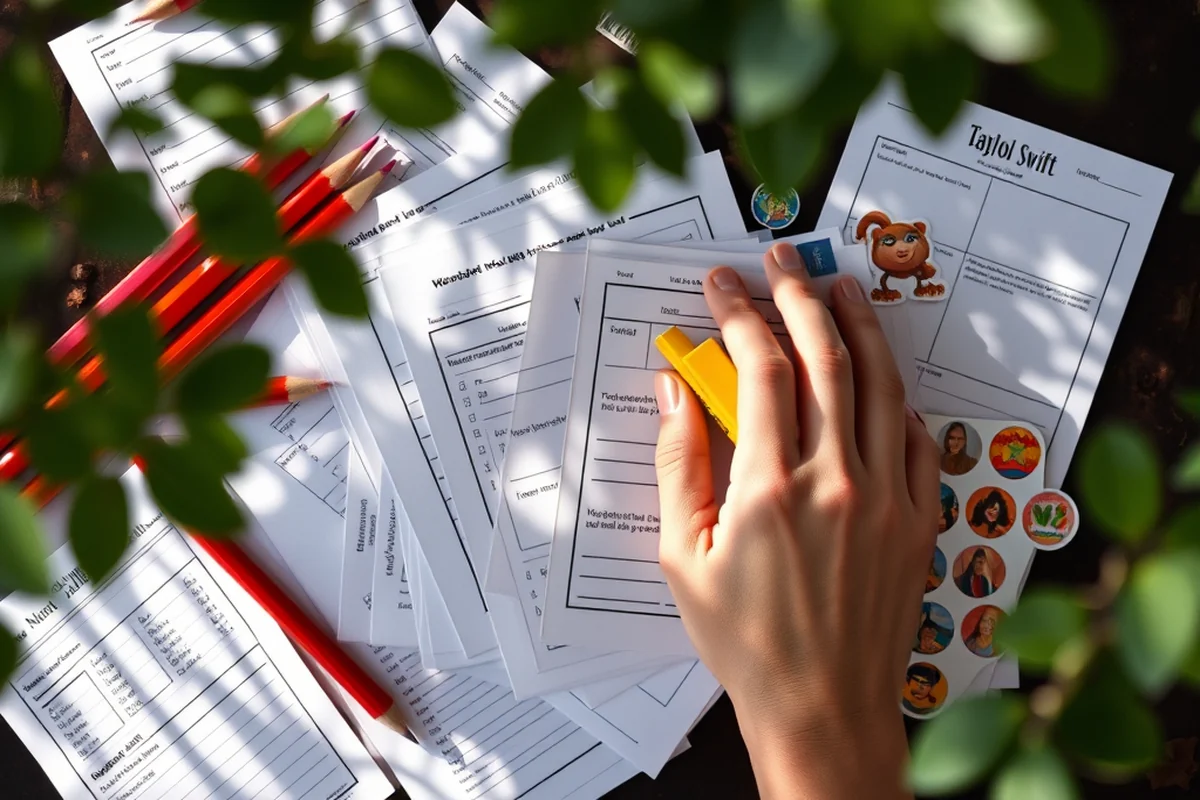
One of the most exciting aspects of using the Taylor Swift Folklore album is how it encourages students to express themselves through songwriting. I've seen students create their own songs that are deeply personal and full of emotion.
I've designed songwriting workshops based on the album, where students write their own lyrics and compose melodies. This process has helped them develop their creative voice and build confidence in expressing their ideas.
The process of songwriting allows students to explore different emotions and themes in a way that is both artistic and educational. It's a powerful way to help them connect with music on a deeper level.
Related: Taylor swift albums
Using the Album to Teach Music Theory
I've used the Taylor Swift Folklore album to teach music theory concepts to my students. The album's complex structures and intricate melodies provide a rich foundation for learning and analysis.
Students have been able to identify different musical elements, such as chord progressions and melodic patterns, by listening to the songs and discussing their structure. This has helped them develop a deeper understanding of music theory.
One of the most valuable aspects of using the album for music theory is how it allows students to see the practical application of theoretical concepts in real music.
Related: What is phonk music
Connecting Music to Other Subjects
I've found that the Taylor Swift Folklore album can be used to connect music with other subjects. The album's themes and historical references provide a unique opportunity for interdisciplinary learning.
For example, I've used songs like 'The Last Great American Dynasty' to discuss the history of American society and the role of women in the public eye. This has helped students see the connections between music and history.
By connecting the album to other subjects, students are able to see the broader context of music and how it reflects and influences culture.
Music is a powerful tool for interdisciplinary learning.
Related: Michael jackson greatest hits cd
Encouraging Collaboration Through Group Activities
I've used the Taylor Swift Folklore album to design group activities that encourage collaboration and creativity. These activities have helped students work together and develop their musical and interpersonal skills.
One of the most successful group activities I've used is a songwriting workshop where students work in small groups to create original songs inspired by the album. This has led to some truly creative and engaging results.
Collaborative activities like these not only enhance student engagement but also provide a supportive environment for learning and growth.
Using the Album to Explore Cultural and Historical Contexts
The *Folklore* album offers a unique opportunity to explore cultural and historical contexts through its storytelling. For example, the song 'The Last Great American Dynasty' tells the story of the Reagans, drawing on historical events and social changes in the 1970s and 1980s. By researching the historical background of this song, students can learn how music can be used to comment on and reflect societal changes. I once assigned a research project where students had to find three historical events related to the song and present their findings in a 10-minute oral report.[3]
This activity can be enhanced by incorporating primary sources, such as newspaper articles or interviews from the time period. For instance, students can compare the lyrics of 'The Last Great American Dynasty' with actual news coverage from the 1970s to see how Swift interprets and reimagines historical narratives. This approach not only deepens their understanding of the song but also teaches them how to critically analyze sources and draw connections between art and history.
Another way to explore cultural context is by comparing *Folklore* with other albums from the same era. For example, students can listen to folk albums from the 1960s and 1970s and compare the storytelling techniques used in those songs with those in *Folklore*. This can be a group activity where students work in pairs to create a 5-minute presentation on their findings. I have found that this method helps students see how music evolves over time while still maintaining core storytelling traditions.
🎭 Younger Kids Adaptation
For younger homeschoolers, focus on simple lyric analysis and storytelling through music. Use visuals and short listening sessions to keep them engaged.
🧠 Older Kids Extension
For older students, delve deeper into music theory, lyric analysis, and even compose original songs inspired by the album.
⏳ No-Prep Version
Use the album for spontaneous listening sessions and on-the-fly discussions about music, themes, and emotions.
👥 Group Version
Design collaborative activities like group songwriting or musical analysis to encourage teamwork and creative expression.
✍️ Creative Writing Extension
Use the album as inspiration for creative writing projects, such as short stories, poems, or even song lyrics.
| The mistake | Why it happens | The fix |
|---|---|---|
| Not allowing enough time for reflection and discussion | Students need time to process the music and its themes to fully engage with the material. | Schedule ample time for listening sessions and encourage thoughtful discussions after each song. |
| Overlooking the emotional impact of the album | The emotional depth of the album can be a powerful learning tool, but it's easy to focus only on the technical aspects. | Make sure to acknowledge and discuss the emotional aspects of the music, as they are an essential part of the learning experience. |
| Neglecting to connect the album to other subjects | The album offers rich opportunities for interdisciplinary learning, but it's easy to treat it as a standalone resource. | Integrate the album into other subjects like history, literature, and social studies to provide a more comprehensive learning experience. |
| Failing to provide creative outlets for students | Students may become disengaged if they are only listening to the music without having a way to express their own ideas and creativity. | Provide opportunities for students to write their own lyrics, compose songs, or reflect on the music in a personal way. |
Taylor Swift Folklore Album
Common Questions
How can I use the Taylor Swift Folklore album in a homeschool setting?
What age group is the Taylor Swift Folklore album best suited for?
Can the album be used for interdisciplinary learning?
What are some creative ways to use the album in the classroom?
References
- Recreation & Parks Programs - Town of Perinton (perinton.gov)
- Feeds • Chesterfield County, VA (chesterfield.gov)
- Taylor Swift, Pop Music, and the Creation of Modern Folklore (digitalcommons.memphis.edu)
Cite this guide
Teaching Music to Homeschoolers (2026). Taylor Swift Folklore Album. https://melodystart.com/taylor-swift-folklore-album/
Feel free to cite or share this guide.
Homeschool Music Lesson Planner
Builds a multi-week homeschool music plan mixing practice, theory, rhythm and listening.
Open it free →