
Video Game Music Composition

📖 Table of Contents
- How to Get Started with Video Game Music Composition
- How Video Game Music Composition Helps with Learning
- How to Integrate Video Game Music Composition into Your Homeschool Curriculum
- How to Encourage Creativity in Video Game Music Composition
- How to Use Video Game Music Composition for Different Learning Levels
- How Video Game Music Composition Builds Confidence and Self-Expression
- How to Share and Celebrate Video Game Music Composition Projects
- Make It Your Way
- Frequently Asked Questions
I still remember the first time my son sat down with a keyboard and started composing music for a video game he built in a coding class. It was a simple two-note melody, but the way he beamed when the character jumped to the beat made me realize how powerful music composition can be, especially for kids. Video game music composition is more than just a fun activity—it's a gateway to understanding rhythm, structure, and storytelling through sound. It’s one of the few creative outlets that combines math, art, and technology in a way that feels natural and engaging for young learners.[1]
I started experimenting with video game music composition when my kids were in early elementary school. We used simple software like GarageBand and a free piano app, and even without any formal training, they began to grasp the basics of melody, timing, and emotion. It wasn't about creating symphonies or mastering complex instruments—it was about giving them a tool to express themselves and see the immediate results of their creativity. That instant feedback loop is what makes this activity so effective and memorable.[2]
Since then, I've watched my kids grow from scribbling notes on paper to designing their own soundtracks using digital tools. Video game music composition has become a staple in our homeschool routine, blending education with entertainment in a way that feels like play. Whether it’s helping them learn how to break down a song into parts or teaching them about the role of music in different genres, it's one of the most versatile and engaging activities I've ever used in our learning journey.[3]
Why You'll Love This Activity
- It blends creativity and critical thinking in a way that feels like fun, not work.
- It gives children the chance to see their ideas come to life in an interactive format.
- It introduces concepts in music theory, math, and storytelling through hands-on experience.
- It builds confidence as they create and share their original work.
How to Get Started with Video Game Music Composition
As of October 2026, to begin, all you need is a simple software program or app that allows for basic music creation. GarageBand, FL Studio, or even free online tools like Soundtrap can be used to help kids get started. The key is to focus on simplicity—let them experiment with different instruments, sounds, and rhythms without overwhelming them with complexity.[4]
Once they're comfortable with the software, introduce the idea of composing a soundtrack for a video game. This could be as simple as a short melody that plays when a character moves or a longer piece that sets the tone for a level. The goal is to make the process fun and intuitive, letting their creativity lead the way.
I've found that starting with a short, simple melody and gradually building from there is the most effective way to teach the basics. It gives children a sense of accomplishment and helps them build confidence in their abilities. With each new project, they learn more about rhythm, timing, and how music can enhance a game experience.
Use simple software and start with short, simple melodies to build confidence and skills.
Part of our Music elementary guide.
How Video Game Music Composition Helps with Learning
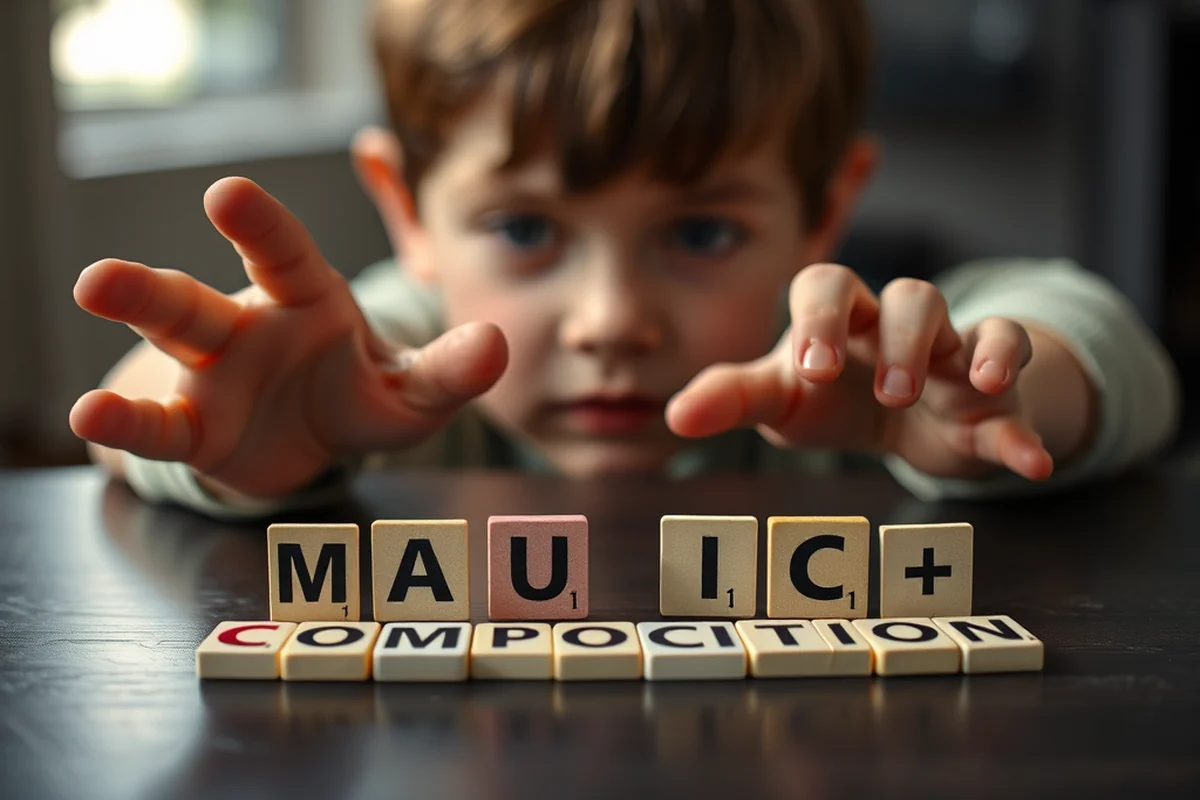
One of the most surprising things I've seen while using video game music composition is how quickly kids pick up on concepts like rhythm and timing. When they're creating a melody that matches the movement of a character, they learn about pacing, repetition, and how different sounds can create different moods.
It also introduces them to the idea of structure in music. For example, a video game might have a main theme that plays when the character enters a new level, a background track that plays during gameplay, and a victory or defeat melody. This teaches them how music functions in different contexts and how to use it to enhance a narrative.
I've noticed that children who engage in this activity often develop a better sense of storytelling. They learn to think about how music can set the tone for a scene, whether it's joyful, tense, or mysterious. This kind of thinking is a valuable skill that extends far beyond just music.
Music is the language of the soul, and video game composition gives kids a way to speak it.
Related: Best jazz albums for beginners
How to Integrate Video Game Music Composition into Your Homeschool Curriculum
One of the best ways to use video game music composition in your homeschool is to tie it to other subjects. For example, when studying history, you can ask kids to compose a soundtrack that reflects the mood of a particular era. When studying science, they can create music that matches the theme of a topic like space or the ocean.
I've found that using this activity as part of a larger project, like creating a simple game or animation, can be highly effective. It gives them a purpose and a goal, making the process more engaging and meaningful. They also get to see the results of their work in a tangible way.
Another great approach is to use it as a creative break or a way to reinforce learning. For example, after a lesson on emotions, you can have them compose a piece that expresses a specific feeling. This not only reinforces the lesson but also gives them a creative outlet to process what they've learned.
Integrate video game music composition with other subjects to reinforce learning and make it more engaging.
“I still remember the first time my son sat down with a keyboard and started composing music for a video game he built in a…”— Teaching Music to Homeschoolers editors
Related: Neil diamond songs
How to Encourage Creativity in Video Game Music Composition
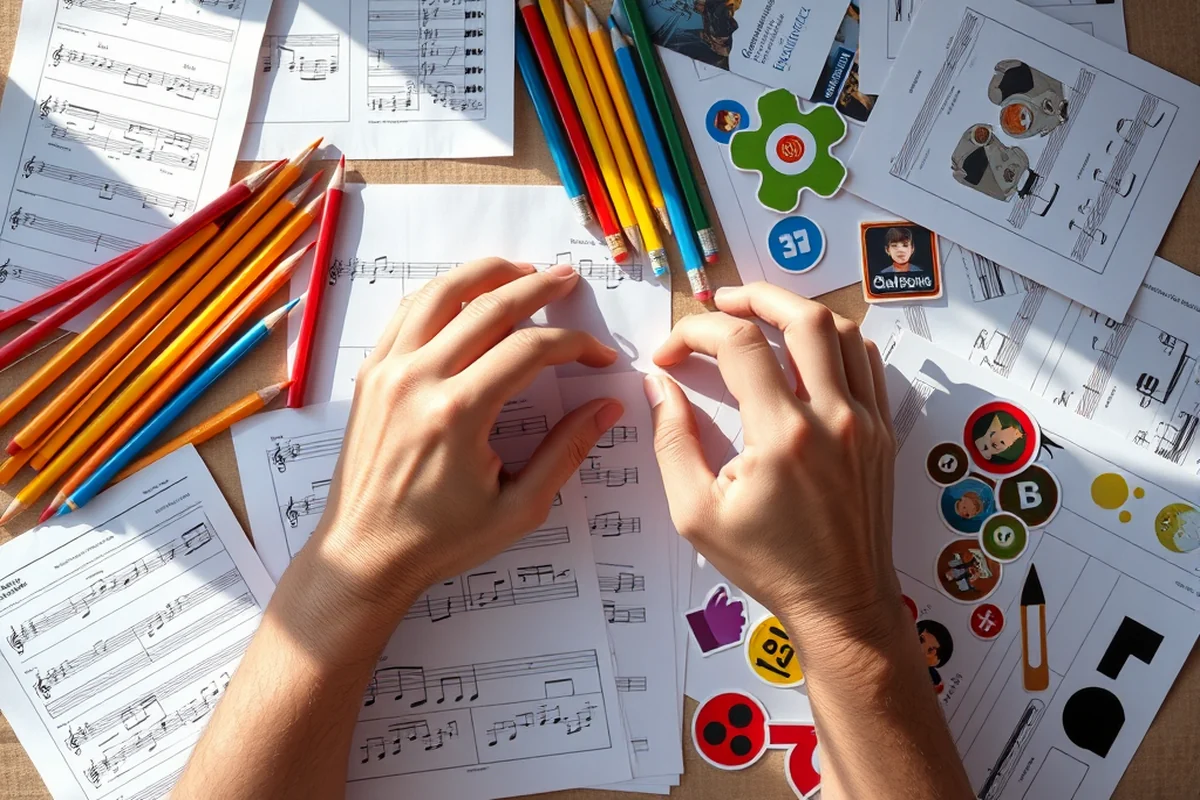
One of the most important things I've learned is that creativity thrives in an environment where mistakes are not only allowed but expected. Kids should feel free to try new ideas, even if they don't work out the first time. This helps them develop resilience and a growth mindset.
I've found that encouraging them to think about the mood and emotion they want to convey in their music can lead to some of the most creative and interesting results. It's amazing to see how different melodies can express completely different feelings, even when using the same set of notes.
Another way to foster creativity is to give them a variety of tools and sounds to work with. Whether it's different instruments, effects, or styles, the more options they have, the more they can explore and find their own unique voice.
Related: Michael jackson greatest hits vinyl
How to Use Video Game Music Composition for Different Learning Levels
For younger children, focus on simple melodies and rhythms, and use tools that are easy to navigate. Even toddlers can press buttons on a keyboard to create basic sounds, which introduces them to the idea of music creation in a fun and interactive way.
For older children, introduce more complex concepts like layering, different instruments, and storytelling through music. They can also be challenged to create longer pieces or more intricate soundtracks that match the mood of a game or story.
I've found that using different tools for different age groups can help keep the activity engaging and appropriate. For example, younger kids might use a simple piano app, while older kids can use more advanced software that allows for deeper exploration of music theory and production.
Related: Taylor swift the cardigan 2
How Video Game Music Composition Builds Confidence and Self-Expression
One of the most rewarding aspects of video game music composition is how it helps children develop a sense of pride and accomplishment. When they see their music come to life in a game or animation, it reinforces their belief that they can create and contribute in meaningful ways.
It also gives them a powerful tool for self-expression. Unlike other forms of art that may require more advanced skills or tools, music creation is accessible to almost everyone. This makes it a great way for kids to communicate their feelings, ideas, and stories.
I've seen this activity help children who are shy or hesitant to express themselves in other ways. The music becomes their voice, and they find confidence in the way they create and share their work with others.
Music is the most universal language, and video game composition gives kids a way to speak it fluently.
Related: Taylor swift the cardigan
How to Share and Celebrate Video Game Music Composition Projects
One of the best ways to celebrate these projects is by sharing them with family and friends. Whether it's through a simple video call or by creating a small presentation, it gives children a chance to see the impact of their work and feel proud of what they've created.
I've found that organizing a small showcase or performance where kids can play their music or explain the story behind their compositions can be a powerful and motivating experience. It also gives them a chance to see how others respond to their work and receive constructive feedback.
Another great way to celebrate is by incorporating their music into a larger project, like a homemade video game or a storybook. This helps them see how their work can be part of something bigger and more meaningful.
🎨 Younger Kids Version
Use simple tools like a piano app or a keyboard to create short, simple melodies with bright, colorful sounds.
🎧 Older Kids Version
Introduce more advanced software and concepts like layering, mixing, and storytelling through music.
✨ No-Prep Version
Use free online tools and simple apps that require no installation or setup—perfect for spontaneous creativity sessions.
🤝 Group Version
Have a group of kids collaborate on a single project, with each person contributing a different part or melody.
🚀 Extension Version
Challenge kids to create a full soundtrack for a game or animation, incorporating different musical styles and themes.
| The mistake | Why it happens | The fix |
|---|---|---|
| Overcomplicating the tools or software | Using too advanced a tool can overwhelm children and make the activity less enjoyable. | Start with simple tools and gradually introduce more advanced features as their skills develop. |
| Focusing too much on the outcome rather than the process | This can lead to frustration and reduce the joy of the activity. | Encourage exploration and experimentation, and celebrate the process rather than the final result. |
| Not allowing enough time for creativity to flourish | Rushing through the activity can prevent children from fully engaging with the creative process. | Give them plenty of time to explore and create without pressure or deadlines. |
| Not providing enough feedback or support | Children may feel discouraged if they don't receive positive reinforcement for their work. | Offer constructive feedback and celebrate their achievements, no matter how small. |
Video Game Music Composition
Common Questions
What software or tools do I need to get started?
Can this activity be used for different age groups?
How can I help my child develop their creativity in this activity?
How can I integrate this into my homeschool curriculum?
References
Cite this guide
Teaching Music to Homeschoolers (2026). Video Game Music Composition. https://melodystart.com/video-game-music-composition/
Feel free to cite or share this guide.
Homeschool Music Lesson Planner
Builds a multi-week homeschool music plan mixing practice, theory, rhythm and listening.
Open it free →