
Is Listening To Music A Hobby

📖 Table of Contents
- What Makes Listening to Music a Hobby?
- The Emotional Benefits of Music Listening
- Music Listening and Creativity
- How Music Listening Supports Learning
- Music Listening as a Social Activity
- Music Listening and Identity
- The Importance of Making Music Listening a Priority
- Make It Your Way
- Frequently Asked Questions
I still remember the first time my son asked me, 'Is listening to music a hobby?' He was five. Had just spent an hour sitting cross-legged on the floor, headphones on, eyes closed, and a look of pure contentment on his face. It was a simple question, but one that made me pause and think about how we define hobbies in our modern, achievement-focused culture. At the time, I didn't have a clear answer. I knew one thing for sure: listening to music was more than just a pastime for him — it was a form of expression, a way to process emotions, and a part of who he was becoming.[3]
As an educator and a parent, I've spent years observing how children engage with music. Whether it's through a child humming a tune while drawing, or a teenager dancing in their room at midnight, music has a unique way of capturing attention and sparking joy. But when someone asks if listening to music is a hobby, I find myself wondering what they really mean. Is it a question about productivity? About creativity? Or is it about validation — a way to confirm whether a passion is 'real' enough to be called a hobby?[4]
In this article, I'm going to walk you through the nuanced answer to the question, 'Is listening to music a hobby?' I'll share real stories from my own experiences as an educator and from the families I've worked with. I'll unpack what makes listening to music a meaningful and valid activity for people of all ages. We'll explore how it can foster emotional intelligence, spark creativity, build empathy, and even contribute to academic learning. I hope by the end of this, you'll see that listening to music is not just a hobby — it's a powerful tool for growth.[5]
Why You'll Love This Article
- Gain a deeper understanding of how listening to music can be a valid and valuable hobby.
- Discover the emotional, educational, and social benefits of music listening for children and adults alike.
- Learn how to recognize and nurture a passion for music in your child or student.
- Feel confident in recognizing that listening to music is not just a hobby — it's a form of learning and self-expression.
What Makes Listening to Music a Hobby?
As of October 2026, to me, a hobby is an activity that someone chooses to do for pleasure, often on a regular basis. If you're someone who listens to music daily, not just to fill time, but to feel calm, energized, or inspired, then yes — it's a hobby. I've seen this in my students: a child who listens to classical music before bedtime to help them sleep, or a teenager who listens to hip-hop to feel connected to their peers. These are not just random activities — they’re intentional, and they bring joy.
Hobbies often serve a purpose beyond entertainment. They can be a way to manage stress, process emotions, or even find inspiration. I remember one of my students, a shy 10-year-old named Leo, who would listen to music every single afternoon after school. He told me it helped him feel like he wasn’t alone. That’s the kind of power music has — it can be a silent companion, a motivator, and a source of comfort.[1]
For some people, listening to music is the kind of hobby that doesn’t require a lot of effort. It’s not about performing or creating, but about connecting with something meaningful. I think that’s exactly what makes it valid and valuable. It doesn’t have to be complicated to be a hobby.
Encourage your child to write down the songs they listen to, the emotions they feel, and any thoughts that come up. This helps them reflect on their music choices and can spark deeper conversations about their feelings and interests.
Part of our Teach music guide.
The Emotional Benefits of Music Listening
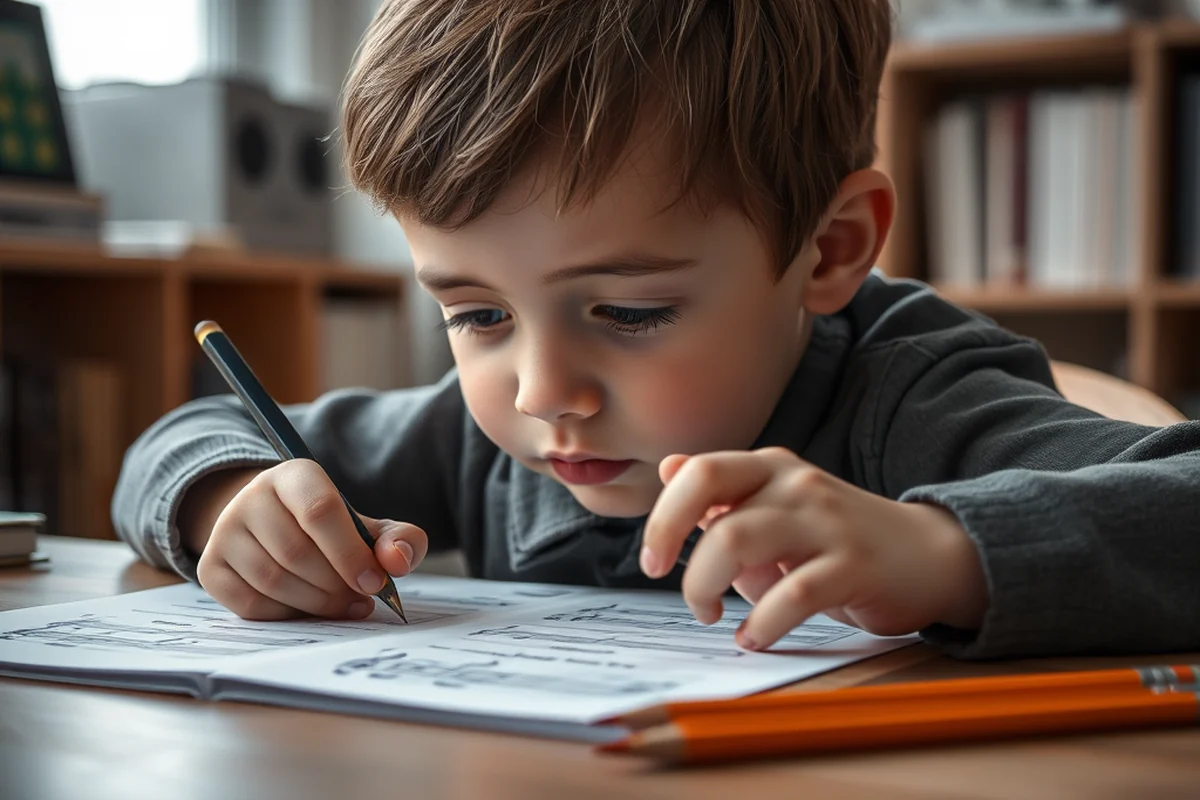
One of the most powerful aspects of music is its ability to influence our emotions. I’ve seen how music can calm a child who’s upset, or energize a student who’s feeling down. I once had a student named Maya who would listen to instrumental music every time she was feeling overwhelmed. She told me it helped her feel like she had control over her emotions — even when she didn’t have control over her situation.
Research shows that music can reduce stress and improve mood. In my classroom, I’ve noticed that students who listen to music regularly are often more focused and less reactive to stress. It’s not magic — it’s the way music helps us tap into a deeper part of ourselves, where emotions are processed and understood.[2]
I’ve also noticed that students who engage with music in this way are more empathetic. They’re more likely to understand and relate to the emotions of others, which is a crucial part of emotional intelligence. In this way, music listening isn’t just a hobby — it’s a way of learning about and connecting with the world.
Music is a language of the soul.
Related: Learning with music
Music Listening and Creativity
I believe that creativity is one of the most important skills we can teach children. And music is a powerful tool for nurturing that creativity. I’ve seen children who listen to music while drawing, writing, or even doing math problems. The music doesn’t just distract them — it helps them think differently.
There’s a child in my class, Aiden, who listens to jazz music while he draws. He tells me that the rhythm of the music helps him get into a flow state — a place where he feels completely focused and inspired. It’s amazing to see how music can open the door to creative expression.
I’ve also noticed that students who listen to music regularly are more open to trying new things. Whether it’s trying a new genre of music or exploring a new art form, they’re more willing to take risks and think outside the box. That’s the kind of creativity that lasts a lifetime.
Pair music with a creative activity like drawing, writing, or building with blocks. Ask your child to describe how the music makes them feel and how it influences their creativity. This helps them make connections between music, art, and emotion.
“I still remember the first time my son asked me, 'Is listening to music a hobby?' He was five, and had just spent an hour…”— Teaching Music to Homeschoolers editors
Related: Why teach music
How Music Listening Supports Learning

I’ve noticed that students who listen to music regularly often have better focus and concentration. It’s not just about the music — it’s about the way it helps them create a mental space for learning. I’ve seen children who listen to classical music while doing homework, and they seem more engaged and less distracted.
Music can also help with memory. I’ve used music as a tool for teaching vocabulary in my classroom, and it’s been incredibly effective. Students remember words better when they’re set to a tune. It’s a simple but powerful way to make learning more engaging.
In addition, music can support language development. I’ve seen young children who listen to music with lyrics regularly develop a larger vocabulary and better pronunciation. It’s not just about listening — it’s about listening with intention and connecting it to language.
Related: Music classes
Music Listening as a Social Activity
I’ve seen how music can bring people together — even in small ways. I once had a group of students who would listen to music together during lunchtime. They would discuss the songs, share their favorite artists, and even create a playlist together. It was a simple activity, but it helped them build connections with each other.
Music can also be a way to understand different cultures and perspectives. I’ve used music from around the world in my classroom to help students learn about other countries and traditions. It’s a way to spark curiosity and encourage open-mindedness.
I’ve also noticed that students who listen to music together are more likely to collaborate on projects. Whether it’s working on a group assignment or planning an event, they’re more willing to communicate and work together. That’s the kind of social skill that’s invaluable in life.
Related: What is classical music for kids
Music Listening and Identity
I believe that music is a powerful way for people to explore who they are. I’ve seen students who listen to music that reflects their values and beliefs, and it helps them feel more connected to themselves. It’s a way to find a sense of identity and belonging.
For example, I had a student named Emma who listened to music that focused on social justice and equality. She told me it helped her understand her own values and feel more confident in who she was. It was amazing to see how music helped her connect with her beliefs and express herself.
I’ve also noticed that students who listen to music that reflects their culture or heritage often feel more proud of who they are. It’s a way to celebrate their roots and feel connected to something larger than themselves.
Music helps us understand who we are and who we want to be.
Related: What is music lessons
The Importance of Making Music Listening a Priority
I’ve learned that making time for music listening is just as important as any other activity. It’s not just about filling time — it’s about creating space for reflection, creativity, and connection. I’ve seen how students who make time for music listening are more balanced, focused, and emotionally aware.
In my classroom, I’ve set aside time each week for students to listen to music. It’s a short activity, but it’s had a big impact. Students are more relaxed, more focused, and more open to learning. It’s a small investment with a big return.
I believe that making music listening a priority is one of the best things we can do for our children. It’s a way to support their emotional, creative. Intellectual growth — and it’s something that can be done in a variety of ways, whether it’s listening to music alone or with others.
🎶 Younger Kids (Ages 3-6)
Introduce music listening with simple, engaging songs and short, repetitive tunes. Use music as a way to help children relax, learn new words, and develop a sense of rhythm.
🎧 Older Kids (Ages 7-12)
Encourage older kids to explore different genres and artists. Use music as a way to spark conversations, inspire creativity, and support learning.
⏳ No-Prep Version
Just sit down with your child and listen to music together. No preparation needed — it’s a simple but powerful way to connect and engage with music.
👯♂️ Group Version
Create a group music listening activity where children can share their favorite songs, discuss what they hear, and create a playlist together.
🎨 Extension Activity
Pair music listening with a creative activity like drawing, writing, or building. Ask your child to describe how the music influences their creativity and emotions.
| The mistake | Why it happens | The fix |
|---|---|---|
| Assuming music listening is only for children who are musically inclined. | This can discourage children from exploring music and may overlook the emotional and creative benefits of listening to music for all children. | Encourage all children to explore different genres and reflect on how music makes them feel. Support their curiosity and creativity, regardless of their musical background. |
| Not making time for music listening regularly. | This can prevent children from developing a meaningful connection with music and missing out on the emotional and educational benefits it offers. | Set aside time each day for music listening and make it a regular, intentional part of your child’s routine. |
| Focusing only on music that is 'educational' or 'productive'. | This can limit the emotional and creative benefits of music listening and make it feel like a chore rather than a joyful activity. | Encourage your child to explore different genres and allow them to listen to music that brings them joy and inspiration. |
| Not engaging with your child during music listening time. | This can prevent meaningful conversations and connections, and may miss opportunities for reflection and emotional growth. | Make time for music listening a shared activity. Ask your child questions, discuss the music, and reflect on how it makes them feel. |
Is Listening To Music A Hobby
Common Questions
Can listening to music really be considered a hobby?
How can I help my child develop a passion for music?
Is music listening beneficial for academic learning?
Can music listening help with emotional intelligence?
References
- Why do we listen to music? A uses and gratifications analysis (academia.edu)
- Indicator B.4, How Much Time Do Americans Spend on Art Activities? (arts.gov)
- Baubles, bangles, and beads: time spent on hobbies (bls.gov)
- Preferred Activities List (dds.dc.gov)
- SENIOR HEALTH Retirement should be relaxing—not boring Just ... (digitalprairie.ok.gov)
Cite this guide
Teaching Music to Homeschoolers (2026). Is Listening To Music A Hobby. https://melodystart.com/is-listening-to-music-a-hobby/
Feel free to cite or share this guide.
Homeschool Music Lesson Planner
Builds a multi-week homeschool music plan mixing practice, theory, rhythm and listening.
Open it free →