
What Is Classical Music Instruments

📖 Table of Contents
- What Are Classical Music Instruments?
- The Role of Classical Instruments in Education
- The Historical Significance of Classical Instruments
- The Emotional Benefits of Playing Classical Instruments
- How to Choose the Right Instrument for Your Child
- The Importance of Practice and Discipline
- The Future of Classical Instruments in Education
- Make It Your Way
- Frequently Asked Questions
When I first heard the sound of a violin being played by a child, I was struck by the way the music seemed to fill the air with a kind of ancient, yet deeply personal energy. It was during a school concert, and my daughter, who had just turned six, was playing a simple melody on the instrument she had been learning for three months. This moment was the first time I truly understood what classical music instruments are — not just objects made of wood and string, but vessels for emotion, history, and connection. I was hooked, and I began to explore the world of classical instruments with the same curiosity and wonder as my daughter.
Classical music instruments are not only tools for creating beautiful sounds; they are also gateways to understanding culture, history, and the human experience. I remember the first time I held a flute in my hands and felt the weight of it — it was heavier than I expected. The way it fit in my fingers felt like a perfect match. This was the first of many moments where I realized that each instrument has its own personality, and that learning to play one is like getting to know a new friend.
As a homeschooling parent, I quickly learned that classical music instruments are far more than just objects to be played. They are tools for development, creativity, and expression. Through my daughter's lessons, I saw how the act of learning an instrument could improve her focus, discipline, and even her math skills. What began as a simple question — 'What is classical music instruments?' — became a journey that would shape not only her education but also mine.
Why You'll Love This Article
- Discover the rich history and cultural significance behind classical music instruments.
- Learn how these instruments can enhance learning and development in children.
- Gain practical insights on choosing the right instrument for your child.
- Explore the emotional and intellectual benefits of engaging with classical music.
What Are Classical Music Instruments?
As of November 2026, Classical music instruments are the backbone of the classical music tradition, which has evolved over centuries. Instruments like the violin, piano, and flute are not only used in orchestras but also in solo performances and chamber ensembles. Each instrument has a unique sound and technique, and mastering them requires years of practice and dedication.
For example, the violin, with its four strings and bow, is known for its expressive range and is a staple in classical music. It is used in everything from solo performances to symphonic works. The piano, on the other hand, is a versatile instrument that can play both melody and harmony, making it a favorite in both classical and contemporary music.
Learning to play a classical instrument is more than just learning notes and scales; it is about understanding the language of music and the stories that it tells. As a homeschooling parent, I've seen how this process can be deeply enriching for children, helping them develop patience, discipline, and a love for the arts.
Begin by exploring the different types of classical instruments and their unique features. This can help your child choose an instrument that aligns with their interests and abilities.
The Role of Classical Instruments in Education
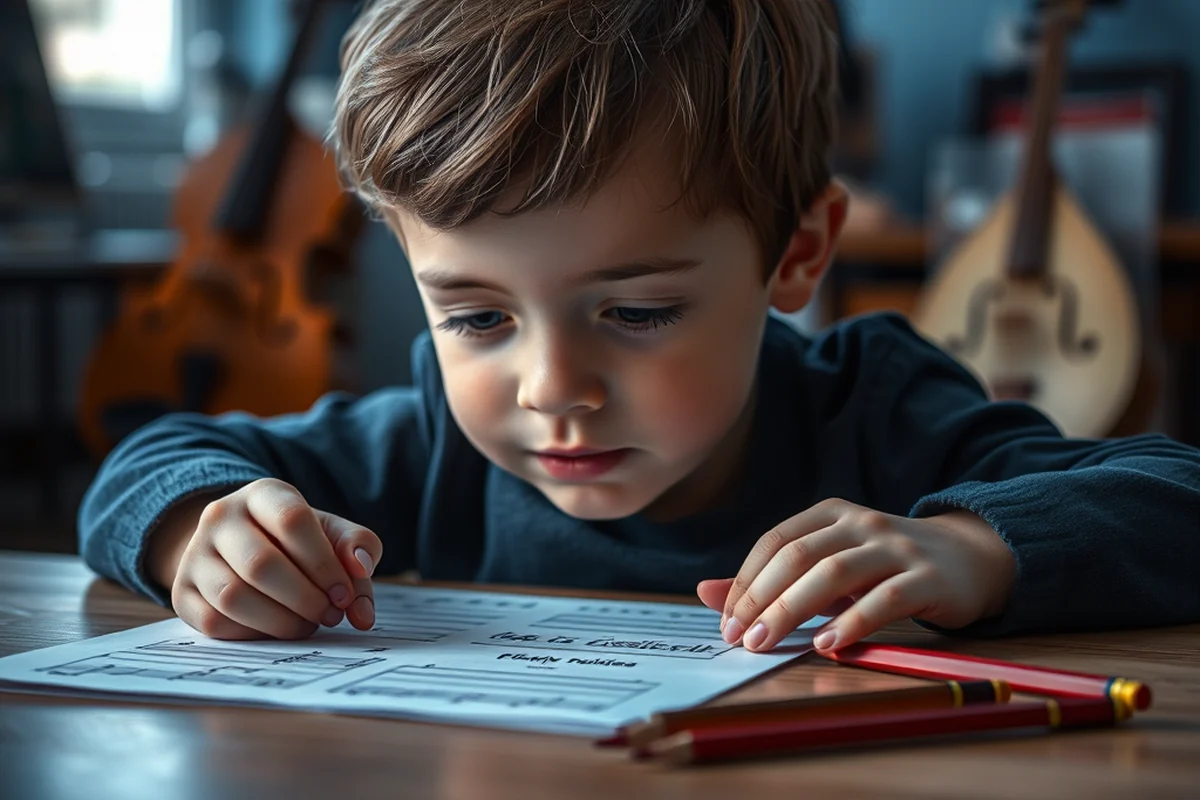
Studies have shown that learning to play a musical instrument can significantly improve a child's academic performance, particularly in areas like math and language. The structure and discipline required to master an instrument can translate into better focus and problem-solving skills in other subjects.[1]
For instance, learning to read music involves understanding symbols, patterns, and timing, which are similar to reading and writing in language arts. Playing the piano requires hand-eye coordination and fine motor skills, which are also essential in subjects like science and technology.
I've seen firsthand how my daughter's piano lessons have helped her develop better concentration and memory. Her teachers often mention that students who play instruments tend to perform better in school and have higher self-esteem.
Music is the language of the soul. Classical instruments help children learn to speak in that language.
Related: What is country gospel music
The Historical Significance of Classical Instruments
Many classical instruments have been used for centuries and have been shaped by the cultures and traditions of the regions where they originated. The cello, for example, was developed in the 16th century and has since become a staple of orchestral music, known for its deep, resonant sound.
The harpsichord, an early keyboard instrument, was used in the Baroque period and played a crucial role in the development of Western classical music. Its use declined with the rise of the piano, but it remains a valuable tool for understanding the evolution of musical styles.
Understanding the history of these instruments can give children a deeper appreciation for the music they play and the cultural context in which it was created. As a homeschooling parent, I find this aspect of music education to be both fascinating and enriching.
Encourage your child to research the history of the instrument they are learning. This can deepen their appreciation and understanding of the music they play.[2]
“When I first heard the sound of a violin being played by a child, I was struck by the way the music seemed to fill…”— Teaching Music to Homeschoolers editors
Related: How to music theory
The Emotional Benefits of Playing Classical Instruments
Music is a powerful form of emotional expression, and classical instruments provide a unique way for children to explore and express their emotions. Whether it's the joy of mastering a new piece or the frustration of struggling with a difficult passage, the process of learning an instrument can help children develop emotional resilience.
I've noticed that my daughter often uses music as a way to cope with stress or anxiety. When she's feeling overwhelmed, she'll sit down at the piano and play a piece that makes her feel calm and centered. This kind of emotional outlet is invaluable for children, especially.
Playing classical music can also help children develop empathy and a deeper understanding of the emotions conveyed in the music they play. This can translate into better social skills and a greater ability to connect with others.
Related: What is the best laptop for music production
How to Choose the Right Instrument for Your Child
There are many classical instruments to choose from, and each has its own unique characteristics and requirements. It's important to consider your child's interests and abilities when selecting an instrument. For example, if your child has a strong sense of rhythm and enjoys percussive sounds, they might be a good fit for the drums or marimba.
Physical factors such as hand size and lung capacity can also play a role in instrument selection. For instance, playing the flute or piccolo requires strong breath control, while the violin or cello requires precise finger movements and a certain level of physical strength.
I recommend starting with a few different instruments and allowing your child to try them out. This can help them discover which instrument they are most drawn to and which one fits their learning style best.[3]
Related: What is sweetwater music
The Importance of Practice and Discipline
Learning to play a classical instrument is a long-term commitment that requires consistent practice and dedication. Just like any skill, it takes time and effort to develop proficiency and mastery. Regular practice not only improves technical skills but also helps build muscle memory and confidence.
I've seen how my daughter's consistent practice has helped her improve her playing and gain a deeper understanding of the music she plays. Her teachers often emphasize the importance of setting goals and working towards them, which can be a powerful motivator.
Discipline is also essential for developing a strong work ethic and a sense of responsibility. These are valuable skills that can be applied to other areas of life, such as school, work, and personal relationships.
Practice is the key to success. Discipline is the foundation of mastery.
Related: Is spotify for kids
The Future of Classical Instruments in Education
Despite the rise of digital music and technology, classical instruments remain a vital part of music education. They provide a tangible, hands-on experience that cannot be replicated by digital tools. Learning to play a classical instrument helps children develop a deeper understanding of music and its cultural significance.
Many schools and homeschooling programs continue to emphasize the importance of classical music education. This is because the skills and knowledge gained from learning an instrument are not only valuable in the arts but also in other academic disciplines.
As a homeschooling parent, I believe that classical music instruments will continue to be an essential part of education for years to come. They offer a unique and rewarding way to explore the world of music and develop a wide range些 of important skills.
🎻 Younger Kids (Ages 3-6)
Introduce younger children to classical instruments through simple, interactive activities that foster curiosity and basic motor skills.
🎹 Older Kids (Ages 7-12)
Encourage older children to explore more complex musical pieces and develop advanced technical skills on classical instruments.
📖 No-Prep Version
Use printable resources and online tools to provide a low-effort way to engage with classical music instruments and their history.
👥 Group Version
Create a collaborative learning environment where children can explore classical instruments together and learn from one another.
🎨 Extension Activity
Combine classical music with visual arts by creating drawings or paintings inspired by the sounds and emotions of different instruments.
| The mistake | Why it happens | The fix |
|---|---|---|
| Overloading your child with too many instruments at once | This can lead to confusion and frustration, as children need time to focus on and develop skills with one instrument at a time. | Encourage your child to focus on one instrument at a time and allow them to explore other instruments as their interest and ability grow. |
| Neglecting the importance of regular practice | Consistent practice is essential for skill development, and irregular practice can lead to frustration and a lack of progress. | Establish a regular practice schedule and encourage your child to stick to it. Celebrate small achievements to keep them motivated. |
| Ignoring the emotional and psychological aspects of learning an instrument | Learning an instrument can be emotionally challenging, and ignoring this aspect can lead to burnout and a loss of interest. | Encourage your child to express their emotions through music and provide support and encouragement throughout their learning journey. |
| Focusing only on technical skills and neglecting musical expression | Technical skills are important, but they should be balanced with an emphasis on musical expression and creativity. | Encourage your child to explore different musical styles and express their own interpretation of the music they play. |
What Is Classical Music Instruments
Common Questions
How can I help my child develop a love for classical music?
What are the benefits of learning a classical instrument for children?
What are some common challenges children face when learning a classical instrument?
How can I support my child's learning of a classical instrument at home?
References
- Long-Term Impacts of Early Musical Abilities on Academic ... - ERIC (files.eric.ed.gov)
- The Role of Music in Brain Development | CAES Field Report (fieldreport.caes.uga.edu)
- How Access Benefits Children: Connecting Our Kids to the World of ... (ntia.gov)
Cite this guide
Teaching Music to Homeschoolers (2026). What Is Classical Music Instruments. https://melodystart.com/what-is-classical-music-instruments/
Feel free to cite or share this guide.
Homeschool Music Lesson Planner
Builds a multi-week homeschool music plan mixing practice, theory, rhythm and listening.
Open it free →