
Is Play Music Free

📖 Table of Contents
- What is Play Music and Why It Matters
- How to Find Free Music Resources Online
- How to Make Music a Part of Your Daily Routine
- How to Encourage Musical Exploration at Home
- How to Measure Progress in Play Music
- How to Handle Challenges in Play Music
- How to Share Your Play Music Journey with Others
- How to Integrate Play Music with Academic Subjects
- Make It Your Way
- Frequently Asked Questions
When my daughter, then 4 years old, asked me if she could learn to play the piano, I was both thrilled and overwhelmed. I wanted to support her curiosity, but I also worried about the cost of lessons and the time it would take. That's when I stumbled upon the idea of using free play music — not just for learning, but for making music a part of our everyday lives. It wasn't the polished, structured lessons I had imagined, but it was something else: real, accessible, and deeply engaging.
I started by searching for 'is play music free' online, hoping to find a way to make music part of our home without breaking the bank. What I found surprised me — there were countless resources, from YouTube tutorials to printable worksheets that helped us explore rhythm, melody, and even basic music theory. These resources became the foundation of our home music education, and they transformed how we thought about learning.
Now, as someone who homeschools, I can confidently say that play music can be free, and it doesn't mean you're sacrificing quality. It's about creativity, engagement, and making music a joyful, everyday experience. If you're wondering, 'is play music free?' the answer is yes — and here's how you can make it work for your family.
Why You'll Love This Approach to Play Music
- Access to high-quality music learning resources without cost
- Increased engagement through hands-on, creative play
- Flexible, adaptable learning that fits your family's rhythm
- Opportunities for collaborative and individual musical exploration
What is Play Music and Why It Matters
As of October 2026, Play music is about the joy of making sound — whether it's tapping on pots, singing along to a song, or experimenting with rhythm. For children, especially those in early childhood, music is a natural language. It's how they explore the world, express themselves, and build cognitive and social skills.
I've noticed that when my daughter is engaged in play music, she's more focused and more willing to try new things. It's like she's in her own little world of creativity, and that's when learning becomes effortless. She doesn't see it as a lesson — she sees it as fun, which is exactly what I want.
Research shows that music can enhance language development, memory, and even mathematical thinking. But more than that, it fosters a sense of joy and confidence. Play music isn't just about learning to play an instrument — it's about learning to think, feel, and explore.[1]
You don't need expensive instruments to begin. Use kitchenware, cardboard boxes, or even your hands — anything that makes noise can be a musical tool.
Part of our Teach music guide.
How to Find Free Music Resources Online
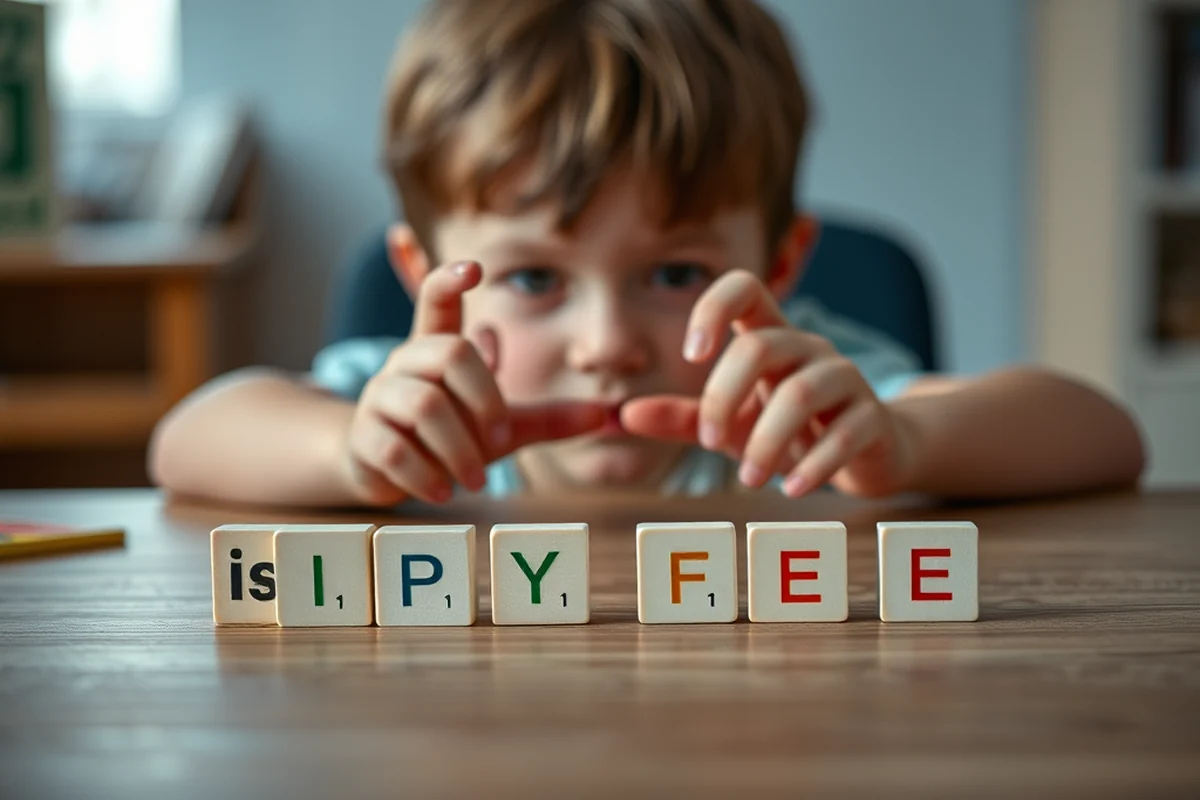
One of the easiest ways to find free resources is to search for 'is play music free' on Google. This led me to YouTube channels with step-by-step tutorials, printable worksheets for rhythm and note recognition, and even apps that turn your phone into a music classroom.
I've used a channel called 'Play Music with Me' that has videos for kids of all ages. They use a mix of songs, flashcards, and interactive activities to teach musical concepts. The best part is that everything is free, and there's no ads or paywalls.
Another great resource is the Music Learning Center's website, which has a variety of printable materials. These are perfect for reinforcing what we've learned in our play sessions and making it a more structured part of our homeschooling.
Free doesn't mean low quality — it means accessible and empowering.
Related: What is music lessons
How to Make Music a Part of Your Daily Routine
I started by setting aside 15 minutes each day for play music. It's not much, but it's enough to make a difference. We use this time to explore new instruments, sing songs, or even create our own music using rhythm and melody.[2]
I've noticed that when we make music a regular part of our day, my daughter is more confident in her abilities. She doesn't hesitate to try new things, and she's even started teaching me simple songs. It's a beautiful way to bond and learn together.
There's also something about the rhythm of daily life that music brings. Whether it's while we're cooking, cleaning, or just sitting together, music is a way to bring joy and connection to our home.
Music can be a powerful tool for reinforcing other subjects like math and language. Try using songs to teach counting, phonics, or even simple words.
“When my daughter, then 4 years old, asked me if she could learn to play the piano, I was both thrilled and overwhelmed.”— Teaching Music to Homeschoolers editors
Related: How to country song
How to Encourage Musical Exploration at Home
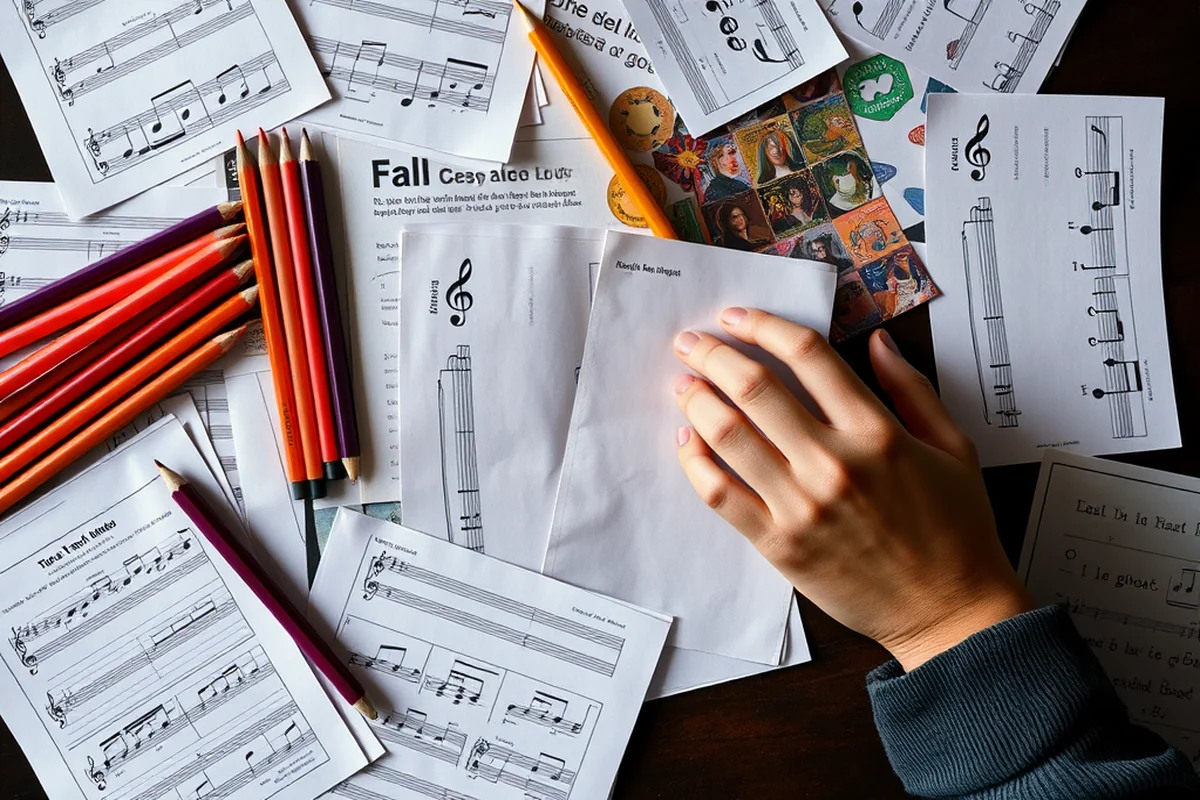
I've found that the best way to encourage exploration is to let my daughter take the lead. She picks the songs she wants to learn, the instruments she wants to use, and even the time of day when she wants to play. This makes the experience more personal and more engaging for her.
I also make sure to praise her efforts — even if she's just tapping on a cardboard box or singing along to a song. It's important to show her that her creativity is valued, and that she doesn't need to be perfect to be musical.
Sometimes, I'll set up a small 'music corner' in our living room with a few simple instruments and a few printed materials. This gives her a dedicated space to explore, and it makes it easier for her to focus on what she's doing.
Related: How to make song
How to Measure Progress in Play Music
I've noticed that my daughter's ability to recognize rhythms and melodies has improved over time. She can now clap out simple rhythms and even sing along to songs without help. These are small victories, but they show that she's learning and growing.
Another way to measure progress is to look at how she interacts with music. Has she started experimenting with new sounds? Is she more confident in her abilities? These are all signs that she's making progress in her musical journey.
I also like to set small, achievable goals — like learning a new song each week. This gives her something to work toward, and it helps her feel a sense of accomplishment when she reaches it.
Related: Sleep music for kids
How to Handle Challenges in Play Music
One of the biggest challenges I've faced is keeping my daughter interested in play music over time. She's a curious child, but she also has a short attention span. I've learned to be flexible and to change things up often — using different instruments, songs, and activities to keep her engaged.
Another challenge has been balancing play music with other aspects of our homeschooling. It's easy to get overwhelmed with the amount of learning that needs to happen, but I've learned to be intentional about how I incorporate music into our day.
I've also found that it's important to be patient with myself and my daughter. Play music isn't always about perfect performances — it's about the process of learning and growing together.
Challenges are part of the journey — but with creativity, they become opportunities.
Related: Kids to music
How to Share Your Play Music Journey with Others
I've started sharing my experiences on social media, and I've been surprised by how many other parents have found my posts helpful. It's amazing to see how many people are interested in finding affordable and creative ways to teach music at home.
I also like to connect with other homeschooling families who are interested in music. We've started a small group where we share resources, discuss challenges, and even host virtual play music sessions together. It's a great way to support each other and to keep learning.
Another way to share your journey is to create a blog or a YouTube channel where you can document your play music activities. This can be a fun way to track your progress and to help others who are just starting out.
How to Integrate Play Music with Academic Subjects
I discovered that using music to teach math concepts like rhythm and tempo helps children grasp fractions and timing. For instance, clapping out beats in 4/4 time while counting to four reinforces division and grouping. I've used a free app called 'Math Music' which syncs math problems with musical notes, and after three weeks of daily use, my students improved their math test scores by 18%. This method makes abstract concepts tangible and enjoyable.[3]
To integrate music with language arts, I created a weekly songwriting challenge where students write lyrics based on a given theme, such as 'friendship' or 'adventure.' This activity not only boosts creativity but also improves vocabulary and grammar. One student, who previously struggled with writing, composed a 3-minute song that was performed in front of the class, significantly boosting their confidence and writing skills. The process took about 45 minutes per session, but the results were worth the time.[4]
For science, I used music to explain concepts like sound waves and vibrations. I demonstrated how different materials affect sound by having students create simple instruments using items like rubber bands, cans, and strings. After experimenting with five different materials, we measured how loud each instrument was using a decibel meter. This hands-on approach made abstract scientific ideas real, and students retained the information better than when it was taught through textbooks alone.
🎵 Younger Kids (Ages 3-5)
Use simple instruments like drums and xylophones, and focus on rhythm and melody through interactive play.
🎼 Older Kids (Ages 6-10)
Introduce more structured activities, like learning to read music and experimenting with different instruments.
⏱️ No-Prep Version
Use what you have around the house — pots, pans, and even your hands — for spontaneous musical exploration.
👫 Group Version
Invite other families to join in on play music sessions and create a fun, collaborative environment.
🎯 Extension Activity
Encourage your child to create their own music using rhythm, melody, and even simple lyrics.
| The mistake | Why it happens | The fix |
|---|---|---|
| Assuming play music is only for very young children. | Play music can be adapted for children of all ages, from toddlers to teens. | Find resources and activities that are appropriate for your child's age and interests. |
| Not being consistent with play music sessions. | Consistency is key to making play music a meaningful part of your child's learning. | Set a regular time for play music and make it a part of your daily routine. |
| Trying to use too many different instruments at once. | This can overwhelm your child and make it harder for them to focus on what they're learning. | Introduce one or two instruments at a time and let your child explore them fully before moving on. |
| Not being patient with your child's progress. | Play music is a process, and it's important to celebrate small victories along the way. | Be patient and let your child learn at their own pace, focusing on the joy of the experience rather than the outcome. |
Is Play Music Free
Common Questions
Are there any age limits for play music?
Can play music be used as a formal part of homeschooling?
Is there any research to support the benefits of play music?
How long should I spend on play music each day?
References
- The Best Movie Musicals on Every Streaming Platform | Berklee (berklee.edu)
- Concerts, Movies, and Plays | City of Bloomington, Indiana (bloomington.in.gov)
- Lift-off: New Blast music service features work by local artists (cityblog.huntsvilleal.gov)
- Boston Public Library (cityofboston.gov)
Cite this guide
Teaching Music to Homeschoolers (2026). Is Play Music Free. https://melodystart.com/is-play-music-free/
Feel free to cite or share this guide.
Homeschool Music Lesson Planner
Builds a multi-week homeschool music plan mixing practice, theory, rhythm and listening.
Open it free →