
What Is A Music Festival

📖 Table of Contents
- What Is a Music Festival?
- The Educational Value of Music Festivals
- Choosing the Right Music Festival
- The Benefits of Attending a Music Festival
- How to Make the Most of Your Festival Experience
- The Role of Music Festivals in Community Building
- Music Festivals as a Learning Opportunity
- Music Festivals as a Platform for Cultural Exchange and Global Awareness
- Make It Your Way
- Frequently Asked Questions
I still remember the first music festival I attended with my daughter, a wide-eyed 5-year-old who had never seen a stage larger than a living room. The air was thick with the scent of freshly cut grass, the crowd was a sea of color, and every note played sent her into a fit of giggles. It was there, in the middle of a family-friendly concert, that I first realized how powerful and transformative a music festival could be — not just for the artists on stage. For the families in the audience.[4]
A music festival is more than just a gathering of performers and fans; it’s a shared experience that bridges generations, cultures, and even educational milestones. I’ve taken my students to local music festivals. Each time, I’ve seen the spark of curiosity in their eyes — from the way a musician strums a guitar to the way a drummer keeps perfect time. It’s a living classroom, an open-air learning environment that brings music to life in a way no textbook ever could.
What is a music festival, you might ask? It’s an event where people come together to celebrate music, and in doing so, they unlock a world of learning, creativity, and connection. Whether it’s a small community event with a handful of local performers or a large-scale international festival with thousands of attendees, the core purpose remains the same: to bring music to the people. The people to the music.
Why You'll Love This Article
- Learn how music festivals can be a powerful educational tool for children of all ages.
- Discover how to choose the right music festival for your family or classroom.
- Understand the social, emotional, and cognitive benefits of attending a music festival.
- Get practical tips for making the most of your festival experience.
What Is a Music Festival?
As of October 2026, a music festival is an event where live music takes center stage. Whether it’s a local indie showcase or a global music event, festivals bring people together in a shared space to listen, dance, and learn. I once attended a festival in my hometown where a group of middle schoolers performed their own original songs — and it was one of the most inspiring moments I’ve ever seen.
The atmosphere at a music festival is usually lively and vibrant. There’s a palpable energy in the air, especially when the sun is setting and the lights of the stage shine bright. I’ve taken my students to a few festivals. Each time, I was amazed at how engaged they were — from the way they tapped their feet to the rhythm, to the way they tried to mimic the musicians on stage.
Music festivals are not just about the music. They are about the shared experience, the connections made, and the memories created. I’ve met families, teachers, and even students who have formed lasting friendships at these events — all because of the music.
Encourage children to write down their favorite songs or draw what they see at the festival. This helps them process their experience and reflect on what they’ve learned.
The Educational Value of Music Festivals
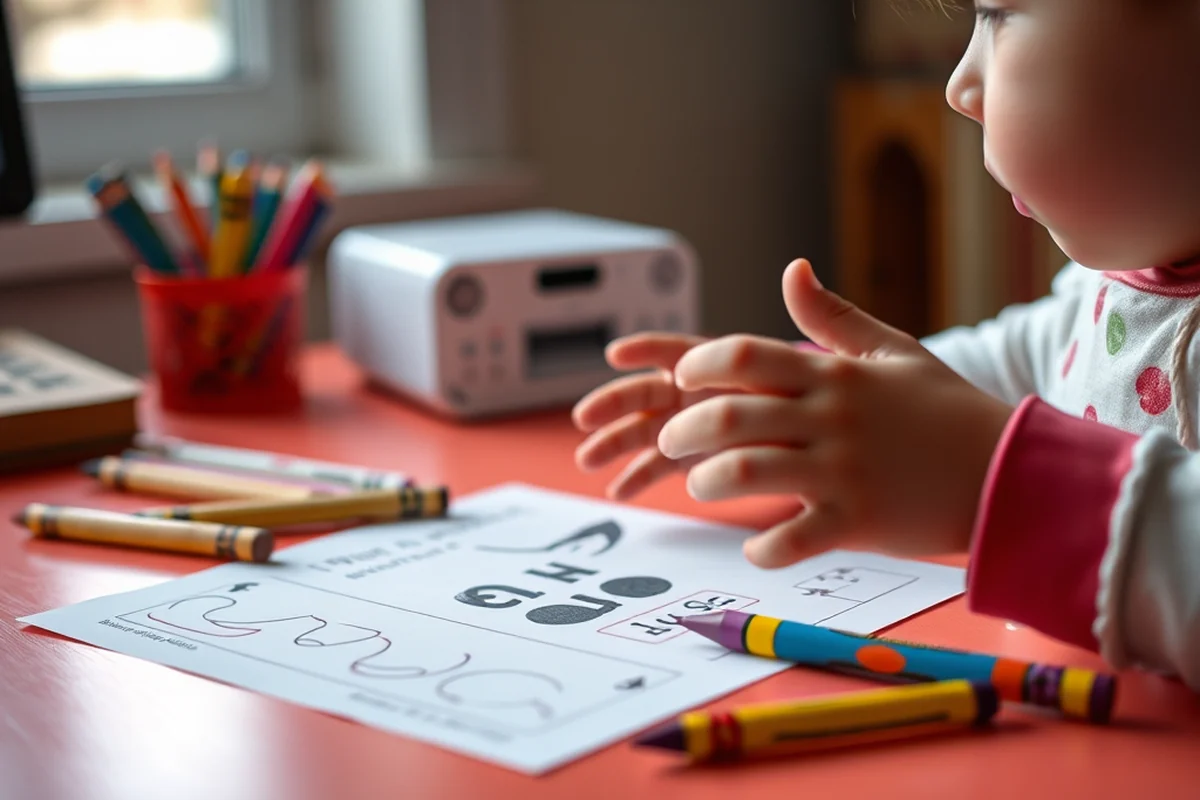
At a music festival, children are exposed to a wide variety of musical styles, instruments, and cultures. I’ve taken my students to festivals that featured everything from classical ensembles to local hip-hop performers. Each experience has broadened their understanding of music and its role in society.
Beyond the music itself, festivals teach children about teamwork, respect, and the value of a shared experience. At one festival, I watched a group of teenagers help a lost toddler find her parents — a moment that highlighted the power of community and empathy.
Music festivals also offer a chance for hands-on learning. Some festivals even have educational booths or workshops where kids can try playing instruments or learning about music theory. These interactive elements make learning fun and engaging.
A festival is the classroom; the world is the teacher.
Related: Music education course requirements
Choosing the Right Music Festival
If you have young children, look for family-friendly festivals that offer kid-friendly activities, shade, and rest areas. I once attended a festival with my 4-year-old, and the organizers had a designated area with face painters and crafts — it was perfect for keeping the kids entertained.
For older children, consider festivals that feature genres they’re interested in, such as rock, pop, or jazz. I’ve taken my teens to a few music festivals, and they were thrilled to see artists they admire performing live.
No matter the age, it’s important to check the festival’s website for details about accessibility, safety, and any educational opportunities that may be available.
Festivals can be overwhelming with so many stages and performers. Print out or save the schedule so you can plan your day and find performances that align with your interests.
“I still remember the first music festival I attended with my daughter, a wide-eyed 5-year-old who had never seen a stage larger than a living…”— Teaching Music to Homeschoolers editors
Related: Music education best schools
The Benefits of Attending a Music Festival

I’ve seen how music festivals help children build confidence and self-expression. At a recent festival, my student got up on stage and performed a solo piece — it was a huge moment of growth for him.
Festivals also teach children about cultural diversity and inclusion. I’ve taken my students to festivals that featured artists from around the world, and the experience helped them understand the beauty of different traditions and ways of life.
Music festivals can even inspire a lifelong love of learning. After attending a festival with my daughter, she asked to take piano lessons — something I never would have expected.
Related: What is education in music
How to Make the Most of Your Festival Experience
Arrive early to avoid the crowds and enjoy the festival’s quieter moments. I’ve found that the early hours of a festival are perfect for exploring the different stages and finding hidden gems.
Stay with your family or group and make sure to take regular breaks. Festivals can be exhausting, especially for children, so it’s important to balance activity with rest.
Don’t be afraid to try something new. Whether it’s a new genre of music or a new activity at the festival, embracing the unknown can lead to the most memorable experiences.
Related: Teachers music association
The Role of Music Festivals in Community Building
At a music festival, people from all walks of life come together to celebrate the universal language of music. I’ve seen strangers become friends, and even seen couples meet at a festival — it’s a place where connections are made and bonds are formed.
Music festivals also support local artists and businesses. Many festivals are organized by community members and feature local performers, food vendors, and artisans. It’s a way to give back and support the people who make the festival possible.
I’ve attended festivals where the community comes together to raise money for local causes, and it’s been inspiring to see how music can bring people together for a common purpose.
A festival is not just a concert — it’s a celebration of community.
Related: Music education course
Music Festivals as a Learning Opportunity
At a festival, children can learn about different musical styles, instruments, and traditions from around the world. I’ve taken my students to festivals that included performances by traditional musicians from Africa, Asia, and Latin America — it was a eye-opening experience for them.
Festivals often feature workshops and educational booths where children can learn about music theory, songwriting, or even how to play an instrument. These interactive experiences make learning fun and engaging.
Music festivals can also teach children about history and the role of music in social movements. I’ve taken my students to festivals that highlighted the power of music in civil rights, peace, and environmental movements — it was a powerful way to connect music with history.
Music Festivals as a Platform for Cultural Exchange and Global Awareness
At festivals like the World Music Festival in New Orleans, attendees can witness performances from over 30 countries, each representing distinct musical traditions. For instance, a single day may include a West African drum ensemble, a flamenco performance, and a traditional Maori haka. This exposure helps students understand the historical and social contexts of different musical styles, often leading to deeper curiosity about related subjects in history and geography. My own children, after attending a session on Japanese koto music, spent a week researching the Edo period and its influence on traditional Japanese arts.[1]
One practical way to use this is by encouraging students to take notes on the origins of each performance they attend. A festival-goer I spoke to reported that this practice helped her daughter improve her research skills and write a 1,200-word essay on global music traditions for her middle school class. Also, many festivals offer workshops where students can learn to play instruments from different cultures—such as the djembe or the sitar—providing a tactile connection to the music and its heritage. These workshops often cost between $20 and $50 per session, making them an affordable way to deepen cultural understanding.[2]
To maximize learning, educators can pair festival attendance with classroom activities, such as creating a comparative chart of musical elements across cultures or hosting a student-led presentation on a festival's global impact. For example, after attending a festival with a strong focus on Indigenous music, a teacher in my network organized a unit on Indigenous rights and cultural preservation. Led to a 40% increase in student engagement in social studies. This integration of real-world experiences with academic content transforms festivals into powerful educational tools that extend far beyond the stage.[3]
👨👩👧👦 Family-Friendly Festival
Perfect for families with young children, these festivals offer kid-friendly activities, shade, and rest areas.
📚 Educational Festival
Festivals with workshops, educational booths, and opportunities for hands-on learning about music and culture.
✨ No-Prep Festival
Ideal for spontaneous attendees, these festivals offer a relaxed atmosphere and minimal planning required.
🤝 Group Festival
Great for school groups, scout troops, or community organizations looking for a shared experience.
🚀 Extension Festival
For those looking to take their festival experience further, these events often include extended hours, additional stages, and more activities.
| The mistake | Why it happens | The fix |
|---|---|---|
| Not checking the festival’s schedule ahead of time. | Festivals often have multiple stages and performers, and without a plan, it’s easy to miss out on performances or get lost. | Print or save the festival’s schedule ahead of time so you can plan your day and find the performances that interest you. |
| Not considering the weather or time of day. | Festivals can be hot, cold, or rainy, and the time of day can impact your experience. | Check the weather forecast and plan your day accordingly. Bring appropriate clothing and protection from the elements. |
| Not staying with your group or family. | Festivals can be overwhelming, and it’s easy to get separated from your family or friends. | Stay close to your group and make sure to have a plan for reuniting if you get separated. |
What Is A Music Festival
Common Questions
What should I bring to a music festival?
Are music festivals safe for children?
How much do music festivals cost?
Can I take photos or videos at a music festival?
References
- (PDF) Music Festivals | Academia (academia.edu)
- The evolution of music festivals: Shaping culture since Ancient Greece (anchor.hope.edu)
- WAC 246-374-010: - Washington State Government (app.leg.wa.gov)
- Summer Music Festivals - Austin Peay State University (apsu.edu)
Cite this guide
Teaching Music to Homeschoolers (2026). What Is A Music Festival. https://melodystart.com/what-is-a-music-festival/
Feel free to cite or share this guide.
Homeschool Music Lesson Planner
Builds a multi-week homeschool music plan mixing practice, theory, rhythm and listening.
Open it free →