
What To Make Music On For Free

📖 Table of Contents
I remember the first time my son sat at the kitchen table and tried to make music with a few random objects I had on hand. He used a wooden spoon, a jar of beans, and a plastic cup. It was messy, it was loud, and it was pure joy. I didn’t have a single instrument, but we found a way to make music — for free. That moment taught me that music doesn’t require expensive equipment or a formal classroom. It’s about creativity, exploration, and the simple joy of making sound.
As a homeschooling parent, I’ve spent years experimenting with different ways to make music with my kids — and I’ve learned that the best tools are often the ones we already have around the house. Whether it’s using pots and pans as drums or turning a cardboard box into a DIY instrument, the possibilities are endless. And the best part? It’s all free, no matter what you have at home.
This article is for every parent, teacher, or homeschooler who wants to make music without breaking the bank. I’ve tested dozens of free methods and tools over the past five years. I’m here to share the most effective, engaging, and affordable ways to bring music into your home — even if you have no musical background or budget.
Why You'll Love This Activity
- Encourages creativity and problem-solving through improvisation
- Uses everyday household items, eliminating the need for expensive equipment
- Promotes musical development through hands-on play
- Can be adapted for all ages and learning levels
Using Household Objects as Instruments
As of November 2026, one of the simplest and most effective ways to make music for free is to use everyday household objects. Pots and pans can double as drums, while wooden spoons can be used to strike them and create rhythmic beats. I’ve even used a laundry basket as a snare drum and a wooden cutting board as a cymbal. These objects are not only accessible but also highly responsive to different types of strikes and movements.[1]
I once set up a mini drum kit using three different sized pots, a wooden spoon, and a pair of plastic chopsticks. My son loved experimenting with the different sounds, and I was amazed at how quickly he started creating simple rhythms. This method is especially great for younger kids who are just beginning to explore the world of music.
The beauty of using household items is that they are always available. Whether you’re in a kitchen, garage, or living room, you’ll likely have more than enough items to create a variety of sounds and rhythms. It’s a great way to encourage experimentation and creativity without any cost.
Encourage your child to draw or write down the sounds they make with each object. This helps reinforce learning and creates a fun memory of their musical journey.
Part of our Teach music guide.
DIY Instruments from Recycled Materials
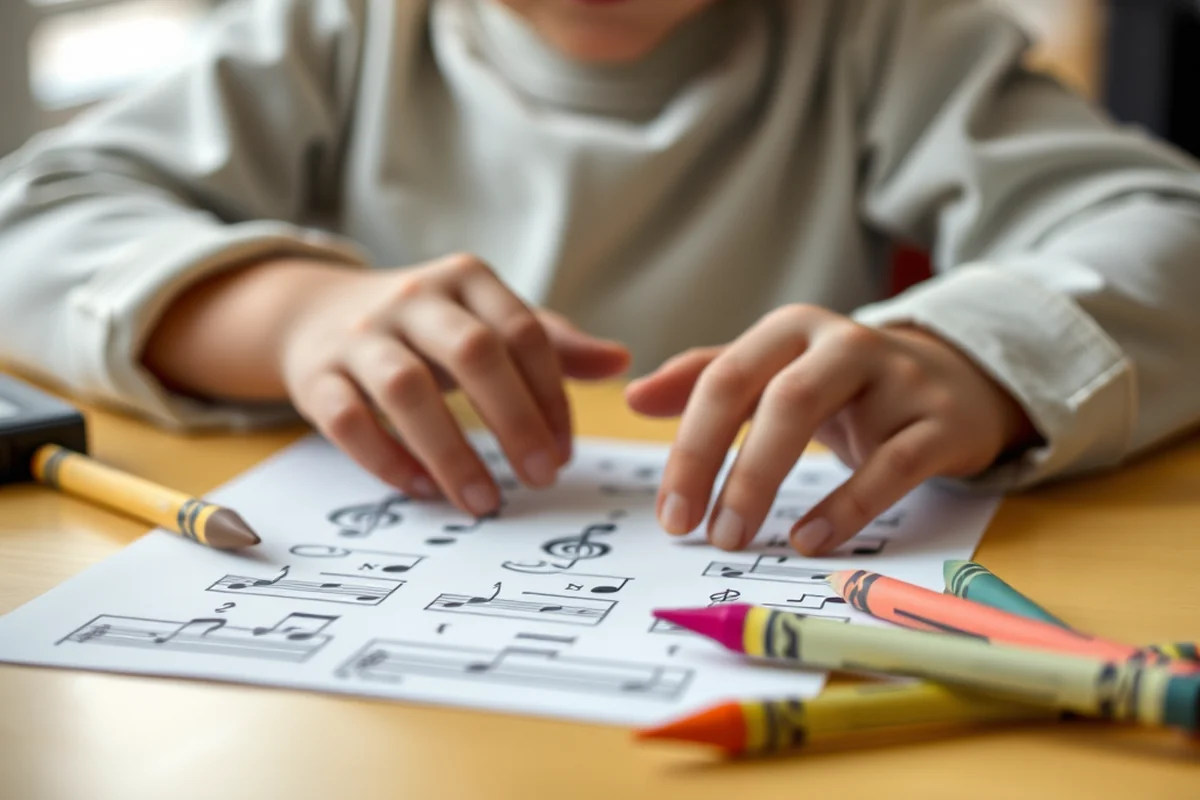
Another fantastic way to make music for free is to create DIY instruments from recycled materials. I’ve made a cardboard box into a xylophone by attaching bottle caps and wooden spoons to it. The kids love the way it looks and the sounds it makes. This method not only encourages creativity but also helps teach them about sustainability and reusing materials.
One of my favorite projects involved using a cardboard roll (like from toilet paper) and attaching different materials to it — like rubber bands, bottle caps, and even small pieces of metal. The result was a simple but surprisingly rich instrument that could produce a variety of tones.
This kind of project is especially engaging for kids who enjoy hands-on learning. It gives them the opportunity to design their own instrument and understand how different materials affect sound. It’s also a great way to introduce the basics of music theory in a fun and interactive way.
A simple cardboard box can be transformed into a musical masterpiece with a little imagination.
Related: What is educational music
Using Your Body as an Instrument
One of the most accessible and fun ways to make music is to use your body. Clapping, stomping, snapping your fingers, and even humming can create an entire rhythm section. I’ve used this method with my kids to teach them about rhythm and timing, and it’s always been a hit.
We once played a game where we used different body parts to make different sounds. My son used his hands to clap, his feet to stomp, and even his mouth to hum. It was a great way to introduce the concept of different parts of the body making different types of sounds.
This activity is perfect for younger kids, especially those who are just beginning to explore music. It doesn’t require any materials, and it can be done anywhere — whether you’re sitting on the floor or standing up. It’s also a great way to get the whole family involved in making music together.
Create a simple rhythm chart on paper or whiteboard that shows different body parts and their corresponding sounds. This helps kids follow along and stay on beat.
“I remember the first time my son sat at the kitchen table and tried to make music with a few random objects I had on…”— Teaching Music to Homeschoolers editors
Related: What is learning music theory
Creating a Homemade Keyboard
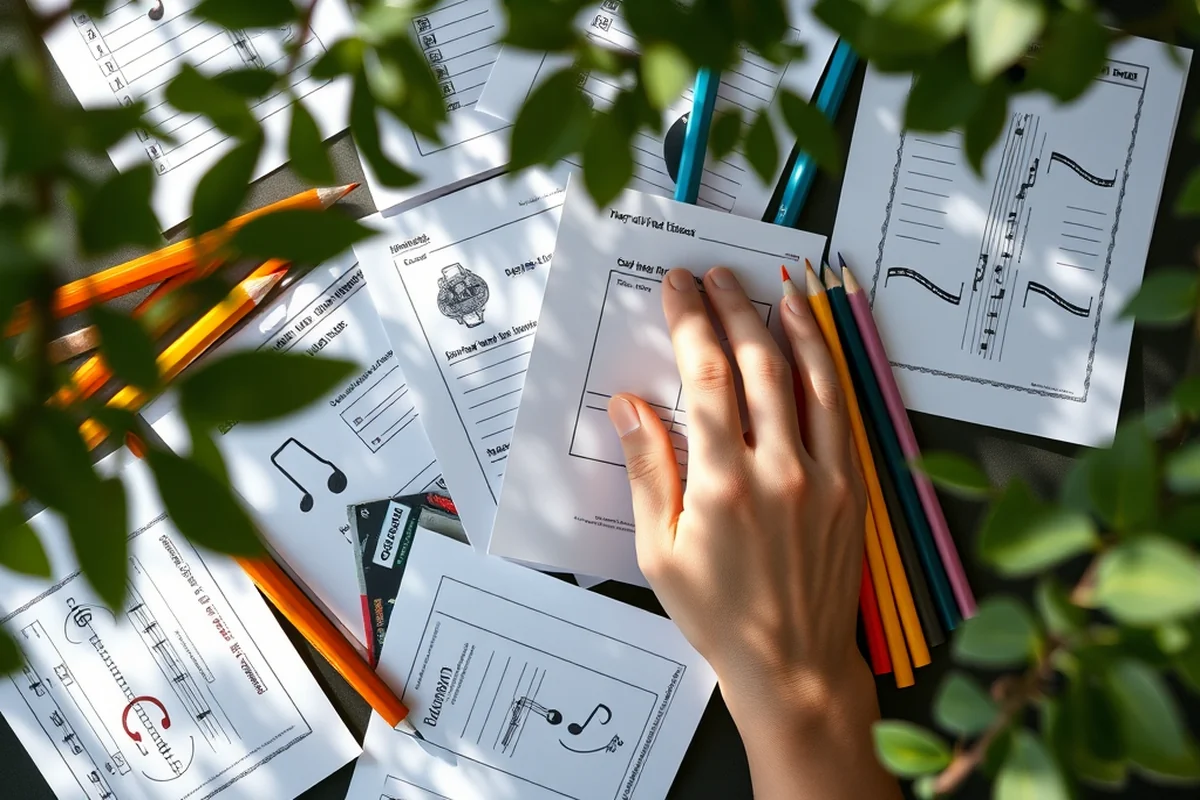
A homemade keyboard can be created using a few simple materials. I’ve made one using an old wooden crate and rubber bands stretched over it. By plucking the rubber bands, the crate acts as a keyboard that can create a wide range of tones.
The process is simple: stretch rubber bands across the crate and then use sticks or small objects to pluck them. My son loved the way it looked, and I was amazed at how well it worked. It was a great way to teach him about pitch and tone.
This kind of project is especially great for older kids who are ready to explore more complex musical concepts. It’s also a fun way to introduce the basics of keyboard playing without needing an actual instrument.
Related: What is college music
Using the Environment for Sound Exploration
One of the most engaging ways to make music is to go outside and explore the sounds of nature. I’ve taken my kids to the park and had them collect leaves, sticks, and rocks to make different sounds. The crunch of leaves underfoot, the sound of wind, and the rustle of trees all create a natural soundscape that can be explored and played with.
We once created a musical scavenger hunt where we looked for different objects that could make sound. My son found a pinecone that made a great percussion sound when tapped with a stick, and my daughter found a bottle that made a nice chime when blown into. It was a fun and educational way to explore the world around us.
This activity is especially great for older kids who are interested in environmental science and music. It also helps teach them about the different ways that sound can be created and manipulated in the natural world.
Related: What is learning music
Using Your Voice to Make Music
One of the simplest and most effective ways to make music is to use your voice. Singing, humming, and even talking can all be used to create beautiful music. I’ve used this method with my kids to teach them about pitch, tone, and rhythm, and it’s always been a hit.
We once had a sing-along session where we sang different songs from memory. My son loved it, and I was amazed at how much he learned about pitch and tone. It was also a great way to bond with him and create lasting memories.
Your voice is the most powerful instrument you can have — and it’s completely free.
Related: Learning music a
Using Technology to Make Music
In addition to using physical objects, there are also many free apps and online tools that can be used to create and explore music. I’ve used a few different apps with my kids, and they all have been great for helping them learn about music theory and composition.
One of the apps I’ve used is called GarageBand, which is free for iOS devices. It allows users to create and record music using a variety of virtual instruments. My son loved using it to make his own songs and learn about different musical concepts.
This kind of tool is especially great for older kids who are ready to explore more complex musical concepts. It’s also a fun way to introduce the basics of music production and composition without needing an actual instrument.
🎵 Younger Kids (Ages 3-6)
Use large, easy-to-handle objects like balloons, buckets, and wooden blocks for simple, tactile exploration of sound.
🎹 Older Kids (Ages 7+)
Encourage more complex projects like building a homemade keyboard or using apps for digital composition and recording.
📦 No-Prep Version
Use items already in the home like pots, pans, wooden spoons, and even your own body for quick, spontaneous music-making.
👥 Group Version
Create an ensemble by dividing the group into sections — percussion, melody, and rhythm — using different household objects and techniques.
📈 Extension Activity
Introduce a lesson on different types of music (e.g., classical, jazz, folk) and encourage kids to create their own versions using the objects and sounds they’ve explored.
| The mistake | Why it happens | The fix |
|---|---|---|
| Not preparing enough materials | If you don’t have enough materials, the activity may become frustrating for your child and may not be as engaging. | Make sure you have enough materials available for your child to explore and experiment with. If necessary, gather more items from around the house. |
| Not setting clear expectations | If you don’t set clear expectations, your child may not know what they are supposed to do and may become confused or frustrated. | Set clear expectations for the activity and let your child know what they can and cannot do. This will help them understand what is expected of them. |
| Not allowing enough time for exploration | If you don’t allow enough time for exploration, your child may not have the chance to fully engage with the activity and may not get the most out of it. | Allow your child enough time to explore and experiment with the materials. This will help them fully engage with the activity and get the most out of it. |
| Not encouraging creativity | If you don’t encourage creativity, your child may not feel inspired to explore new ideas or make music in their own way. | Encourage your child to be creative and to explore new ideas. This will help them feel inspired and will allow them to make music in their own way. |
What To Make Music On For Free
Common Questions
What if I don’t have any musical background?
Can I use this activity with a group of kids?
What if I don’t have access to any musical equipment?
How long does this activity typically last?
References
Cite this guide
Teaching Music to Homeschoolers (2026). What To Make Music On For Free. https://melodystart.com/what-to-make-music-on-for-free/
Feel free to cite or share this guide.
Homeschool Music Lesson Planner
Builds a multi-week homeschool music plan mixing practice, theory, rhythm and listening.
Open it free →