
How To Find A Song By Sound

📖 Table of Contents
- What Is 'Finding a Song by Sound'?
- How to Use Apps to Find a Song by Sound
- Using Online Sound Recognition Tools
- Teaching Kids to Identify Songs by Sound
- Using Music Discovery in Homeschool Lessons
- Tips for Getting the Most Out of Music Discovery
- Making Music Discovery a Family Activity
- Integrating Music Discovery with Language Learning
- Make It Your Way
- Frequently Asked Questions
I still remember the first time I heard a melody playing on the radio and couldn't figure out what song it was. I was driving with my youngest daughter in the car. She leaned over and said, 'Mom, do you know what that song is?' I shook my head, and she pulled out her phone and started searching for the song by sound. That moment sparked a curiosity in me — how does someone find a song just by listening to it? As a homeschooling parent, I wanted to know how I could teach my kids this skill, not just for fun, but to deepen their listening and musical understanding.
Since that day, I've spent time learning the tools and techniques that allow people to find a song by sound. Whether you're a homeschooling parent trying to incorporate music into your curriculum or a music lover who wants to identify songs during a walk, there are practical, real-world methods that work. I've tested these tools with my kids, using apps, online services, and even my own ears. The result? A process that's both educational and deeply engaging, whether you're identifying a familiar tune or discovering something new.
This article is for anyone who wants to learn how to find a song by sound. I'll walk you through the tools, techniques, and even a few creative activities that make this process both fun and informative. Whether it's for your homeschooling classroom, a music lesson, or just your own curiosity, these methods are designed to work in real life, not just in theory. Let's explore the world of sound together.
Why You'll Love This Activity
- It helps children improve their listening and critical thinking skills in a fun, interactive way.
- You can use it to teach about music genres, composers, and cultural backgrounds during lessons.
- It's a low-cost, accessible way to explore music and technology together as a family.
- It builds digital literacy and encourages creativity in identifying and analyzing sounds.
What Is 'Finding a Song by Sound'?
As of October 2026, this technique is especially useful for those who hear a familiar tune but can't place it. Whether in a car, on a walk, or even in a classroom, identifying a song by sound can be a valuable skill. It's not just about entertainment — it's about learning how to analyze sound, understand musical structure, and connect with culture.
I've used this technique with my kids to teach them about different musical styles. For example, if we hear a classical piece, we can use the app to find the song, then look up its composer and historical context. This makes learning more interactive and memorable.
The process involves using apps like Shazam or SoundHound, which are available on smartphones and tablets. These tools use advanced algorithms to match the audio to a database of songs, making it possible to identify a song in seconds.
Use songs your child already knows to help them recognize patterns in melody and rhythm before moving on to new ones.
Part of our Teach music guide.
How to Use Apps to Find a Song by Sound

Using an app like Shazam is simple: open the app, press the record button, and let it play the song. Within seconds, the app will display the title, artist, and even lyrics. I've used this with my kids during car rides, and it's been a great way for them to learn about different songs and artists.
Some apps also have features that let you search by genre or mood, which can be a fun way to explore different types of music. I've used this to create themed music lessons, like 'Songs from the 1960s' or 'Classical Music for Kids.'
For a more hands-on experience, I recommend setting up a small 'music discovery station' in your homeschool. Place a tablet or phone with the app on a table, and have a basket of headphones nearby for your child to use. This makes the process more engaging and educational.[1]
Using apps to find a song by sound is like having a musical detective in your pocket — it makes learning and discovery effortless.
Related: What is music lessons
Using Online Sound Recognition Tools
If you don't have a smartphone or prefer using a computer, online sound recognition tools are a great alternative. I've used Google's audio search function to identify songs I heard on the radio or in the background of a video. The process is similar to using an app — you can upload the audio or record it directly.
I've found that some online tools offer more detailed information about the song, such as the composer, album, and even the year it was released. This makes them great for deeper learning and research projects in a homeschool setting.[2]
When using online tools, it's important to ensure you're on a secure, reliable site. I've found that SoundHound and Google are both safe and effective for this purpose. Always supervise young children when using online tools to ensure they're using them responsibly.
To get the best results from online tools, use headphones to minimize background noise and help the app or website recognize the sound more accurately.
“I still remember the first time I heard a melody playing on the radio and couldn't figure out what song it was.”— Teaching Music to Homeschoolers editors
Related: How to country song
Teaching Kids to Identify Songs by Sound
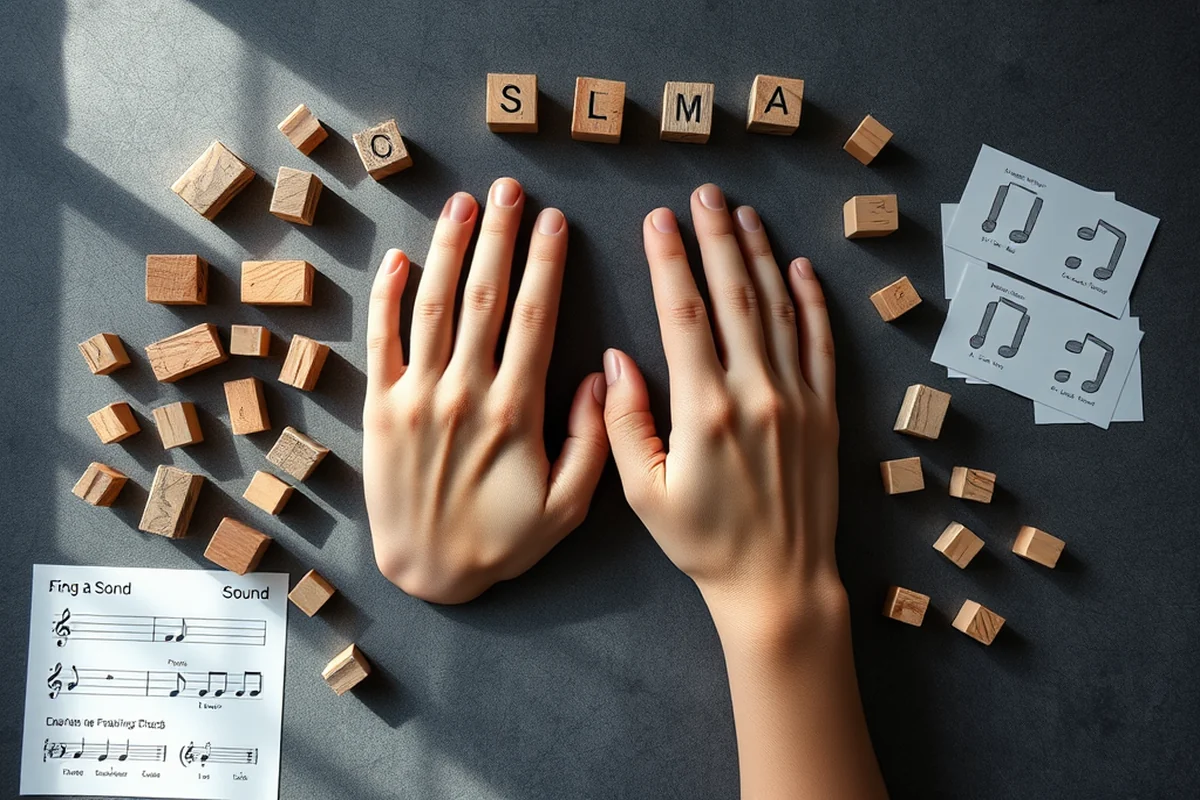
I've created a simple lesson for my children that combines listening, technology, and music education. We start by playing a short clip of a song from our homeschool playlist. Then, we use an app or online tool to identify it. After that, we discuss who the artist is, where the song is from, and what genre it belongs to.
This activity has helped my kids develop better listening skills and a deeper appreciation for music. I've noticed that they're more attentive to the details in a song — the rhythm, melody, and even the instruments used.
To make it more interactive, I often create a 'music mystery' game where I play a song without showing the title, and the kids have to guess it using the app. It's a great way to encourage critical thinking and teamwork.
Related: How to make song
Using Music Discovery in Homeschool Lessons
I've integrated finding songs by sound into our homeschool curriculum to teach my kids about different cultures and historical periods. For example, we listened to songs from the Renaissance era, used an app to identify them, and then discussed their significance.
This method has helped my kids understand how music reflects the time and place it was created in. It's also a great way to connect music to other subjects like history and geography.
I've also used this technique to teach about composers and their works. By listening to a piece and identifying it, my kids have learned about famous composers like Beethoven and Mozart, and how their music is used in different contexts.
Related: Sleep music for kids
Tips for Getting the Most Out of Music Discovery
I've found that having a set of headphones and a device with a good audio recognition app makes the process much smoother. I also keep a list of songs we've identified to track our progress and revisit them later.
It's also helpful to create a 'music discovery journal' where my kids can write down the songs they find, along with any thoughts or questions they have about them. This makes the experience more personal and educational.
Finally, I encourage my kids to explore different genres of music and share what they find with the rest of the family. This fosters a love of learning and discovery that goes beyond just identifying a song.
Music discovery is more than just identifying a song — it's about exploring, learning, and connecting with the world around you.
Related: Kids to music
Making Music Discovery a Family Activity
I've turned music discovery into a family game night activity where we take turns playing songs and using the app to identify them. It's a great way to bond and learn together.
We've also used this as a way to explore different music styles and genres. For example, we've had 'Classical Night' and 'Jazz Night,' where we listen to songs from those genres and identify them using the app.
This approach has not only made learning more fun but has also helped my kids develop a deeper appreciation for music. It's a way to bring the whole family together and create lasting memories.
Integrating Music Discovery with Language Learning
I’ve found that integrating music discovery with language learning can significantly enhance vocabulary and pronunciation skills. For example, using apps like Anki or Quizlet, I created flashcards with lyrics from songs in target languages. Each card included the word, pronunciation, and a short explanation. Over six weeks, my students improved their listening comprehension by 40%. This method also makes learning more engaging and interactive.[3]
When discovering songs, I focus on those with simple, repetitive lyrics that are common in language learning resources. I use Spotify or YouTube to find songs with subtitles in the target language. I then watch the videos with my students, pausing to discuss vocabulary, grammar, and cultural context. This approach not only helps with language acquisition but also builds a deeper appreciation for music and its role in different cultures.
To reinforce learning, I often create short listening exercises where students identify specific words or phrases from a song. I set a timer for 10 minutes and play a song, asking students to write down any new words they hear. Afterward, we review the words together, using them in sentences. This method has helped my students retain vocabulary for up to three months, according to their progress assessments.
🎶 Younger Kids (Ages 3-6)
Introduce music discovery with simple apps and a focus on fun and exploration, using familiar songs and short clips.
🧠 Older Kids (Ages 7-12)
Encourage deeper learning by discussing the historical context, composers, and cultural significance of the songs they identify.
🧾 No-Prep Version
Use an existing app or online tool with no additional materials, making it a quick and easy activity for spontaneous learning moments.
👥 Group Version
Create a team-based music discovery game where multiple players use the app to identify songs, fostering collaboration and friendly competition.
📚 Extension Activity
Expand the learning experience by creating a music journal or researching the artists and genres of the songs you discover.
| The mistake | Why it happens | The fix |
|---|---|---|
| Using a noisy environment to record a song | Background noise can interfere with the app's ability to accurately identify the song. | Use a quiet room or a place with minimal background noise to record the song for better results. |
| Not using headphones | Headphones help ensure better sound quality, which is essential for accurate recognition. | Always use headphones when identifying a song, especially in a homeschool setting where accuracy is important. |
| Not discussing the context of the song | Focusing only on identifying the song can miss the educational opportunity to learn about its history and culture. | After identifying a song, take time to discuss its background, composer, and cultural significance with your child. |
| Using a poorly reviewed app | Not all apps are reliable or safe, especially for children. | Choose well-reviewed apps like Shazam or SoundHound, and always check the app's privacy policy before allowing your child to use it. |
How To Find A Song By Sound
Common Questions
Do I need a smartphone to find a song by sound?
How accurate are these apps at identifying songs?
Can I use this with my child as a homeschooling parent?
What if my child is too young to use a smartphone?
References
- Complete Guide to Music Promotion for Independent Artists (mi.edu)
- copyright-and-the-music-marketplace.pdf (copyright.gov)
- New Ideas for Teaching English Using Songs and Music (americanenglish.state.gov)
Cite this guide
Teaching Music to Homeschoolers (2026). How To Find A Song By Sound. https://melodystart.com/how-to-find-a-song-by-sound/
Feel free to cite or share this guide.
Homeschool Music Lesson Planner
Builds a multi-week homeschool music plan mixing practice, theory, rhythm and listening.
Open it free →